
Best Bradford Areas for Buyers Looking for Period Homes

Period homes can offer something that newer properties often struggle to reproduce. Original stonework, high ceilings, bay windows, decorative fireplaces, generous room proportions and established streetscapes can give an older property a distinctive character. Bradford and the wider district have a particularly varied supply of historic housing, from Victorian terraces and villas to Edwardian homes and properties connected to the area's industrial heritage.
The appeal is not limited to appearance. Buyers considering period properties Bradford may also be interested in established neighbourhoods, mature streets, access to parks and the architectural identity of particular areas. However, an older house can bring additional considerations, including roof maintenance, stonework, damp, outdated services, insulation and restrictions on alterations in conservation areas. Bradford Council currently lists 60 conservation areas across the district, including Saltaire, Little Germany, Manningham, Heaton Estate, Great Horton, Thornton, Bingley and several other historic locations.
Table of Contents
What Makes Bradford Attractive for Period Home Buyers?
Bradford has a strong architectural connection with the industrial and commercial growth of the nineteenth and early twentieth centuries. That history is visible across many neighbourhoods through stone terraces, villas, civic buildings, former workers' housing and large homes developed for professionals and business owners. Bradford Council describes conservation areas as places with special architectural or historic interest, covering not just individual buildings but also streets, landscapes and wider neighbourhood character.
This gives buyers a choice beyond simply looking for an old house. Some streets are dominated by compact terraces, while others contain larger villas with gardens and more elaborate architectural details. A buyer wanting a character home close to Bradford city centre may approach the search differently from someone looking for a larger period property in a quieter suburban setting.
The age of the property should also influence the buying budget. Original windows, roofs, pointing, stonework, plumbing and heating systems may need more attention than equivalent components in a modern house. Period character can therefore come with an ongoing maintenance commitment.
Saltaire for Victorian Character and Heritage
Saltaire is one of the most recognisable locations for buyers interested in period homes in the Bradford district. The village was inscribed on the UNESCO World Heritage List in 2001, and Bradford Council describes its historic significance in relation to nineteenth-century town planning and industrial development. Saltaire is also covered by a conservation area.
Its residential streets contain groups of uniform historic houses, creating a strong architectural identity rather than isolated period properties surrounded by later development. This can appeal to buyers who want the character of a complete historic neighbourhood as well as an individual older home. The architecture includes substantial amounts of nineteenth-century workers' housing alongside other historic buildings connected with the village's development. However, Saltaire's heritage status is an important practical consideration. Bradford Council states that properties within the defined Saltaire Article 4 area had permitted development rights for certain external alterations and extensions removed, and the properties within that defined area became listed buildings in 1984. Alterations and extensions to listed buildings require listed building consent where applicable.That means buyers should investigate whether planned changes, such as replacing windows, altering doors or extending the property, would require additional approvals.
For buyers seeking period properties Bradford, Saltaire can offer a particularly cohesive historic environment, but the architectural character comes with responsibilities. A survey, title checks and early planning advice are useful before committing to major renovation plans.
Manningham for Victorian Villas and Terraces
Manningham provides another substantial choice for buyers interested in historic housing. Bradford Council identifies five conservation areas within Manningham: Apsley Crescent, Eldon Place, North Park Road, St Paul's and Southfield Square. Its conservation assessment considers architecture, open spaces, streetscape and historic development across these areas. The area is particularly associated with substantial late nineteenth-century housing, including terraces, villas and streets containing ornate architectural details. Some properties feature bay windows, decorative stonework, high ceilings and larger internal layouts, although the condition and level of original preservation vary from property to property.
Manningham can therefore suit buyers who want visible period features without necessarily looking only at village settings. It offers an urban environment where historic properties sit alongside more modern housing and everyday amenities. Buyers should assess individual streets rather than relying only on the area's reputation. Parking, traffic, garden size, property condition and nearby uses can differ considerably within a relatively short distance. Historic homes in Manningham can also have been altered over the years. Some may retain original fireplaces and decorative details, while others have been heavily modernised internally. A buyer who specifically wants authentic period interiors should inspect the details carefully rather than assuming an older façade means the interior remains original. For anyone buying a property in Bradford, Manningham can therefore provide variety, particularly for buyers searching for Victorian terraces and villas with architectural character.
Little Germany and Bradford City Centre

Little Germany is one of Bradford's most distinctive historic districts. Bradford Council identifies it as a conservation area, and the council's appraisal describes the area as having a substantial historic and architectural character. The district is notable for nineteenth-century commercial architecture, with large stone buildings, former warehouses and properties connected to Bradford's textile and trading history. The wider city centre conservation area also contains a concentration of historically significant nineteenth-century buildings.
For residential buyers, the character here can be different from the traditional family terrace. Some historic buildings have been converted into apartments or mixed-use premises, making this area more relevant to buyers seeking unusual layouts and city living. Bradford Council's townscape heritage programme also identifies a concentration of historic buildings around areas including North Parade, Rawson Place, Darley Street, Northgate and surrounding streets, with many buildings dating from the late nineteenth century.
Heaton for Larger Period Homes

Heaton can appeal to buyers looking for larger historic properties within an established residential setting. Bradford Council's Heaton Estates Conservation Area appraisal describes the area as predominantly later Victorian and Edwardian residential development, with areas around Heaton Grove, Park Drive, Carlton Drive, Parsons Road and nearby streets. It notes the presence of large properties, mature landscaping and architectural character associated with the estate's development.
The area includes homes influenced by late nineteenth and early twentieth-century design, with the council's conservation appraisal noting Arts and Crafts influences in parts of the estate. This can make Heaton particularly interesting for buyers who want more space than a typical compact terrace provides.
Great Horton for Historic Streets and Character Homes
Great Horton has its own conservation area, with Bradford Council describing it through an assessment covering its architectural and historic character. The council's assessment records historic buildings and nineteenth-century properties, including traditional houses with decorative cornices, chimney details, timber doors and other period architectural elements. The area can suit buyers who want historic character but are also looking for a neighbourhood with a strong residential identity. Housing varies from more modest terraces to larger properties, so the search can be tailored around budget, room count and outdoor space.
One useful advantage of looking beyond a single fashionable location is the ability to compare properties according to condition rather than simply paying for a postcode. A well-maintained period house in an area with fewer highly marketed heritage properties may offer a different balance of price, space and character. However, older homes should still be assessed individually. Historic stonework may require specialist pointing, while windows and roofs can become significant expenses. Internal layouts may also have been changed over time, and buyers should establish whether extensions, loft conversions or structural alterations have the necessary documentation. For buyers researching the property market in Bradford, Great Horton provides another example of how period housing can vary significantly even within the same district.
Those looking for period properties Bradford should view several comparable homes and compare original features, renovation quality, garden size and likely maintenance costs rather than focusing entirely on the initial asking price.
Thornton for Traditional Village Character
Thornton offers a different atmosphere from the more densely urban parts of Bradford. Bradford Council has a dedicated Thornton Conservation Area assessment and appraisal covering the historic character of the village and identifying opportunities, threats and management proposals. For buyers, Thornton can be interesting when the search is focused on traditional stone properties, older village streets and a setting with a clear historic identity. The age and style of properties vary, so buyers should examine individual homes rather than assuming every building has the same architectural significance.
Traditional stone construction can produce striking period homes, but it also requires appropriate maintenance. Buyers should pay attention to pointing, roof condition, external render where present, damp, gutters and the way rainwater is directed away from the building. A modern-looking interior should not distract from the condition of the underlying structure. The village environment can also influence the buying decision beyond the property itself. Parking, access, commuting patterns, local services and the distance to larger urban centres all deserve consideration. For anyone buying a property in Bradford who prefers a quieter setting with historic character, Thornton can be a useful part of a wider search across the district.
The key is to balance the attraction of traditional architecture with practical requirements such as maintenance, heating costs, parking and access. Buyers who do this can compare Thornton with urban areas on more than appearance alone, particularly when considering how much renovation they are prepared to undertake.
Bingley and Baildon for Period Homes in the Bradford District
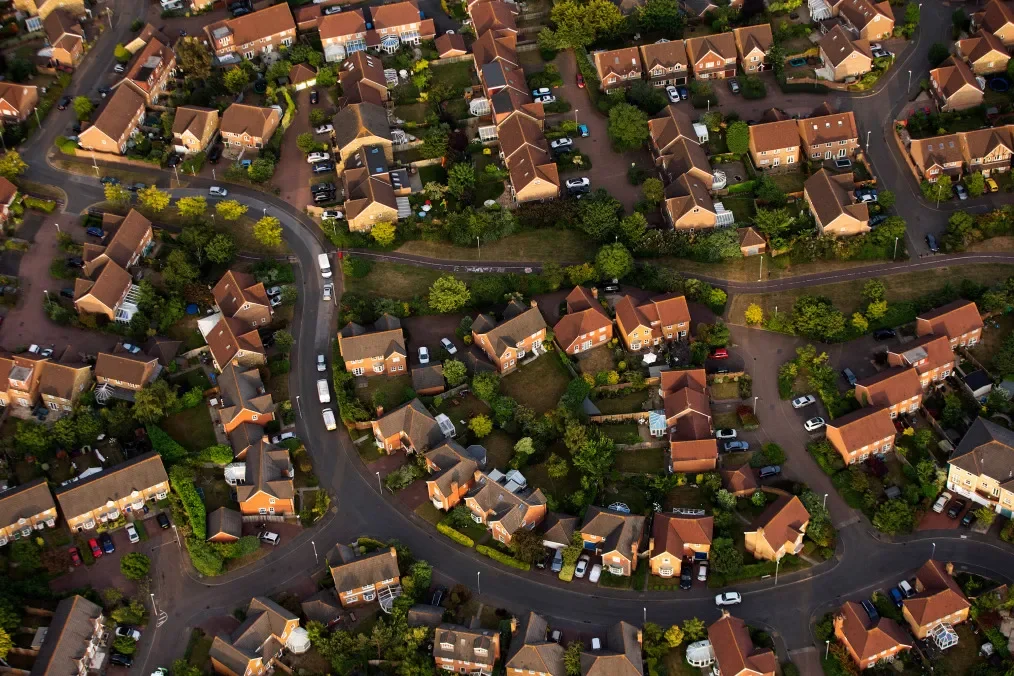
Bingley and Baildon broaden the search for historic homes beyond Bradford's central and southern neighbourhoods. Both are included within Bradford Council's conservation-area framework, with dedicated designations covering historic parts of each location. Bingley's conservation assessment identifies distinct character zones including old Bingley, commercial and civic Victorian and Edwardian development, and residential Victorian Bingley. Baildon also has conservation areas including Baildon Station Road, with Bradford Council maintaining a dedicated appraisal and boundary information.
These locations can therefore suit buyers who want period architecture alongside a more town or village-oriented environment. The housing stock varies, with individual streets offering different combinations of stone terraces, villas, cottages and later homes.Location should be considered particularly carefully. Buyers should assess commuting requirements, schools, parking, access to local facilities and transport before becoming focused on architectural details. A period property in Bingley or Baildon may also have different pricing from a similar-sized home elsewhere in the district. The ONS Bradford average of £183,000 in July 2026 is not a useful substitute for an individual local valuation because it covers the whole district and all housing types.
What Buyers Should Check in a Period Property
A period home's character is only one part of the buying decision. Older buildings can contain materials and construction methods that differ substantially from modern housing, so buyers should arrange an appropriate survey and investigate features that could create future costs. This is especially important if the property has been substantially altered or neglected.
Look closely at the roof, chimney stacks, stonework, pointing, gutters, windows, floors and ceilings. Signs of damp should be investigated rather than covered up with fresh decoration. Check whether the heating system has been upgraded, whether electrics appear modern and whether insulation has been improved.
Planning and conservation restrictions matter as well. Bradford Council explains that conservation areas exist to preserve or enhance areas of special architectural or historic interest, while Article 4 Directions can remove certain permitted development rights.
Period Homes, Prices and the Bradford Property Market
The property market in Bradford includes a broad range of housing types, so period properties cannot be represented by one district-wide average. ONS data shows the average Bradford house price was £183,000 in July 2026, with first-time buyers paying an average of £164,000 and home movers £213,000. These figures are provisional and cover the whole district rather than period homes alone. For buyers, this makes comparable evidence particularly important. A large Victorian villa in Heaton should not necessarily be compared with a modern flat in central Bradford simply because both fall within the same local authority area.
Factors that can influence the price of a period property include location, condition, original features, plot size, parking, extensions, views, conservation status and the quality of renovation. A beautifully maintained home may command a very different price from one requiring a new roof and extensive stonework. Buyers should therefore establish a realistic total budget.
Buying or Selling Period Property in Bradford
For buyers, a clear brief can make the search for a period property much more efficient. Decide whether the priority is an original Victorian terrace, a larger Edwardian home, a stone village property or a converted historic building. Then consider budget, preferred location and the level of restoration involved. Working with an agent familiar with the local market can provide useful information about property history, comparable homes and upcoming listings. Buyers should still arrange independent surveys, conveyancing and appropriate planning advice before completing a purchase.
Sellers have a different set of considerations. When selling property in Bradford, presentation matters, but stripping a period home of its original character is not necessarily the best approach. Original fireplaces, timber doors, cornices, stonework and other features can contribute to the property's appeal when they are properly maintained. Marketing should also describe the property accurately. A seller should avoid exaggerating historical features or implying planning permissions that do not exist. A local estate agent in Bradford can help position a period home against comparable properties and identify likely buyers, while a seller should still establish a realistic asking price based on evidence rather than simply the cost of renovations.
For buyers, the objective is to find the right combination of character and practicality. For sellers, it is to present the property's genuine strengths clearly. In both cases, the historic nature of the building should be reflected in the preparation, marketing and due diligence.
Your ideal period home could be in an area you have not yet considered. Explore Bradford's established neighbourhoods and find character properties that fit your plans with local property expertise. Speak to Armaani Estates today.
FAQs
Which Bradford areas have the most period properties?
Areas with notable historic and conservation designations include Saltaire, Manningham, Little Germany, Heaton Estate, Great Horton, Thornton, Bingley and Baildon. Bradford Council currently lists these areas among the district's conservation areas.
Are period properties expensive in Bradford?
Prices vary considerably by location, size, condition and architectural quality. The ONS reported a district-wide average house price of £183,000 in July 2026, but this figure includes all property types and areas, so it should not be used as a valuation for a particular period home.
Is Saltaire a good place to look for Victorian homes?
Saltaire contains a distinctive collection of historic nineteenth-century housing and has World Heritage Site status. It can be particularly relevant to buyers who want a strong historic setting, although conservation and listed-building controls can affect alterations.
What should I look for when viewing a Victorian house?
Pay close attention to the roof, stonework or brickwork, pointing, windows, damp, floors, ceilings, heating, electrics and drainage. The condition of these elements can have a much greater financial impact than cosmetic decoration.
Can I extend a period property in a conservation area?
Potentially, but additional planning controls may apply. Bradford Council notes that Article 4 Directions can remove certain permitted development rights, while listed buildings require listed building consent for relevant works.
