
Bradford Property Market: City Centre Apartments vs Family Homes

Bradford's property market includes a wide range of homes, from compact city centre apartments to larger terraced, semi-detached and detached houses in established residential areas. These property types can appeal to very different buyers and tenants, meaning that location, property size, purchase price, rental demand and long-term costs all need to be considered together.
Current official figures illustrate the difference between property types across the district. The average Bradford house price was £183,000 in July 2026, while flats and maisonettes averaged £108,000, compared with £154,000 for terraced homes, £204,000 for semi-detached properties and £327,000 for detached homes. These figures are district-wide averages rather than valuations for individual neighbourhoods.
Table of Contents
Understanding Bradford's Two Different Property Markets
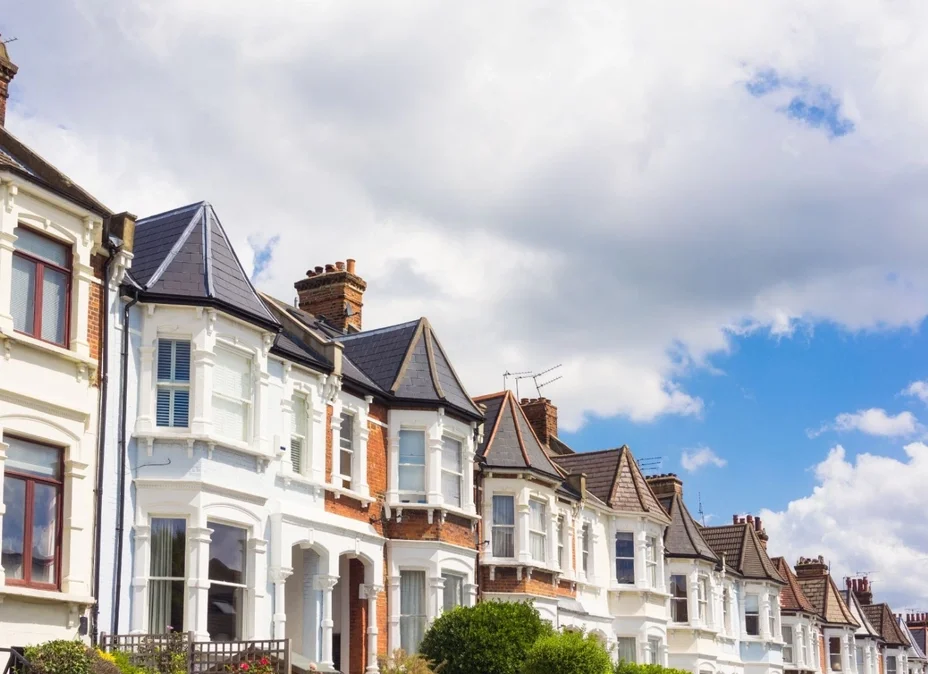
City centre apartments and family homes are often treated as part of the same Bradford property market, but their buyers, tenants and financial considerations can be quite different. Apartments may attract first-time buyers, professionals, students, investors and people looking for lower maintenance accommodation close to employment, transport and city facilities. Family homes are more likely to appeal to households looking for additional bedrooms, gardens, parking and longer-term living space. The difference can also be seen in official price data. In July 2026, flats and maisonettes in Bradford had an average price of £108,000, compared with £204,000 for semi-detached homes. Terraced properties averaged £154,000 and detached homes £327,000. The annual change also differed: average flat prices decreased by 1.2%, while semi-detached prices increased by 3.2% over the year.
City Centre Apartments and Their Main Characteristics
City centre apartments can provide a different ownership proposition from traditional houses. They are often smaller, require less external maintenance and can be located close to shops, restaurants, workplaces, transport connections and other amenities. For some buyers, this combination can make apartment living convenient without the space and maintenance requirements associated with a larger house.
Purchase prices can also be lower than houses. Bradford's July 2026 average for flats and maisonettes was £108,000, although individual apartment prices vary substantially depending on location, size, condition, building quality, tenure and facilities.
Apartments can also appeal to landlords seeking rental accommodation for individuals or couples. Bradford's average flat and maisonette rent was £621 per month in August 2026. This is a district-wide figure and does not represent achievable rent for every apartment.
Buyers should look beyond the headline price. Service charges, ground rent where applicable, lease length, building insurance arrangements, reserve funds and planned major works can materially affect ownership costs. A relatively inexpensive apartment may therefore require more detailed financial due diligence before purchase.
Why Family Homes Attract Different Buyers
Family homes offer characteristics that apartments often cannot provide, including additional bedrooms, private gardens, larger living areas, parking and greater flexibility for changing household needs. These features can make houses attractive to buyers planning to remain in a property for several years rather than treating it primarily as a compact city base. Bradford's official figures show a clear price difference between property categories. In July 2026, the average semi-detached home was £204,000 and the average detached home was £327,000, compared with £108,000 for flats and maisonettes. Terraced properties sat between these categories at £154,000.
Family homes can also have different rental economics. In August 2026, average Bradford rents were £808 for three-bedroom properties and £1,108 for properties with four or more bedrooms. Average rents by property type were £787 for semi-detached homes and £1,052 for detached properties. For landlords, the higher rent associated with larger properties needs to be considered alongside the higher purchase price, maintenance requirements, insurance and potential periods between tenancies.
Rental Demand and Investment Considerations
Investors comparing apartments with family homes need to consider rental demand as well as the purchase price. A property that produces a higher monthly rent is not automatically a better investment because the purchase price, maintenance, insurance, management costs, service charges and periods without tenants all affect the overall calculation.
Bradford's August 2026 rental data show average monthly rents of £621 for flats and maisonettes, £718 for terraced homes, £787 for semi-detached homes and £1,052 for detached homes. By bedroom number, one-bedroom properties averaged £549, two-bedroom homes £675, three-bedroom properties £808 and four or more bedroom homes £1,108. These figures can help investors understand broad market differences, but they should not be used to assume a particular yield. A two-bedroom apartment in one location may perform very differently from a two-bedroom house elsewhere. Landlords should also consider the likely tenant profile. Smaller apartments may appeal to single occupants or couples, while larger houses can attract families. Each group may have different expectations around parking, gardens, schools, transport and local amenities.
Location Can Matter More Than Property Type
Property type is important, but location can substantially influence buyer and tenant demand. Two apartments with similar floor areas may attract different prices because of their buildings, streets, outlook, parking, transport links and proximity to amenities. The same principle applies to family homes. Within Bradford, buyers may consider areas such as Little Germany, City Centre, Great Horton, Manningham, Eccleshill, Idle, Shipley, Saltaire, Bingley and other surrounding communities. Each area has different housing stock and attracts different household types.
City centre accommodation may provide convenient access to employment, shops and transport, while family-oriented locations can offer larger houses, gardens and access to schools and other local facilities. The correct comparison therefore needs to consider what buyers and tenants are actually seeking in that particular location. For people buying a property in Bradford, local comparable sales can provide more useful evidence than relying on the district average. Sellers should similarly consider comparable properties currently competing for buyers rather than setting an asking price solely from an older purchase price or online estimate.
Running Costs and Ongoing Responsibilities
Purchase price is only one part of the cost of owning property. Apartments and houses can have different ongoing expenses that should be assessed before purchase. Apartment owners may need to budget for service charges covering communal areas, cleaning, maintenance, building management or other shared facilities. Depending on the lease and building, there may also be costs associated with major works. Buyers should obtain and review relevant documentation before committing to a purchase.
Family houses generally do not have apartment-style service charges, but owners are responsible for maintaining more of the building and external space themselves. Roofs, gardens, gutters, windows, fences, driveways, boilers and other components can require maintenance over time.
The exact costs vary significantly, so buyers should obtain property-specific information before making financial decisions.
Which Property Type May Suit Landlords?
Landlords need to assess the property according to their target tenants, available capital and management requirements rather than assuming that apartments or houses are universally preferable. A city centre apartment may suit a landlord targeting professionals, couples or other tenants who prioritise location and convenience. The lower purchase price can also make some apartments accessible to investors with a smaller initial budget. However, service charges, lease restrictions and building maintenance arrangements need careful consideration.
Family homes may appeal to tenants looking for longer-term accommodation and additional living space. Larger homes can generate higher monthly rents, but they also tend to require greater capital and may involve higher maintenance costs. Professional services for landlords in Bradford can help with activities such as marketing, tenant management, inspections, maintenance coordination and rent collection, depending on the service selected. Landlords should compare the costs and scope of management before choosing an arrangement. For investors, the relevant question is not simply which property has the highest rent. The wider calculation should include purchase price, financing, expected rental income, operating costs, maintenance, management fees and potential void periods.
Selling Apartments Compared With Family Homes
The selling process can also differ between apartments and houses. Apartment buyers may pay particular attention to lease length, service charges, ground rent arrangements where applicable, building insurance and planned works. These details can influence whether a buyer's mortgage lender is willing to proceed and how attractive the property appears. Family home buyers may focus more heavily on room sizes, garden space, parking, condition, schools, commuting options and neighbourhood characteristics. The priorities can vary considerably between first time buyers, growing families and downsizers.
When selling property in Bradford, accurate information can help prevent avoidable delays. Sellers should ensure that important documentation is available and that the property's marketing information is accurate. Apartment owners should be prepared to provide relevant lease and management information, while house sellers should ensure that title and property details are properly addressed.
An appropriate asking price should be informed by comparable local transactions and the property's condition. Overpricing can reduce initial interest, while underpricing may not reflect the property's characteristics. A professional valuation can provide another source of evidence alongside online market data.
What Buyers Should Check Before Purchasing
The due diligence process should reflect the property type. Apartment buyers should investigate the lease, remaining term, service charges, ground rent provisions where applicable, management arrangements, planned major works and restrictions affecting the property. They should also establish whether there are restrictions relating to subletting, alterations, pets or other uses. Mortgage lenders can have their own requirements concerning leases and buildings, so buyers using finance should discuss relevant issues with their mortgage adviser and solicitor.
Family home buyers need to consider the condition of the building and the cost of future maintenance. Roof condition, damp, windows, heating systems, electrical installations, drainage, boundaries and structural issues can all affect ownership costs. Location-specific matters are equally important. Buyers should investigate transport links, nearby facilities, local development proposals and other factors that could affect how the property suits their plans. The distinction matters when buying a property in Bradford because a low purchase price alone does not reveal the complete ownership picture. A thorough survey and legal checks can identify issues that may not be visible during a standard viewing.
Bradford Market Trends to Watch

Current Bradford market data show that different property types have not moved at the same pace. The average Bradford house price reached £183,000 in July 2026, up 2.5% from July 2025. However, the annual movement differed by property type, with semi detached prices increasing by 3.2% while average flat prices decreased by 1.2%.
Rental growth has also continued, although at different rates across property types. Bradford's average private rent increased from £727 in August 2025 to £745 in August 2026, a 2.4% annual increase. Average rents for semi detached properties increased by 2.7%, while rents for flats and maisonettes increased by 1.9%.
Making the Right Comparison for Your Property Goals
The most useful comparison between apartments and family homes depends on what the property is intended to achieve. A homeowner may prioritise space, lifestyle and future flexibility, while an investor may focus on rental income, operating costs and tenant demand. Someone preparing to sell may instead be concerned with comparable properties, presentation and buyer expectations.
There is no single property format that suits every buyer or landlord. The useful approach is to match the property to the intended purpose, budget and expected ongoing responsibilities.
For those considering selling property in Bradford, the property type should also influence marketing strategy and the comparable properties selected when assessing value.
How Local Property Services Can Help
Buying, selling and letting property involve different processes, and professional assistance can help coordinate some of the practical work. Buyers may need support with property searches and negotiations, sellers may require valuation and marketing assistance, while landlords may need ongoing help with tenant management and maintenance. For landlords, services for landlords in Bradford can include different combinations of tenant finding, referencing, rent collection, inspections, maintenance coordination and full property management. The precise service should be checked before appointment because providers can structure their packages differently.
Those preparing to sell property in Bradford may also benefit from a local assessment of comparable properties, current competition and likely buyer expectations. Good marketing should accurately represent the property rather than relying on generic descriptions. Anyone buying a property in Bradford should still undertake independent legal and financial checks. An estate agent can provide market information, but solicitors, surveyors and mortgage advisers have separate roles in the purchase process. The key is to understand what support is being provided and which responsibilities remain with the buyer, seller or landlord.
Not sure whether a city centre apartment or family home is right for you? Compare location, affordability, demand and long term considerations with trusted local property guidance. Get in touch with Armaani Estates today.
FAQs
Are city centre apartments cheaper than family homes in Bradford?
District-wide ONS figures for July 2026 show an average of £108,000 for flats and maisonettes, compared with £204,000 for semi-detached homes and £327,000 for detached homes. Individual prices vary significantly by location and property characteristics.
Are apartments or houses more expensive to rent in Bradford?
Average rents are generally higher for larger houses. In August 2026, Bradford's average rent was £621 for flats and maisonettes, £787 for semi detached properties and £1,052 for detached properties.
Are Bradford apartments suitable for property investment?
They can be considered as part of an investment strategy, but buyers should assess purchase price, achievable rent, service charges, lease terms, maintenance, financing and potential void periods rather than focusing on rent alone.
What should I check when buying a Bradford apartment?
Important checks can include the lease length, service charges, ground rent provisions where applicable, management arrangements, planned major works, building insurance and any restrictions on use or subletting.
What should families consider when buying a Bradford house?
Families may consider bedroom numbers, garden space, parking, condition, local facilities, transport connections and future space requirements. A survey can also help identify defects that may not be apparent during a viewing.
Is Bradford's property market rising?
The average Bradford house price was £183,000 in July 2026, up 2.5% year on year. However, price movements differed by property type, with flats recording a 1.2% decrease and semi detached properties a 3.2% increase over the same period.
