
Hidden Costs of Buying a House in the UK

Buying a home in the UK is one of the biggest financial commitments most people will ever make. Many buyers focus heavily on saving for a deposit and securing a mortgage, but the actual cost of purchasing a property often goes far beyond the advertised asking price. Hidden expenses can appear at every stage of the process, from legal work and surveys to maintenance, insurance, moving costs, and unexpected repairs after completion.
For first-time buyers especially, these additional expenses can come as a surprise. Even experienced buyers sometimes underestimate how quickly the costs add up. In cities such as Bradford and Leeds, where the property market includes everything from modern apartments to older terraced homes and larger family houses, hidden costs can vary significantly depending on the type and age of the property being purchased.
Table of Contents
Why Hidden Costs Matter in the UK Property Market
The UK property market can appear straightforward on the surface. Buyers find a property, arrange a mortgage, pay a deposit, and move in. In reality, the process involves numerous professional services, government charges, inspections, and ongoing ownership costs that many people fail to budget for properly.
A buyer may save enough for a 10% deposit only to discover they also need thousands of pounds for solicitor fees, surveys, Stamp Duty, removals, and mortgage-related charges. In some cases, buyers are forced to borrow money, delay their purchase, or reduce their budget because these costs were not fully considered at the beginning.
Hidden costs also affect long-term affordability. A house that initially seems affordable may require expensive repairs, higher utility bills, or ongoing maintenance that stretches finances over time. Older properties, while attractive and full of character, often come with additional responsibilities that newer homes may avoid.
Deposit Costs and Mortgage Expenses
The deposit is usually the largest upfront payment when buying a home in the UK. Depending on the lender, buyers typically need between 5% and 20% of the property value. However, many people overlook the additional mortgage-related costs involved in arranging finance.
Mortgage Arrangement Fees
Some lenders charge arrangement fees for setting up a mortgage product. These fees can range from a few hundred pounds to several thousand pounds, depending on the lender and the type of mortgage chosen. Buyers often add these fees to the mortgage balance, but doing so increases the total amount of interest paid over time.
Mortgage Broker Fees
While many mortgage brokers operate on commission from lenders, some charge separate advisory fees. Buyers using specialist brokers for self-employed applications, adverse credit cases, or buy-to-let properties may face additional charges.
Valuation Fees
Lenders usually require a valuation to confirm the property is worth the agreed purchase price. Some mortgage products include free valuations, but others charge buyers separately. A basic valuation only protects the lender and does not provide detailed information about the condition of the property.
Higher Monthly Costs from Interest Rates
Many buyers focus on securing mortgage approval without fully considering how interest rates affect long-term affordability. Even a small difference in rates can add thousands of pounds over the life of the loan. Variable-rate mortgages may also increase unexpectedly if interest rates rise.
Stamp Duty Land Tax
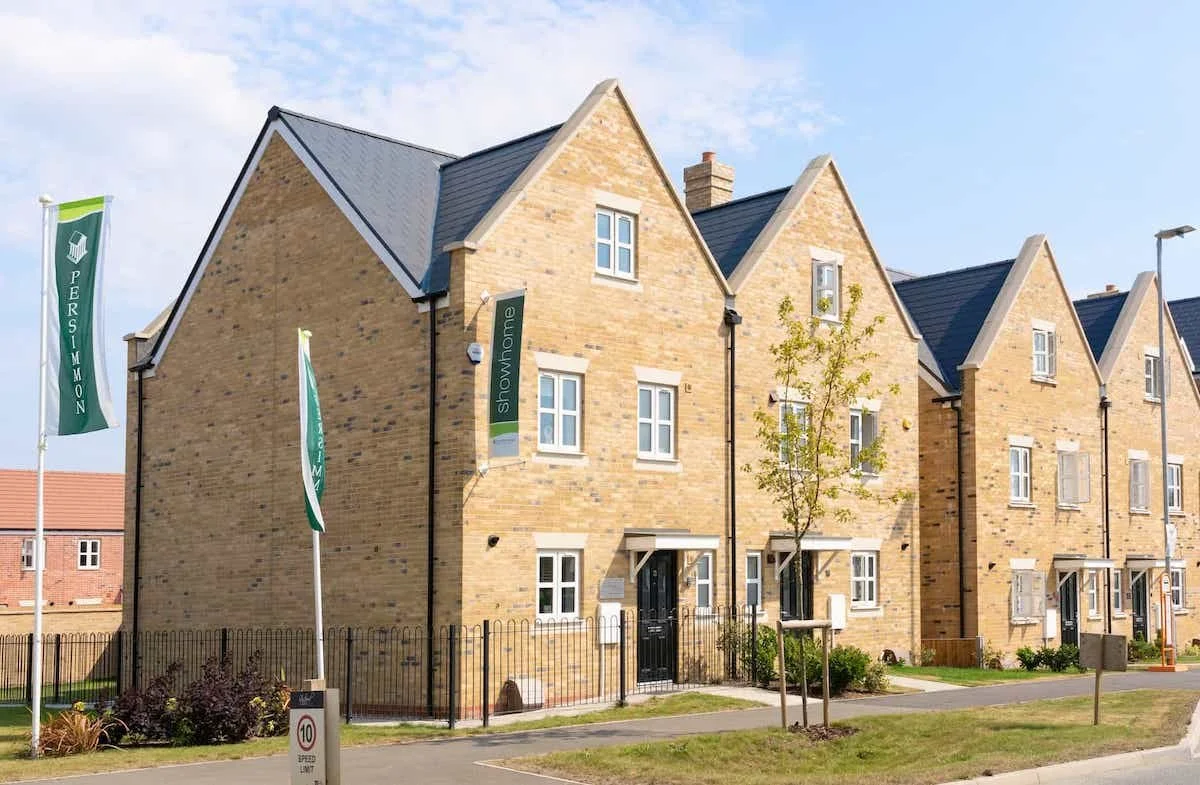
Stamp Duty Land Tax (SDLT) is one of the most significant hidden costs for buyers in England and Northern Ireland. The amount depends on the property price, whether the buyer is a first-time buyer, and whether the property is an additional home or investment purchase.
Many first-time buyers assume they are completely exempt from Stamp Duty, but exemptions only apply within specific price thresholds. Buyers purchasing properties above those thresholds may still need to pay partial tax.
For landlords and second-home buyers, the additional property surcharge can add a substantial amount to overall costs. In competitive markets, these taxes can significantly impact affordability calculations.
Best-Performing Rental Properties in Bradford
Different property types behave differently in terms of demand and rental speed. Flats and marionettes are consistently popular among single tenants and young professionals due to their lower price point. However, they may face more competition in the market.
Terraced houses are among the fastest to rent because they offer a combination of affordability and space. These properties are particularly in central locations. Semi-detached homes attract small families and typically perform well when priced correctly. Detached homes, while offering more space and privacy, cater to a smaller market segment and may take longer to let.
Overall, properties that sit within the mid-range price bracket tend to perform best, as they appeal to the widest audience.
Solicitor and Conveyancing Fees
Legal work is an unavoidable part of buying property in the UK. Conveyancing solicitors handle contracts, searches, title checks, mortgage paperwork, and the transfer of funds.
Basic Conveyancing Charges
Solicitors charge professional fees for their services, which vary depending on property value and transaction complexity. Leasehold properties generally cost more because additional legal work is required.
Property Searches
Searches are another essential expense. These include local authority searches, environmental checks, drainage searches, and other investigations that reveal important information about the property and the surrounding area.
In areas with industrial history, such as parts of Yorkshire, environmental searches may be particularly important due to past mining or industrial activity.
Bank Transfer Fees
Many buyers are surprised by small but unavoidable charges, such as bank transfer fees for sending mortgage funds and deposits. Although these costs appear minor individually, they contribute to the overall expense of buying a property.
Leasehold Costs
Leasehold properties often involve extra legal fees because solicitors must review lease agreements, service charges, management company accounts, and ground rent obligations. Buyers may also need to pay notice fees and deed registration charges after completion.
Property Survey Costs
Surveys are often misunderstood by buyers. Many assume the lender’s valuation is sufficient, but this basic inspection only protects the bank’s interests.
Moving Costs and Relocation Expenses
Moving house is another area where costs rise quickly.
Removal Companies
Professional removal services vary depending on distance, property size, and access conditions. Costs increase further for packing services, furniture dismantling, and temporary storage.
Storage Costs
Delays between exchange and completion sometimes force buyers to store possessions temporarily. Storage units can become expensive if delays continue longer than expected.
Cleaning and Preparation
Many buyers pay for end-of-tenancy cleaning, carpet cleaning, or property preparation before moving. These expenses are rarely included in initial budgets.
Redirecting Mail and Updating Services
Changing addresses across banks, insurance companies, government records, and subscriptions can involve both time and expense. Royal Mail redirection services also add to moving costs.
Furnishing and Decorating a New Home
After purchasing a property, many buyers discover they need to spend far more on furniture and decoration than they expected.
Essential Furniture
Beds, sofas, dining tables, wardrobes, and appliances can cost thousands of pounds, especially for first-time buyers moving from rented accommodation or furnished properties.
Appliances
White goods such as washing machines, refrigerators, cookers, and dishwashers may not be included in the sale. Replacing multiple appliances simultaneously can significantly affect finances.
Decorating Costs
Fresh paint, flooring, curtains, lighting, and small cosmetic upgrades quickly add up. Even modest decorating projects often exceed initial expectations.
Garden and Outdoor Expenses
Gardens are frequently overlooked in budgeting discussions. Lawnmowers, fencing repairs, patio maintenance, and landscaping can become ongoing financial commitments.
Repairs and Maintenance Costs
Owning a property means becoming fully responsible for repairs and upkeep.
Boiler Repairs and Heating Systems
Boiler replacement is one of the most expensive household repairs in the UK. Older systems may fail shortly after purchase, leaving homeowners with unexpected bills.
Roofing Problems
Roof repairs can range from minor fixes to full replacements costing several thousand pounds. Buyers of older terraced or semi-detached homes should pay close attention to the roofing condition during surveys.
Damp and Structural Issues
Damp treatment, structural reinforcement, and drainage repairs are among the most financially draining issues homeowners face. Problems may not become visible until after moving in.
Electrical and Plumbing Upgrades
Outdated wiring or plumbing systems may require modernisation to meet current safety standards. Rewiring an entire property is particularly expensive and disruptive.
Leasehold and Service Charges
Buyers purchasing flats or leasehold properties often face ongoing costs beyond their mortgage repayments.
Service Charges
Management companies charge residents for maintaining communal areas, lifts, gardens, and building insurance. Charges vary widely depending on property type and facilities.
Ground Rent
Some leasehold agreements include annual ground rent payments. Although reforms have reduced ground rent issues in newer leases, many older agreements still contain costly terms.
Major Works Contributions
Flat owners may be required to contribute towards major building works such as roof replacement, cladding repairs, or structural maintenance. These bills can reach thousands of pounds with limited notice.
Insurance Costs
Insurance is another commonly underestimated expense.
Buildings Insurance
Mortgage lenders require buildings insurance before completion. Premiums depend on property size, location, flood risk, and rebuilding cost.
Contents Insurance
Protecting furniture, electronics, and personal belongings adds further monthly expense.
Life and Income Protection Insurance
Many homeowners choose additional financial protection policies to cover mortgage repayments in case of illness, unemployment, or death.
Conclusion
Buying a house in the UK involves far more than simply paying a deposit and securing a mortgage. Hidden costs appear throughout every stage of the process, from legal fees and surveys to moving expenses, repairs, insurance, and long-term maintenance.
For many buyers, especially first-time purchasers, these additional expenses can place significant pressure on finances if they are not planned properly. Older properties may require expensive repairs, while newer homes can include management fees and upgrade costs that are not immediately obvious.
Understanding the full financial picture allows buyers to budget more accurately and avoid unpleasant surprises after completion. Whether purchasing a city apartment, a family home, or an investment property, careful preparation is essential for long-term financial stability and successful home ownership.
Looking to understand Bradford rent trends and your rights in 2026? Contact Armaani Estates today.
FAQs
What are the main hidden costs when buying a house in the UK?
The most common hidden costs include Stamp Duty, solicitor fees, surveys, mortgage arrangement fees, removals, insurance, repairs, and ongoing maintenance expenses.
How much should I budget on top of my deposit?
Many buyers budget an additional 5% to 10% of the property price to cover taxes, legal fees, surveys, moving costs, and initial repairs or furnishings.
Is a property survey necessary?
A survey is highly recommended because it can reveal structural issues, damp, roofing problems, or other defects that may not be visible during viewings.
Do first-time buyers pay Stamp Duty?
Some first-time buyers qualify for Stamp Duty relief depending on the property price and government thresholds in place at the time of purchase.
Are leasehold properties more expensive to own?
Leasehold homes often involve service charges, ground rent, and additional legal fees, making them potentially more expensive than freehold properties over time.
What ongoing costs should homeowners expect?
Homeowners should expect utility bills, Council Tax, insurance, maintenance, repairs, and potential renovation costs throughout ownership.
Why do renovation costs often exceed budgets?
Unexpected structural issues, rising material prices, labour costs, and delays commonly increase renovation expenses beyond initial estimates.
