
How Flood Risk Can Affect UK Property Purchases
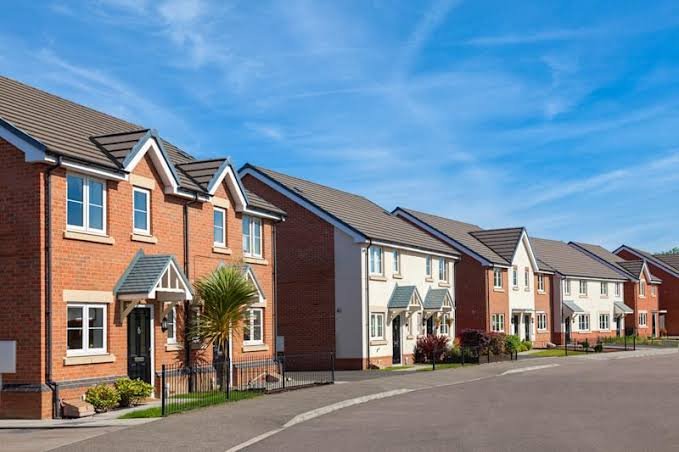
Flood risk is an important consideration when buying a home, but it is often checked too late in the purchasing process. Buyers may concentrate on the asking price, mortgage payment, condition and location while overlooking whether the property has been affected by flooding before or sits within an area exposed to future flood risk. This can matter because flooding is not simply an environmental concern. It can influence insurance availability, mortgage arrangements, property value, repair costs and how easy the home may be to sell later.
Flooding can come from several sources, including rivers, the sea, surface water and groundwater. Surface water flooding is particularly important because it can occur away from obvious rivers or coastlines when heavy rainfall overwhelms drainage systems.
Table of Contents
Why Flood Risk Matters When Buying a Property

Flood risk can affect a property purchase in several different ways, and the impact is not always obvious from the street or during a viewing. A house may have never flooded despite being located within a mapped risk area, while another property outside a high-risk river zone may have experienced surface water flooding during exceptionally heavy rainfall. This is why buyers should avoid relying on one map, one viewing or a seller's description alone. The financial implications can be significant. Flood damage may affect flooring, walls, electrical systems, kitchens, heating equipment, gardens and external structures. Repeated flooding can also mean higher maintenance expenses and potentially more difficulty obtaining affordable insurance.
Different Types of Flood Risk to Consider
Flooding is not limited to properties located beside major rivers. Understanding the source of the risk can help buyers investigate the right information and ask more useful questions. River flooding occurs when waterways exceed their normal capacity, while coastal flooding can result from high tides, storms and sea conditions. Surface water flooding can occur when intense rainfall overwhelms drains, roads and other drainage routes.
Groundwater flooding can present another challenge, particularly where water rises through the ground following prolonged periods of rainfall. Sewer flooding can also affect properties when drainage systems become overwhelmed or fail. These different sources can mean that two homes within the same neighbourhood have very different levels of exposure.
The Environment Agency's surface water guidance emphasises that flooding from intense rainfall can occur many miles away from a river and in places where residents might not expect it. It also states that financial institutions, including insurers and banks, may use flood mapping alongside their own data when making decisions.
A buyer should consider all relevant sources rather than assuming that a property is safe because there is no river nearby.
How Flood Maps Help Buyers
Flood maps are a useful starting point, but they should not be treated as a definitive prediction of what will happen to an individual home. In England, GOV.UK provides flood-risk services covering different sources of flooding, while separate systems apply in Scotland, Wales and Northern Ireland. The Environment Agency also provides a dedicated service for requesting information about flood history around an address or postcode in England. Some buyers become concerned when they see a property inside a mapped flood area, but mapped risk does not necessarily mean the building itself will flood. Maps can describe the wider area and are based on modelling and available information. The design and elevation of the individual property, local drainage, flood defences and actual flood history can all change the practical risk.
The Environment Agency explains that surface water flood maps are useful to institutions such as banks and insurers, but they should be considered alongside other independently produced information. For buyers, the best approach is to use maps as a trigger for further investigation rather than as a final verdict.
When checking property in Bradford, Leeds or another UK location, buyers should record the property's exact address rather than judging flood exposure only from the wider postcode. Nearby streets may have different ground levels, drainage patterns and water flow routes.
What Flood Zones Mean for Property Buyers
Flood zones are particularly relevant in England when assessing development and planning matters. The Environment Agency's current guidance identifies Flood Zones 1, 2, 3 and 3b and explains when flood risk assessments may be required for proposed development. Flood Zone 1 generally represents a lower probability of flooding from rivers and the sea, while Zones 2 and 3 represent progressively greater levels of risk. However, buyers should be careful not to interpret a zone classification as a guarantee that a particular property will or will not flood. Surface water, groundwater and drainage issues can require separate consideration.
The terminology is also more relevant to planning than to a simple homeowner's risk assessment. A property purchaser needs to understand what the mapped risk means for insurance, mortgage lending, resale and the practical condition of the home. For example, a home within an area subject to flood planning controls may still be perfectly liveable and insurable. Conversely, a property that appears outside a river flood zone could experience surface water problems during intense rainfall.
Buyers should therefore ask their conveyancer whether any specialist environmental or flood searches are appropriate. GOV.UK specifically states that a legal representative can advise on additional searches, including flood risk and mining reports. This distinction is important because planning risk, historical flooding and insurance risk are related but not identical issues.
Flood Insurance and the Cost of Buying
Insurance can be one of the clearest practical indicators of how flood risk could affect a purchase. MoneyHelper explains that flood cover is normally included within buildings insurance, while contents cover protects possessions inside the property. It also notes that some homeowners in high-risk areas may receive expensive quotes or struggle to obtain insurance.
For a buyer with a mortgage, this can become particularly important because lenders normally require buildings insurance. MoneyHelper confirms that mortgage companies will usually insist on buildings insurance protecting the home against risks such as flooding.
Before committing to a property, obtain an insurance quotation using the exact address. Do not assume that a similar house nearby will receive the same premium because insurers can assess individual risks differently.
Ask about:
Buildings insurance availability
Flood excess
Previous flood claims
Contents cover
Alternative accommodation
Protection for external structures
Any exclusions or special conditions
Flood Re may help eligible homeowners obtain more affordable cover. Its current eligibility criteria include requirements such as domestic Council Tax classification, residential use, individual insurance and a qualifying property built before 1 January 2009. Certain properties, including some buy-to-let and commercial arrangements, do not qualify.
This makes insurance checking essential before exchanging contracts rather than treating it as an administrative step at the end.
How Flood Risk Can Affect a Mortgage
A flood-risk property is not automatically impossible to mortgage. However, lenders need confidence that the property provides suitable security and can be insured. If flooding presents a significant risk to the property or creates problems obtaining appropriate buildings insurance, the mortgage assessment may become more complicated. The FCA stated in August 2026 that physical climate risks can affect property values and insurance and, in some circumstances, make lenders less willing to lend against properties in higher-risk areas where insurance is unavailable or unaffordable.
A lender will usually arrange a mortgage valuation before approving the mortgage. GOV.UK explains that this valuation determines whether the lender is willing to lend against the property and is not the same as a detailed survey. This creates several possible outcomes. A lender may be comfortable with the property, request further information, take the insurance position into account or determine that it does not meet its lending criteria. Different lenders can have different policies, so a problem with one provider does not necessarily mean the purchase cannot be financed elsewhere.
For this reason, buyers should tell their mortgage adviser about known flood issues at an early stage.
Why Previous Flooding History Matters
A property that has previously flooded deserves closer investigation even if there is no current sign of damage. Historical flooding can provide important information about how the property and surrounding area have performed during severe weather. It can also affect insurance and future buyers' willingness to purchase the home.
The Environment Agency allows people in England to request available flood history for an address or surrounding area. However, it warns that records are not available for every location, so the absence of a record should not automatically be interpreted as proof that flooding has never occurred.
Buyers should ask the seller direct questions about previous flooding and request details where available. Useful information includes:
A seller may disclose known information, but buyers should also rely on professional searches and independent evidence. GOV.UK recommends using conveyancing searches and obtaining specialist searches where concerns exist.
Historical flooding does not by itself determine whether buying the property is appropriate. The more useful question is what caused it, how often it happened, how severe it was and what has changed since.
What a Property Viewing Can Reveal
Flood risk should be investigated through formal searches, but a viewing can provide useful clues. Look closely at the property's relationship with surrounding ground levels. Is the front garden noticeably lower than the road? Does rainwater appear likely to collect near doors? Are there drainage channels, raised thresholds, flood barriers or other measures that suggest previous concerns?
Pay attention to damp staining, recently replaced lower-level plaster, unusual flooring and signs of repair around doors or external walls. These observations do not prove flooding, because similar features may have entirely different causes. They should instead prompt sensible questions.
The condition of the surrounding street matters too. Sloping roads, low-lying gardens, blocked gullies or poor drainage can increase the amount of water moving toward a property during heavy rainfall.
A viewing at a different time can also be useful. During or after wet weather, buyers may notice standing water that would not be visible on a dry day. However, safety should always take priority and buyers should never enter floodwater or approach dangerous conditions simply to investigate a property.
An estate agent Bradford buyers use can provide available information about the property, but buyers should not expect a viewing to replace a survey or specialist flood assessment.
The same principle applies when searching “estate agent near me” or comparing estate agents in Bradford. Local knowledge can be helpful, but formal evidence should support important decisions about flood exposure.
Flood Defences Do Not Remove Every Risk
Flood defences can reduce risk, but buyers should not assume that the presence of a defence means a property can never flood. Defences can have design limits, and flood risk can come from multiple sources. A property protected from a nearby river may still experience surface water flooding following intense rainfall. The Environment Agency's planning guidance requires flood risk assessments to take account of relevant flood information in certain circumstances. Its flood services also emphasise that risk information has limitations and should be used appropriately.
When a property is close to flood defences, buyers can investigate who operates and maintains them and whether there are known improvement or maintenance plans. Information about the wider drainage system may also be relevant. The key point is that a defence is one part of a wider risk picture.
For example, a property may benefit from a nearby flood wall but still sit at a lower level than the surrounding road. During intense rainfall, surface water may travel along roads and enter through doors, garages or drainage systems without any river overflowing.
Buyers should therefore consider the following combination rather than relying on one feature:
Property elevation + flood source + drainage + defences + flood history + insurance + building condition.
This provides a much more realistic picture of the property's circumstances than simply asking whether the address is “in a flood zone”.
Flood Resilience and Future Repair Costs
Some properties have been adapted to reduce the damage caused by flooding. Measures can include flood-resistant flooring, raised electrical sockets, water-resistant wall finishes, flood doors, airbrick covers and improved drainage. More extensive property flood resilience measures may also be possible depending on the building and risk. Buyers should ask whether such work has been carried out and whether there is documentation showing what was installed and why. A flood-resistant feature is more useful when its installation and suitability can be established rather than simply assumed. GOV.UK explains that homeowners can use a Flood Risk Report to provide information to insurers or buyers about work carried out to reduce flood risk. It also notes that insurers participating in the Build Back Better initiative may contribute up to £10,000 towards measures that improve future flood resilience when repairing flood damage after a claim.
The cost of maintaining a flood-risk property should also be considered alongside the purchase price. Potential expenses may include insurance, higher excesses, drainage improvements, flood doors, repairs and future resilience work. A property that appears cheaper than comparable homes may therefore have a different total cost of ownership. This does not automatically make it unsuitable, but the buyer should understand the likely financial commitments.
The Searches Buyers Should Make Before Exchange
Flood risk should be investigated before contracts are exchanged, because an accepted offer is not the same as a legally binding purchase in England and Wales. GOV.UK government explains that conveyancers arrange searches and can recommend specialist reports such as flood risk searches where appropriate.
A buyer should consider combining several information sources rather than depending on one report.
In England, the Environment Agency can provide available flood history for a property or postcode, although it states that its records do not cover every area.
Buyers in Scotland, Wales and Northern Ireland should use the relevant national flood-risk information and legal processes because flood mapping and property systems differ between jurisdictions.
The solicitor or conveyancer should also be told about any concerns identified during the viewing. This allows the legal team to consider whether additional searches or enquiries are appropriate.
For anyone buying a home through an estate agent in the UK, early investigation can be particularly valuable. It allows buyers to understand the issue before substantial non-refundable costs have accumulated.
How Buyers Can Assess a Flood-Risk Property
A flood-risk property should be assessed on evidence rather than assumptions. The right questions are not simply “Is this property in a flood zone?” or “Has the street ever flooded?” Instead, buyers should build a complete picture of the property's risk, past experience, insurance position, physical characteristics and likely future costs.A lower asking price should not automatically be treated as compensation for flood exposure. Equally, a property with a mapped risk should not automatically be dismissed. The actual circumstances can vary significantly from one address to another.
Buyers should also remember that flood information changes as modelling, development and climate conditions change. The FCA's 2026 work on climate adaptation highlights the growing relevance of physical climate risks to property insurance and mortgage markets. For buyers comparing property prices in Bradford, Leeds or other UK markets, flood risk should therefore sit alongside affordability, condition, location and resale considerations.
FAQs
Will banks refuse a mortgage on a flood-risk property?
Not necessarily. Mortgage lending decisions depend on the individual property, lender criteria, valuation and insurance position. The FCA has recognised that physical risks such as flooding can affect insurance, property values and mortgage availability, particularly where suitable insurance is difficult or expensive to obtain.
Does being in Flood Zone 3 mean a house will flood?
No. A flood-zone classification indicates mapped risk rather than guaranteeing that an individual building will flood. Property elevation, flood defences, drainage, flood source and actual flood history can all affect the practical risk.
How can I check whether a property has flooded before?
In England, you can request available flood-history information from the Environment Agency using the property's address or postcode. However, the Environment Agency states that it does not hold flood records for every location.
Will flood risk increase my home insurance premium?
It can. MoneyHelper states that people in high-risk areas may receive expensive insurance quotes or struggle to obtain cover. The actual premium depends on the individual property and insurer's assessment.
Do new-build properties qualify for Flood Re?
Generally, homes built from 1 January 2009 onwards do not qualify for Flood Re under its current eligibility requirements. Buyers should therefore check the property's exact circumstances and obtain insurance quotations rather than assuming that the scheme will apply.
Can flood history affect a property's value?
It can influence marketability, insurance costs and buyer demand, although the effect varies between properties. The FCA identifies physical climate risks as capable of affecting property values and mortgage markets.
What should I ask the estate agent about flood risk?
Ask whether the seller has disclosed previous flooding, whether repairs have been completed, whether flood resilience measures were installed and whether any relevant reports or documentation are available. You should then verify important information through your conveyancer, surveyor, insurer and other appropriate professionals.
Can surface water flooding happen if a property is far from a river?
Yes. The Environment Agency explains that surface water flooding can occur many miles from a river when heavy rainfall overwhelms drainage systems.
