
How Location Impacts Property Value in the UK
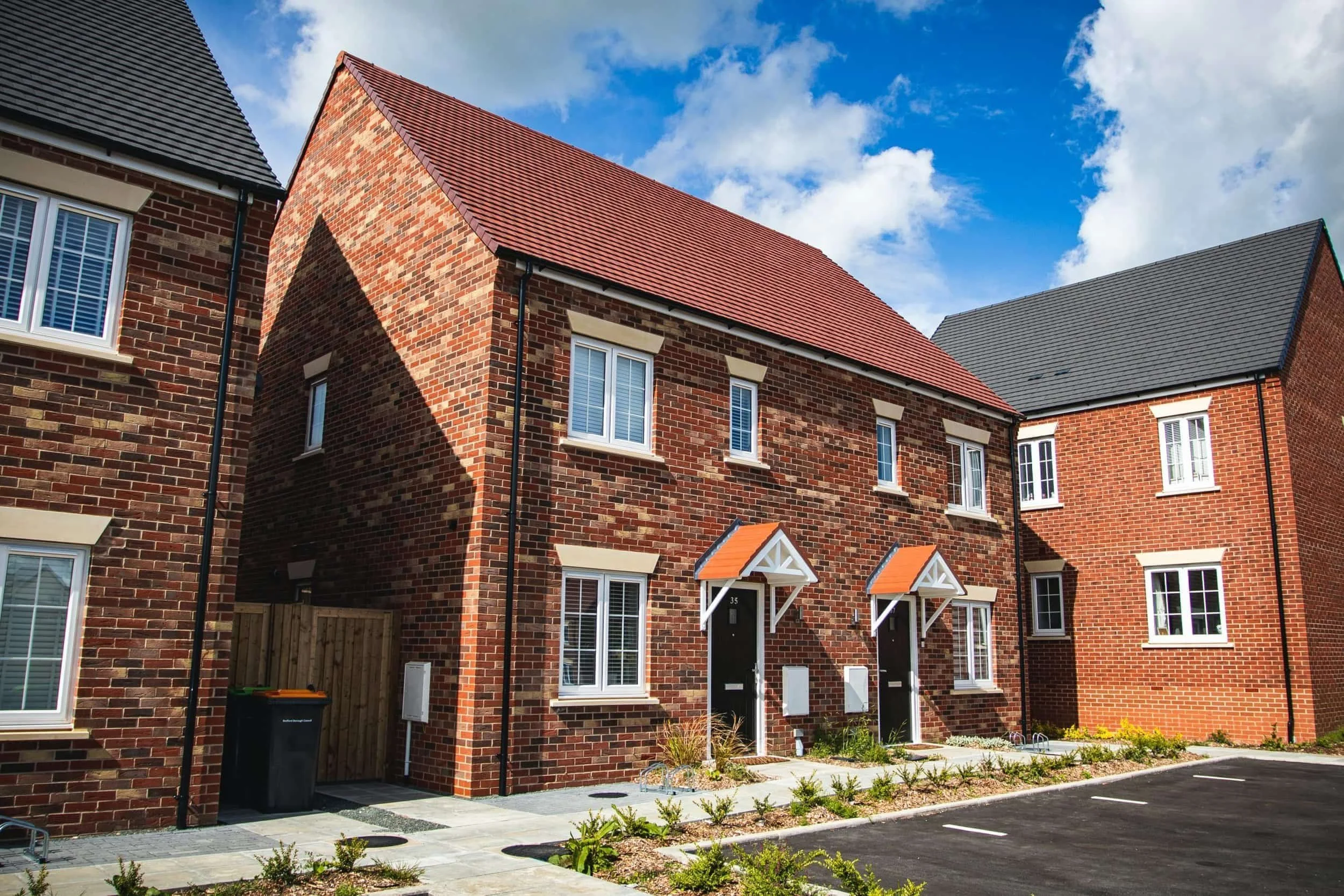
The phrase “location, location, location” has remained one of the most repeated expressions in the UK property market for decades, and for good reason. No matter how modern, spacious, or visually attractive a property may be, its location will almost always play the biggest role in determining its value. Buyers carefully assess where a property is situated before considering almost every other factor, because location directly affects convenience, lifestyle, investment potential, and future resale opportunities.
Across the UK, property prices can vary dramatically even within short distances. Two nearly identical houses may differ significantly in value simply because one sits closer to a train station, better schools, green spaces, or thriving town centres. In cities such as Bradford, Leeds, Manchester, Birmingham, and London, local demand patterns can shift rapidly depending on transport upgrades, regeneration projects, and economic growth.
Location influences not only current market value but also long-term appreciation potential. Buyers and investors alike often view property as a long-term financial commitment, making neighbourhood quality and future development prospects extremely important considerations. As lifestyles continue evolving and hybrid working becomes more common, buyer priorities regarding location are also changing across many parts of the UK.
Table of Contents
Transport Links and Connectivity
One of the strongest influences on UK property value is access to transport networks. Buyers consistently place high importance on convenience when travelling to work, schools, shopping centres, or major cities. Properties with strong transport connections generally attract greater demand and often achieve higher selling prices.
Rail Connections and Commuter Demand
Rail connectivity plays a particularly important role in many parts of the UK. Homes located near train stations with direct services to employment hubs often command premium prices. This is especially noticeable in commuter regions surrounding London, Manchester, Birmingham, and Leeds.
Even with the rise of remote and hybrid working, transport access remains extremely important. Many professionals now commute fewer days per week, but they still value efficient travel options when required. Areas with fast rail services often remain highly desirable because they allow buyers to balance city employment opportunities with suburban or regional living.
Properties within walking distance of stations frequently experience stronger buyer demand because convenience can significantly improve daily routines. However, excessive noise and congestion directly beside busy stations can sometimes reduce appeal, meaning balance is important.
Road Networks and Motorway Access
Motorway connections also influence property values strongly. Buyers who rely on cars for commuting or business often prioritise properties with quick access to major roads such as the M1, M62, M25, or M6.
Well-connected suburban areas often benefit from this demand because they offer easier regional travel while still maintaining residential appeal. Business growth near motorway corridors can also increase local employment opportunities, further strengthening housing demand.
In some rural or isolated areas, poor transport infrastructure may limit buyer interest despite attractive scenery or larger properties. Limited public transport can especially discourage younger buyers or households seeking flexibility.
School Catchment Areas and Education Standards
School quality has a major influence on residential property prices throughout the UK. Many buyers with children are willing to pay significantly more to secure homes within desirable school catchment areas.
High-performing schools often create intense demand for nearby properties because parents prioritise educational opportunities and long-term family stability. In many towns and cities, homes located within the catchment boundaries of highly rated schools can achieve noticeable price premiums compared to similar homes outside those boundaries.
Even buyers without children recognise the long-term value associated with strong schools. Properties near respected schools often maintain stronger resale demand because family buyers consistently remain active within those areas.
Competition Around Outstanding Schools
Properties near schools rated highly by Ofsted frequently experience increased competition. Limited housing supply within these catchment zones can further intensify pricing pressure.
Some buyers even compromise on property size, style, or renovation requirements simply to secure a preferred educational location. This demonstrates how strongly location-related factors can outweigh physical property characteristics.
The relationship between education and property value is particularly visible in suburban family-oriented areas where long-term stability and community infrastructure are highly valued.
Local Amenities and Lifestyle Appeal
Modern buyers increasingly consider lifestyle convenience when assessing property locations. Access to amenities can significantly affect both desirability and market value.
Supermarkets, healthcare facilities, restaurants, cafés, gyms, shopping centres, parks, and entertainment venues all contribute to neighbourhood attractiveness. Areas where residents can easily access daily essentials without relying entirely on vehicles often attract stronger interest.
Walkability has become especially important among younger professionals and downsizers who prioritise convenience and quality of life. Neighbourhoods with attractive high streets, independent businesses, and leisure facilities frequently maintain stronger housing demand.
Green Spaces and Outdoor Living
Parks and green spaces have become increasingly valuable in recent years. Buyers now place greater emphasis on outdoor access, particularly following lifestyle changes associated with remote working and wellbeing awareness.
Homes near parks, walking trails, riversides, or countryside locations often attract buyers seeking healthier lifestyles and quieter surroundings. In densely populated urban environments, nearby green spaces can significantly enhance property appeal.
The table below highlights how different local features can influence buyer demand and property values across the UK.
Regeneration and Economic Development
Regeneration projects can dramatically change local property markets over time. Government investment, infrastructure improvements, business growth, and urban redevelopment often increase buyer confidence and property demand.
Cities across northern England have experienced substantial regeneration in recent years. Areas of Bradford, Leeds, Manchester, and Liverpool have benefited from investment in transport, commercial development, residential construction, and public spaces.
Employment Opportunities Drive Demand
Local economies strongly influence housing markets. Areas with growing employment opportunities often experience rising property demand because people prefer living close to work and business centres.
Technology hubs, financial districts, universities, and manufacturing developments can all increase housing demand within surrounding areas. Strong employment markets also tend to support rental demand, making locations attractive for investors as well as owner-occupiers.
Regeneration often improves not only physical infrastructure but also public perception. Areas previously considered less desirable can experience substantial increases in value when investment changes buyer confidence.
Future Infrastructure Projects
Planned infrastructure projects can also influence property values long before completion. Buyers and investors often monitor proposed transport upgrades, business developments, and regeneration schemes when assessing future growth potential.
However, not all developments guarantee positive outcomes immediately. Construction disruption, uncertainty, or delayed projects may temporarily affect buyer confidence in some cases.
Crime Rates, Safety, and Neighbourhood Reputation
Perceived safety remains a major factor influencing property value throughout the UK. Buyers generally seek areas where they feel secure, particularly families and older homeowners.
Neighbourhood reputation can strongly affect both buyer demand and long-term investment potential. Areas associated with lower crime rates, cleaner streets, and stronger community environments often attract higher prices.
Community Atmosphere
Beyond statistics alone, buyers increasingly assess overall neighbourhood atmosphere. Friendly communities, local events, independent businesses, and well-maintained public spaces all contribute positively to buyer perception.
A strong sense of community can increase emotional attachment to an area, particularly for long-term homeowners seeking stability and quality of life. Buyers often value locations where neighbours appear engaged and the environment feels welcoming.
Negative perceptions, even if outdated, can sometimes affect local property markets for years. As a result, regeneration and reputation improvement may take time to influence pricing fully.
Rural, Suburban, and Urban Property Differences
Location impacts property value differently depending on whether a property sits within urban, suburban, or rural settings.
Urban areas generally command higher prices due to employment access, entertainment, transport links, and convenience. City-centre apartments and properties near business districts often appeal to professionals and investors.
Suburban locations remain highly popular among families because they usually offer larger homes, quieter environments, schools, and outdoor space while still maintaining reasonable transport connections.
The Changing Appeal of Rural Living
Rural property markets have gained increased attention as remote and hybrid working has expanded. Many buyers now prioritise larger homes, countryside views, and peaceful environments over daily city commuting.
However, rural properties may also face challenges, including weaker transport links, limited amenities, and slower internet infrastructure in some areas. Buyers carefully balance lifestyle benefits against practical considerations.
Coastal towns and countryside villages can experience strong demand depending on tourism, retirement appeal, and remote working trends. In some cases, demand from second-home buyers may also influence local prices significantly.
The Impact of Future Market Trends
Buyer priorities continue evolving, meaning the relationship between location and property value also changes over time. Energy efficiency, environmental concerns, technology infrastructure, and flexible living arrangements now influence location desirability more than ever before.
Hybrid Working and Flexible Living
The rise of hybrid working has reshaped location preferences across the UK property market. Some buyers now feel less dependent on living close to city centres because they commute fewer days each week.
This shift has increased demand for suburban and regional locations offering larger homes, outdoor space, and improved affordability. Areas previously considered too far for daily commuting may now appear far more attractive.
At the same time, city centres continue attracting professionals who value convenience, nightlife, culture, and employment access.
Environmental Risks and Climate Considerations
Flood risks and environmental concerns increasingly influence property decisions. Buyers now pay greater attention to flood zones, coastal erosion risks, and environmental search results during transactions.
Properties in high-risk flood areas may experience reduced demand or higher insurance costs, which can affect overall value. Environmental awareness is likely to continue influencing future buyer behaviour.
Conclusion

Location remains one of the most powerful influences on property value within the UK housing market. Transport links, school quality, local amenities, economic growth, safety, lifestyle appeal, and future development potential all shape how buyers assess a property’s desirability and long-term value.
While interior presentation and property condition certainly matter, location often outweighs almost every other factor because it directly affects daily life, convenience, and investment potential. Buyers increasingly look beyond the property itself and focus on how an area supports their lifestyle, work arrangements, family needs, and future financial security.
As the UK property market continues evolving, location preferences may continue shifting alongside broader economic, technological, and lifestyle changes. However, the importance of strong connectivity, community quality, and long-term growth potential is likely to remain central to buyer decision-making for many years ahead.
Need insight into how location affects your home’s value? Contact Armaani Estates now.
FAQs
Why does location affect property value so much in the UK?
Location influences transport access, schools, safety, lifestyle convenience, and future investment potential, all of which strongly affect buyer demand and property prices.
Do houses near train stations increase in value?
Yes. Properties with strong rail connections often attract higher demand, especially in commuter areas with direct access to major cities.
How do schools impact property prices?
Homes within desirable school catchment areas often achieve higher prices because many families prioritise access to strong educational facilities.
Can regeneration increase property value?
Yes. Regeneration projects can improve infrastructure, employment opportunities, public spaces, and buyer confidence, often increasing local property demand over time.
Are rural properties increasing in popularity?
In many areas, yes. Hybrid working and lifestyle changes have increased interest in countryside and suburban locations offering more space and quieter surroundings.
Does the crime rate affect house prices?
Yes. Areas perceived as safer generally attract stronger buyer demand and often maintain higher property values.
Do local amenities influence buyer demand?
Absolutely. Access to shops, parks, healthcare, restaurants, and leisure facilities can significantly improve a location’s attractiveness.
