
How Street Appeal Influences Property Prices
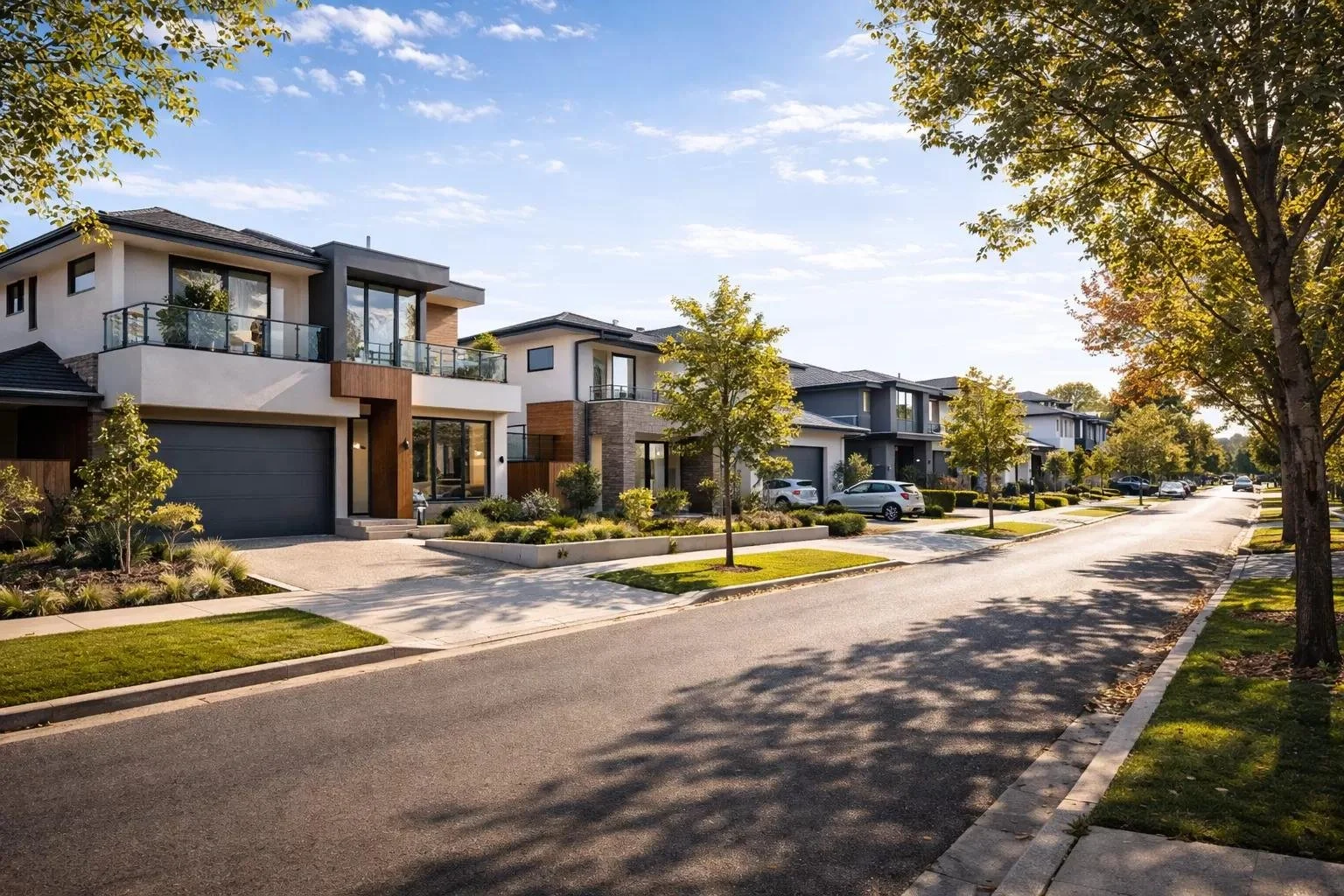
Street appeal, often referred to as curb appeal in real estate, is one of the most influential factors in determining how a property is perceived and ultimately priced in the market. It represents the overall attractiveness of a property’s exterior, including its design, landscaping, cleanliness, and surrounding environment. In today’s competitive housing market, buyers frequently make quick judgments based on what they see from the outside, which means the first impression can significantly impact their level of interest and willingness to pay. A visually appealing property tends to stand out, attract more potential buyers, and often command a higher price compared to similar homes with less appealing exteriors.
From a broader perspective, street appeal is not just about aesthetics but also about perceived value, maintenance standards, and lifestyle expectations. A well-presented exterior signals that the property has been cared for, reducing buyer concerns about hidden issues. It also creates an emotional connection that can influence decision-making. As a result, homeowners and sellers who invest in improving their property’s exterior often see a direct impact on both buyer demand and final sale price, making street appeal a critical component of successful property marketing strategies.
Table of Contents
First Impressions and Buyer Psychology
Street appeal extends beyond the boundaries of the property itself, as the surrounding neighborhood plays a crucial role in influencing property prices and buyer perceptions. When evaluating a home, buyers often take into account factors such as the cleanliness of the streets, quality of infrastructure, availability of parking, and the overall visual harmony of the area. A well-maintained neighborhood with attractive surroundings, organized layouts, and accessible amenities can significantly enhance the desirability of a property. These external factors contribute to the first impression and can strongly impact a buyer’s decision-making process even before they step inside the home.
Properties located in visually appealing and well-kept neighborhoods typically command higher prices due to stronger demand and a more positive overall perception. Features such as tree-lined streets, clean and safe public spaces, well-maintained sidewalks, and proximity to parks, schools, and local facilities all add to the area’s attractiveness. In contrast, properties situated in poorly maintained or neglected neighborhoods may struggle to attract interest, regardless of their internal quality or features. Buyers may associate such areas with additional concerns, including safety, upkeep costs, or limited future growth. This highlights the importance of considering both the property and its wider environment when assessing street appeal, as the surrounding context can significantly influence both value and marketability.
Exterior Design and Architectural Style
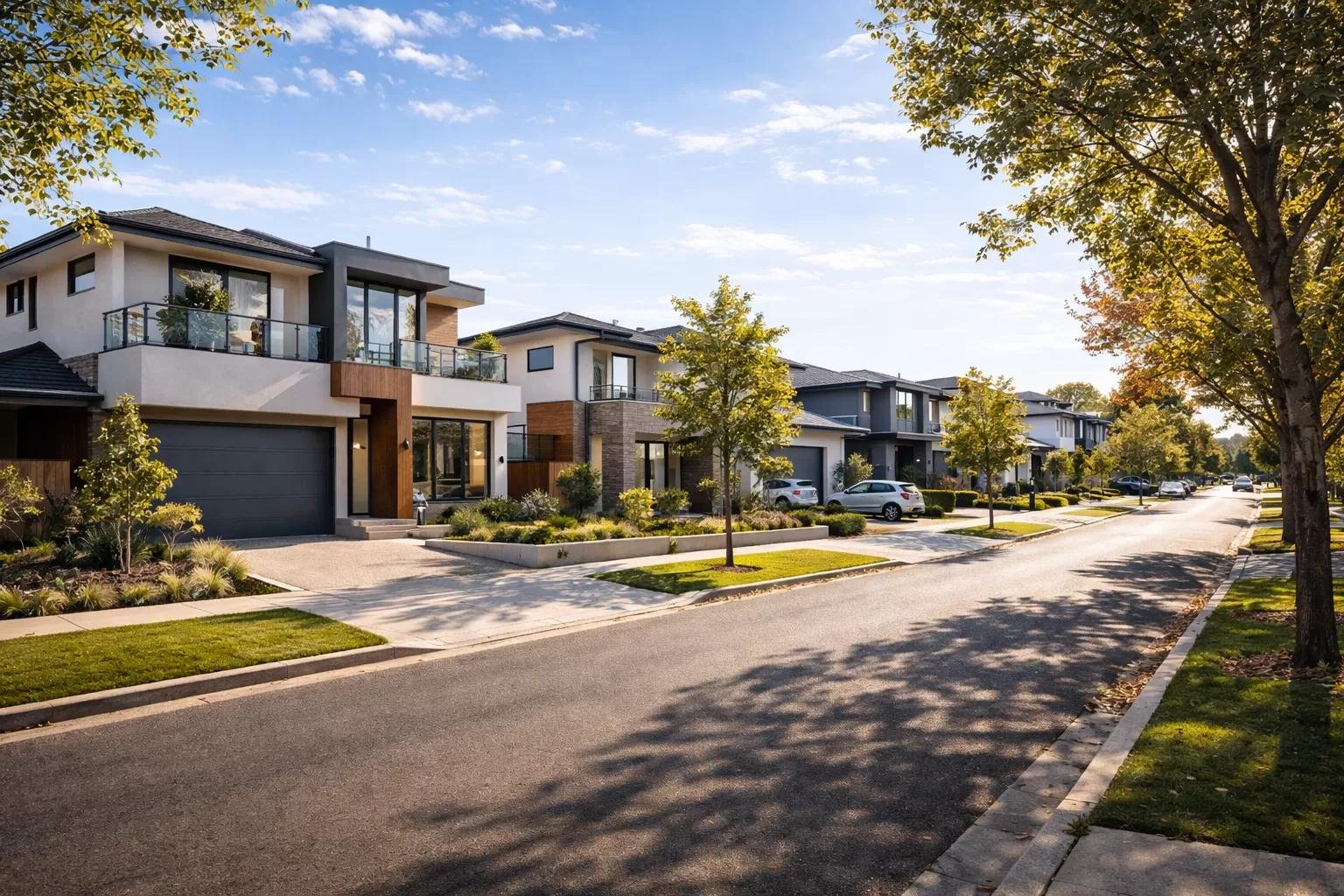
The architectural style and design of a property greatly influence its street appeal and overall market value. Homes that feature cohesive design elements, balanced proportions, and visually pleasing structures tend to attract more interest from buyers. Whether it is a modern minimalist home or a traditional design, consistency in style creates a sense of harmony that enhances the property’s attractiveness.
In competitive housing markets, unique architectural features can serve as a differentiating factor, helping a property stand out among similar listings. Buyers often look for homes that reflect their personal tastes and lifestyle aspirations, and a well-designed exterior can fulfill these expectations. Additionally, properties with timeless design elements tend to maintain their value better over time, making them more appealing to both homeowners and investors seeking long-term returns.
Landscaping and Green Spaces
Landscaping is one of the most influential components of street appeal, playing a crucial role in shaping how buyers perceive a property’s overall value and desirability. Well-maintained gardens, neatly trimmed lawns, and thoughtfully arranged plants can significantly enhance the visual impact of a home, creating a strong and positive first impression. Elements such as seasonal flowers, decorative shrubs, and clean pathways contribute to a welcoming atmosphere, while green spaces add a sense of tranquility and comfort. These features not only improve aesthetics but also help potential buyers emotionally connect with the property from the moment they arrive.
Investing in landscaping improvements often delivers a strong return on investment, as it can greatly increase perceived property value without the need for extensive or costly structural renovations. Features like flower beds, mature trees, outdoor seating areas, and even simple additions such as lighting or garden borders can make a property feel more spacious, functional, and well cared for. In many cases, buyers are willing to pay a premium for homes that offer attractive and usable outdoor environments, particularly in urban settings where green space is limited. As a result, landscaping remains a key factor in property pricing strategies and an essential element in enhancing both market appeal and long-term value.
Cleanliness and Maintenance Standards
A property’s level of cleanliness and maintenance serves as a clear indicator of how well it has been cared for over time, and it plays a significant role in shaping buyer perceptions. Exterior elements such as spotless windows, freshly painted walls, well-maintained roofs, and tidy entrances all contribute to creating a strong and positive first impression. These visible signs of care suggest that the property has been properly looked after, increasing buyer confidence and reducing concerns about potential hidden issues. Homes that appear clean, organized, and move-in ready are far more likely to attract serious interest and can often command higher offers in a competitive market.
On the other hand, visible signs of neglect such as peeling paint, cracked driveways or pathways, damaged fixtures, or overgrown vegetation can quickly diminish a property’s appeal. These issues may signal to buyers that additional repairs and maintenance will be required, leading them to factor in extra costs when making an offer or, in some cases, discouraging them from proceeding altogether. Even minor imperfections can have a cumulative effect on perceived value if not addressed. Maintaining high standards of cleanliness and regular upkeep is therefore essential not only for maximizing property value but also for ensuring a smoother, faster, and more successful sales process.
Lighting and Visual Presentation
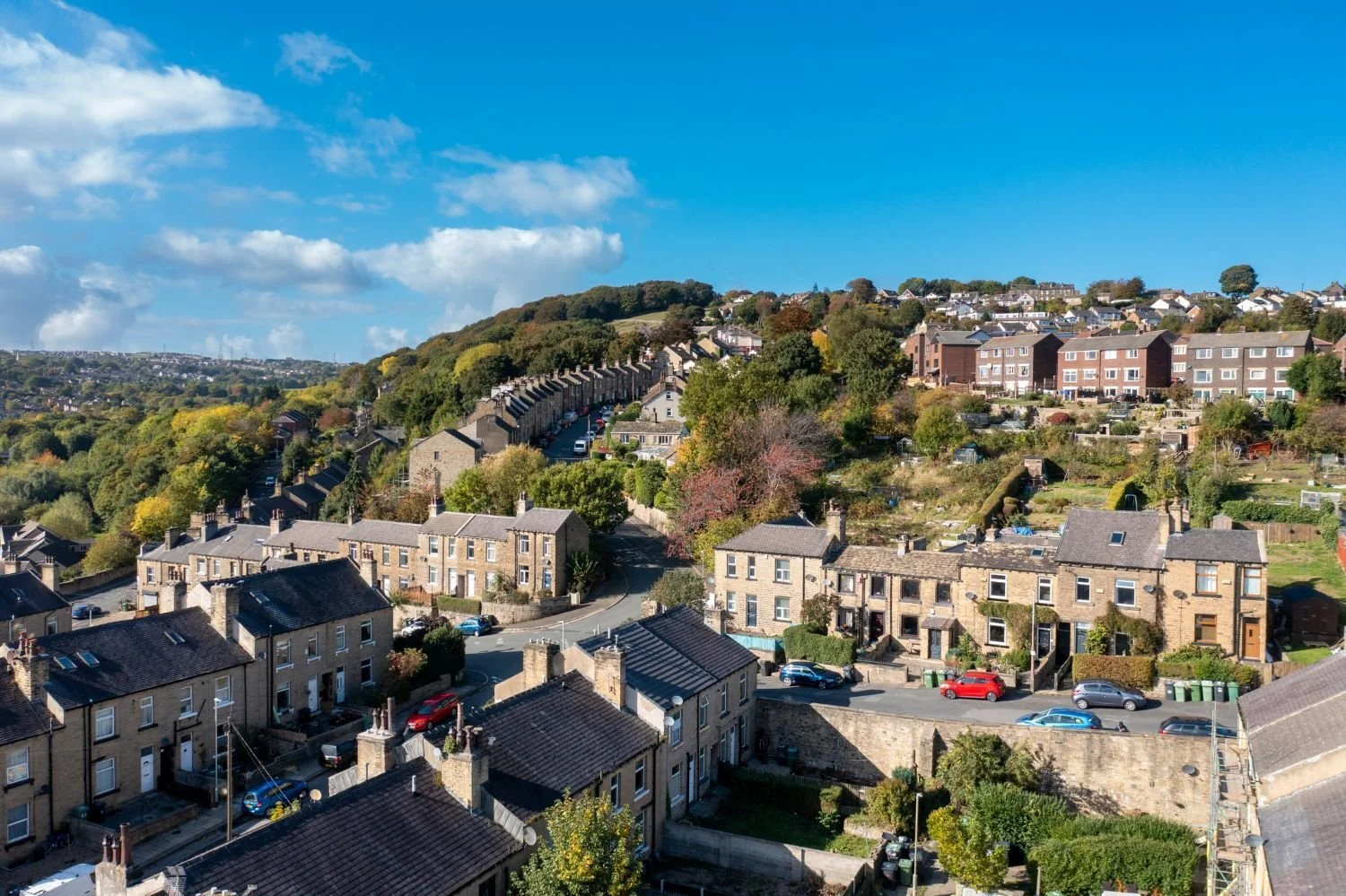
Lighting plays a crucial role in enhancing street appeal, especially during evening viewings or in areas with limited natural light. Well-placed outdoor lighting highlights key features of the property, such as pathways, gardens, and architectural details, creating a welcoming and secure atmosphere. Proper lighting not only improves aesthetics but also adds a sense of safety and security, which is highly valued by buyers.
In addition to functionality, lighting contributes to the overall visual presentation of a property. Warm and inviting lighting can create a cozy ambiance, making the home more appealing to potential buyers. By strategically using lighting to showcase the property’s best features, sellers can enhance its attractiveness and increase its perceived value in the market.
Neighborhood Appearance and Surroundings
Street appeal extends beyond the boundaries of the property itself, as the surrounding neighborhood plays a crucial role in influencing property prices and buyer perceptions. When evaluating a home, buyers often take into account factors such as the cleanliness of the streets, quality of infrastructure, availability of parking, and the overall visual harmony of the area. A well-maintained neighborhood with attractive surroundings, organized layouts, and accessible amenities can significantly enhance the desirability of a property. These external factors contribute to the first impression and can strongly impact a buyer’s decision-making process even before they step inside the home.
Properties located in visually appealing and well-kept neighborhoods typically command higher prices due to stronger demand and a more positive overall perception. Features such as tree-lined streets, clean and safe public spaces, well-maintained sidewalks, and close proximity to parks, schools, and local facilities all add to the area’s attractiveness. In contrast, properties situated in poorly maintained or neglected neighborhoods may struggle to attract interest, regardless of their internal quality or features. Buyers may associate such areas with additional concerns, including safety, upkeep costs, or limited future growth. This highlights the importance of considering both the property and its wider environment when assessing street appeal, as the surrounding context can significantly influence both value and marketability.
Entrance and Front Door Impact
The entrance of a property, particularly the front door, serves as a key focal point that can significantly influence buyer perception from the very first moment. As the initial point of contact, it sets the tone for the rest of the property and creates an immediate impression of warmth, style, and overall maintenance. A well-designed and inviting entrance featuring a clean porch, a freshly painted or stylish front door, and thoughtfully chosen decorative accents can make the home feel welcoming and well cared for. Lighting, symmetry, and small details such as door numbers or fixtures can further enhance the visual appeal and contribute to a polished appearance.
First impressions are often formed within seconds at the entrance, making it one of the most important areas to focus on when preparing a property for sale. Simple and cost-effective upgrades, such as repainting the door, replacing outdated hardware, improving lighting, or adding potted plants and seasonal decorations, can significantly boost the overall attractiveness. These enhancements require relatively low investment but can have a noticeable impact on perceived value and buyer interest. By creating an appealing and memorable entryway, sellers can increase the likelihood of attracting potential buyers, encouraging viewings, and ultimately improving the property’s marketability and selling potential.
Driveways, Pathways, and Accessibility
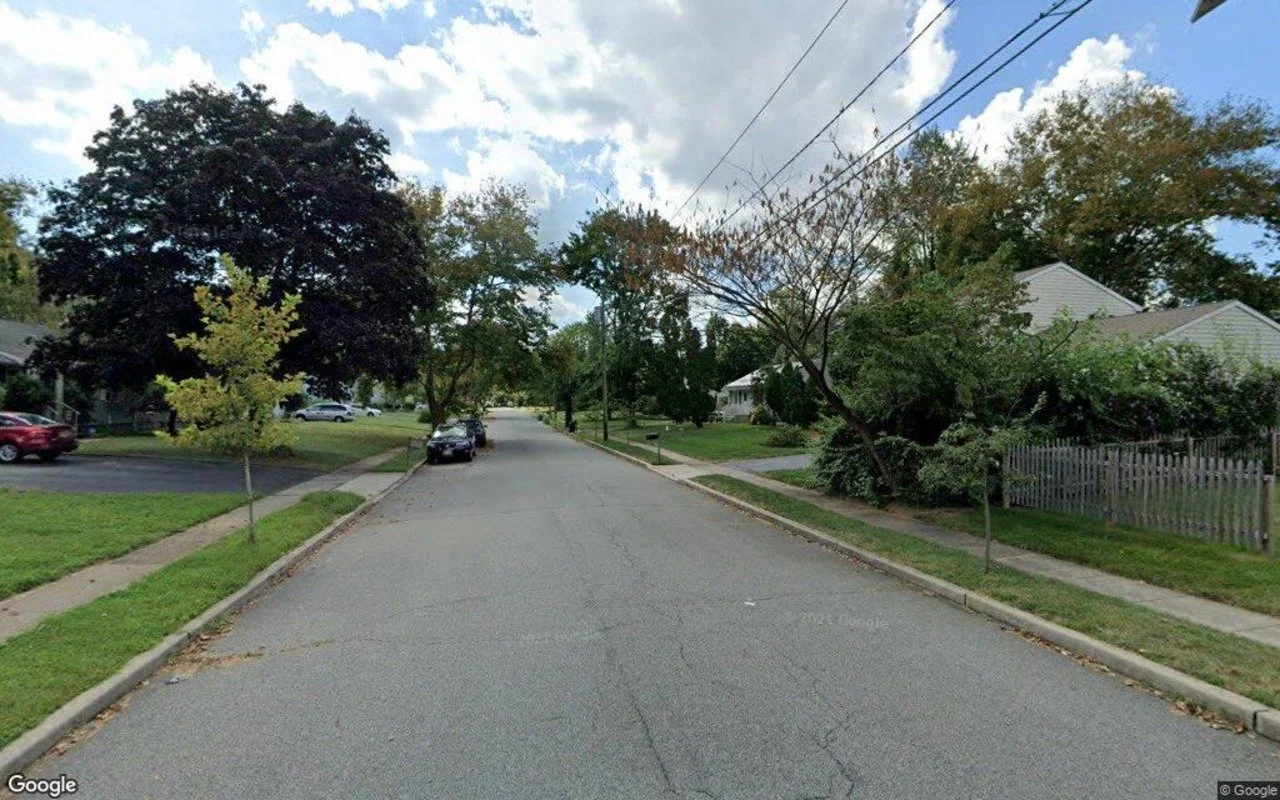
Driveways and pathways are essential components of street appeal, contributing significantly to both the functionality and visual attractiveness of a property. A well-maintained driveway creates a smooth, clean, and welcoming approach, setting a positive tone before buyers even reach the entrance. Similarly, clearly defined and tidy pathways help guide visitors naturally toward the front door, enhancing the overall flow and accessibility of the space. Features such as neat edging, quality materials, and proper lighting can further elevate the appearance, making the property feel more organized, secure, and well cared for.
Accessibility is another key factor that strongly influences buyer decisions. Properties that offer convenient access, sufficient parking space, and thoughtfully designed pathways are more appealing to a wider range of buyers, including families and individuals with specific mobility needs. Investing in improvements such as resurfacing driveways, repairing cracks, upgrading materials, or improving drainage can enhance both usability and visual appeal. These upgrades not only improve everyday practicality but also contribute to a stronger first impression. As a result, well-designed driveways and pathways can increase buyer interest, boost perceived value, and ultimately support higher property prices in the market.
Exterior Upgrades and Return on Investment
Investing in exterior upgrades is one of the most effective ways to enhance street appeal and increase property value. Improvements such as repainting, updating windows, or adding decorative features can significantly boost attractiveness without requiring major renovations. These upgrades not only improve aesthetics but also signal that the property has been well-maintained.
By focusing on high-impact upgrades, sellers can maximize their return on investment and make their property more competitive in the market. These improvements often lead to quicker sales and higher offers, demonstrating the importance of street appeal in property pricing.
Emotional Connection and Buyer Decision-Making
Street appeal has a powerful influence on the emotional connection that buyers form with a property. When a home looks inviting and well-cared-for, it creates a sense of comfort and belonging that can strongly impact decision-making. Buyers often imagine themselves living in the property, and a positive emotional response can make them more willing to proceed with a purchase.
Emotions play a significant role in real estate transactions, often outweighing purely logical considerations. A property that evokes positive feelings is more likely to stand out in a competitive market and attract higher offers. By enhancing street appeal, sellers can create a memorable experience for buyers, increasing the likelihood of a successful sale.
Market Competition and Pricing Advantage
In a competitive real estate market, street appeal can provide a significant advantage by helping a property stand out among similar listings. Homes with strong curb appeal tend to capture attention more quickly, whether online or during in-person visits, leading to increased interest from potential buyers. A visually appealing exterior creates a positive first impression, encouraging more viewings and, in many cases, generating multiple offers. This heightened demand can drive up the final sale price and contribute to stronger overall market performance for the property.
On the other hand, properties with poor street appeal may struggle to compete effectively, even if they offer comparable interior features or layout. Buyers are often drawn to homes that appear well-maintained and require minimal immediate effort, as these properties provide instant visual satisfaction and reduce perceived future costs. A lack of exterior appeal can lead to fewer inquiries, longer time on the market, and potentially lower offers. By investing in improvements such as landscaping, maintenance, and exterior enhancements, sellers can position their property more competitively, achieve better pricing outcomes, and increase the likelihood of a quicker and more successful sale.
Boost your property’s value from the very first glance and attract stronger offers. Speak to Armaani Estates today.
FAQs
What is street appeal in property pricing?
Street appeal, also known as curb appeal, refers to how attractive a property looks from the outside. It’s the first thing buyers notice, and it strongly influences their perception of value before they even step inside. A well-presented exterior can make a home feel more desirable and well cared for.
Can improving street appeal increase property value?
Yes, even small improvements can have a noticeable impact. Enhancing the exterior through landscaping, repainting, or general maintenance can increase perceived value and help justify a higher asking price. Buyers are often willing to pay more for a property that looks move-in ready from the outside.
What are the cheapest ways to improve street appeal?
There are several low-cost ways to boost street appeal. Cleaning the exterior, decluttering the front garden, repainting the front door, updating fixtures like house numbers, and adding plants or flowers can all make a big visual difference without a large investment.
Does neighborhood condition affect street appeal?
Absolutely. A well-maintained neighborhood enhances the overall attractiveness of a property. Clean streets, tidy neighboring homes, and green spaces all contribute to a positive impression, while neglected surroundings can reduce perceived value.
Is street appeal important for investors?
Yes, it plays a key role for investors. A property with strong street appeal is more likely to attract tenants quickly, achieve better rental income, and perform well on resale. It directly impacts both short-term returns and long-term value.
How quickly does street appeal affect buyer decisions?
Very quickly, often within seconds. Buyers typically form an immediate impression when they first see a property, and that initial reaction can influence how they feel about the home throughout the rest of the viewing.
