
How to Maximise Rental Yield in Bradford

Bradford has firmly established itself as one of the UK’s most compelling buy-to-let hotspots, offering landlords a rare combination of low entry prices and consistently strong rental returns. As of early 2026, average property values sit at approximately £187,000, while monthly rents range between £732 and £737, reflecting steady year-on-year growth of around 3.8% to 3.9%.
This widening gap between purchase prices and rental income is what makes Bradford particularly attractive. Across the city, gross rental yields typically fall between 6% and 9%, with well-positioned properties and high-performing HMOs capable of achieving 8% to 12% or more when managed effectively. However, achieving these higher yields is not simply about buying cheaply; it requires a clear strategy. From choosing the right postcode and property type to optimising rental income, upgrading interiors, and managing tenants efficiently, every decision directly impacts your returns.
Table of Contents
Why Bradford Is a Strong Buy-to-Let Market in 2026

Bradford offers a compelling mix of affordable property prices and consistent tenant demand. The city benefits from population growth, its location within the Leeds City Region, and improved transport links that make commuting to Leeds easy for many tenants. Demand comes from diverse groups including University of Bradford students, young professionals, families, healthcare workers, and key workers in logistics and manufacturing. Rents remain more affordable than in neighbouring cities, helping maintain high occupancy rates.
Current market highlights show one-bedroom properties renting around £540–£616 pcm, two-bedroom homes near £664–£825, and three-bedroom houses between £793 and £1,042 depending on quality and location. While suburban areas deliver more stable tenancies, central postcodes often produce the highest yields.
Understanding Rental Yield in Bradford
Rental yield is calculated as (annual rental income ÷ property value) × 100. Gross yield gives a quick overview, but net yield after deducting all costs determines true profitability. Key factors affecting yields in Bradford include purchase price, property condition, location, tenant type, and compliance expenses. Lower-value inner-city terraced houses and flats usually deliver the strongest percentage returns.
Successful landlords focus on both increasing income and controlling voids, maintenance, and regulatory costs. A realistic target for net yield after all expenses is 4% or higher for sustainable performance.
Choosing the Right Property for Maximum Yield
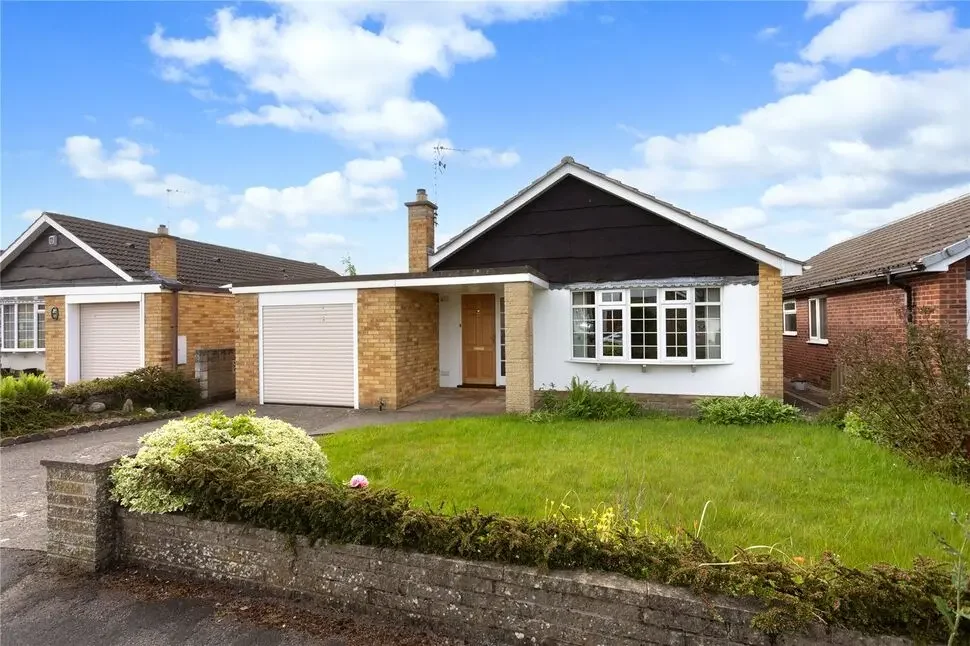
Always conduct thorough due diligence including surveys, EPC checks, flood risk assessment, and local authority searches. Proximity to trProperty selection is the most important decision for achieving high rental yields. In Bradford, the best returns often come from affordable inner-city terraced houses suitable for multiple occupants.High-yield areas include BD1 (city centre and Little Germany), BD3, BD5, BD7 (Great Horton), and BD8 (Manningham and Girlington). These postcodes benefit from strong demand and relatively low purchase prices.
BD4 and BD6 offer a balance of family appeal and decent yields, while northern suburbs like Thornton, Allerton, and Heaton provide more stable tenancies but usually lower returns due to higher property prices.When choosing a property, calculate the price-to-rent ratio carefully. Aim for properties where expected annual rent equals at least 6–8% of the total purchase cost before ongoing expenses. Focus on homes needing mainly cosmetic work rather than expensive structural repairs.
HMO Strategies to Boost Rental Yield in Bradford
Converting suitable properties into Houses in Multiple Occupation (HMOs) is one of the most effective ways to increase rental income in Bradford. Letting rooms individually can generate significantly higher total rent compared to single-family lets. A typical four-bedroom terraced house might achieve £700–£900 pcm as a family home. The same property as a five or six-room HMO can produce £2,000–£3,000+ pcm when rooms are let at £400–£550 each.
Bradford Council requires mandatory licensing for larger HMOs (five or more occupants from two or more households). The licensing process involves submitting floor plans, gas and electrical certificates, fire safety measures, and meeting minimum room size and amenity standards. Licences usually last five years.Successful HMO landlords invest in practical upgrades such as additional bathrooms, compliant fire safety systems, and durable finishes. While HMOs deliver excellent cash flow, they require stronger management due to higher turnover and wear and tear.
How to Optimise Rent and Minimise Voids
Setting the right rent level is critical in Bradford’s competitive market. Overpricing often leads to longer empty periods that reduce overall yield. Regular research on Rightmove, Zoopla, and local comparables helps establish realistic rents. Properties in excellent condition with modern neutral décor, good lighting, and energy-efficient features can command 5–10% higher rents.
Professional photography, detailed descriptions, and virtual tours speed up lettings. Offering modest incentives and pricing competitively for quick occupancy helps minimise voids. Retaining good tenants through clear communication and prompt repairs is one of the most cost-effective ways to protect long-term rental income. Annual rent reviews should be fair and timed after any improvements.
Smart Property Upgrades That Improve Yield
Targeted upgrades deliver strong returns by increasing achievable rent and reducing void periods. Cosmetic improvements such as fresh neutral paint, durable laminate flooring, and LED lighting can be completed affordably and often support noticeable rent uplifts.Updating kitchens and bathrooms to a clean, functional standard offers excellent value without full luxury remodels. Energy efficiency upgrades, including better insulation, efficient boilers, and smart thermostats, are becoming increasingly important as minimum EPC standards rise.
For HMO properties, adding en-suites and improving communal areas can increase the number of lettable rooms while meeting licensing requirements. Outdoor enhancements like tidy gardens and better external lighting also improve tenant appeal.Focus on upgrades with a payback period of less than 18–24 months. Avoid over-investing in high-end finishes that the local market will not reward.
Tenant Targeting and Effective Management
Choosing the right tenants helps reduce voids, damage, and arrears. Bradford has a varied tenant pool including students near the university, young professionals commuting to Leeds, families seeking stable homes, and key workers. Tailor your marketing to highlight features that matter most to each group such as proximity to the university for students or garden space for families. Robust referencing including credit and employment checks remains essential.
Whether managing properties yourself or using a letting agent, consistent systems for rent collection, maintenance, and inspections make a big difference. Professional management can reduce risk, especially with multiple properties or HMOs.
Compliance, Risk Management and Cost Control
Full compliance is essential to protect your rental income. HMO licensing, annual gas safety checks, electrical inspections (EICR), smoke and CO alarms, and valid EPC certificates are all mandatory. Budget realistically for all costs including mortgage payments, insurance, voids (aim below 7%), maintenance, and licensing fees. Preventative maintenance is almost always cheaper than emergency repairs. Building relationships with reliable contractors, accountants, and the local council housing team helps keep operations smooth and costs under control.
Scaling Your Bradford Rental Portfolio Successfully
Start small to gain local market knowledge before expanding. Many landlords begin with single-family lets and later add HMOs for higher yields. Diversify across different postcodes and property types to balance cash flow and risk. Regularly review key metrics such as occupancy rate, time-to-let, and net yield to make informed decisions. Monitor broader factors including interest rates, legislation changes, and regeneration projects in Bradford.
Common Pitfalls and Final Tips for Landlords
Many landlords lose yield by underestimating HMO management demands, buying without proper surveys, or neglecting presentation and compliance. Emotional buying decisions instead of data-driven analysis also commonly reduce returns. Focus on thorough research, realistic financial modelling, high-ROI upgrades, and professional tenant management. Review your portfolio performance at least once a year and adjust your strategy as needed.
Bradford’s affordable entry prices combined with steady demand create real opportunities for disciplined landlords. By applying these strategies consistently, you can achieve strong and sustainable rental yields in 2026 and beyond.
Looking to increase returns on your Bradford investment property? Speak to Armaani Estates today.
FAQs
What is a good rental yield in Bradford in 2026?
A good rental yield in Bradford typically ranges from 6% to 9%, with HMOs and well-optimised properties achieving 8% to 12% or higher.
Which areas in Bradford offer the highest rental yields?
Areas like BD1, BD3, BD5, and BD7 often deliver the highest yields due to lower property prices and strong rental demand.
Is investing in HMOs in Bradford worth it?
Yes, HMOs can generate significantly higher returns than single lets, but they require licensing, higher setup costs, and active management.
How can landlords increase rental income in Bradford?
You can increase rent by upgrading the property, targeting the right tenants, furnishing strategically, and minimising void periods.
What costs affect rental yield the most?
Mortgage payments, maintenance, agent fees, compliance costs, and void periods have the biggest impact on overall rental yield.
