
Is North Leeds Worth the Higher House Prices?

North Leeds has built a strong reputation as one of the most desirable residential areas in the region, often commanding significantly higher house prices than other parts of Leeds. For buyers and investors in 2026, the big question is whether these premium prices are truly justified. With leafy suburbs, strong school catchments, and consistent demand, North Leeds property continues to attract families, professionals, and long-term investors. Areas such as Chapel Allerton, Roundhay, and Moortown are frequently highlighted as prime locations, offering both lifestyle benefits and capital growth potential.
However, higher property prices also mean larger upfront investments, higher mortgage commitments, and potentially lower rental yields compared to cheaper areas. Buyers must weigh the long-term appreciation potential against short-term affordability. In this guide, we explore whether North Leeds is worth the cost, examining market trends, rental returns, lifestyle factors, and future growth prospects. By the end, you will have a clearer picture of whether paying a premium in North Leeds aligns with your financial goals and property strategy in 2026.
Table of Contents
Why North Leeds Commands Higher Property Prices
North Leeds house prices are consistently above the Leeds average due to a combination of location, amenities, and demand. One of the key drivers is the quality of life offered in this part of the city. Buyers are willing to pay more for access to green spaces such as Roundhay Park, as well as quieter, more residential environments compared to inner-city areas. These lifestyle advantages significantly influence property values.
Another major factor is education. Many of the best-performing schools in Leeds are located in the north, making it a hotspot for families prioritizing long-term settlement. Strong transport links into Leeds city centre also add to the appeal, especially for professionals commuting to work. Additionally, North Leeds benefits from established infrastructure, including high-end restaurants, boutique shops, and healthcare facilities.
The limited supply of housing in desirable neighbourhoods further pushes prices upward. Unlike emerging areas where new developments are common, North Leeds often has constrained inventory, creating competition among buyers. This imbalance between supply and demand is a key reason why property prices remain elevated and continue to grow steadily.
Key Areas in North Leeds and Their Market Position

North Leeds is not a single uniform market; it consists of several distinct neighbourhoods, each with its own pricing structure and appeal. Chapel Allerton is often seen as a vibrant, trendy area with a strong community feel, attracting young professionals and families alike. Roundhay, on the other hand, is known for its spacious homes and proximity to one of the largest urban parks in Europe, making it highly desirable but expensive.
Moortown and Alwoodley are popular with families seeking suburban living with access to top schools. These areas typically feature larger detached homes, which contribute to higher average property prices. Headingley, while still part of North Leeds, offers a slightly different dynamic with a mix of student housing and investment properties, often appealing to landlords.
Each area presents different opportunities depending on your goals. Buyers seeking long-term capital growth may prefer Roundhay or Alwoodley, while investors might consider Headingley for rental demand. Understanding these micro-markets is essential when evaluating whether North Leeds justifies its higher property prices in 2026.
Comparing North Leeds Prices with Other Leeds Areas
North Leeds clearly sits at the higher end of the market, offering lower rental yields but stronger long-term stability. Cheaper areas may provide better cash flow, but they often come with higher risks and slower appreciation. This comparison shows that North Leeds is more suited to buyers focused on capital growth rather than immediate rental income.
Investment Potential and Capital Growth Trends
One of the biggest advantages of buying in North Leeds is its consistent capital growth. Historically, property values in this area have shown resilience, even during periods of market uncertainty. This stability makes it an attractive option for long-term investors who prioritize asset appreciation over short-term gains.
In 2026, demand for high-quality housing remains strong, particularly in well-established neighbourhoods. Limited land availability and strict planning regulations mean that new developments are relatively scarce, which helps maintain upward pressure on prices. As Leeds continues to grow economically, North Leeds is expected to benefit from increased demand from professionals and families relocating to the city.
While the initial investment is higher, the potential for steady price increases can offset the cost over time. Buyers who hold property for five to ten years often see significant returns. This makes North Leeds a strategic choice for those looking to build wealth through property rather than relying solely on rental income.
Rental Market Performance in North Leeds
The rental market in North Leeds is strong but differs from lower-priced areas. Instead of high yields, landlords benefit from reliable tenants and lower vacancy rates. The area attracts professionals, families, and students in certain pockets, ensuring consistent demand throughout the year.
Rental prices are relatively high, reflecting the quality of housing and location. However, because purchase prices are also high, yields typically range between 4% and 5%. While this may seem lower compared to other parts of Leeds, the reduced risk and tenant stability can make it worthwhile.
Another advantage is tenant quality. Many renters in North Leeds are long-term occupants who take better care of properties, reducing maintenance costs. This can improve overall profitability despite lower yields. For landlords seeking a balanced investment with lower risk, North Leeds offers a dependable rental market in 2026.
Lifestyle Benefits That Justify the Premium
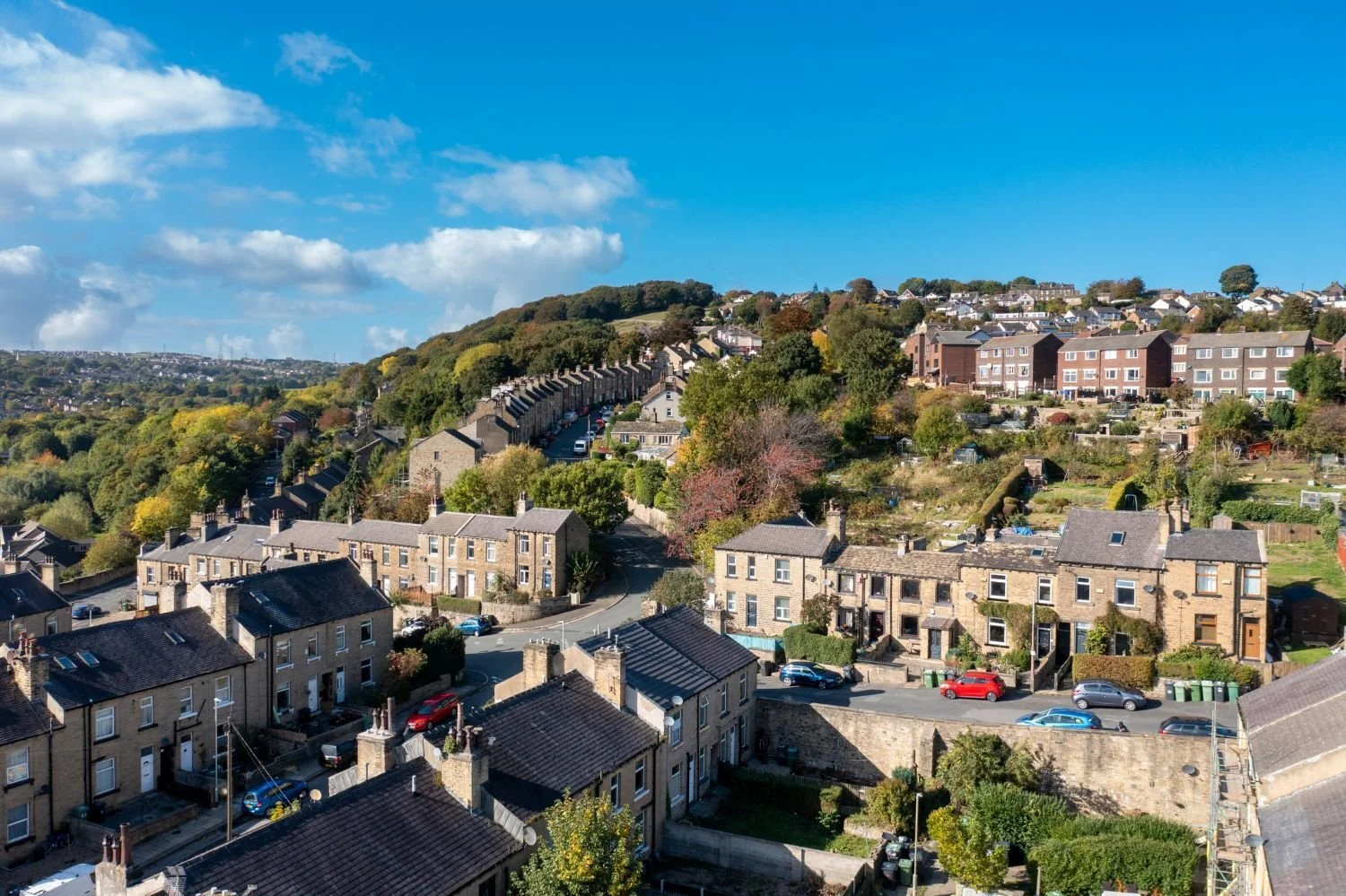
One of the strongest arguments for buying in North Leeds is the lifestyle it offers. The area is known for its green spaces, safe neighbourhoods, and vibrant local communities. Access to parks, cafes, restaurants, and cultural attractions enhances the overall living experience.
Families particularly benefit from excellent schools and child-friendly environments. The presence of high-performing educational institutions adds long-term value to properties, as demand remains consistently high. Additionally, North Leeds offers a quieter, more suburban feel while still being close to the city centre.
Transport links are another advantage. Regular bus routes and road connectivity make commuting easy, which is a major factor for working professionals. These lifestyle benefits contribute to sustained demand, ensuring that property values remain strong. For many buyers, these factors alone justify paying higher house prices.
Risks of Buying in High-Price Areas
Despite its advantages, buying in North Leeds is not without risks. The most obvious concern is affordability. Higher property prices mean larger deposits and mortgage payments, which can limit accessibility for first-time buyers. This financial commitment requires careful planning.
Another risk is slower rental yield growth. Investors looking for immediate returns may find better opportunities in lower-priced areas. Additionally, while North Leeds has a strong track record, no property market is immune to fluctuations. Economic changes could impact price growth in the short term.
There is also the opportunity cost to consider. The money spent on one property in North Leeds could potentially purchase multiple properties in cheaper areas, diversifying an investment portfolio. Buyers must evaluate whether they prefer a single high-value asset or multiple lower-cost investments.
Who Should Consider Buying in North Leeds?
North Leeds is best suited to specific types of buyers. Families looking for long-term homes will benefit the most, thanks to excellent schools, safe environments, and community amenities. Professionals with stable incomes may also find the area appealing due to its convenience and lifestyle offerings.
For investors, North Leeds is ideal for those focused on capital appreciation rather than high rental yields. It suits individuals who prefer low-risk investments with steady growth. First-time buyers may find it challenging to enter the market, but those who can afford it often gain access to a high-quality living environment.
Ultimately, the decision depends on your financial goals. If you value stability, long-term growth, and lifestyle benefits, North Leeds is a strong contender. However, if your priority is affordability or high rental returns, other areas may be more suitable.
Future Outlook for North Leeds Property Market

Looking ahead to the next five to ten years, the outlook for North Leeds remains positive. Continued demand, limited housing supply, and strong local infrastructure are expected to support property price growth. As Leeds expands economically, North Leeds will likely remain one of its most desirable regions.
Regeneration projects across the wider city could also have a positive impact, increasing overall demand for housing. Improved transport links and urban development may further enhance the appeal of northern suburbs. These factors suggest that property values will continue to rise, albeit at a steady pace.
While rapid price increases are less likely compared to emerging areas, the stability of North Leeds makes it a reliable choice. Buyers who invest in 2026 can expect consistent growth over time, reinforcing the area's reputation as a premium property market.
Final Verdict: Is North Leeds Worth It in 2026?
North Leeds is undeniably one of the most expensive areas in the region, but its higher house prices are underpinned by strong and reliable fundamentals. The area benefits from a combination of highly regarded schools, attractive green spaces, well-maintained neighbourhoods, and a strong sense of community, all of which contribute to its lasting appeal. In addition, property values in North Leeds have historically shown resilience, even during periods of wider market uncertainty. Consistent demand from families, professionals, and long-term homeowners helps to support price stability and gradual appreciation. For buyers who prioritise long-term growth, security, and overall quality of life, the premium attached to North Leeds property is often seen as justified rather than excessive.
That said, North Leeds is not the ideal choice for every type of buyer or investor. Those seeking higher rental yields may find that the relatively high purchase prices limit their returns compared to more affordable areas. Similarly, buyers working with tighter budgets may struggle to enter the market without compromising on property size or location. In such cases, exploring emerging or lower-cost areas in Leeds or nearby cities may offer better short-term value or stronger cash flow opportunities. Ultimately, the decision should be guided by individual financial goals, whether that is capital growth, rental income, or a balance of both.
Looking ahead to 2026, North Leeds continues to hold its position as one of the most desirable and stable property markets in the city. Its reputation, amenities, and long-term demand ensure that it remains a top choice for buyers who can afford the initial investment. While the cost of entry is undeniably high, the benefits in terms of lifestyle, capital appreciation, and market resilience make it a compelling option for the right buyer. For those thinking long term, North Leeds represents not just a property purchase, but a strategic and potentially rewarding investment.
Wondering if North Leeds is worth the premium Get expert insight before you invest. Speak to Armaani Estates today.
FAQs
Is North Leeds a good investment in 2026?
Yes, North Leeds stands out as a premium investment area. It consistently attracts high demand from professionals and families, which supports long-term price growth. While it may not deliver the highest rental returns, it offers stability, lower vacancy risk, and strong resale value—making it ideal for investors focused on capital appreciation over time.
Why are house prices higher in North Leeds?
Prices are driven by a combination of lifestyle and supply factors. North Leeds is known for its top-performing schools, leafy suburbs, parks like Roundhay Park, and a strong sense of community. At the same time, limited housing supply in these desirable neighbourhoods keeps competition high, naturally pushing prices upward.
What rental yield can I expect?
Typical rental yields range from 4% to 5%. Although this is lower than more affordable parts of Leeds, it reflects a different investment profile—lower risk, higher-quality tenants, and more consistent long-term growth rather than short-term cash flow.
Is North Leeds suitable for first-time buyers?
It can be difficult due to higher entry prices, but it’s not impossible. Buyers who can stretch their budget may benefit from stronger long-term value, better living standards, and more stable property prices compared to cheaper areas.
Which areas in North Leeds are most popular?
Highly sought-after areas include Chapel Allerton, Roundhay, Moortown, and Alwoodley. These neighbourhoods are popular for their mix of amenities, schools, green spaces, and transport links, making them especially appealing to families and professionals.
Will property prices continue to rise?
Yes, steady and sustainable growth is expected. Ongoing demand, combined with limited new housing supply, supports long-term price increases. While growth may not be rapid, it is generally more stable and predictable.
Is it better than South or East Leeds?
It depends on your strategy. North Leeds is better for long-term capital growth and lower risk. In contrast, South and East Leeds often offer higher rental yields and lower entry prices, but may come with more volatility and management involvement.
Are there risks in buying here?
The main risks are financial rather than market-related. Higher purchase prices mean larger deposits and mortgages, while lower yields can limit short-term returns. Investors need to be comfortable holding the property for several years to fully benefit.
What type of buyers choose North Leeds?
The area attracts families looking for good schools, professionals seeking a high quality of life, and long-term investors who prioritise stability and appreciation over quick profits.
How long should I hold property here?
A holding period of at least 5–10 years is recommended. This allows enough time to benefit from capital growth, ride out any short-term market fluctuations, and maximise overall returns.
