
Is Now the Right Time to Sell Your House UK?

The decision to sell your home is one of the most significant financial, practical, and emotional steps a homeowner can take. In mid-2026, the UK housing market continues to experience a period of cautious stability amid geopolitical uncertainties, moderating inflation pressures, and steady mortgage rates. Many homeowners are thoughtfully assessing whether current conditions make this the right time to sell or if waiting might bring better opportunities. This expanded guide provides a detailed, balanced examination of the national market outlook, key economic factors at play, important personal and lifestyle considerations, essential preparation steps to maximise value, the complete selling process from start to finish, practical alternatives such as letting your property, potential risks involved, longer-term market prospects, and a clear decision-making framework to help you reach the best choice for your situation.
Understanding the full picture of today’s market dynamics, combined with your own circumstances and goals, allows for a clearer and more confident evaluation of the opportunities and challenges ahead.
Table of Contents
Navigating the Property Market as a Seller
Selling a property in 2026 requires a clear understanding of current market conditions, buyer behaviour, and pricing strategies. With fluctuating demand and evolving mortgage rates, sellers need to position their homes competitively while remaining flexible on expectations. Successful sellers focus on accurate valuations, strong presentation, and effective marketing to attract serious buyers. Timing also plays a key role listing your property when demand is highest can significantly impact both sale speed and final price.
By staying informed and working with experienced agents, sellers can confidently navigate the market and maximise their return.
The UK Housing Market in Mid-2026

The market in 2026 presents a picture of modest growth tempered by recent softening in demand. Provisional Office for National Statistics figures show average UK house prices reaching approximately £268,000 in the 12 months to February 2026, reflecting 1.2% annual growth. Other indices vary: Nationwide reported averages around £278,000–£299,000 with some monthly fluctuations, while Halifax and Rightmove data indicate similar low single-digit annual changes. Recent RICS Residential Market Survey results for April 2026 highlighted a net balance for house prices falling to -34, the weakest reading since late 2023, driven by softer buyer enquiries and heightened economic uncertainty.
Mortgage rates remain a central influence. The Bank of England maintained the base rate at 3.75% following its April 2026 meeting, with mixed expectations for future movements due to inflation hovering near 3.3% and global energy price risks. Typical fixed mortgage rates for two- and five-year terms sit in the 4.8–5.7% range, lower than peak levels but still elevated compared to the previous decade. This environment supports selective buyer activity while encouraging realistic pricing from sellers. Supply has increased in many areas, giving buyers greater choice and placing emphasis on well-presented, competitively priced properties. Correctly valued homes continue to achieve sales, often after measured negotiations, whereas overpriced ones experience longer marketing periods. National forecasts for the remainder of 2026 generally anticipate 1–3% growth overall, with stronger performance expected in more affordable northern regions.
Regional Performance in Bradford, Leeds, and West Yorkshire
National averages conceal notable regional differences, with northern England demonstrating greater resilience. In Leeds, the average house price stood at £244,000 in February 2026, representing a 2.8% increase from the previous year. This outperforms some southern markets and aligns with broader Yorkshire and Humber trends, showing around 3.9% annual growth in early 2026.
Bradford maintains strong relative momentum, with averages near £169,000–£187,000 and annual growth reported between 2.9% and higher in certain postcodes. Regeneration efforts, cultural investments, and relative affordability continue to attract families and first-time buyers, particularly in areas such as Saltaire. West Yorkshire as a whole averages around £240,000, remaining more accessible than the national figure of approximately £270,000.
Local factors exert significant influence: school catchments, transport connections along the Leeds-Bradford corridor, green spaces, and proximity to employment hubs in finance, education, manufacturing, and healthcare. Neighbourhoods like Chapel Allerton, Horsforth, Holbeck, and Lindley often see firmer demand and potentially higher percentage gains due to family appeal and infrastructure developments.
The table below summarises recent regional performance for context:
Economic and Policy Influences
Several broader elements shape the current environment. Inflation concerns linked to international events have tempered expectations for rapid base rate reductions, maintaining pressure on household budgets. Employment remains relatively steady in many regions, supporting buyer confidence where wage growth keeps pace with living costs. Government policies, including Stamp Duty arrangements, Capital Gains Tax rules for multiple properties, and the evolving Renters’ Rights Act, affect both sellers and those considering letting.
Affordability challenges persist for many, particularly as fixed-rate mortgages expire and buyers scrutinise running costs closely. Energy efficiency and overall property condition have become more prominent decision factors. In this context, the market rewards preparation and realism rather than speculation.
Advantages and Disadvantages of Selling Now

Current conditions offer a balanced setting for motivated sellers. Selling allows owners to release equity at prevailing values, benefit from modest recent growth in northern areas, and move forward with life plans without prolonged exposure to potential future volatility. Chains tend to progress more predictably than in highly erratic periods, and active buyer interest exists for well-maintained homes in desirable locations.
However, higher stock levels mean greater competition, often requiring price flexibility and strong presentation to achieve the best outcomes. Transaction costs, including estate agent fees (typically 1–2% plus VAT), legal expenses (£1,000–£2,500), moving, and potential Stamp Duty on a replacement purchase, can reduce net proceeds. Buyers exercise more caution and choice, leading to increased negotiations and occasional survey-related issues. Those hoping for stronger price growth later face the inherent difficulty of market timing.
Personal circumstances usually outweigh broad market conditions. Job changes, family expansion, downsizing for retirement, or relationship shifts frequently determine the right moment more than economic cycles. If the current home no longer suits daily needs, the costs of delay in stress, maintenance, or missed opportunities can exceed market uncertainties.
Seasonal and Practical Timing Considerations
Activity traditionally peaks in spring and early autumn when the weather supports viewings and families coordinate moves around school terms. In 2026, early-year momentum has been steady, though recent surveys indicate some summer caution. Yorkshire-specific factors, including local events and weather patterns, also influence buyer turnout. Launching at the right time with professional marketing can make a meaningful difference in a selective market.
Preparing Your Property for Sale
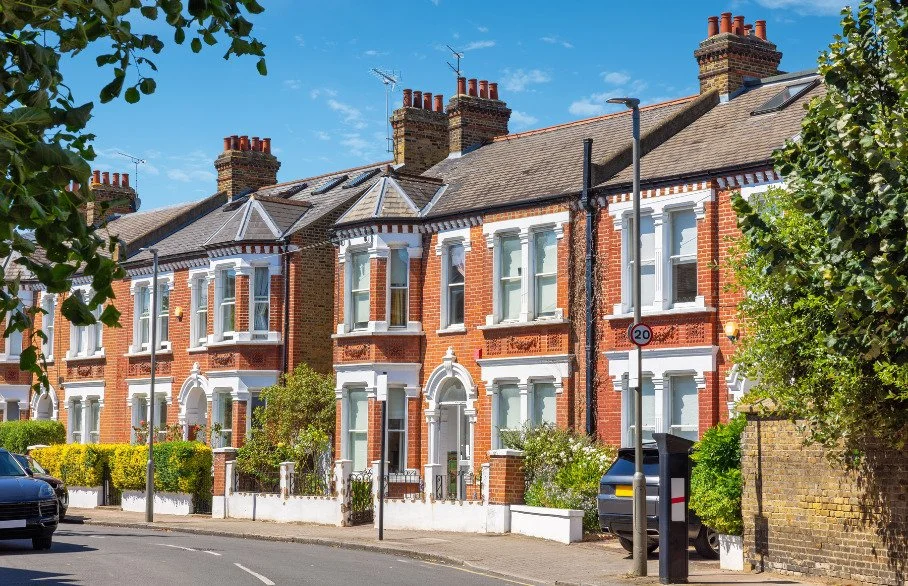
Achieving the best result in today’s environment depends significantly on presentation and pricing strategy. A deep clean combined with decluttering creates neutral, inviting spaces that help buyers envision their own lives in the property. Addressing repairs to roofs, plumbing, electrics, and heating systems prevents survey problems and builds confidence. Kitchens and bathrooms remain key decision areas; even modest cosmetic improvements often deliver strong returns.
Curb appeal matters enormously for first impressions. Tidy gardens, maintained driveways, and fresh front doors enhance perceived value. Professional photography, detailed floor plans, virtual tours, and staging further elevate listings. An up-to-date Energy Performance Certificate (EPC) is essential, and improving ratings through insulation, draught-proofing, or efficient lighting can appeal to cost-conscious buyers facing higher energy bills. Compiling all documentation early, including title deeds, warranties, and service records, helps streamline the process.
Accurate pricing, based on recent comparable sales from sources like the Land Registry, Rightmove, and Zoopla rather than aspirational figures, proves critical. Overvaluation commonly leads to price reductions and lost buyer interest.
The Complete Selling Process
The journey typically unfolds over several stages. Begin with multiple professional valuations and thorough research into local sold prices. Selecting an agent with strong local knowledge, a proven track record in your area, transparent fees, and effective digital marketing makes a substantial difference. Once listed, responsive management of viewings and offers becomes important.
Negotiations should rest on evidence, and buyers’ surveys may highlight issues best addressed proactively. Engaging an experienced solicitor early supports smooth conveyancing and chain management. In the current market, average completion times range from 8 to 16 weeks, though this varies with transaction complexity. Transparency and flexibility throughout build trust and improve outcomes.
Considering Alternatives: Renting Out Your Property
Rather than selling outright, letting the home provides another route, particularly in rental-strong locations such as professional and student markets in Leeds or family-oriented demand in Bradford. This approach generates ongoing income that can cover mortgage payments while retaining the asset for potential future growth. Professional management services can reduce day-to-day involvement.
However, the Renters’ Rights Act has increased compliance requirements, including higher property standards and changes to eviction processes. Landlords face responsibilities for maintenance, voids, insurance, and tax considerations, including potential Capital Gains Tax upon eventual sale. Yields must be calculated carefully against selling costs, management fees, and alternative investment returns. Selling with sitting tenants can also appeal to certain investor buyers.
The table below compares the two main options:
Individual financial situations, risk tolerance, and long-term plans determine the better path. Professional advice from solicitors, accountants, and mortgage specialists is strongly recommended.
Risks, Opportunities, and Future Outlook
Key risks include further softening if rates rise, extended selling periods, buyer withdrawals, or localised price pressure in less popular areas. Unexpected repair costs or economic shocks could also impact outcomes.
Opportunities arise in regeneration zones and family-friendly neighbourhoods across West Yorkshire, where steady demand and infrastructure improvements provide support. First-time buyer activity can facilitate chains, and the relative affordability of northern properties continues to attract interest.
Longer-term projections for 2027 and beyond suggest steadier growth as affordability gradually improves and supply constraints persist. Northern regions are often expected to deliver above-average cumulative gains over the decade, though external events remain unpredictable. Those aligning decisions with personal needs rather than attempting to perfectly time the market have historically achieved better overall results.
Your Personal Decision Framework
Begin by clarifying motivations and timelines. Review your full financial position, including equity, mortgage terms, debts, and future requirements. Obtain independent valuations and analyse comparable local sales in detail. Explore practical alternatives such as renovation, extension, or staying put if the home can be adapted.
Consult qualified professional solicitors, financial advisers, mortgage brokers, and tax experts to model scenarios. Assess emotional readiness and family impacts. Consider best- and worst-case projections for both selling and letting.
In Bradford and Leeds, the blend of affordability, targeted investments, and underlying demand creates realistic opportunities for prepared sellers, especially for family homes or properties in improving locations.
Conclusion
No universal “right time” exists to sell only the moment that best aligns with your individual circumstances. In mid-2026, the UK housing market offers relative stability with challenges from global events and borrowing costs. Motivated sellers who price realistically, present their properties to a high standard, and focus on strengths can achieve fair results, particularly in resilient northern markets like West Yorkshire.
Homes represent far more than financial assets; they form the setting for life’s important moments and memories. Approach the process with clear information, professional guidance, and honest self-assessment. Whether selling, letting, or holding for now, a thoughtful strategy helps minimise regrets and supports positive next steps as markets continue to evolve.
Thinking about selling your property but not sure if the timing is right? Get in touch with Armaani Estates today.
FAQs
Is 2026 a good time to sell my house in the UK, or should I wait?
Mid-2026 offers a period of relative stability with modest national house price growth of 1-3%. In areas like Bradford and Leeds, performance has been slightly stronger thanks to affordability and local regeneration. If you have clear personal reasons to move, such as job changes or family needs, current conditions can suit motivated sellers who prepare their home well and price realistically. Waiting for perfect market conditions is often unwise as timing the market consistently proves very difficult.
How are house prices performing specifically in Bradford and Leeds?
Bradford average prices currently range between £169,000 and £187,000 with annual growth of 2.9% to over 6% in stronger neighbourhoods. Leeds averages around £244,000 with roughly 2.8% growth. Both locations have shown better resilience than many southern parts of the UK. Family homes in good school catchments or regeneration zones tend to attract more interest, though buyers remain selective and favour well-presented properties.
What impact do current mortgage rates have on selling my home?
The Bank of England base rate remains at 3.75%, with typical fixed mortgage deals ranging from 4.8% to 5.7%. This has made buyers more cautious and focused on affordability and running costs. Properties with good energy efficiency and lower maintenance needs tend to stand out and sell more smoothly. Realistic pricing and strong presentation remain essential for achieving successful sales in this environment.
Should I sell my house outright or consider renting it out instead?
Selling releases your full equity immediately and provides a clean break, which works well if you need to move or simplify your situation. Renting generates ongoing income while keeping the asset for potential future growth, especially useful in strong rental areas like Leeds. However, new regulations under the Renters’ Rights Act have increased compliance and management responsibilities. Carefully compare net rental yields against selling costs and seek professional financial advice before deciding.
How long does it usually take to sell a house in the current market?
In mid-2026, the average time from listing to completion normally falls between 8 and 16 weeks for straightforward sales. Well-priced and well-presented homes in Bradford and Leeds often receive interest within the first few weeks. Complex chains or issues with surveys can extend the process to four or six months. Working with an experienced local agent and solicitor helps keep things moving efficiently.
What practical steps should I take to maximise my property’s sale value?
Start with a thorough clean, decluttering, and essential repairs to create a neutral, inviting space. Improve curb appeal and consider modest updates to kitchens and bathrooms where needed. Secure professional photography, floor plans, and an up-to-date EPC rating. Most importantly, price the property based on recent comparable local sales rather than optimistic expectations to avoid prolonged marketing periods.
