
Leeds Property Price Growth Over the Last 10 Years
Over the past decade, Leeds has established itself as one of the strongest property markets in the UK. With a combination of economic expansion, population growth, and large-scale regeneration, the city has seen consistent increases in property values. For anyone considering property in Leeds, understanding how prices have evolved over the last 10 years is essential for making informed decisions.
Leeds has transformed from a regional hub into a major financial and business centre, attracting professionals and students alike. This surge in demand has directly influenced housing prices, pushing them upward year after year. While there have been occasional slowdowns due to wider economic conditions, the overall trend has remained positive.
For those buying property in Leeds, this long-term growth provides confidence in the market’s resilience. Whether investing in buy-to-let or purchasing a home, Leeds continues to offer a balance of affordability and capital appreciation compared to other major UK cities.
Table of Contents
Leeds Property Prices: A 10-Year Overview
Looking back over the last decade, Leeds property prices have experienced steady and often impressive growth. In the early 2010s, the market was still recovering from the financial crisis, with relatively low entry prices. However, from around 2014 onwards, values began to rise more rapidly.
This growth has been driven by increased demand, improved infrastructure, and a growing local economy. By the late 2010s, Leeds had become one of the top-performing cities in the North of England, attracting both domestic and international investors. Even during periods of national uncertainty, such as Brexit, the market remained relatively stable.
For buyers, this long-term upward trend highlights the importance of acting early. Those who invested in Leeds a decade ago have seen significant returns, and the city continues to present opportunities for future growth.
Key Drivers Behind Price Growth in Leeds
Several factors have contributed to the sustained rise in Leeds property prices. One of the most important is economic growth. Leeds has developed into a major centre for finance, legal services, and digital industries, creating thousands of jobs and attracting a skilled workforce.
Population growth has also played a key role. As more people move to the city for work and education, demand for housing has increased. This has put pressure on supply, leading to higher prices across many areas. Additionally, Leeds has a large student population, which supports the rental market and encourages investment.
Infrastructure improvements, including better transport links and urban regeneration projects, have further enhanced the city’s appeal. For those buying property in Leeds, these factors combine to create a strong foundation for both rental income and long-term capital growth.
City Centre Growth and Apartment Demand
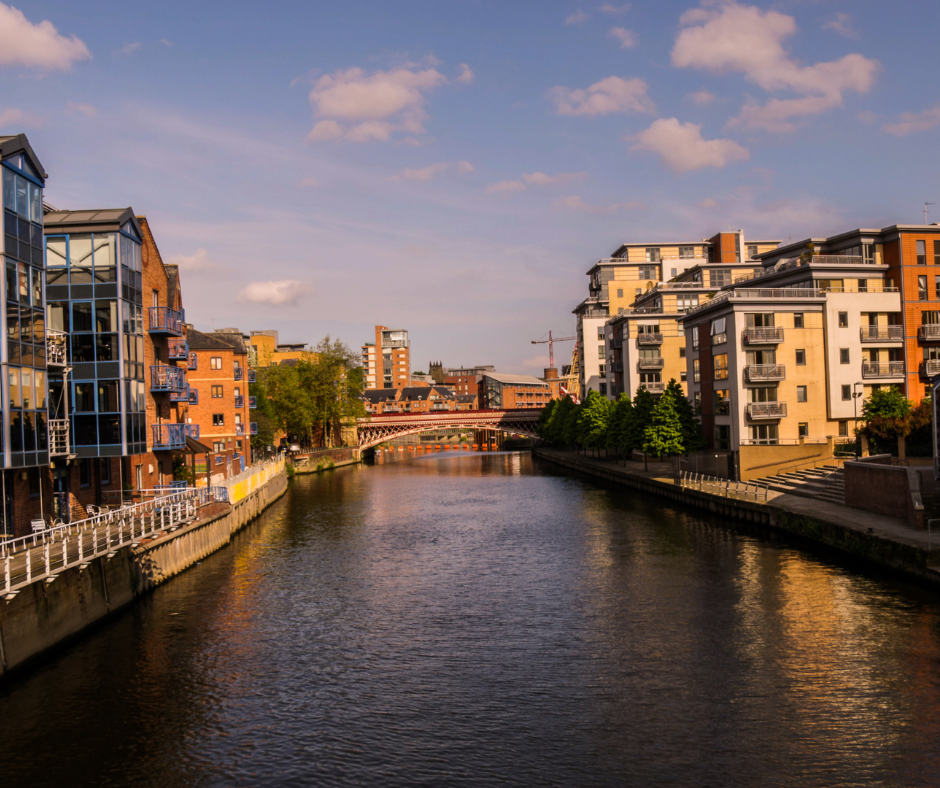
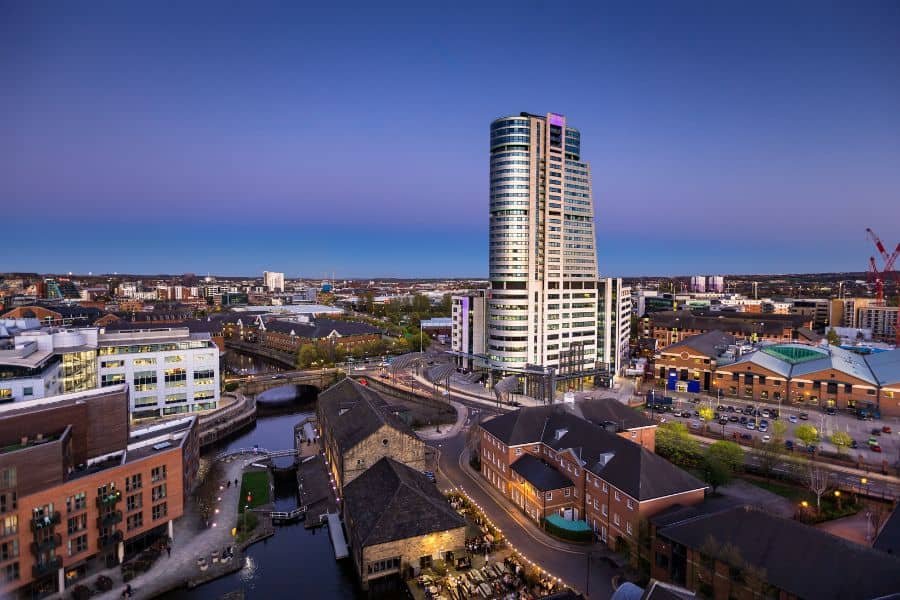
The Leeds city centre has been one of the fastest-growing areas in terms of property prices. Over the last decade, there has been a significant increase in the number of apartments, particularly in regenerated areas such as the waterfront and financial district.
Demand for city centre living has risen sharply, especially among young professionals who value proximity to work, entertainment, and transport links. This has driven up both property prices and rental values, making apartments a popular choice for investors.
However, increased supply has also created competition within the market. Investors need to focus on quality, location, and amenities to ensure their properties stand out. Despite this, the city centre remains a key area for growth and continues to attract strong demand.
Suburban Areas: Steady and Reliable Growth
While the city centre has seen rapid development, suburban areas of Leeds have experienced more stable and consistent growth. Areas such as Headingley, Roundhay, and Horsforth have become particularly popular with families and long-term residents.
These locations offer larger properties, good schools, and a higher quality of life, which attracts buyers looking for more space. As a result, house prices in these areas have steadily increased over the past decade.
For investors, suburban properties often provide lower yields compared to city centre apartments but offer greater stability and long-term appreciation. This makes them an attractive option for those seeking a balanced investment strategy.
Impact of Regeneration Projects on Property Prices
Regeneration has been a major driver of property price growth in Leeds. Large-scale developments, such as South Bank and infrastructure improvements, have transformed previously underdeveloped areas into desirable locations.
These projects have not only improved the city’s appearance but also increased employment opportunities and attracted new businesses. As a result, demand for housing in regenerated areas has surged, pushing prices higher.
For investors, identifying areas undergoing regeneration can be highly beneficial. Properties purchased before or during development often experience significant value increases over time. This makes regeneration zones a key focus for those looking to maximise returns.
Rental Market Growth and Its Influence on Prices
The rental market in Leeds has experienced significant growth over the past decade, playing a major role in driving up property prices across the city. One of the key factors behind this trend is the presence of a large and consistently renewing student population, supported by several major universities. Alongside this, Leeds has also seen a steady increase in young professionals relocating to the city for employment opportunities, particularly in sectors such as finance, digital, and healthcare. This combination has created sustained and diverse demand for rental accommodation across a wide range of property types.
As rental demand has strengthened, more investors have been encouraged to enter the Leeds property market, recognising its potential for reliable returns. This increased investor activity has contributed to rising property values, particularly in areas close to the city centre, universities, and major transport links. Despite higher purchase prices in some locations, rental yields in Leeds remain attractive when compared to many other UK cities. Apartments and shared housing, in particular, continue to perform well due to consistent tenant demand and relatively strong rental income.
For those considering property in Leeds, the strength of the rental market provides an added layer of security. Even during periods where property price growth may slow or stabilise, steady rental demand can help maintain income and overall investment performance. This makes Leeds a compelling option for both new and experienced investors seeking long-term stability and growth.
Market Slowdowns and Recovery Periods
Despite its overall growth, the Leeds property market has experienced periods of slowdown. Events such as Brexit and the COVID-19 pandemic created uncertainty, leading to temporary dips in activity and price growth.
However, the market has shown strong resilience. Prices have consistently recovered after downturns, supported by underlying demand and economic strength. This resilience is a key factor for investors seeking long-term stability.
Understanding these cycles is important for buyers. Timing the market can be challenging, but focusing on long-term trends rather than short-term fluctuations often leads to better outcomes.
Future Predictions for Leeds Property Prices
Looking ahead, the outlook for Leeds property prices remains positive. Continued investment in infrastructure, business growth, and population increases are expected to support further price rises.
Experts predict that Leeds will continue to outperform many other UK cities, particularly in the North. As demand for housing remains strong, prices are likely to increase steadily over the coming years.
For those buying property in Leeds, this presents an opportunity to benefit from future growth. While no market is without risk, Leeds offers a strong combination of affordability, demand, and economic stability.
Is Now a Good Time to Invest in Leeds Property?
Timing is always a key consideration when investing in property, and in Leeds, current market conditions continue to present favourable opportunities for both buyers and investors. The city has maintained strong demand levels, supported by a growing population, a thriving job market, and ongoing regeneration projects that are enhancing infrastructure and local amenities. These factors have helped sustain property values and ensure continued interest from both owner-occupiers and tenants, making Leeds a resilient and attractive market.
Interest rates and wider economic conditions can, of course, influence market activity, particularly when it comes to affordability and mortgage accessibility. However, Leeds’ underlying fundamentals remain strong, with consistent rental demand and long-term growth potential providing a level of stability that many investors look for. For those considering entering the market, acting sooner rather than later can be advantageous, as delaying may result in higher entry prices and missed opportunities for capital appreciation.
Whether purchasing a home to live in or an investment property to generate rental income, Leeds continues to offer a balanced mix of growth and yield potential. Different areas within the city cater to varying budgets and strategies, from high-yield rental hotspots to more premium locations with long-term capital growth prospects. As with any property decision, careful research, clear financial planning, and a well-thought-out strategy are essential for achieving the best possible results in a competitive and evolving market.
Conclusion: 10 Years of Strong Growth in Leeds
Over the past decade, Leeds has firmly established itself as one of the UK’s most resilient and dynamic property markets. The city has experienced consistent price growth, supported by strong economic fundamentals, a growing population, and sustained demand for housing. In addition to this, a thriving rental sector driven by students, young professionals, and relocating workers has further strengthened the market. Ongoing regeneration projects, improved transport links, and significant investment in infrastructure have also contributed to Leeds’ rising appeal, making it an increasingly attractive destination for both domestic and international investors.
For anyone considering property in Leeds, analysing the trends of the past 10 years provides valuable insight into the market’s long term potential. While no property market is without its challenges, including economic fluctuations, interest rate changes, and shifting buyer behaviour, Leeds has demonstrated a strong ability to adapt and recover. The overall trajectory has remained positive, with steady growth and continued demand helping to support both property values and rental income.
As Leeds continues to grow and evolve, it is expected to remain a key hotspot for homebuyers and investors alike. With further development projects, expanding employment opportunities, and a strong local economy, the city’s outlook remains highly promising. By understanding market trends, identifying high demand areas, and selecting the right property types, buyers and investors can position themselves to take full advantage of the opportunities available in this competitive and forward moving market.
Turn Leeds property growth into your next opportunity. Get in touch with Armaani Estates today
FAQs
How much have Leeds property prices increased in the last 10 years?
Leeds property prices have experienced strong growth over the past decade, driven by rising demand, population growth, and ongoing economic development. While exact figures vary by area, many parts of the city have seen substantial increases, particularly in central and regenerated zones.
Is Leeds a good place to invest in property?
Yes, Leeds is a popular investment choice due to its combination of solid rental yields, relative affordability, and long-term growth potential. Its strong economy and large student population also support consistent rental demand.
Which areas in Leeds have seen the most growth?
City centre locations and major regeneration areas have seen the fastest price growth. Suburban areas have also performed well, offering more stable and steady increases over time.
Are property prices in Leeds still rising?
Yes, the overall trend remains upward, although the pace of growth can vary depending on market conditions and specific locations within the city.
What types of properties are most popular in Leeds?
Apartments are in high demand in the city centre, especially among young professionals and students. In suburban areas, family homes such as semi-detached and detached houses are particularly popular.
Is buying property in Leeds expensive?
Compared to major cities like London, Leeds remains relatively affordable. This makes it attractive for both first-time buyers and investors looking for better value.
What factors influence property prices in Leeds?
Key factors include economic growth, population increases, ongoing regeneration projects, employment opportunities, and strong rental demand across the city.
