
Property Marketing Strategies That Work UK

Selling a property in the UK today requires far more than simply listing it on a portal and waiting for enquiries. The market has become increasingly competitive, buyers are more informed and selective, and digital exposure now plays a central role in how quickly and successfully a home sells. In 2026, effective property marketing is about creating a strong, consistent narrative around your home, one that clearly communicates value, lifestyle, and desirability from the very first impression, both online and offline. From high-quality photography and well-crafted descriptions to accurate pricing and strategic listing placement, every detail contributes to how your property is perceived by potential buyers.
A well-marketed property doesn’t just attract attention; it attracts the right buyers, those who are genuinely interested, financially prepared, and ready to act. This leads to more meaningful enquiries, higher-quality viewings, and stronger offers, often resulting in a quicker and smoother sale process. Whether you are selling a city flat, a suburban family home, or an investment property, the strategies you choose will directly influence your outcome. In a fast-moving market where first impressions are formed within seconds, presenting your property in the best possible light is essential for maximising value and reducing time on the market.
Table of Contents
Understanding Modern UK Buyer Behaviour

Today’s buyers are highly informed, cautious, and research-driven. Most begin their property journey online, browsing through multiple listings, comparing prices, analysing photos, and shortlisting homes before ever committing to a viewing. This makes the digital presentation of your property absolutely critical. In a crowded marketplace where buyers are scrolling quickly, your listing needs to stand out instantly through strong visuals, compelling descriptions, and clear value positioning that captures attention within seconds.
At the same time, buyers are becoming more careful with their decisions due to affordability pressures, rising mortgage rates, and ongoing cost-of-living concerns. They are no longer just searching for a property; they are looking for long-term value, practicality, and financial security. This shift means your marketing should go beyond simply listing features and instead focus on how the property fits into a buyer’s lifestyle, highlighting usability, future potential, and overall livability. Properties that successfully communicate both emotional appeal and practical benefits are far more likely to generate serious interest and stronger offers.
Pricing as a Core Marketing Strategy
Pricing is no longer just a financial decision; it has become a critical marketing tool that shapes how your property is perceived from the moment it enters the market. A property that is priced correctly from the outset creates immediate momentum, attracts a higher volume of interest, and increases the likelihood of generating competitive offers. It signals to buyers that the property is fairly valued, encouraging quicker engagement and stronger initial enquiries. In a competitive landscape, the right price can be the difference between a listing that performs and one that is overlooked.
Overpricing, on the other hand, can significantly hinder your sales. It often reduces visibility, limits buyer interest, and leads to longer periods on the market. When a property remains unsold for too long, it can raise concerns among buyers, who may assume there are underlying issues or that the seller is unwilling to negotiate. This can eventually result in price reductions, which weaken your negotiating position and reduce overall value. In contrast, a well-priced home creates a sense of urgency, builds confidence among buyers, and positions the property as a compelling opportunity worth acting on quickly.
The Power of First Impressions
First impressions are formed within seconds, particularly in an online-driven market where buyers are quickly scrolling through dozens of listings. In that brief moment, they decide whether a property is worth exploring further, making presentation one of the most critical elements of effective marketing. High-quality visuals, a clean layout, and an inviting overall look can immediately capture attention and encourage buyers to click through, while poor presentation can cause them to move on just as quickly.
Kerb appeal plays a major role in shaping that first impression. The exterior of the property its entrance, garden, driveway, and overall condition sets expectations before a buyer even steps inside. A well-maintained and welcoming exterior suggests that the home has been cared for, building confidence from the outset. Inside, clean, bright, and well-organised spaces help buyers imagine themselves living in the property. Decluttered rooms, good lighting, and a neutral, appealing environment create a sense of comfort and practicality that resonates strongly, increasing the likelihood of viewings and serious interest.
High-Quality Photography and Visual Storytelling
In the digital-first UK property market, visuals are often the deciding factor in whether a listing gets clicked or ignored. With buyers scrolling through multiple options in seconds, strong imagery is essential for capturing attention and creating a lasting impression. Professional photography is no longer optional—it is a core part of effective marketing. Well-lit, high-resolution images that accurately showcase space, layout, and key features can significantly increase click-through rates, generate more enquiries, and position the property as higher value in the eyes of potential buyers.
Beyond static images, video walkthroughs and drone footage are becoming increasingly influential in modern property marketing. These formats offer a more immersive and engaging experience, allowing buyers to better understand the flow of the home, the scale of rooms, and the surrounding environment. Video content is particularly effective for larger homes, architecturally unique properties, or listings aimed at out-of-area and international buyers who may not be able to attend viewings in person. By combining high-quality photography with dynamic visual formats, sellers can create a more compelling and memorable listing that stands out in a competitive market.
Writing Descriptions That Sell a Lifestyle
A property description should do far more than simply list rooms, dimensions, and basic features it should tell a compelling story, communicate a clear lifestyle, and create a strong emotional connection with the reader. In today’s highly competitive and digital-first market, buyers are not just reviewing specifications; they are actively trying to picture how a property will fit into their daily routines, plans, and overall way of living. The language used should therefore go beyond facts and figures, focusing on real-life benefits, atmosphere, and the experience of living in the home. A well-crafted description can transform an ordinary listing into something memorable, helping it stand out in a crowded marketplace and encouraging buyers to engage more deeply with the listing.
For example, rather than simply mentioning a “spacious kitchen,” a more effective approach would describe how that space enhances everyday living—whether it’s ideal for hosting dinner parties, enjoying family breakfasts, or serving as the central hub of an open-plan home. The same principle applies to other features such as natural light, storage, or outdoor areas, which can be positioned to highlight comfort, convenience, and long-term practicality. Thoughtful wording can also emphasise lifestyle elements like nearby amenities, quiet surroundings, or suitability for remote working, all of which are increasingly important to modern buyers. This subtle but powerful shift turns standard features into meaningful selling points that resonate on a deeper level. Strong, engaging descriptions not only capture and hold attention but also differentiate your property from similar listings, increase perceived value, and ultimately drive more enquiries, viewings, and stronger offers.
Maximising Exposure Through Online Portals
Online property portals remain the backbone of UK property marketing, acting as the primary starting point for the vast majority of buyers searching for their next home. In an increasingly digital and fast-paced market, most buyers will form their first impression of a property based entirely on how it appears online, often within just a few seconds of scrolling. This means that simply uploading a listing is no longer enough; you need to actively optimise every element to ensure it stands out among dozens, if not hundreds, of competing properties within the same price bracket and location. From selecting the most eye-catching and representative lead image to writing a clear, engaging headline that highlights key selling points, every detail plays a role in attracting attention and encouraging clicks. It is equally important to ensure that all information, such as pricing, floor plans, room details, and key features, is accurate, complete, and easy to digest, as buyers are far more likely to engage with listings that feel professional, transparent, and trustworthy.
Beyond the fundamentals, enhanced visibility options such as featured listings or premium placements can provide a strong competitive advantage, particularly in high-demand or oversaturated areas where standing out is more challenging. These tools help position your property more prominently in search results, keeping it visible to potential buyers for longer periods and increasing the likelihood of repeat exposure. Regularly reviewing and refreshing your listing is also essential, whether that involves updating images to reflect seasonal changes, refining descriptions based on feedback, or making small adjustments that improve overall presentation. The ultimate goal is to maximise exposure within your target price range and location, ensuring your property consistently reaches the right audience at the right time. When combined with high-quality visuals, compelling descriptions, and a well-considered pricing strategy, a fully optimised portal listing can significantly increase enquiries, generate more viewing requests, and ultimately lead to a faster, smoother, and more successful sale.
Social Media as a Modern Marketing Channel
Social media has transformed how properties are marketed and discovered, becoming a powerful and increasingly essential complement to traditional online portals. Platforms such as Instagram and Facebook allow sellers and agents to reach far wider and more diverse audiences, including potential buyers who may not yet be actively searching on property websites but are still open to the right opportunity. This expanded reach is particularly valuable in a competitive market, where visibility can make a significant difference. Unlike static listings, social media enables properties to be presented in a more engaging, visual, and dynamic format through short videos, reels, stories, and interactive posts. These formats are designed to capture attention quickly, making it easier to showcase not just the physical features of a property, but also its atmosphere, lifestyle appeal, and unique selling points in a more relatable and memorable way.
This approach is especially effective for generating early interest and building strong momentum from the moment a property is launched. With the right strategy, including consistent posting, targeted advertising, and well-timed content, social media can significantly increase exposure within a short timeframe. It also encourages interaction, allowing potential buyers to engage directly through comments, shares, and messages, which can help build trust and interest more quickly. One of the key advantages is the ability for content to be shared organically, extending reach far beyond immediate buyer searches and into wider personal and professional networks. In many cases, this creates a sense of buzz around a property, increasing curiosity and driving additional traffic to the main listing. When used strategically alongside portal marketing, social media becomes a highly effective tool for amplifying visibility, strengthening engagement, and ultimately accelerating the overall sales process.
Virtual Tours and Remote Accessibility
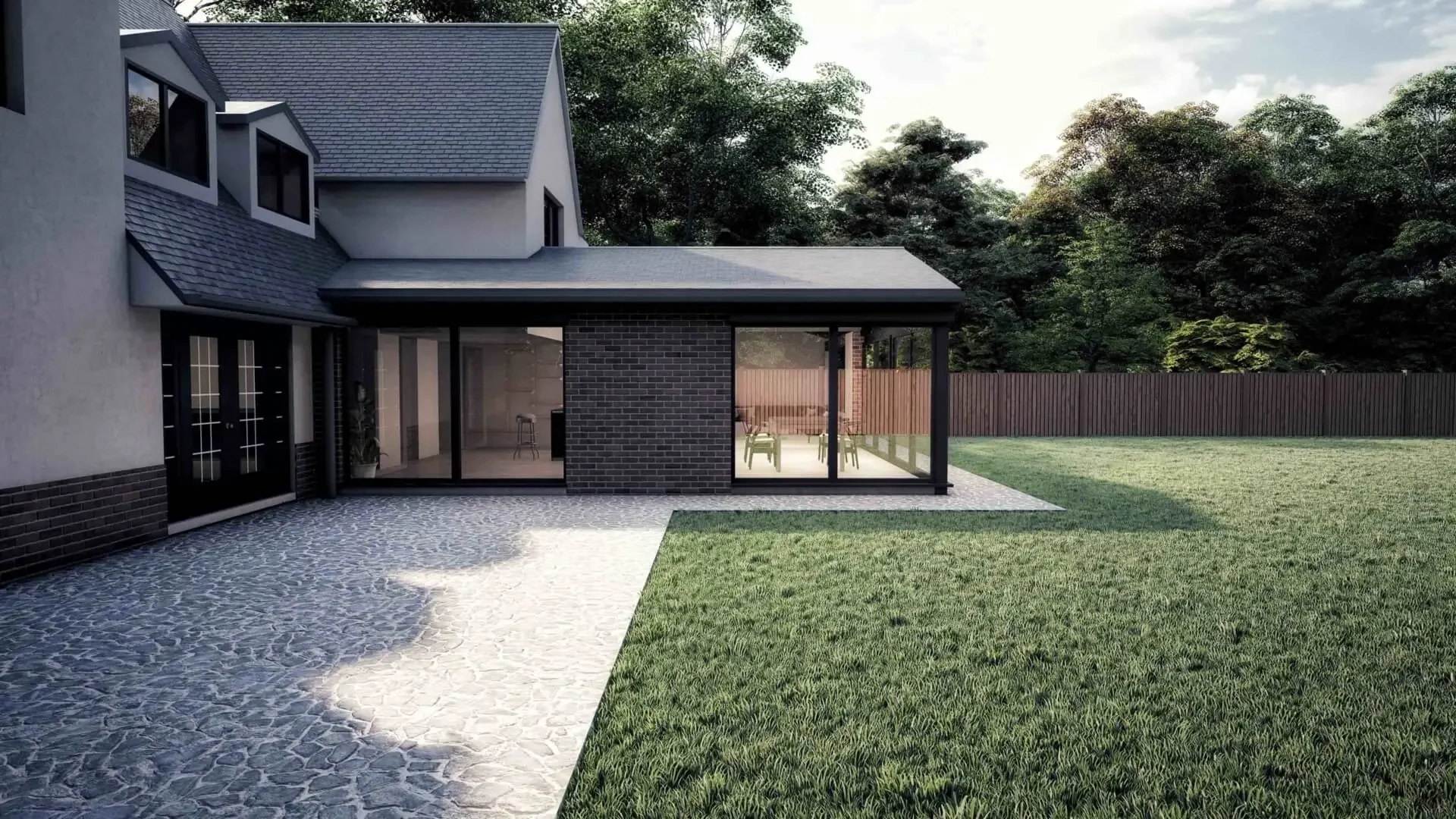
Virtual tours have become a standard expectation in many parts of the UK property market, reflecting the growing demand for convenience, transparency, and accessibility in the buying process. They allow potential buyers to explore a property in detail without needing to attend in person, offering a realistic sense of layout, space, and flow from the comfort of their own home. This is particularly valuable for buyers relocating from other areas or investing from a distance, as it enables them to assess suitability early on and shortlist properties more confidently. In a fast-moving market, virtual tours also help properties stand out by offering a more interactive and informative viewing experience compared to listings that rely solely on images.
Providing this level of access not only enhances convenience but also improves the overall quality of enquiries. Buyers who take the time to engage with a virtual tour are typically more serious and better informed before arranging an in-person viewing. This helps filter out casual interest and reduces time spent on unproductive viewings, allowing sellers and agents to focus on genuinely motivated buyers. As a result, the entire sales process becomes more efficient, with stronger engagement, better-prepared viewers, and a higher likelihood of progressing to offers. When combined with strong visuals and effective marketing, virtual tours can play a key role in accelerating sales and improving outcomes.
The Role of Presentation and Home Staging
Presentation goes far beyond simple cleanliness—it is about creating an environment that allows buyers to clearly visualise the full potential of a property and imagine themselves living there. In a competitive market, the way a home is presented can significantly influence first impressions, both online and in person. Neutral décor, balanced lighting, and thoughtful furniture placement all play a key role in shaping how space is perceived. Well-arranged rooms can appear larger, brighter, and more functional, while a cohesive and uncluttered look helps create a sense of calm and appeal that resonates with a wide range of buyers.
Home staging does not necessarily require a large financial investment, but it does require attention to detail and a strategic approach. Small yet impactful adjustments, such as removing overly personal items, decluttering surfaces, improving natural and artificial lighting, and adding simple decorative touches like cushions, plants, or artwork, can dramatically enhance the overall presentation. The goal is to create a space that feels welcoming, well-maintained, and move-in ready. A well-presented home often appears more valuable in the eyes of buyers, which can lead to increased interest, more competitive viewings, and ultimately stronger offers. In many cases, an effective presentation can be the deciding factor that sets one property apart from another similar listing.
Targeting the Right Audience
Every property has an ideal buyer, and effective marketing is about identifying that audience and speaking directly to their needs, preferences, and lifestyle expectations. A city-centre flat, for example, may naturally appeal to young professionals seeking convenience, connectivity, and modern living, while a suburban family home is more likely to attract buyers looking for space, schools, and a quieter environment. Recognising these distinctions allows you to tailor your messaging, imagery, and overall presentation in a way that feels relevant and engaging to the right audience, rather than trying to appeal broadly to everyone.
When your marketing aligns closely with buyer expectations, it creates a stronger emotional and practical connection from the outset. Buyers are more likely to engage with a property that feels suited to their lifestyle, which can lead to higher-quality enquiries and more motivated viewings. This targeted approach is far more effective than generic messaging, which often fails to highlight what truly makes a property desirable to a specific group. By focusing on the right audience and clearly communicating how the property meets their needs, you can increase interest, improve perceived value, and ultimately achieve a more efficient and successful sale.
The Value of an Experienced Estate Agent
An experienced estate agent brings far more to the table than simply listing your property—they provide strategy, market insight, and skilled negotiation that can significantly influence your outcome. With a deep understanding of local market trends, buyer behaviour, and pricing dynamics, a good agent knows how to position your property effectively to maximise interest and perceived value. They can advise on everything from presentation and pricing to timing and marketing channels, ensuring your property is introduced to the market in the strongest possible way.
A proactive agent will also take an active role throughout the entire sales process, rather than adopting a passive “list and wait” approach. This includes consistently marketing your home, promptly following up on enquiries, gathering feedback from viewings, and adjusting strategies where necessary to maintain momentum. Their ability to communicate effectively with potential buyers and negotiate confidently on your behalf can make a significant difference not only in how quickly your property sells, but also in the quality of offers you receive. In many cases, the right agent can add measurable value by securing a stronger final price while ensuring the process remains smooth and efficient from start to finish.
Timing Your Property Launch
Timing plays a subtle but important role in the success of property marketing, influencing not only how much interest your property generates but also how quickly it progresses to a sale. While properties can be sold at any time of the year, certain periods consistently see higher levels of buyer activity and engagement. Spring and early autumn are traditionally considered the strongest seasons, as improved weather, longer daylight hours, and a general sense of renewed motivation encourage more buyers to actively search, attend viewings, and make decisions. During these peak periods, properties often benefit from increased visibility, stronger competition among buyers, and a greater likelihood of achieving favourable offers.
However, timing is not purely a matter of seasonality it is also closely linked to broader market conditions and local dynamics. Factors such as interest rates, mortgage availability, economic confidence, and the balance between supply and demand all play a significant role in determining buyer behaviour at any given time. In some cases, launching a property when there is limited competition can be just as effective as listing during a traditionally busy season. Understanding these nuances allows sellers to approach the market more strategically, rather than relying solely on general trends. By carefully choosing when to launch and aligning your timing with both market conditions and local demand, you can maximise exposure, capture peak buyer interest, and ultimately improve your chances of securing a faster sale at the best possible price.
Using Feedback and Market Data
Modern property marketing benefits greatly from the use of data, analytics, and ongoing feedback, all of which provide valuable insight into how your listing is performing in real time. In today’s digital-first environment, sellers and agents have access to detailed metrics that go far beyond simple view counts. These can include how often your property appears in search results, click-through rates, the number and quality of enquiries received, and patterns in buyer engagement over time. When combined with feedback gathered during viewings, this data creates a clearer and more accurate picture of how your property is being perceived in the market.
If interest is lower than expected, these insights make it possible to respond quickly and make informed adjustments rather than waiting for the listing to stagnate. Changes might involve improving presentation, updating or reordering images to better highlight key features, refining the property description to strengthen its appeal, or reassessing the pricing strategy to ensure it aligns with current market conditions. Viewer feedback can be especially valuable, as it often reveals subtle issues such as layout concerns, décor preferences, or pricing expectations that may not be immediately obvious. By taking a flexible, data-driven approach and continuously refining your strategy, you can keep your marketing fresh, relevant, and competitive. This not only helps maintain buyer interest but also increases the likelihood of generating stronger enquiries, more productive viewings, and ultimately a faster and more successful sale.
Avoiding Common Marketing Pitfalls
Many properties struggle to sell not because of wider market conditions, but due to avoidable mistakes in how they are presented and marketed. Even in a strong or balanced market, issues such as poor presentation, low-quality images, weak or generic descriptions, and limited online visibility can significantly reduce buyer interest. In a digital-first environment where buyers compare multiple listings within seconds, even minor shortcomings can result in a property being overlooked in favour of better-presented alternatives. Overpricing remains one of the most common and damaging mistakes, as it restricts exposure within key search brackets, discourages serious enquiries, and often leads to extended time on the market. As time passes, this can create a negative perception, with buyers questioning the property’s value or assuming there may be underlying issues, ultimately forcing price reductions that weaken your position.
To achieve the best possible outcome, it is essential to ensure that every element of your marketing strategy is carefully considered, aligned, and consistently executed from the outset. From high-quality visuals and engaging, lifestyle-focused descriptions to accurate pricing, targeted promotion, and strong online visibility, each component plays a vital role in shaping buyer perception. Regularly reviewing performance, responding to feedback, and making timely adjustments can help maintain momentum and keep your listing competitive. By avoiding common pitfalls and adopting a more strategic, detail-driven approach, sellers can position their property more effectively, attract the right audience, generate stronger and more consistent enquiries, and ultimately secure a faster, smoother, and more successful sale at the best achievable price.
Blending Traditional and Digital Approaches
Although digital marketing now dominates the UK property landscape, traditional methods still play a valuable supporting role in creating well-rounded exposure. A well-placed “For Sale” board, for example, can attract attention from local buyers who may already be familiar with the area or actively looking nearby. It also increases visibility to passers-by, neighbours, and those who may not be actively searching online but are open to opportunities within their community. In addition, word-of-mouth and local awareness can be surprisingly powerful, as recommendations and informal conversations often reach potential buyers through trusted networks.
The most effective property marketing strategies combine both digital and traditional approaches to maximise overall visibility. While online platforms drive the majority of enquiries, offline methods help reinforce presence at a local level and capture additional interest that might otherwise be missed. This integrated approach ensures your property is seen not only by active online searchers but also by potential buyers within the surrounding area. By creating multiple touchpoints and maintaining consistent exposure across different channels, you increase the likelihood of attracting a wider audience, generating more enquiries, and ultimately achieving a faster and more successful sale.
Conclusion
Property marketing in the UK has evolved into a highly sophisticated and strategic process that requires careful planning, consistency, and attention to detail at every stage. Success is no longer about simply listing a home and waiting for interest; it is about presenting the property in the best possible light, reaching the right audience through the most effective channels, and creating a compelling reason for buyers to take action. In an increasingly competitive and digital-first environment, every element from visuals and descriptions to pricing, timing, and platform selection works together to shape buyer perception and influence decision-making. Sellers who understand this shift and approach marketing with a clear strategy are far more likely to stand out in a crowded and fast-moving market.
In 2026, the properties that sell the fastest and achieve the strongest prices are those supported by well-executed, multi-channel marketing strategies that combine both digital reach and local presence. Sellers who focus on high-quality presentation, accurate and competitive pricing, strong online visibility, and a clear understanding of buyer psychology are far better positioned to succeed. Ongoing monitoring, adapting to feedback, and refining your approach as the campaign progresses can further enhance results and maintain momentum. By taking a proactive, informed, and flexible approach, sellers can significantly improve their outcomes, attract more serious and motivated buyers, and navigate the selling process with greater confidence, control, and efficiency, ultimately achieving a faster sale and the best possible price.
Ready to market your property with real impact? Speak to Armaani Estates and attract the right buyers.
FAQs
What is the most effective way to market a property in the UK?
The most effective strategy combines accurate pricing, high-quality visuals, and strong online exposure through major property portals and social media. A well-presented listing with professional images and a compelling description attracts the highest level of buyer interest.
Do professional photos really help sell a house faster?
Yes, professional photography plays a major role in generating enquiries. High-quality images make a property look more appealing, increase click-through rates, and help listings stand out in a competitive market.
How important is pricing in property marketing?
Pricing is one of the most critical factors. A competitively priced property attracts more interest and can lead to quicker offers, while overpricing often results in fewer viewings and longer time on the market.
Are virtual tours worth it when selling a property?
Yes, virtual tours are highly effective. They allow buyers to explore the property remotely, attract more serious enquiries, and reduce time spent on unsuitable viewings—especially useful for out-of-area buyers.
Should I use social media to market my property?
Yes, social media is a powerful marketing tool. Platforms like Instagram and Facebook can significantly increase exposure through engaging visuals, video content, and targeted reach.
Do I need an estate agent to market my property?
While it is possible to sell privately, an experienced estate agent offers valuable expertise in pricing, marketing strategy, and negotiation, helping you achieve a faster sale and potentially a better price.
