
Property Photography Tips to Sell Faster UK
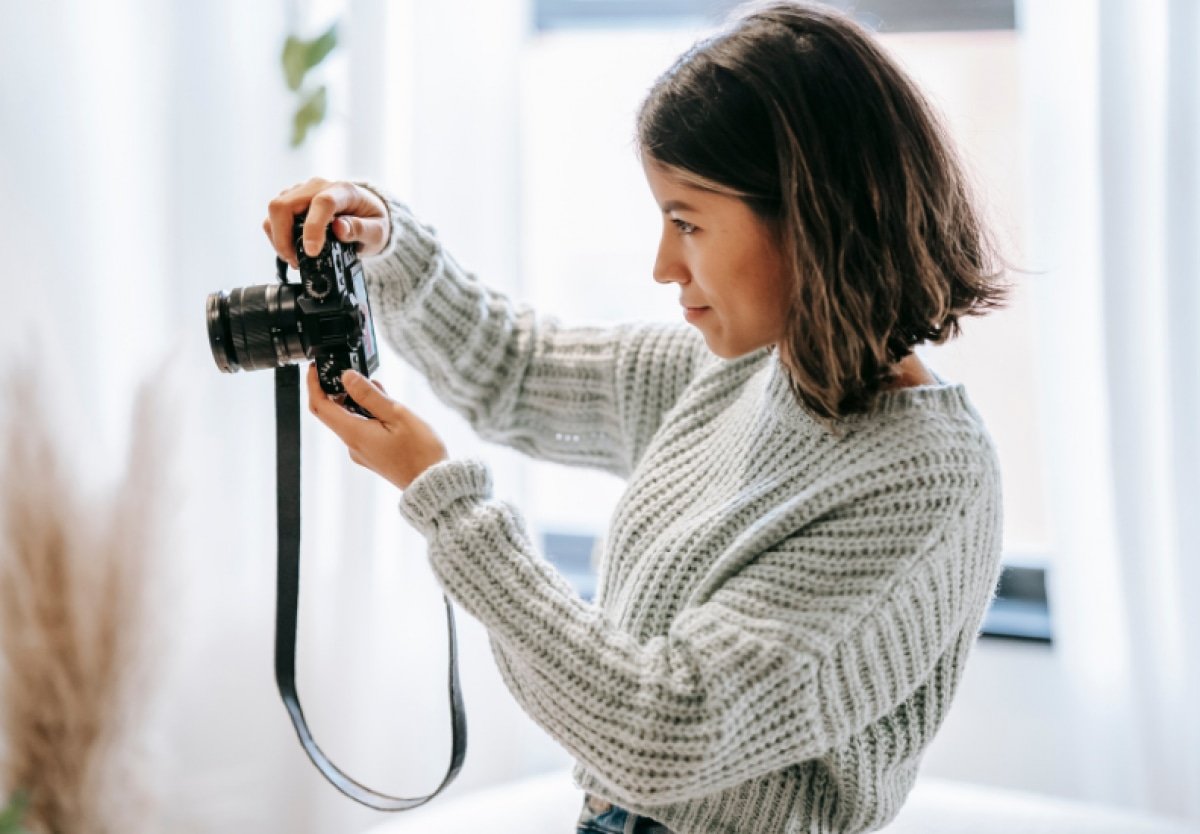
Property photography has become one of the most important elements of selling a home in the UK. The vast majority of buyers begin their property search online, often scrolling through dozens of listings before deciding which homes are worth viewing in person. In many cases, photographs create the first impression a buyer has of a property, making them a critical factor in generating interest and securing viewings.
A well-presented property can attract significantly more attention than a similar home with poor-quality images. Buyers often make instant judgments based on photographs, and if a property fails to stand out online, potential viewers may simply move on to competing listings. High-quality photography not only increases visibility but can also help a property sell more quickly and potentially achieve a stronger sale price.
Table of Contents
How to Take Photos That Sell Your Property
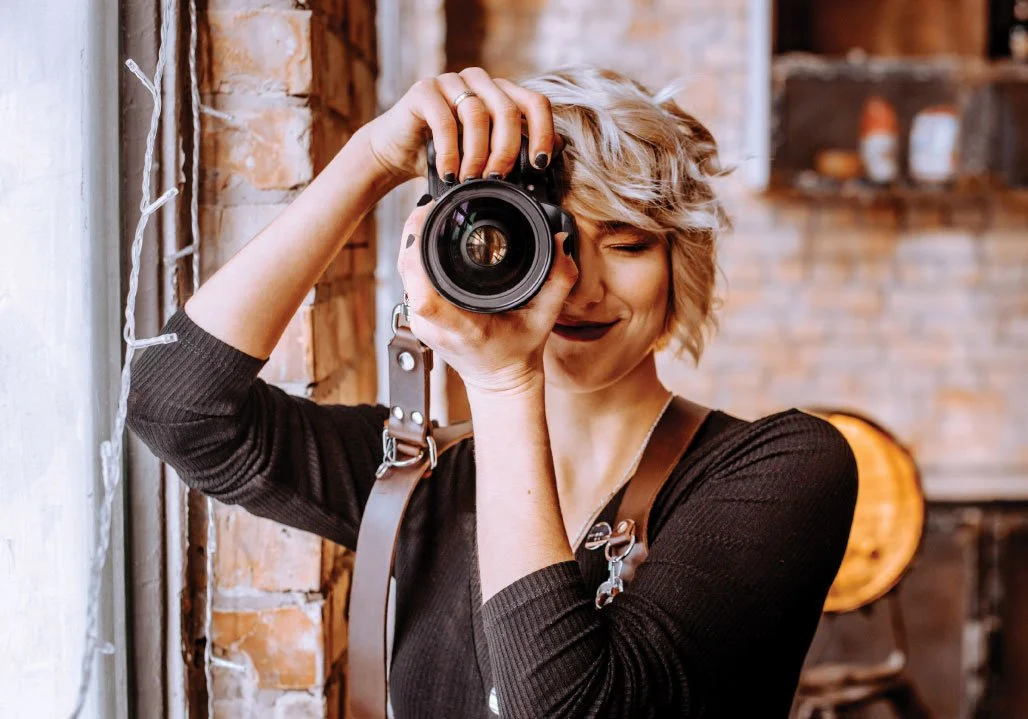
High-quality photos are one of the most powerful tools when marketing a property, as they create the first impression for potential buyers online. Well-composed, bright, and inviting images can instantly capture attention, increase viewing enquiries, and help your listing stand out in a competitive market. In many cases, buyers decide whether to book a viewing based solely on the photos they see.
Taking effective property photos is not just about having a good camera it’s about preparation, lighting, and presentation. By showcasing your home in its best condition, highlighting space and natural light, and choosing the right angles, you can significantly improve how your property is perceived and ultimately increase its chances of selling quickly.
Prepare the Property Before Taking Photographs
Even the best camera cannot compensate for a poorly presented property. Preparation is often the most important stage of property photography because every detail captured in an image influences buyer perception.
Decluttering Creates More Space
One of the simplest ways to improve photographs is to remove unnecessary items from rooms. Excess furniture, personal belongings, and crowded surfaces can make spaces appear smaller than they actually are.
Buyers are naturally attracted to homes that feel spacious, organised, and easy to maintain. Clearing worktops, tidying shelves, and removing excess decorative items allows rooms to appear larger and more functional. Storage areas should also be organised because buyers often inspect wardrobes, cupboards, and utility spaces during viewings.
Deep Cleaning Improves Presentation
Cleanliness has a significant impact on property photography. Dust, fingerprints, stains, and clutter become much more noticeable in high-resolution images.
Particular attention should be paid to kitchens and bathrooms because buyers often focus heavily on these rooms when evaluating a property. Clean appliances, polished surfaces, sparkling taps, and fresh grout can make a property appear better maintained and more attractive.
Windows should also be cleaned thoroughly to maximise natural light and improve overall image quality.
Depersonalising the Interior
While sellers may feel emotionally connected to family photographs, personalised décor, and unique collections, buyers often find it easier to imagine themselves living in a property when personal items are reduced.
Neutral presentation helps broaden the property's appeal. The goal is not to remove all character but to create a welcoming environment that allows potential buyers to visualise their own lifestyle within the space.
Make the Most of Natural Light
Lighting is one of the most important factors in successful property photography. Bright, well-lit rooms generally appear larger, cleaner, and more inviting than dark or poorly illuminated spaces.
Photograph During the Right Time of Day
Natural light changes throughout the day, and timing can significantly affect the final images. Morning or early afternoon often provides the most balanced lighting for interior photography.
Properties with large south-facing windows may benefit from different shooting times than homes with limited natural light. Understanding how sunlight enters the property can help photographers choose the most flattering conditions.
Open Curtains and Blinds
Allowing as much natural light as possible into each room helps create bright and appealing photographs. Curtains and blinds should generally be opened fully before taking pictures.
Artificial lighting can also be used to supplement natural light, particularly during darker months or in rooms with limited window space. Switching on lamps and ceiling lights can create a warmer atmosphere and reduce shadows.
Avoid Harsh Lighting
Excessively bright sunlight can sometimes create strong shadows and overexposed areas. The aim should be to achieve balanced lighting that highlights room features without washing out important details.
Professional photographers often use techniques that balance indoor and outdoor brightness, ensuring windows remain visible without making interiors appear dark.
Choose the Best Angles for Each Room
The angle from which a photograph is taken can dramatically influence how spacious and attractive a room appears.
Photographs should generally capture as much of the room as possible without distorting proportions. Standing in doorways or corners often provides wider perspectives and allows viewers to understand room layouts more clearly.
Wide-angle lenses are commonly used in property photography because they help showcase space effectively. However, excessive use can create unrealistic images that may disappoint buyers when they visit in person.
Highlight Key Features
Every property has unique selling points that should be showcased through photography. Features such as fireplaces, large windows, original architectural details, modern kitchens, garden views, and open-plan layouts often attract buyer attention.
Instead of focusing solely on empty space, photographs should tell a story about how the property can be enjoyed. A bright dining area, attractive garden patio, or stylish kitchen island can help buyers connect emotionally with the home.
Maintain Straight Lines
Crooked walls, tilted horizons, and uneven compositions can make photographs appear unprofessional. Keeping vertical and horizontal lines straight creates a cleaner and more polished appearance.
Many modern cameras and smartphones include grid features that help photographers maintain proper alignment.
Prioritise the Most Important Rooms
While every part of a property contributes to buyer perception, some rooms have a greater influence on purchasing decisions than others.
The living room is often considered the heart of the home and should be presented particularly well. Comfortable furniture arrangements, good lighting, and uncluttered surfaces help create an inviting atmosphere.
Kitchens are another major selling point. Buyers often associate kitchens with lifestyle, functionality, and family living. Clean worktops, attractive finishes, and organised spaces photograph particularly well.
Bedrooms should feel calm, spacious, and relaxing. Making beds neatly, removing excess furniture, and creating symmetry can improve visual appeal considerably.
Bathrooms also deserve attention because buyers recognise that bathroom renovations can be costly. Clean tiles, polished fittings, and fresh presentation can make a strong positive impression.
Outdoor Spaces Matter Too
Gardens, patios, balconies, and driveways often influence buyer decisions significantly. Outdoor photographs should not be overlooked, particularly since outdoor space remains highly desirable across much of the UK property market.
Mowing lawns, trimming hedges, removing bins, and arranging outdoor furniture can help create appealing exterior images.
Professional Photography Versus DIY Photography
Many sellers wonder whether professional photography is worth the investment. While modern smartphones can produce impressive images, professional photographers often bring valuable expertise that improves overall presentation.
The following table highlights some key differences.
Optimise Images for Online Property Listings
Property portals are where most buyers first encounter a home. Therefore, photography should be designed specifically for online viewing.
The First Image Matters Most
The main image often determines whether a buyer clicks on a listing. This photograph should usually showcase the property's strongest feature, whether that is an attractive exterior, a modern kitchen, or a bright living area.
A weak first image can reduce click-through rates even if the rest of the property is impressive.
Include a Balanced Selection of Photos
Listings should provide a comprehensive overview of the property. Buyers want to understand room sizes, layout, condition, and outdoor spaces before arranging a viewing.
Too few images may create uncertainty, while too many repetitive photographs can reduce engagement. The goal is to provide enough information to generate confidence and interest.
Maintain Consistency
Photographs should have a consistent style, brightness level, and presentation quality throughout the listing. Consistency creates a more professional appearance and improves buyer confidence.
Poorly matched images with varying quality levels can make a property appear less attractive overall.
Common Property Photography Mistakes to Avoid
Many sellers unintentionally make photography mistakes that reduce buyer interest.
Dark photographs are among the most common issues. Poor lighting can make rooms appear smaller and less inviting than they actually are. Overediting is another frequent problem. While minor adjustments are useful, excessively edited photographs can create unrealistic expectations and disappointment during viewings.
Messy rooms, visible clutter, pet items, overflowing bins, and untidy gardens can also distract buyers from the property's strengths.
Photographs should accurately represent the home while presenting it in the best possible light. Buyers value honesty and may become sceptical if images appear misleading.
Another mistake is ignoring exterior photography. Buyers often form opinions before they even enter the property, making curb appeal an important part of the marketing process.
Conclusion
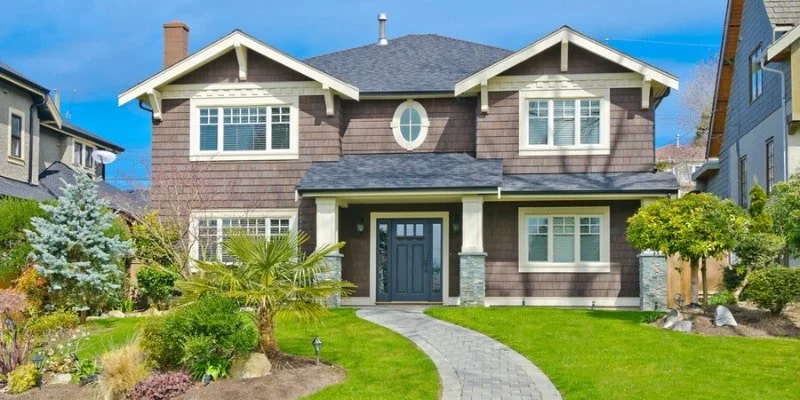
Property photography plays a crucial role in selling homes quickly in the UK market. With most buyers beginning their search online, photographs often determine whether a property receives enquiries, viewings, and offers. Strong images can help a home stand out among competing listings, create positive first impressions, and attract serious buyers more effectively.
Successful property photography begins with preparation. Decluttering, cleaning, improving lighting, and presenting rooms thoughtfully can transform the way a property appears online. Choosing effective angles, highlighting key features, and showcasing outdoor spaces further strengthen buyer interest.
Whether using professional photography services or taking photographs independently, the focus should always remain on presenting the property as bright, spacious, welcoming, and well-maintained. Sellers who invest time in high-quality photography often improve their chances of securing faster sales and achieving stronger results in a competitive housing market.
Not sure how to get your home ready before listing? Speak to Armaani Estates today.
FAQs
Does professional property photography help sell homes faster?
Professional photography often increases online engagement and viewing enquiries, which can help properties attract buyers more quickly.
What is the best time of day to photograph a property?
Morning or early afternoon usually provides the most balanced natural light, although the ideal time depends on the property's orientation.
Should I use a smartphone for property photography?
Modern smartphones can produce good results, but professional equipment and expertise often create higher-quality images that perform better online.
How many photographs should a property listing include?
Most listings benefit from a balanced selection of images that clearly showcase all main rooms, exterior areas, and key selling features.
Do clean homes photograph better?
Yes. Clean, organised properties generally appear brighter, larger, and more attractive in photographs.
Should sellers be present during professional photography?
Many photographers prefer sellers to be absent so they can work efficiently and focus fully on staging and composition.
