
Should You Buy a Fixer Upper in the UK?
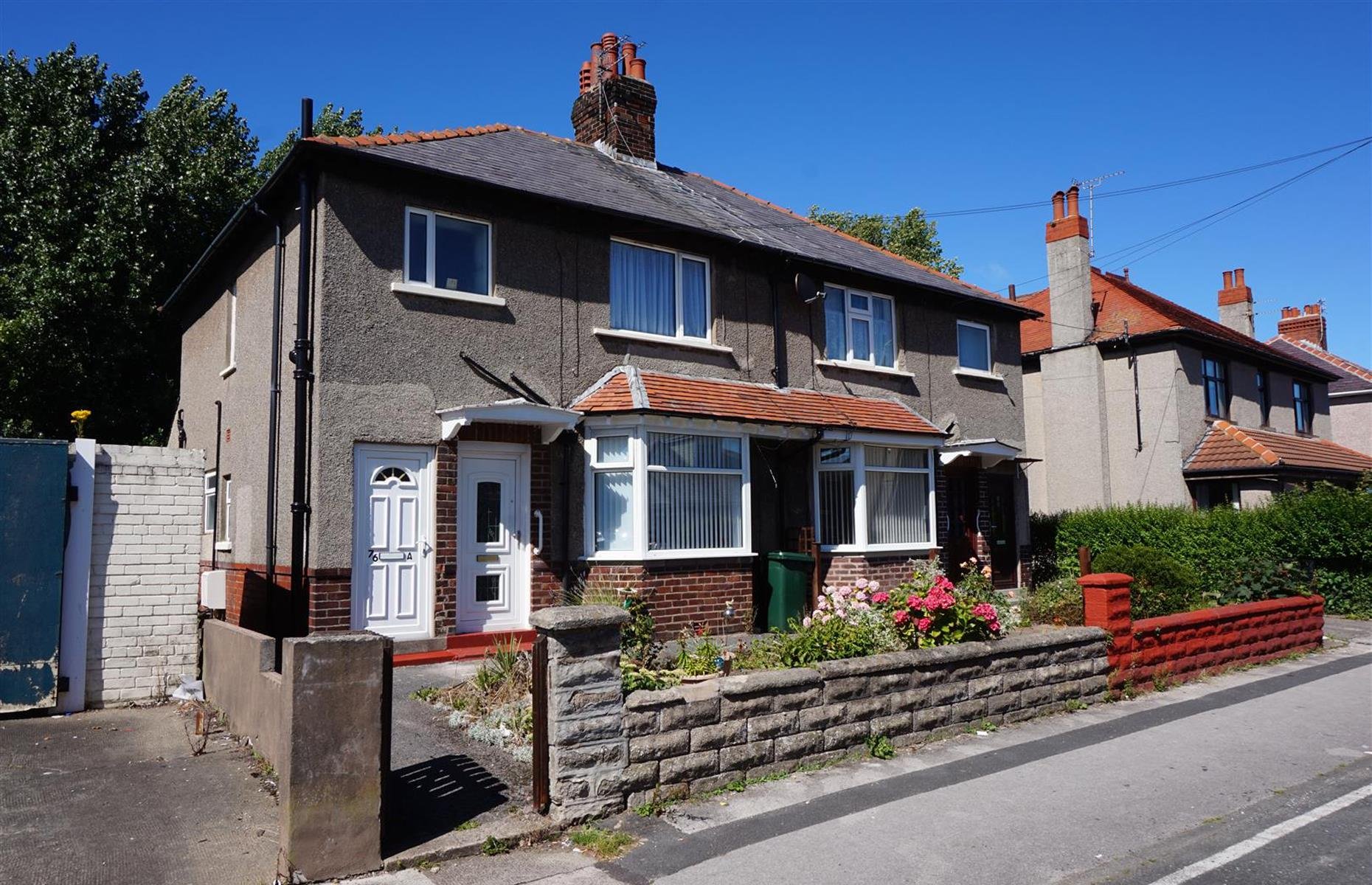
The idea of buying a fixer upper has become increasingly attractive across the UK property market. Rising house prices, limited housing supply, and the growing popularity of renovation programms have encouraged many buyers to consider homes that need improvement rather than purchasing fully modernized properties. For some people, a fixer upper represents an opportunity to secure a larger home in a better area for less money. For others, it offers the chance to create a property tailored to their personal taste and lifestyle.
In cities such as Bradford and Leeds, where property markets continue to evolve and demand remains steady, fixer uppers often attract first-time buyers, landlords, developers, and families searching for long-term value. However, while renovation projects can deliver strong rewards, they also involve risks, costs, delays, and unexpected complications that many buyers underestimate.
Table of Contents
What Is a Fixer Upper?
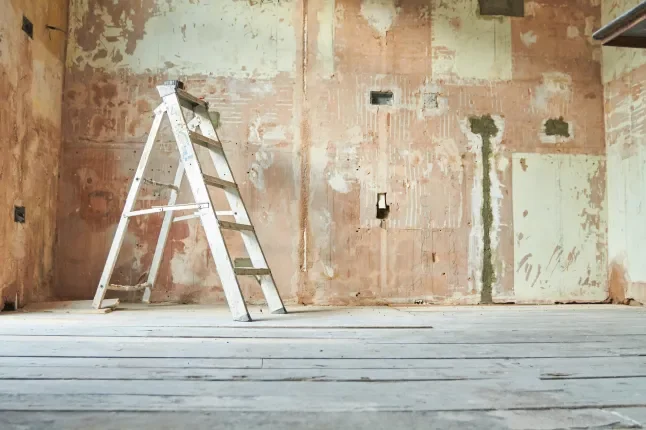
A fixer upper is a property that requires repairs, renovation, or modernisation before it reaches its full market value or becomes fully comfortable to live in. The level of work needed can vary significantly from one property to another.
Some homes may only require cosmetic improvements such as repainting walls, replacing flooring, updating kitchens, or modernising bathrooms. Others may involve structural work, roof replacement, rewiring, plumbing upgrades, damp treatment, or extensive rebuilding.
In the UK property market, fixer uppers can be found in a wide variety of property types and sales situations. Older terraced homes are among the most common, particularly in cities with large stocks of traditional housing such as Bradford and Leeds. Victorian and Edwardian properties also frequently require renovation due to their age, outdated interiors, or long-term maintenance issues.
Many buyers are attracted to older homes because they often provide larger room sizes, traditional architectural features, and desirable locations that would otherwise be unaffordable in renovated condition.
Why Fixer Uppers Appeal to UK Buyers
One of the main reasons buyers consider fixer-uppers is affordability. A property needing work is usually priced lower than similar homes in good condition. This price difference creates an opportunity to add value through renovation.
In competitive housing markets, buyers who cannot afford fully renovated homes may find fixer-uppers to be their only route into desirable neighbourhoods.
Another major attraction is creative freedom. Renovating a home allows buyers to design kitchens, bathrooms, layouts, and interiors according to their own preferences rather than accepting someone else’s choices.
For investors and landlords, fixer-uppers can offer strong returns if renovation costs are controlled carefully. Improving a neglected property may increase rental income and resale value significantly.
Some buyers also enjoy the process of renovation itself. Turning a dated or damaged property into a comfortable modern home can be personally rewarding, especially for those with construction knowledge or DIY skills.
The Financial Benefits of Buying a Fixer Upper
Lower Purchase Price
The most obvious advantage is the reduced asking price. Properties requiring work are often discounted because many buyers prefer homes that are ready to move into immediately.
This lower entry price may help buyers secure homes in areas that would otherwise exceed their budget. In some parts of the UK, the gap between renovated and unrenovated homes can be substantial. Buyers who renovate wisely may build equity relatively quickly.
Potential for Increased Property Value
A successful renovation can significantly improve the market value of a property. Upgraded kitchens, modern bathrooms, energy-efficient improvements, and structural repairs often increase buyer appeal.
Properties that are modernised to a high standard may command considerably higher resale prices compared to their original purchase cost.
However, profitability depends heavily on buying at the right price and controlling renovation expenses.
Reduced Competition
Many buyers avoid renovation projects due to fear of unexpected costs or inconvenience. This can reduce competition and create stronger negotiating opportunities. Properties that have been sitting on the market for longer periods may also allow buyers to negotiate better prices.
The Importance of Property Surveys
One of the biggest mistakes buyers make when purchasing fixer uppers is relying solely on basic mortgage valuations. A proper survey is essential.
HomeBuyer Reports
Suitable for properties with moderate visible issues, these reports identify common defects and maintenance concerns.
Building Surveys
For older or heavily damaged properties, a full building survey provides detailed analysis of structural condition, defects, and repair priorities. A comprehensive survey may reveal problems that could affect:
Safety
Mortgage approval
Insurance
Future resale value
Although surveys involve upfront costs, they may save buyers thousands of pounds later.
Planning Permission and Building Regulations
Many buyers assume that once they purchase a fixer upper, they can immediately begin renovation work without restrictions. In reality, UK property renovations are often subject to legal requirements that vary depending on the scale of the project and the type of property involved. Understanding the difference between planning permission and building regulations is extremely important before starting any work.
How Renovation Affects Resale Value
One of the biggest goals for many fixer upper buyers is increasing future resale value. However, not every renovation guarantees profit.
Over-improving a property beyond local market expectations can limit returns. Buyers should consider the ceiling price within the neighbourhood before investing heavily.
The most valuable improvements often include:
Modern kitchens
Updated bathrooms
Energy efficiency upgrades
Additional bedrooms
Open-plan layouts
Structural repairs
Poor-quality workmanship or unusual design choices may reduce buyer appeal later. Understanding local market demand is essential when planning renovations.
The Risks of Underestimating Costs
Under-budgeting is one of the most common reasons renovation projects become financially and emotionally stressful. Many buyers initially focus on the visible improvements they want to make, such as installing a new kitchen, replacing flooring, decorating rooms, or modernising bathrooms. However, the true cost of renovating a fixer upper often extends far beyond the obvious upgrades seen during property viewings.
Hidden Expenses Add Up Quickly
Many renovation projects involve additional costs that buyers fail to consider at the beginning. Expenses such as skip hire, waste disposal, surveys, insurance, permit fees, VAT, and professional drawings can significantly increase the overall budget. Older properties may also require specialist reports or inspections before major work begins, adding further financial pressure.
Unexpected Structural Problems
Some of the most expensive renovation issues remain hidden until construction work has already started. Problems such as damp, roof damage, timber decay, faulty plumbing, or outdated electrical systems can quickly turn a manageable project into a costly one. These repairs are often unavoidable and may delay other planned improvements.
Rising Labour and Material Costs
Construction costs in the UK can fluctuate considerably depending on labour availability and material prices. Delays, contractor shortages, and inflation can all increase renovation expenses during the project itself. Buyers working with limited budgets may struggle if costs rise unexpectedly after work has already begun.
The Importance of a Contingency Budget
Even carefully planned renovation projects can face unexpected expenses, which is why having a contingency fund is extremely important. Many experienced renovators set aside additional savings to cover unforeseen repairs or delays. Financial flexibility can help reduce stress and prevent projects from becoming financially overwhelming.
When a Fixer Upper May Not Be Worth It
Although fixer uppers can create opportunities, they are not suitable for everyone.
In some situations, purchasing a modernised property may be the safer decision.
A fixer upper may not be worthwhile if:
Renovation costs exceed local property values
Structural problems are severe
Financing is limited
Time constraints are significant
Buyers lack renovation experience
Emotional stress becomes overwhelming
Sometimes paying more upfront for a move-in-ready property may actually reduce long-term financial risk.
Signs of a Potentially Good Fixer Upper
Certain characteristics may indicate stronger renovation potential.
These include:
Solid structural condition
Desirable location
Strong local demand
Reasonable renovation scope
Competitive purchase price
Scope for adding bedrooms or space
Good transport connections
Properties requiring mainly cosmetic updates are generally less risky than homes with major structural concerns.
Balancing Risk and Reward
Buying a fixer upper always involves balancing potential rewards against possible risks.
For some buyers, renovation projects create substantial financial and personal benefits. For others, unexpected costs and stress can outweigh any gains.
Success usually depends on:
Buying at the right price
Conducting proper surveys
Managing renovation costs carefully
Understanding local property markets
Maintaining realistic expectations
Careful planning is often the difference between a successful renovation and an expensive mistake.
Conclusion
Buying a fixer upper in the UK can be both exciting and financially rewarding, but it is rarely simple. Renovation projects offer opportunities to create personalised homes, build property value, and access desirable locations at lower purchase prices. At the same time, they can involve hidden defects, rising costs, planning complications, financing difficulties, and considerable stress.
The right fixer upper for one buyer may be completely unsuitable for another. Buyers with realistic budgets, patience, reliable professional support, and a clear understanding of renovation risks are often better positioned to succeed.
Whether purchasing in Bradford, Leeds, or elsewhere in the UK, careful research and thorough property assessment remain essential. A fixer upper should never be judged solely by its asking price. Understanding the true cost of renovation, the local market, and long-term goals is far more important when deciding whether the investment genuinely makes sense.
Need help deciding if a renovation property is worth it? Contact Armaani Estates now.
FAQs
Are fixer uppers cheaper in the UK?
Yes, fixer uppers are usually priced lower than fully renovated properties because they require repairs or modernisation. However, buyers must also consider renovation expenses when calculating overall affordability.
Can you get a mortgage on a fixer upper?
In many cases, yes. However, properties in very poor condition may require specialist renovation mortgages or larger deposits.
Is buying a fixer upper a good investment?
It can be if renovation costs are controlled and the property is purchased at the right price. Success depends heavily on location, budgeting, and market conditions.
What is the biggest risk when buying a fixer upper?
Hidden structural problems are often the biggest risk. Issues such as subsidence, damp, roof damage, or outdated electrics can become extremely expensive to repair.
Are fixer uppers suitable for first-time buyers?
Some are, especially properties needing mainly cosmetic updates. Large structural renovation projects may be more difficult for inexperienced buyers to manage.
How much extra should you budget for renovations?
Many property professionals recommend keeping an additional contingency budget of at least 10–20% for unexpected costs.
Do older UK homes always need major renovation?
Not necessarily. Some older properties are very well maintained, while others may require extensive repairs. A detailed survey is essential.
Is it better to renovate or buy a finished home?
This depends on budget, time, experience, and personal preference. Renovation may offer greater value potential, while finished homes provide convenience and lower stress.
Are fixer uppers common in Bradford and Leeds?
Yes, both cities have a wide range of older terraced and period properties that often attract buyers looking for renovation opportunities.
