
Top Renovations That Add Value to UK Homes
In today’s competitive UK property market, making the right renovations can dramatically increase both the desirability and the financial worth of your home. From charming Victorian terraces in Bradford to spacious family homes in Shipley, Baildon, and Idle, strategic improvements help properties stand out and achieve higher sale prices.
The UK housing market in 2026 continues to show resilience. Buyers are more selective than ever, prioritising homes that feel modern, energy-efficient, and ready for modern family life or remote working. With average house prices in Bradford sitting at approximately £187,000 as of early 2026, even modest, well-planned renovations can add thousands to a property’s value while making it easier and quicker to sell.
Nationally, certain renovations consistently deliver strong returns. Loft conversions and well-executed extensions can add 10-24% to a home’s value, while targeted kitchen and bathroom updates often recover 60-80% of their costs. In Bradford and surrounding West Yorkshire areas, thoughtfully chosen upgrades in diverse neighbourhoods frequently help properties achieve 5-12% higher offers compared to similar unmodernised homes.
Table of Contents
Strategic Renovations to Increase Property
Making the right renovation choices can significantly boost your property’s value without unnecessary overspending. In markets like Bradford and across West Yorkshire, buyers are increasingly drawn to homes that combine modern living standards with practical, well-designed spaces. Focusing on high impact improvements such as kitchens, bathrooms, and energy efficiency upgrades—can deliver strong returns while making your property more competitive in a crowded market.
Successful renovation is not just about aesthetics; it’s about strategy. Understanding local buyer demand, setting a realistic budget, and prioritising upgrades that add both functionality and visual appeal are key. Whether you’re preparing to sell or looking to maximise long-term value, a well-planned renovation approach can transform your property into a more desirable and valuable asset.
The Bradford and West Yorkshire Property Landscape in 2026
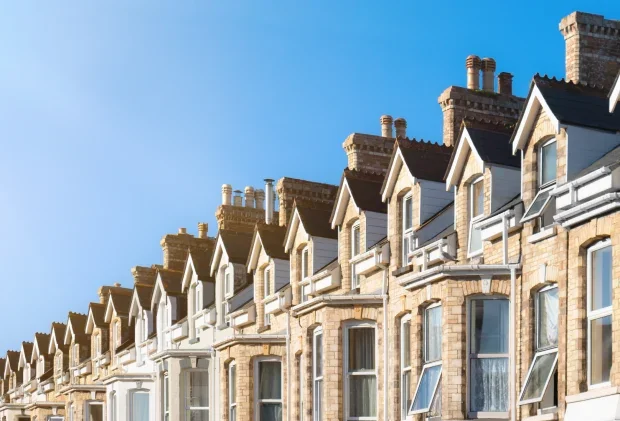
Bradford’s housing market features a rich mix of period homes, post-war semis, and newer developments. Many properties still retain original features but require modernisation to meet today’s buyer expectations. Average prices have seen modest growth, with terraced homes typically around £150,000-£180,000, semi-detached properties £200,000-£230,000, and detached homes commanding higher values in desirable suburbs.
Buyers in this region often look for practical family homes with good transport links to Leeds, Manchester, and beyond. Energy efficiency has become a major factor due to ongoing utility costs and stricter EPC requirements from lenders. Properties with EPC ratings of C or above tend to attract more interest and better mortgage terms. Additionally, flexible living spaces such as home offices or multi-purpose rooms remain highly desirable following changes in working patterns.
Renovated homes in areas like Heaton, Eccleshill, Manningham, and Saltaire tend to sell noticeably faster. Buyers appreciate properties that combine character with contemporary comfort, without the need for immediate major works.
Kitchen Renovations: Creating the Hub of the Home
The kitchen remains one of the most important rooms for buyers. A tired or outdated kitchen can put off potential purchasers, while a bright, functional, and sociable space often becomes the deciding factor in a sale.
Why kitchens deliver strong value: They serve as the heart of family life and entertaining. A modern kitchen signals that the property is well-maintained and reduces the buyer’s future workload. Minor to mid-range updates frequently achieve 60-80% ROI, and in some cases up to 96% for cosmetic refreshes, while contributing 5-10% or more to overall property value.
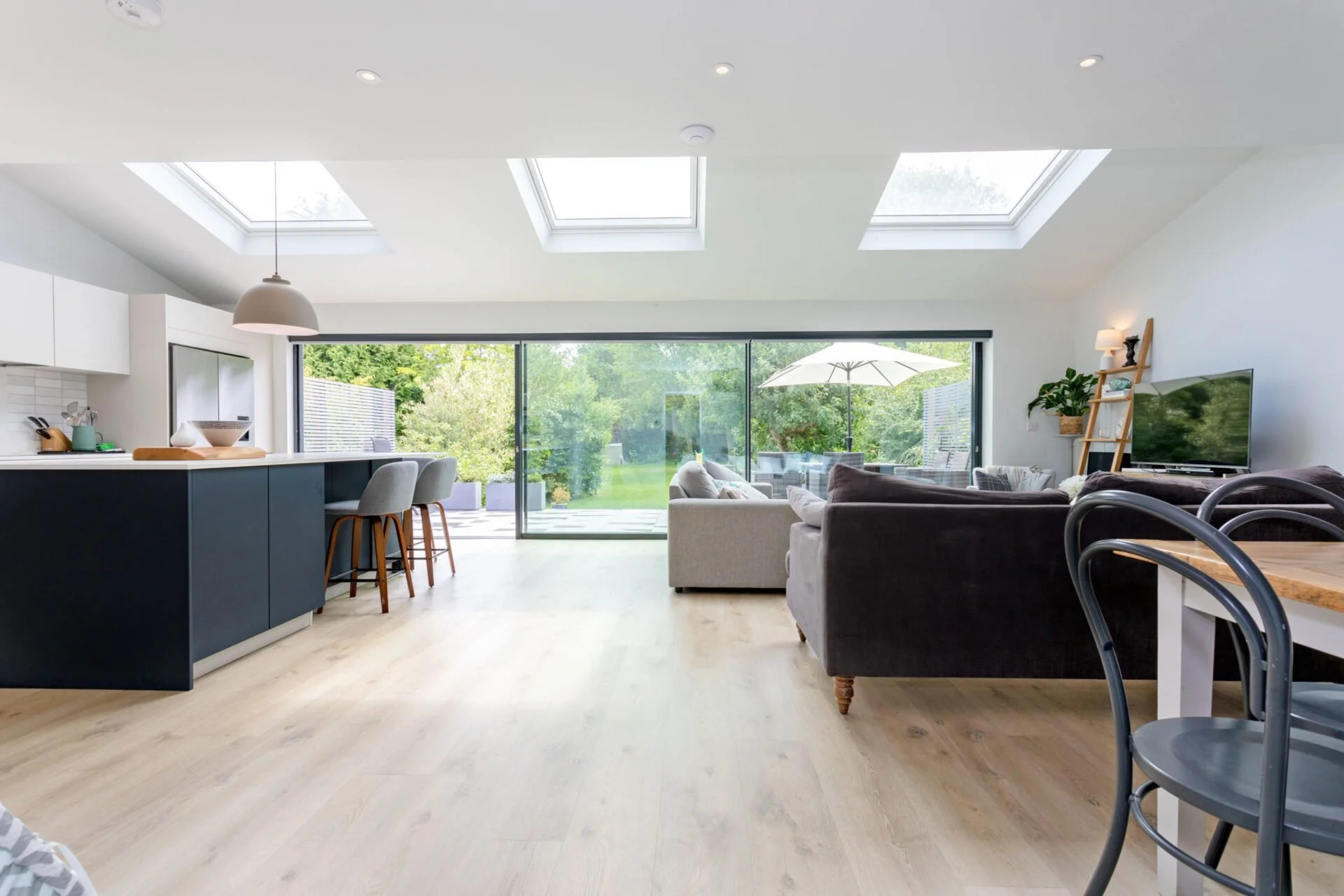
In Bradford’s terraced and semi-detached homes, creating an open-plan kitchen-diner is particularly popular. Removing internal walls (subject to structural checks) and adding bifold or sliding doors to the garden can transform the flow and feeling of light in the property.
Different Approaches and Investment Levels:
Budget cosmetic refresh: Updating worktops, repainting or replacing cabinet doors, new flooring, modern lighting, and splashbacks. Typical cost: £3,000-£8,000. This option works well for sellers wanting quick results with high returns.
Mid-range full remodel: New cabinetry, integrated appliances, improved layout, and quality finishes. Cost: £10,000-£25,000. Ideal for most Bradford family homes.
Major project with extension: Adding significant space for an island, dining area, or utility room. Cost: £25,000-£50,000+. This can substantially increase both living space and perceived value.
When planning a kitchen, choose timeless neutral tones with durable materials suitable for family use. Energy-efficient appliances and good storage solutions are especially appealing. Local builders in Bradford often recommend quartz or granite worktops for their longevity and easy maintenance in busy households.
A well-designed kitchen not only boosts the sale price but also generates more viewings and emotional connections from buyers who can immediately imagine living there.
Bathroom Renovations and Adding Extra Facilities
Bathrooms rank second only to kitchens in buyer priorities. An outdated bathroom can raise concerns about hidden repair costs, whereas modern, clean, and efficient bathrooms reassure purchasers.
Value contribution: Updates typically return 50-70% of investment and add 3-5% to the property’s overall worth. Adding an extra bathroom or en-suite can increase value by up to 25% in certain properties by improving bedroom usability and family convenience.
Popular Options in Bradford:
Refreshing the existing family bathroom with a new suite, tiles, shower enclosure, and underfloor heating (£5,000-£12,000).
Creating a downstairs cloakroom or converting part of a bedroom/utility into an en-suite (£8,000-£18,000).
In older Yorkshire homes, it is wise to address any underlying issues like damp, outdated plumbing, or poor ventilation during the works. Water-efficient fixtures and good natural light help improve EPC ratings. Many buyers now expect at least two bathrooms in three-bedroom-plus homes.
Loft Conversions: Maximising Existing Space
Loft conversions continue to be one of the smartest renovations in 2026, particularly in space-constrained urban and suburban areas like Bradford.
Benefits: They can add a new bedroom, office, or playroom without altering the property’s footprint. This often transforms a three-bedroom home into a four-bedroom one, potentially adding 10-24% to the property value (£40,000-£80,000+ depending on the home) with ROI typically between 60-75%.
Key Considerations: A structural survey is essential. Costs generally range from £30,000-£65,000 for a standard conversion, rising if you include an en-suite. Building regulations cover insulation, fire safety, and head height. In Bradford, many period terraces have suitable roof spaces, but you must check for chimney stacks or other constraints.
This type of project appeals strongly to growing families and professionals needing quiet workspace. When designed sensitively, it maintains the external character of the home while delivering significant internal transformation.
Extensions and Garage Conversions
Adding living space through extensions or garage conversions remains a highly effective strategy.
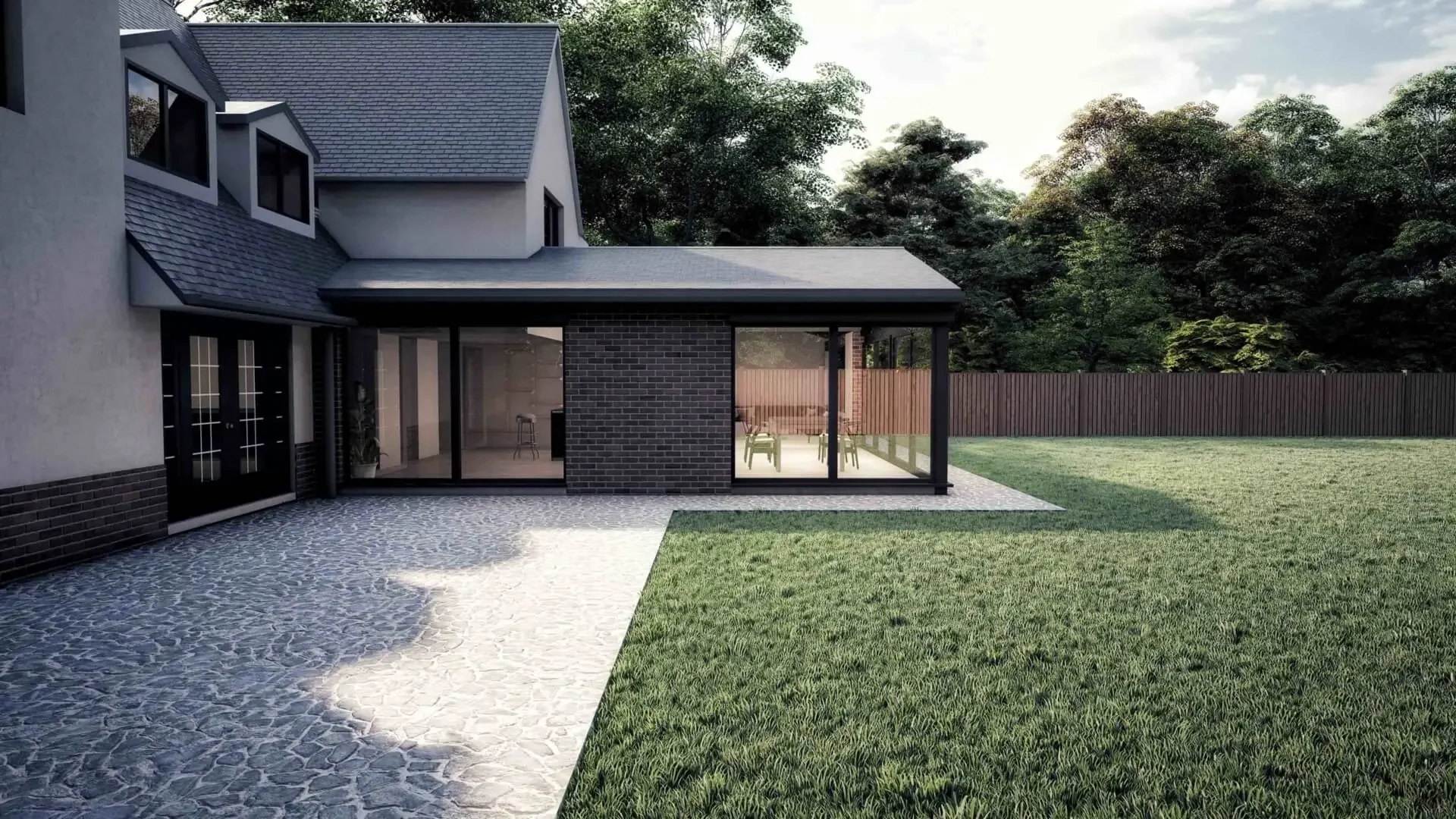
Single-storey extensions (often for kitchens or living areas): Can add 5-10% to value. Average costs £20,000-£45,000 depending on size and specification.
Double-storey extensions: Deliver higher uplift (10-15%) but require more investment and planning.
Garage conversions: Frequently achieve excellent ROI (often over 100%) as they convert unused or underused space into valuable habitable rooms such as home gyms, offices, or additional bedrooms. Costs typically £7,000-£18,000. This is especially practical in Bradford suburbs, where many homes have attached or detached garages.
Always verify planning permission and permitted development rights. Designing extensions that blend architecturally with the original building preserves and even enhances curb appeal.
Energy Efficiency and Sustainability Upgrades
With energy prices remaining a concern and EPC standards gaining importance, green improvements offer both immediate and long-term benefits.
High-Impact Projects:
Replacing boilers with modern combi or air-source heat pumps.
Loft, cavity wall, and floor insulation.
Double or triple glazing.
Solar panels and battery storage.
External wall insulation.
Improving your EPC rating from D to B or higher can add 4-15%+ to value in some cases, while reducing running costs and making the home more attractive to eco-conscious buyers and mortgage providers.
In Bradford’s older housing stock, these upgrades are particularly valuable. Government grants and schemes occasionally help offset costs, improving overall returns.
Enhancing Curb Appeal and Exterior Works
First impressions count heavily in the age of online property portals. Strong exterior presentation can significantly influence buyer interest.
Effective Enhancements:
Fresh rendering, painting, or new cladding.
Replacing the front door and windows.
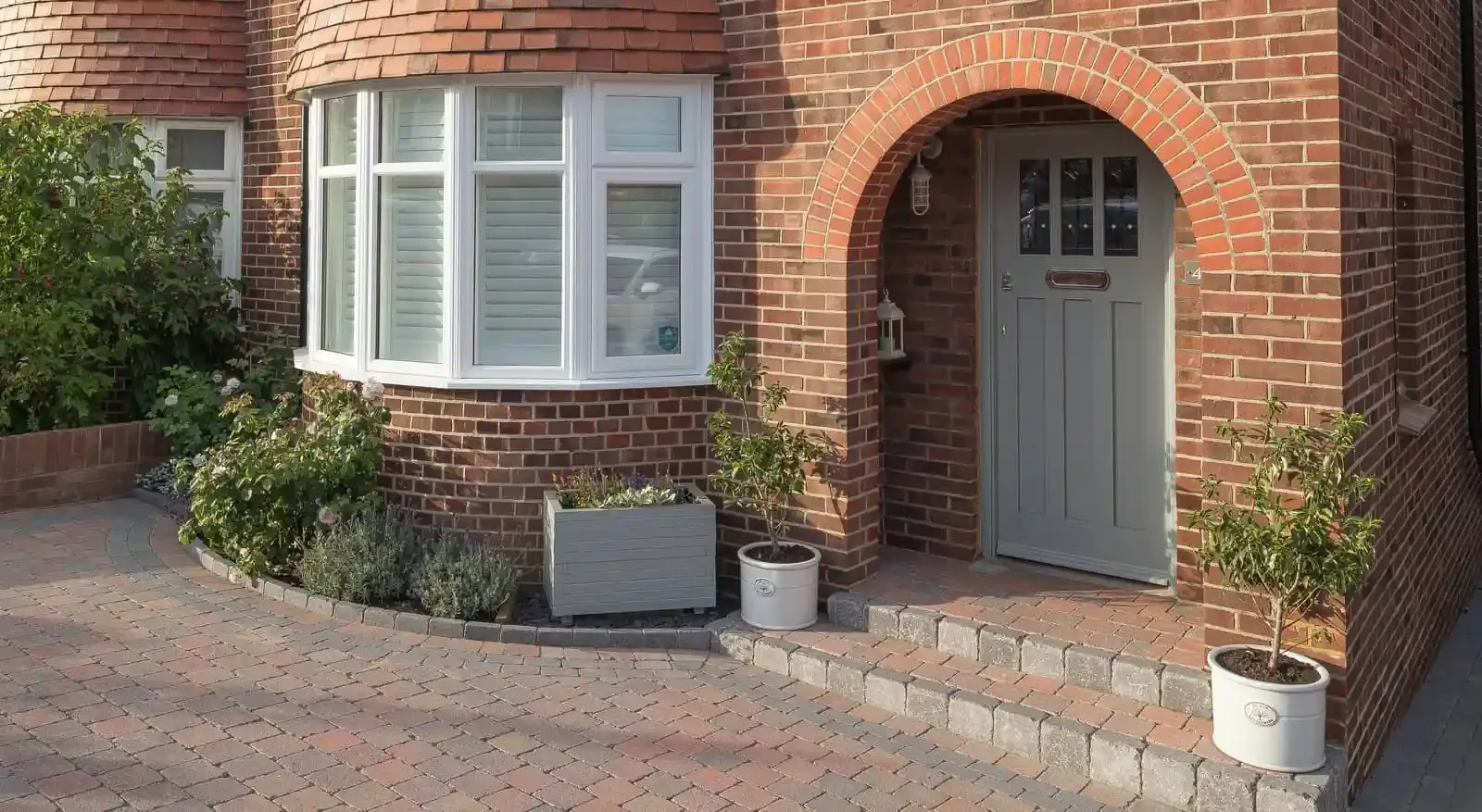
Resurfacing driveways and adding off-street parking.
Professional landscaping with low-maintenance planting suited to Yorkshire weather.
New garage doors.
These relatively affordable projects (£2,000-£12,000) often deliver 70-120% ROI and make listing photographs far more compelling.
Interior Cosmetic and Finishing Touches
Sometimes the highest percentage returns come from simpler but thorough updates.
Full redecoration in neutral, contemporary colours can make rooms feel larger and more inviting. Replacing old flooring with practical, modern alternatives and upgrading lighting and storage solutions adds polish. Deep cleaning, decluttering, and minor repairs complete the picture before marketing.
Additional Valuable Upgrades in 2026
Smart Home Technology: Installing smart lighting, heating controls, security systems, and voice-activated features can add appeal, particularly to younger buyers and professionals. Costs £3,000-£12,000 with solid perceived value.
Bedroom Improvements: Creating versatile master suites with built-in storage or small en-suites increases functionality.
Garden and Outdoor Spaces: Patios, decking, and well-planned gardens extend living space outdoors, which is highly valued in the UK climate.
Property Renovation ROI Guide (UK)
Planning, Executing, and Managing Your Renovation Project
Successful renovations require careful planning. Start with a clear budget that includes 15-20% contingency for unexpected issues. Obtain multiple quotes from reputable local tradespeople and consider using a project manager for larger works.
Regulatory Aspects: Many internal cosmetic works fall under permitted development, but extensions, loft conversions, and changes to listed buildings or conservation areas require approval from Bradford Council. Party Wall Agreements are often needed for terraced properties.
Timeline Considerations: Cosmetic projects can take 2-6 weeks, while major structural works may span 3-6 months. Complete renovations before marketing, where possible, so buyers can visualise the finished home.
Risks and Pitfalls to Avoid:
Over-capitalising with luxury finishes in areas where buyers have moderate budgets.
Highly personalised designs (bold colours, unusual layouts) that limit appeal.
Poor quality workmanship that leads to future defects.
Ignoring energy efficiency or structural requirements.
Working with experienced professionals helps mitigate these risks. Always obtain building control approval and consider independent surveys at key stages.
Real-World Examples from Bradford and Surrounds
One typical project involved transforming a three-bedroom terrace in Manningham with a kitchen-diner extension and loft conversion. These upgrades improved both space and layout, making the property more appealing to modern buyers. As a result, it added an estimated £55,000–£70,000 in value and achieved a quick sale shortly after listing.
Another example in Idle focused on energy efficiency upgrades, a new bathroom, and improved kerb appeal. These changes enhanced the property’s EPC rating and overall presentation, helping it attract stronger interest and sell faster at a premium price compared to similar homes.
Together, these examples show how well-targeted renovations, aligned with local buyer demand, can deliver strong results in terms of both value and sale speed.
Completely avoiding a property chain is not always possible, but some sellers reduce risks by targeting first-time buyers or chain-free purchasers such as cash buyers. Taking early steps like arranging finances and instructing solicitors can also help keep the process smoother and minimise delays.
Conclusion: Unlocking Your Property’s Full Potential
Renovating a home successfully involves striking a careful balance between personal preferences and broader market appeal. While it’s important to design a space that suits your lifestyle and long-term needs, the most valuable renovations are those that also attract future buyers. Strategic upgrades such as modernising kitchens and bathrooms, improving energy efficiency, upgrading windows and insulation, and enhancing layout or usable space tend to deliver the strongest returns. When planned and executed effectively, these improvements not only elevate everyday comfort but can also significantly boost a property’s resale value in the competitive UK housing market.
A well-considered renovation goes beyond aesthetics. Functionality, durability, and compliance with current building standards all play a crucial role in determining overall return on investment. Buyers in today’s market are increasingly focused on energy performance, low maintenance costs, and flexible living spaces, meaning upgrades like efficient heating systems, smart home features, and open-plan designs can add meaningful value. At the same time, avoiding over-personalisation is key, as highly specific design choices may limit your property’s appeal when it comes time to sell.
Thorough research, quality workmanship, and alignment with local buyer expectations are essential to maximising the benefits of any renovation project. In areas such as Bradford and across West Yorkshire, property values and buyer priorities can vary significantly between neighborhoods, making local insight particularly valuable. Understanding what buyers in your area are actively looking for, whether that’s additional bedrooms, home office space, or outdoor improvements, can help you invest wisely and avoid unnecessary costs.
Ultimately, whether you are planning to sell in the near future, hold the property as a long-term investment, or simply improve your living environment, focusing on practical, high-impact upgrades remains one of the most effective strategies for increasing property value. With careful planning and the right improvements, renovations can deliver both immediate lifestyle benefits and strong financial returns well into 2026 and beyond.
Need expert guidance on which upgrades really boost your property price? Contact Armaani Estates now.
FAQs
Which single renovation offers the best return in Bradford right now?
Minor to mid-range kitchen and bathroom upgrades, combined with improved curb appeal, typically deliver the best short-term return. For suitable properties, loft conversions often generate the highest overall value increase.
How much of my property’s value should I invest in renovations?
A practical guideline is to invest around 8–15% of your property’s current market value. Focus on improvements that align with buyer expectations rather than high-end personal upgrades that may not add proportional value.
Are energy efficiency improvements worth it before selling?
Yes. Enhancing energy efficiency can improve your EPC rating, reduce running costs, and make your property more attractive to buyers. It can also support mortgage eligibility, which is increasingly important in today’s market.
Do I need planning permission for most home improvements?
Not always. Cosmetic updates and some smaller works fall under permitted development. However, larger projects such as extensions or loft conversions often require approval. It’s advisable to check with the local authority before starting.
How long before selling should I carry out renovations?
Major structural works should ideally be completed 4–8 months before listing. Smaller cosmetic improvements can be done closer to market, typically within 1–2 months prior to selling.
Can renovations help my home sell faster in the current market?
Yes. Well-presented, modernised homes with flexible living space and good energy efficiency tend to attract more interest, generate higher viewing numbers, and achieve stronger offers.
What mistakes should I avoid when renovating?
Avoid over-personalising the property, compromising on quality, or undertaking work without understanding local buyer preferences. Failing to follow building regulations or over-improving beyond the area standard can also reduce your return on investment.
