
What Bradford's Population Growth Means for Homeowners
Bradford has experienced significant changes in recent years, with population growth becoming one of the most important factors influencing the local housing market. As more people choose to live, work, study, and invest in the city, homeowners are beginning to see how demographic changes can affect property demand, house prices, rental opportunities, and long-term investment potential.
A growing population usually creates additional pressure on housing supply because more households need suitable places to live. For existing homeowners, this can create opportunities through rising property values, stronger buyer demand, and increased interest from investors looking at the Bradford property market. Bradford’s affordability compared with nearby cities such as Leeds has made it attractive for first-time buyers, families, commuters, and landlords. The city’s improving transport connections, regeneration projects, employment opportunities, and diverse communities have all contributed to increasing housing demand.
However, population growth also brings challenges, including pressure on available homes, changing buyer expectations, and the need for continued investment in infrastructure. Understanding these trends helps homeowners make better decisions when considering selling property in Bradford, improving their home, or planning future investments.
Table of Contents
Understanding Bradford’s Population Growth
Population growth is one of the strongest long-term influences on any housing market. When more people move into an area or when the existing population increases, demand for homes generally rises because more households require accommodation.
Bradford has one of the largest populations in West Yorkshire, with continued growth driven by natural population increases, younger demographics, migration, education opportunities, and employment prospects. A younger population often creates additional housing demand because many people eventually move from renting into home ownership.
For homeowners, this population expansion can have several effects. Increased demand can support Bradford house prices by creating competition among buyers, especially in desirable neighbourhoods with good transport links, schools, and amenities.
Areas close to Leeds commuter routes have become increasingly attractive because buyers can access employment opportunities in a larger city while benefiting from more affordable property prices. This has helped strengthen interest in locations such as Shipley, Saltaire, Heaton, and parts of north Bradford.
The relationship between population growth and property values is not automatic, but when combined with economic improvement and housing investment, it can create favourable conditions for homeowners.
Population Growth Influences Bradford House Prices
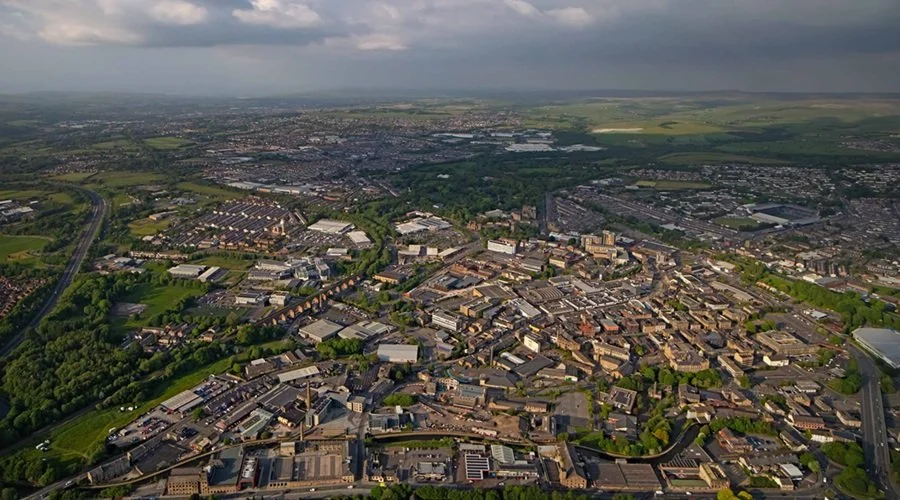
Bradford house prices remain relatively affordable compared with many parts of the UK, attracting buyers seeking value. Population growth could support future price increases as demand rises while housing supply stays limited in popular areas.
As more people look to buy, sellers may benefit from stronger market conditions. Well-presented homes in good locations, particularly near transport links, are more likely to attract interest.
For homeowners considering selling in Bradford, understanding population trends can help with timing and pricing. A growing buyer pool creates opportunities, although local conditions, mortgage rates, and economic factors will still influence final sale prices.
The market has already gained attention from first-time buyers and investors who see Bradford as an affordable alternative to nearby cities like Leeds. However, growth will vary by area, with some neighbourhoods seeing stronger price increases due to better amenities, transport links, and regeneration.
How Housing Demand Benefits Bradford Homeowners
A growing population naturally creates greater demand for different types of housing. Bradford homeowners may benefit because more people searching for homes can increase competition and improve market activity.
The demand is not limited to traditional family houses. Different groups require different property types, including flats for young professionals, affordable homes for first-time buyers, larger properties for families, and rental accommodation for students and workers.
This creates opportunities across various parts of the housing market. A homeowner with a well-maintained property may find stronger interest from buyers because demand continues to expand.
For landlords, population growth can support rental demand. Bradford has a large student population, a growing workforce, and many residents looking for affordable rental options. This has helped maintain interest in houses to rent in Bradford and flats to rent across the city.
However, homeowners should focus on meeting buyer expectations. Modern buyers increasingly value energy efficiency, attractive presentation, home offices, parking availability, and good connectivity.
An experienced estate agent in Bradford can help homeowners understand how local demand affects their specific property and neighbourhood.
Population growth creates opportunities, but success depends on understanding what buyers and tenants are looking for.
How Young Buyers Shape Bradford Property Decisions
One of Bradford’s key characteristics is its relatively young population. Younger residents often influence housing trends because they create demand for affordable starter homes, rental properties, and flexible living arrangements.
For homeowners, this demographic trend is important because first-time buyers represent a significant part of the property market. These buyers often look for affordable homes with manageable running costs and good access to transport, employment, and local facilities.
Properties that appeal to younger buyers may benefit from stronger demand. Features such as modern kitchens, energy-efficient improvements, broadband availability, and flexible living spaces can increase attractiveness.
The growth of younger households also supports demand for rental accommodation. Many people rent before purchasing their first home, creating opportunities for landlords investing in Bradford property.
The city’s connection to universities, employment centres, and nearby Leeds makes it appealing for young professionals and students. This ongoing demand can contribute to a stronger rental market and increased interest from property investors.
For sellers, understanding the preferences of younger buyers can help improve marketing strategies. Small improvements, professional presentation, and realistic pricing can make properties more competitive.
Bradford Population Growth And Rental Demand

Population growth directly affects the rental market because many people entering an area initially choose rented accommodation while building careers, saving deposits, or deciding where to settle.
Bradford’s growing population has increased rental demand, creating opportunities for landlords seeking income. Areas near universities, employment hubs, and transport links often attract stronger tenant interest.
For homeowners considering becoming landlords, understanding rental trends is essential, as property type, location, condition, and management all influence performance. Bradford remains appealing to investors due to affordable property prices and steady rental demand compared with nearby cities.
However, landlords must consider regulations, tenant expectations, maintenance costs, and legal responsibilities. Successful property investment Bradford strategies require careful planning and selecting suitable properties.
How Infrastructure Boosts Bradford Property Demand
Population growth often works alongside infrastructure improvements. When a city invests in transport, regeneration, education, and public facilities, it becomes more attractive to residents and property buyers.
Bradford has benefited from improved connections with surrounding areas, particularly Leeds. Many homeowners see the city’s location as a major advantage because residents can enjoy lower property prices while remaining within commuting distance of major employment centres.
Transport improvements can influence property values because buyers often prioritise accessibility. Homes near reliable transport links usually attract wider interest from commuters, professionals, and families.
Regeneration projects can also improve neighbourhood confidence. Investment in city-centre developments, commercial areas, and community facilities can make locations more desirable over time.
For homeowners, these improvements may increase the long-term appeal of their properties. Areas that become better connected and more attractive often experience increased buyer interest.
However, infrastructure benefits usually develop gradually. Property owners should consider long-term trends rather than expecting immediate price increases.
Bradford’s combination of population growth, affordability, and development activity creates potential opportunities for homeowners who understand how these factors interact.
Bradford Areas Benefiting From Population Growth
Population growth does not affect every neighbourhood equally. Areas with strong amenities, transport links, schools, and lifestyle appeal often experience higher demand.
Locations such as Saltaire, Shipley, Heaton, and parts of north Bradford have historically attracted interest because of their connectivity and local facilities. Other areas may also benefit as regeneration and housing investment continue.
For homeowners, understanding local market differences is important. A property’s postcode, street location, condition, and surrounding environment can significantly influence its value.
Buyers increasingly consider lifestyle factors alongside affordability. They want access to parks, shops, schools, transport, and employment opportunities.
Challenges Bradford Homeowners Face From Growth
Although population growth can create opportunities, it can also introduce challenges for homeowners. Increased demand may place pressure on housing availability, local services, and affordability.
One challenge is increased competition. While sellers may benefit from more buyers, purchasers may face greater competition, particularly for attractive homes in popular areas.
Growing populations can also increase demand for improvements in infrastructure, schools, healthcare services, and transport networks. If development does not keep pace, some neighbourhoods may experience pressure on local resources.
For homeowners, maintaining property standards becomes increasingly important. Buyers have more expectations than ever, including energy efficiency, modern features, and good presentation.
Rising demand may also encourage more property development, which could change the character of certain areas. Homeowners should stay informed about local planning decisions and regeneration projects.
Despite these challenges, managed growth can strengthen Bradford’s housing market. The key is ensuring that increased demand is supported by appropriate investment and development.
What Bradford Growth Means For Home Sellers
For homeowners considering selling, population growth offers valuable insight into current and future market conditions. A rising population often leads to a larger pool of potential buyers, increased competition, and stronger overall demand from people looking to move into the area. This can create more favourable conditions for sellers, particularly in well-connected or desirable neighbourhoods. However, achieving a successful sale depends on more than population trends alone. Setting the right asking price, presenting the property to a high standard, and using an effective marketing strategy all remain essential. Even in a growing market, buyers continue to compare properties carefully, focusing on factors such as condition, location, affordability, and overall value for money.
Homeowners preparing to sell should think about how their property aligns with current buyer demand. For example, family homes, properties with good transport links, and energy-efficient houses are often more appealing in today’s market. Understanding these preferences can help position a property more competitively. Working with a knowledgeable Bradford estate agent can also make a significant difference, as they can provide guidance on local market trends, comparable sales, and realistic pricing strategies to support informed decisions. While population growth is a positive indicator for the housing market, it should be viewed as just one part of a broader selling strategy. By combining this insight with careful preparation and expert advice, homeowners can improve their chances of achieving the best possible outcome.
Conclusion
Bradford’s population growth represents an important factor shaping the future of the local property market. More residents, stronger housing demand, improved infrastructure, and ongoing regeneration all contribute to changing opportunities for homeowners.
For existing property owners, growth can support long-term property values, increase buyer interest, and create opportunities within the rental market. However, understanding local trends remains essential because different neighbourhoods will experience different levels of demand.
Homeowners who invest in property improvements, monitor market changes, and understand buyer expectations will be better positioned to benefit from Bradford’s continued development.
Whether considering selling property in Bradford, renting out a home, or simply protecting future property value, population growth provides valuable insight into where the market may be heading.
As Bradford continues evolving, its growing population could become one of the key factors supporting a stronger, more competitive, and increasingly attractive housing market.
Bradford’s growing population is increasing demand make sure your property is positioned to benefit. Speak to Armaani Estates today.
FAQs
Does population growth increase property prices in Bradford?
Yes, population growth can support rising property prices in Bradford because more people create greater demand for housing. However, it’s not the only factor—mortgage rates, local employment, housing supply, and overall economic conditions also play a major role in determining price trends.
Is Bradford a good place for property investment?
Bradford continues to attract investors due to its relatively low entry prices and solid rental demand. Its proximity to employment hubs and improving infrastructure adds to its appeal. That said, investors should always research specific neighbourhoods, tenant demand, and long-term growth potential before committing.
Will Bradford house prices continue rising?
Property prices in Bradford are expected to show gradual growth rather than sharp increases. Future trends will depend on population growth, regeneration projects, economic stability, and wider UK housing market conditions. Like most areas, growth is influenced by both local and national factors.
Are landlords benefiting from Bradford’s population growth?
Many landlords do benefit, as a growing population increases rental demand. This can lead to reduced vacancy periods and steady rental income. However, landlords must also adapt to evolving regulations, maintain property standards, and remain competitive in the rental market.
Which Bradford areas are becoming more popular?
Areas with strong transport links, good amenities, and regeneration activity are seeing increased interest. Locations like Shipley, Saltaire, and parts of north Bradford are particularly popular among buyers and investors.
How does population growth affect homeowners wanting to sell?
A growing population can increase the pool of potential buyers, which may improve chances of selling and support stronger offers. However, success still depends on factors like pricing, presentation, and marketing strategy. Even in a growing market, well-presented and correctly priced homes perform best.
