
What Buyers Look for in the UK Property Market 2026?
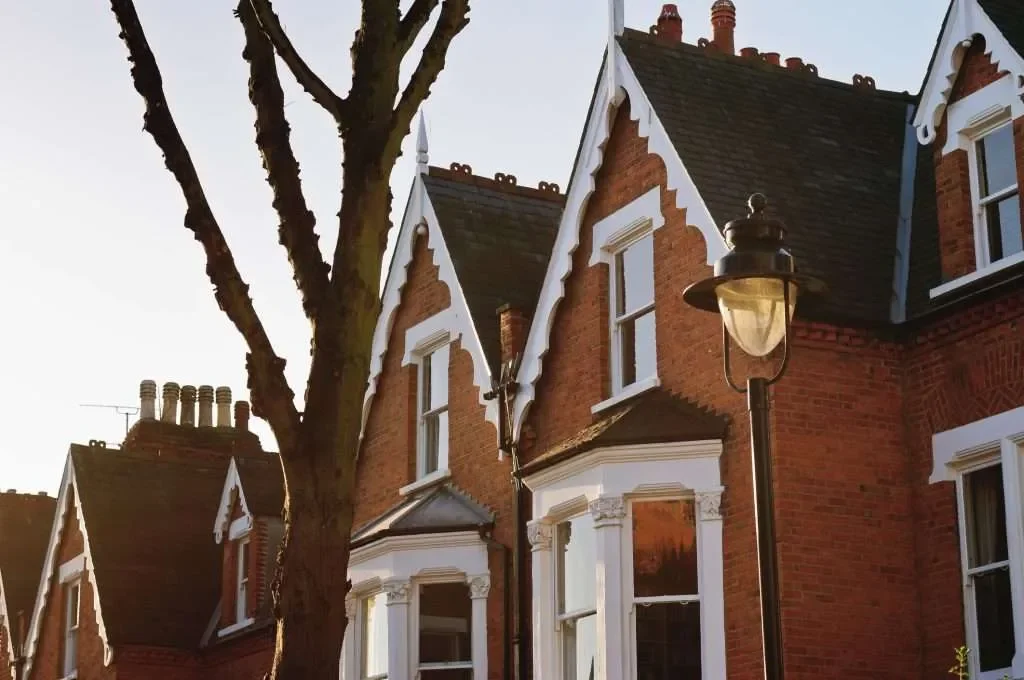
The UK property market in 2026 continues to evolve as buyer expectations shift alongside changes in lifestyle, work culture, economic conditions, and technology. Property seekers are no longer focused only on square footage or postcode prestige. Modern buyers are taking a broader view, carefully considering energy efficiency, flexible living spaces, connectivity, transport access, local amenities, and long-term investment value before making a decision.
Across cities such as Bradford and Leeds, as well as throughout the wider UK, purchasing behaviour has become more research-driven and selective. Buyers are comparing not just properties, but entire lifestyles. A home is now expected to support hybrid working, family needs, future resale potential, and lower running costs all at once.
At the same time, affordability remains a major influence on the market. Mortgage rates, cost-of-living pressures, and stricter lending assessments have encouraged buyers to prioritise practical value over purely aesthetic appeal. This does not mean style has become unimportant, but functionality and efficiency are now often placed ahead of luxury features. The rise of digital property platforms has also changed expectations. Buyers arrive at viewings better informed than ever before, often having already researched local schools, transport links, crime rates, energy performance certificates, broadband availability, and future development plans in the area.
Table of Contents
UK Housing Market Trends
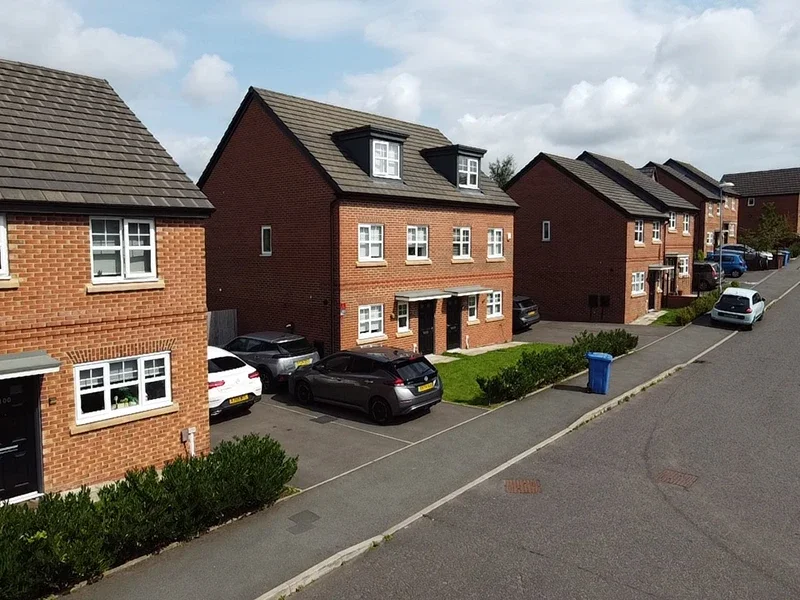
The UK housing market in 2026 is being shaped by a combination of economic pressures, changing buyer priorities, and regional performance differences. While demand remains resilient, higher mortgage rates compared to previous years have made affordability a central concern, influencing both buyer behaviour and property values. As a result, price growth has become more moderate, with some areas seeing stronger activity than others depending on local demand and supply.
At the same time, buyer expectations are evolving. There is increasing demand for energy-efficient, move-in ready homes, as well as properties that offer good transport links, parking, and access to amenities. Regional markets particularly in the North continue to attract attention due to relative affordability and investment potential. Overall, the market is becoming more balanced, requiring both buyers and sellers to be more strategic in their decisions.
Location Still Remains the Biggest Priority
Access to Transport Links
Location has always mattered in property, and in 2026 it remains one of the strongest deciding factors. Buyers consistently favour homes with convenient access to transport networks, particularly in commuter-friendly cities and suburbs.
Rail connectivity continues to influence demand heavily, especially for professionals working hybrid schedules who commute only a few times per week. Areas with direct train routes to business hubs remain highly desirable. Easy motorway access also adds appeal for families and workers travelling between regions.
In areas like Bradford and Leeds, proximity to train stations, bus routes, and major road connections can significantly influence both buyer interest and property value.
Quality of Local Amenities
Modern buyers want convenience close to home. Supermarkets, healthcare facilities, gyms, cafés, parks, and retail centres all contribute to the attractiveness of a location.
Walkability has become increasingly important. Buyers are showing stronger interest in neighbourhoods where daily essentials can be accessed without relying entirely on cars. Areas with green spaces and leisure facilities are particularly attractive to families and younger professionals.
School Catchment Areas
For family buyers, school quality remains a leading priority. Many buyers are willing to compromise on property size or style in order to secure homes within desirable school catchment areas.
Even buyers without children often recognise that strong schools support future resale value, making such locations attractive long-term investments.
Regional Trends Across the UK
Energy Efficiency Has Become a Major Selling Point
Rising Energy Costs Influence Decisions
One of the biggest changes in buyer behaviour across the UK property market is the increased importance of energy efficiency. Higher utility costs have made buyers more conscious of running expenses, leading many to prioritise homes with strong energy performance ratings.
Properties with poor insulation, outdated boilers, or single glazing can now deter buyers who worry about future heating bills and upgrade costs.
EPC Ratings Matter More Than Before
Energy Performance Certificate ratings have become far more influential in the buying process. Homes with better EPC ratings are generally viewed as more future-proof and cost-effective.
Buyers are paying closer attention to features such as:
Double or triple glazing
Modern insulation
Energy-efficient boilers
Solar panels
Smart heating systems
LED lighting
Underfloor heating
Sustainable building materials
New-build properties often benefit from this shift because they are usually constructed to meet higher environmental standards.
Sustainability Appeals to Younger Buyers
Environmental awareness is playing a growing role in purchasing decisions, especially among younger buyers. Sustainable homes with lower carbon footprints are becoming more attractive, not only for ethical reasons but also for long-term savings.
Eco-conscious developments, green spaces, and environmentally friendly construction methods are increasingly influencing buyer preferences.
Buyers Want Move-In Ready Homes
Renovation Costs Are a Concern
Although some buyers still seek renovation opportunities, many now prefer properties requiring minimal immediate work. Rising labour and material costs have made refurbishment projects more expensive and less attractive.
Homes that are clean, modern, and well-maintained generally receive stronger interest than properties needing substantial updates.
Kitchens and Bathrooms Influence Decisions
Kitchens and bathrooms continue to play a major role in buyer impressions. Modern, functional, and aesthetically appealing spaces often help properties stand out in competitive markets.
Buyers particularly appreciate:
Contemporary fitted kitchens
Good storage solutions
Quality appliances
Modern tiling
Walk-in showers
Neutral colour schemes
Practical layouts
While luxury finishes are appreciated, practicality usually matters more than extravagant design.
Neutral Interiors Appeal to More Buyers
Neutral décor remains popular because it allows buyers to imagine themselves living in the property. Bright, overly personalised interiors can sometimes make homes feel less adaptable.
Simple, clean, and modern styling tends to attract wider buyer interest and can help properties appear larger and brighter.
Affordability Continues to Shape Buyer Behaviour
Buyers Are Budget-Conscious
Affordability remains central to the UK housing market in 2026. Mortgage affordability checks, interest rates, and household expenses all influence purchasing power.
As a result, buyers are increasingly realistic about what they can afford and often prioritise long-term financial stability over stretching budgets for larger homes.
Value for Money Is Closely Examined
Buyers are comparing properties carefully and paying close attention to overall value rather than simply focusing on asking price. Factors influencing perceived value include:
Property condition
Energy efficiency
Location quality
Potential maintenance costs
Parking availability
Future resale potential
Local infrastructure improvements
Homes priced appropriately for their condition and location tend to attract stronger interest and faster sales.
Parking and Transport Convenience Matter More
Off-Street Parking Adds Significant Appeal
Parking availability remains highly influential across many UK regions. Properties with driveways, garages, or allocated parking spaces often attract greater interest than homes relying solely on street parking.
In busy urban areas, secure parking can significantly increase both desirability and resale value.
Electric Vehicle Charging Is Emerging
As electric vehicle ownership rises across the UK, buyers are beginning to value EV charging facilities more seriously.
Homes with existing charging points or suitable installation potential may gain increasing appeal over the coming years.
Community and Lifestyle Influence Purchasing Decisions
Modern buyers are placing far greater importance on neighbourhood atmosphere and overall lifestyle quality when choosing a property. Many now look beyond the home itself and pay closer attention to whether an area feels welcoming, safe, and community-oriented.
Features such as local events, independent businesses, cafés, green spaces, and recreational facilities can significantly enhance an area’s appeal by creating a stronger sense of belonging and everyday convenience.
At the same time, health and wellbeing are playing a much larger role in property decisions. Buyers increasingly value access to parks, walking and cycling routes, quiet surroundings, good air quality, fitness facilities, and family-friendly environments. This growing focus reflects wider lifestyle changes, with many people prioritising wellbeing, outdoor space, and a healthier work-life balance when deciding where to live.
Property Investment Potential Still Matters
Buyers Consider Long-Term Growth
Even owner-occupiers often think about future investment potential when purchasing property.
Factors influencing long-term confidence include:
Regeneration projects
Infrastructure development
Employment growth
University expansion
Retail and business investment
Rental demand
Cities with growing economies and strong student populations often remain attractive for both homeowners and investors.
Rental Yield Continues to Attract Investors
Buy-to-let investors remain active in certain parts of the UK market, particularly in cities with strong tenant demand and relatively affordable property prices.
Investors are increasingly focused on:
Energy efficiency regulations
Tenant expectations
Rental demand stability
Maintenance costs
Long-term appreciation potential
The Importance of Storage Space
Practical storage has become one of the most valued features for modern property buyers, particularly in smaller homes and apartments where space efficiency is extremely important. Buyers are increasingly drawn to properties that support organized, clutter-free living and provide enough room for everyday belongings without making rooms feel cramped.
Features such as built-in wardrobes, loft storage, utility rooms, garage space, pantry areas, and under-stair storage can significantly improve a property’s overall appeal. Well-designed storage solutions also help homes feel more functional, spacious, and practical for long-term living, which can positively influence buyer perception during viewings.
Conclusion
The UK property market in 2026 reflects changing lifestyles, evolving financial realities, and growing buyer expectations. Today’s buyers are more informed, selective, and practical than ever before. While traditional priorities such as location and affordability remain central, modern purchasing decisions now also revolve around energy efficiency, flexible living arrangements, technology integration, lifestyle quality, and long-term value.
Properties that combine practicality, sustainability, connectivity, and comfort are generally attracting the strongest interest across the market. Buyers are increasingly looking beyond cosmetic appeal and focusing on how a property will support their everyday lives over the coming years.
Cities such as Bradford and Leeds continue to remain attractive due to affordability, development opportunities, transport improvements, and strong local demand. At the same time, broader national trends show that buyers across the UK are adapting to changing economic conditions and placing greater emphasis on value, efficiency, and quality of life.
As the market continues evolving, understanding buyer priorities will remain essential for anyone involved in the UK property sector.
Looking to sell and want to know what buyers want in 2026? Get in touch with Armaani Estates today.
FAQs
What is the most important factor for UK property buyers in 2026?
Location remains one of the most important factors. Buyers continue prioritising transport links, schools, local amenities, safety, and long-term investment potential when choosing property.
Why is energy efficiency so important to buyers now?
Rising utility costs and environmental awareness have made buyers more conscious of energy performance. Homes with better insulation, modern heating systems, and strong EPC ratings are often more attractive.
Are buyers still interested in home offices?
Yes. Hybrid and remote working continue influencing buyer preferences, with many people actively searching for flexible spaces that can function as home offices.
Do buyers prefer new-build homes or older properties?
Both remain popular for different reasons. New builds attract buyers seeking energy efficiency and lower maintenance, while older properties appeal to those who value character and traditional architecture.
How important is outdoor space in 2026?
Outdoor space remains highly desirable. Gardens, balconies, terraces, and patios continue adding significant appeal for families, professionals, and pet owners.
Are first-time buyers still active in the UK market?
Yes. Despite affordability challenges, many first-time buyers continue entering the market, particularly in more affordable northern regions and cities.
What smart home features are buyers looking for?
Popular features include smart thermostats, video doorbells, security systems, app-controlled lighting, and integrated smart appliances.
