
What Happens If Mortgage Rates Rise?

Mortgage rates have a direct effect on the cost of buying a home because they determine how much interest borrowers pay on their mortgage. When rates rise, monthly repayments can increase for homeowners whose mortgages are linked to variable rates, while people coming to the end of a fixed rate may face higher payments when they refinance. For buyers, higher mortgage rates can also reduce borrowing capacity because a larger share of monthly income may be required to service the loan. This can influence the price of property they can comfortably afford and may affect decisions about when to move.
The impact of rising rates is not limited to homeowners. Buyers may adjust their budgets, sellers may experience changes in demand, and property values can respond if affordability becomes more challenging. Anyone Buying Property in UK should therefore consider mortgage costs alongside the purchase price rather than assessing affordability from the deposit alone. Similarly, homeowners Selling Property in UK may need to understand how changing borrowing conditions influence the pool of potential buyers. An estate agent can provide insight into local market activity, while mortgage professionals can help households assess how changing rates could affect their individual finances.
Table of Contents
Why Mortgage Rates Rise
Mortgage rates can rise for several reasons, with wider economic conditions playing an important role. Central bank interest rates, inflation expectations, funding costs and competition between lenders can all influence the rates available to borrowers. When the cost of borrowing increases for financial institutions, lenders may adjust their mortgage products accordingly. The exact rate offered to an individual borrower can also depend on factors such as loan-to-value, credit history, income and the type of mortgage selected.
Rising rates do not necessarily mean every mortgage becomes more expensive immediately. Someone with a fixed rate may continue paying the agreed rate until the end of their fixed period, whereas a borrower on a tracker or another variable arrangement may see changes sooner. This difference is important when assessing the effects of a rate increase. A homeowner who secured a long fixed rate several years ago may have more time before feeling the impact, while another borrower may experience higher payments relatively quickly. For buyers, understanding the difference between mortgage products is essential when considering affordability. UK estate agents can explain the property side of a purchase, but you should get specialist mortgage advice for borrowing decisions.
How Rising Rates Affect Monthly Mortgage Payments
The most noticeable effect of higher mortgage rates is often an increase in monthly repayments. If the interest rate applied to a mortgage rises, the cost of servicing the outstanding balance can increase. The scale of the change depends on the mortgage amount, remaining term, repayment structure and the size of the rate increase. A borrower with a large outstanding balance may experience a much greater change in pounds per month than someone who has already paid down a substantial part of their mortgage.
What Happens to Your Borrowing Power?
Higher mortgage rates can reduce how much a buyer is able to borrow because affordability assessments consider the cost of servicing the mortgage. Even if a household's income remains exactly the same, a higher interest rate can increase the expected monthly repayment. This may reduce the maximum loan that a lender is willing to provide under its affordability criteria. Consequently, a buyer who previously considered a particular price range may need to adjust their search if borrowing conditions change.
This can have a direct effect on the type and location of property buyers consider. Someone who expected to purchase a £300,000 home might need to look at less expensive properties if higher mortgage costs make the original budget uncomfortable. Increasing the deposit can sometimes reduce the amount that needs to be borrowed and may also move the buyer into a lower LTV bracket. However, buyers should not use every available saving for the deposit if doing so leaves them without an emergency fund. An estate agent UK buyers work with can help identify suitable properties across different price ranges, while a mortgage adviser can assess how changing rates affect borrowing capacity.
How Higher Rates Affect First Time Buyers
First time buyers can be particularly sensitive to mortgage rate changes because they often have limited savings and relatively little existing property equity. A buyer relying on a 5% or 10% deposit may need to borrow a significant proportion of the purchase price. If rates rise, monthly payments can become more difficult to manage, particularly when combined with rent, household bills and other financial commitments. This can lead some buyers to delay their purchase, increase their deposit savings or reconsider the price range they are targeting.
However, rising rates do not necessarily prevent first time buyers from entering the market. Some may still benefit from lower property prices in certain areas, family assistance with deposits or mortgage products designed for specific circumstances. The important point is to assess the complete cost of ownership rather than comparing the mortgage payment with current rent alone. Buyers should allow for maintenance, insurance, utilities, service charges where applicable and other ownership costs. When Buying Property in UK, it can also be helpful to obtain an agreement in principle before viewing properties extensively so that the search is based on a realistic borrowing position.
What Happens When Your Fixed Rate Ends?
A fixed rate protects borrowers from changes in the underlying mortgage rate for the agreed period, but the protection is temporary. When the fixed period ends, the homeowner normally needs to consider a new mortgage product or may move onto the lender's applicable variable rate if no action is taken. If rates are higher than when the original mortgage was arranged, the new monthly payment could be greater even if the outstanding mortgage balance has fallen.
The size of the change depends on several factors. A homeowner who has reduced the mortgage substantially may have a smaller balance on which interest is charged. The property's value may also have changed, potentially affecting the borrower's LTV and the range of products available. Before a fixed rate ends, homeowners should review their options rather than waiting until the final moment. Professional mortgage advice can help compare available products and potential costs. For homeowners considering Selling Property in UK, the timing of a mortgage change may also influence whether they choose to move, refinance or remain in their current home for longer.
Can a Larger Deposit Protect Buyers From Rising Rates?
A larger deposit can provide some protection against rising borrowing costs because it reduces the mortgage required. Consider a £250,000 property. With a 10% deposit, the buyer would borrow £225,000. With a 20% deposit, the mortgage would fall to £200,000. If the interest rate increased, the buyer with the smaller mortgage would generally face a lower absolute interest cost, assuming the other mortgage terms were comparable. A larger deposit may also place a buyer in a lower LTV category, potentially improving the mortgage products available.
However, a larger deposit cannot completely remove interest rate risk. Even a borrower with a 25% deposit still pays interest on the remaining mortgage balance. Buyers should therefore consider both the deposit and the mortgage structure. Using all available savings to reduce the mortgage may not be appropriate if it leaves insufficient funds for emergencies. The right balance will differ between households. A buyer with stable income and substantial savings may choose to commit more capital, while another buyer may prefer to retain cash reserves. The role of an estate agent is to help buyers understand the property market and transaction process, while regulated financial professionals can advise on mortgage suitability.
How Rising Rates Can Influence Property Prices

Mortgage rates can influence property demand because borrowing costs affect affordability. When rates rise significantly, some buyers may reduce their budgets or postpone purchases. If demand weakens, sellers may need to become more realistic about asking prices, particularly in areas where buyers are highly dependent on mortgage finance. This does not mean property prices automatically fall whenever rates rise. Local employment, housing supply, population changes, wages, buyer confidence and the availability of homes can all affect market performance.
Different property segments may respond differently. Entry-level homes can remain relatively active because they are accessible to first-time buyers, while higher value properties may experience a greater reduction in demand if buyers need substantial borrowing. Local conditions are particularly important. An estate agent with knowledge of a specific market can help sellers understand how current demand compares with previous periods and whether pricing needs to reflect changing affordability. For buyers, changing rates can sometimes create opportunities to negotiate, but purchasing decisions should still be based on long-term affordability rather than expectations of short-term price movements.
What Rising Rates Mean for Existing Homeowners
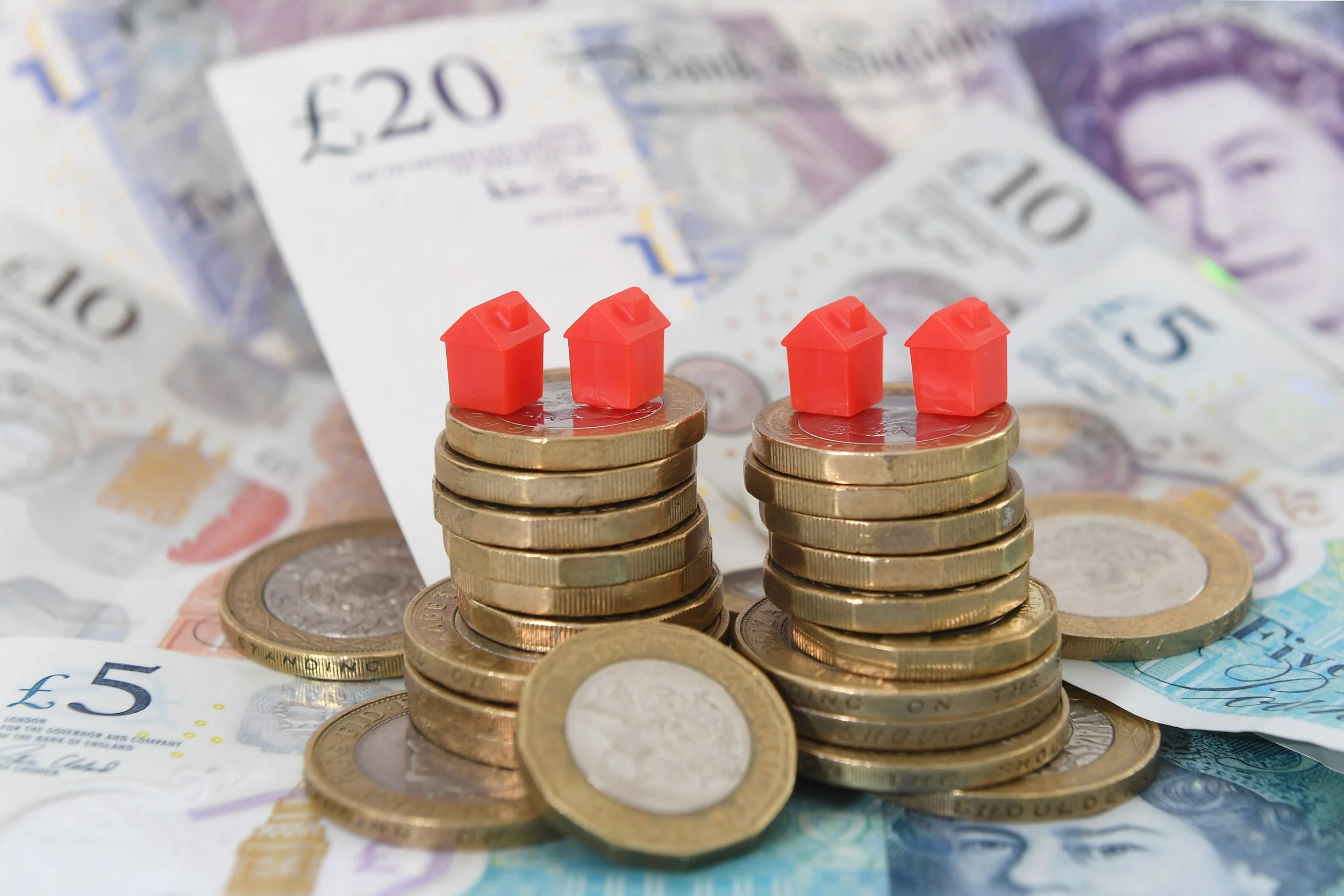
Existing homeowners are affected differently depending on their mortgage type and remaining balance. Someone on a fixed rate may not see an immediate change in monthly repayments, whereas a borrower on a tracker or variable rate may experience an increase sooner. Homeowners reaching the end of a fixed period need to prepare for the possibility that their next mortgage could cost more. This is particularly important for households whose budgets are already closely matched to their existing payments.
Homeowners can review their financial position by considering the outstanding balance, remaining mortgage term, current property value and available savings. Overpayments may reduce the mortgage balance for some borrowers, although early repayment charges and mortgage conditions need to be checked first. Others may choose to retain savings rather than make an overpayment. There is no single strategy suitable for everyone. If changing mortgage costs make a future move more attractive, homeowners may also consider whether their current property still meets their needs. For those planning Selling Property in UK, understanding local demand and current buyer affordability can help when deciding when and how to place a property on the market.
How Sellers Can Respond to Higher Mortgage Rates
Higher mortgage rates can affect sellers because buyers may become more cautious about price. A property that appeared affordable when mortgage rates were lower may require a larger monthly payment under different borrowing conditions. This can reduce the number of buyers who can comfortably afford the same asking price. Sellers should therefore pay close attention to comparable properties, current demand and buyer feedback rather than relying solely on historic valuations.
Pricing becomes especially important when affordability is under pressure. An unrealistic asking price can result in fewer viewings, weaker offers and a longer marketing period. A well-researched valuation can help establish a price that reflects current market conditions while still protecting the seller's objectives. An estate agent can assess comparable sales, buyer activity and local competition to support this process. Sellers should also recognise that the strongest offer is not always the highest headline figure. Mortgage position, deposit size, chain circumstances and ability to proceed can all influence the likelihood of reaching completion. This becomes increasingly relevant when higher borrowing costs make buyers more careful about their finances.
Preparing Your Finances for Future Rate Changes
Mortgage rates can move in either direction, so homeowners and buyers should avoid building a financial plan that only works under one particular interest rate. Stress testing the household budget can reveal whether repayments remain manageable if rates increase. Buyers can calculate what their monthly payment might look like at several different rates before deciding how much to borrow. Existing homeowners can review their future refinancing position and consider how much of their mortgage balance is likely to remain when their fixed period ends.
Building financial resilience can be just as important as finding the lowest available rate. An emergency fund can help cover unexpected expenses, while reducing unnecessary debts can improve the overall household position. Buyers should also avoid assuming that a lower initial mortgage payment necessarily represents the cheapest option over the full term. Fees, introductory periods, repayment structures and future refinancing requirements all matter. Whether you are working with an estate agent, an independent mortgage adviser or UK estate agents during a property transaction, decisions should be based on the complete financial picture. Armaani Estates recognises that changing market conditions can influence both buying and selling decisions, making realistic affordability and informed planning increasingly important.
Which Strategy is Right for You in 2026?
Choosing between buy to let and property flipping depends on your financial goals, risk tolerance, experience, and available time. Buy to let is better suited to investors seeking long-term, stable income through rental yields and gradual capital growth. It appeals to those building a sustainable portfolio or planning for retirement, as it typically requires less day-to-day involvement, especially when managed by letting agents.
Property flipping, in contrast, suits more hands-on investors comfortable with renovations, budgets, and tight timelines. While it requires greater effort and expertise, it can deliver quicker returns when executed well. In cities like Bradford and Leeds, some investors adopt a hybrid approach, combining buy to let for steady income with selective flipping projects for faster growth. Ultimately, success depends on choosing a strategy that aligns with your resources, skills, and long-term goals while remaining adaptable to market changes.
Worried about rising mortgage rates and higher monthly repayments? Understand how rate changes could affect your buying power and property budget. Speak to Armaani Estates today.
FAQs
What happens to my mortgage if interest rates rise?
It depends on your mortgage type. A fixed rate normally remains unchanged until the end of the fixed period, while tracker and some variable rate mortgages can change when the underlying rate changes. Check your mortgage terms to understand how your particular product responds.
Will higher mortgage rates reduce how much I can borrow?
They can. Higher interest rates may increase the monthly cost of borrowing, which can reduce the amount a lender considers affordable based on your income and expenditure. The effect varies between lenders and individual applications.
Should I increase my deposit if mortgage rates rise?
Increasing your deposit can reduce the amount you need to borrow and may improve your LTV. However, you should avoid committing so much cash that you have no emergency savings or money available for other buying costs.
Can mortgage rates cause house prices to fall?
Higher rates can reduce affordability and demand, which may put downward pressure on prices in some circumstances. However, property prices are influenced by many factors, including supply, employment, wages, local demand and buyer confidence.
Should I buy a property when mortgage rates are high?
There is no universal answer. A purchase can still make sense if the property is affordable under realistic interest rate assumptions and suits your long term needs. Buyers should avoid relying on predictions about when rates will fall.
Do sellers need to reduce their asking price when mortgage rates rise?
Not automatically. The appropriate asking price depends on local market conditions, comparable properties, buyer demand and the property's condition. However, sellers may need to reassess pricing if higher borrowing costs are reducing the number of suitable buyers.
Can an estate agent help when mortgage rates are rising?
An estate agent can provide information about local property demand, asking prices, comparable homes and buyer activity. Mortgage suitability and financial advice should come from an appropriately qualified mortgage professional.
