
What Happens If You Overprice Your Property UK?

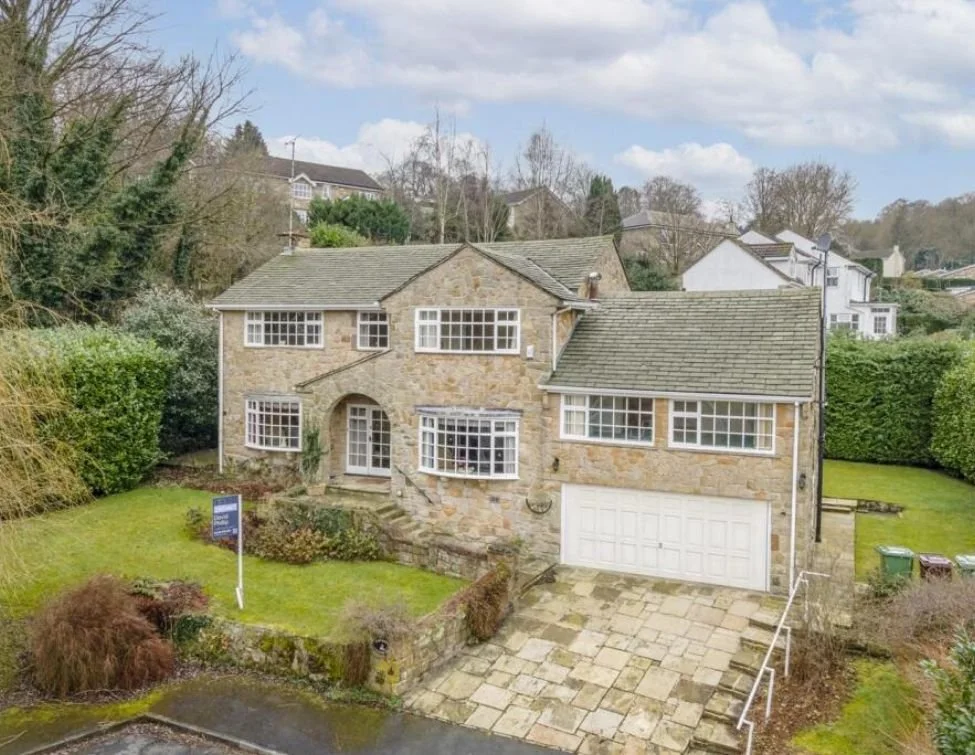
A property’s exterior plays a key role in attracting buyers, as first impressions are often formed before they step inside. A clean, well-maintained appearance can quickly create a positive impression and encourage potential buyers to explore further, both online and in person.
Simple improvements such as cleaning driveways, tidying gardens, repainting the front door, and fixing visible defects can make a clear difference. Buyers often associate a well-kept exterior with a well-maintained interior, while signs of neglect may raise concerns about hidden issues. Adding good lighting, ensuring windows are clean, and creating a welcoming entrance can further enhance the overall appeal and help the property stand out in a competitive market.
Table of Contents
Why Sellers Often Overprice Their Homes
Many UK homeowners overprice their properties for emotional or strategic reasons. Sellers frequently develop emotional attachments to their homes after years of living there, investing in improvements, or raising families within the property. As a result, they may view the property as more valuable than buyers do.
Some sellers also believe buyers will automatically negotiate downward, so they intentionally add extra value to leave “room for negotiation.” While negotiation is common in the UK property market, excessively inflated pricing can discourage buyers before negotiations even begin.
Estate agents can sometimes contribute to overpricing as well. In competitive situations where multiple agents are competing for instructions, some may provide unrealistically high valuations simply to win the listing. Sellers naturally prefer hearing higher figures, even if those numbers do not accurately reflect current market conditions.
Economic uncertainty can also play a role. During periods of rising mortgage rates or slower market activity, sellers may hold onto older pricing expectations based on stronger previous market conditions rather than adapting to current buyer affordability levels.
The First Few Weeks Are Critical
The first few weeks after listing a property are often the most important period of the entire sales process. Newly listed homes typically receive the highest levels of online visibility and buyer attention. Buyers who actively monitor the market are most likely to arrange viewings during this initial period.
If a property enters the market at an unrealistic price, buyers may immediately dismiss it. Even if the property eventually reduces its asking price later, it may already have lost valuable momentum.
Many buyers closely watch property portals and can easily recognise when homes remain unsold for extended periods. A listing that stays active for too long may create suspicion, causing buyers to wonder whether there are hidden defects, legal complications, or unreasonable sellers involved.
This loss of momentum can be difficult to recover from. A correctly priced property often generates early interest, stronger viewing numbers, and occasionally multiple offers, all of which help create a sense of competition and urgency.
Reduced Buyer Interest and Fewer Viewings
One of the clearest consequences of overpricing is reduced buyer interest. Modern buyers usually begin their property search online, filtering homes based on budget ranges, location, and property type.
If a property is overpriced, it may fail to appear in relevant search brackets entirely. For example, a house realistically worth £290,000 but listed at £325,000 may not appear in searches conducted by buyers with budgets below £300,000. At the same time, buyers searching above £325,000 may compare it against superior properties offering more value.
This positioning problem significantly limits the number of potential buyers who even see the property online. Fewer online views often lead to fewer enquiries and fewer physical viewings.
Low viewing numbers can then create further concern for sellers, who may become frustrated by the lack of activity. In reality, the issue is often not the property itself but the mismatch between price and buyer expectations.
Mortgage Valuations Can Create Problems
Even if a buyer agrees to pay the asking price, overpricing can still cause difficulties during the mortgage process. Most UK buyers rely on mortgage financing, and lenders conduct independent valuations before approving loans.
If the lender believes the agreed purchase price exceeds actual market value, they may issue a down valuation. This means the lender values the property lower than the agreed sale price.
For example, if a buyer agrees to purchase a home for £350,000 but the lender values it at only £325,000, the buyer may struggle to secure sufficient financing. The buyer would either need to increase their deposit substantially or renegotiate the price with the seller.
Down valuations are particularly common during uncertain markets where lenders become more cautious about risk exposure. Overpriced homes therefore face a higher risk of sales collapsing during mortgage approval stages.
This can waste significant time for both buyers and sellers, especially if surveys, legal work, and negotiations have already progressed substantially.
Overpriced Homes Often Stay on the Market Longer
Properties that are priced too high generally remain on the market far longer than realistically priced homes. Long listing periods can damage a property’s attractiveness because buyers often associate lengthy marketing periods with problems.
As time passes, sellers often feel increasing pressure to reduce the asking price. Unfortunately, by this stage, the property may already have lost much of its initial market excitement.
Some buyers deliberately monitor overpriced properties waiting for reductions, believing the seller may eventually become desperate or more flexible.
Price Reductions Can Damage Buyer Confidence
Many sellers eventually reduce their asking price after experiencing limited interest. While price reductions can sometimes revive attention, repeated reductions may create additional buyer concerns.
Buyers often track listing histories online and can see when asking prices have been lowered multiple times. This may encourage aggressive negotiations because buyers assume the seller is struggling to attract interest.
Instead of strengthening the seller’s position, overpricing can therefore weaken negotiating power considerably. Buyers may begin offering well below the revised asking price, believing the seller has become more motivated or financially pressured.
Frequent price reductions can also create uncertainty about the property’s true value. Buyers may wonder why previous viewers failed to proceed or whether surveys uncovered hidden issues.
In many cases, a realistically priced home from the beginning achieves a stronger final sale price than a property that initially entered the market overpriced and later reduced.
The Emotional Impact on Sellers

Overpricing does not only create financial consequences. It can also become emotionally stressful for sellers.
When a property receives limited interest, sellers often experience frustration, disappointment, and anxiety. Many become confused when friends or family previously suggested the home was worth more.
Repeatedly preparing the property for viewings without receiving offers can also become exhausting. Sellers may feel discouraged after months of uncertainty, especially if they are relying on the sale to fund another purchase or relocation.
Long selling periods can place additional strain on chains as well. If sellers are purchasing another property, delays with their own sale may risk losing onward purchases.
Financial pressure may also increase over time. Sellers continuing to pay mortgages, utility bills, insurance, council tax, and maintenance costs while waiting for a buyer can face growing monthly expenses.
Market Conditions Matter Greatly
The risks of overpricing become even greater in slower or uncertain property markets. During strong seller markets with high demand and limited supply, buyers may occasionally tolerate slightly ambitious pricing. However, when affordability weakens or mortgage rates rise, buyers become far more price-sensitive.
UK buyers in recent years have become increasingly cautious due to:
Higher mortgage interest rates, rising living costs, stricter affordability checks, and economic uncertainty. Buyers now analyse value far more carefully before committing to purchases. This means overpriced homes are far less likely to attract impulsive offers.
Regional conditions also matter significantly. In some highly competitive areas of London or desirable commuter towns, demand may still support stronger pricing. In slower-moving markets or regions with higher housing supply, buyers may have greater negotiating power and more alternatives available.
Sellers who fail to adjust expectations according to local conditions often struggle to secure interest.
Estate Agents and Accurate Valuations

Choosing the right estate agent is essential for pricing a property correctly. Experienced local agents have a strong understanding of buyer demand, recent sales, and market trends, allowing them to recommend a realistic and competitive asking price.
However, sellers should be cautious about choosing an agent based solely on the highest valuation, as this can sometimes be used to win instructions rather than reflect true market value. A better approach is to compare multiple valuations and review supporting evidence such as recent sold prices, local competition, and average selling times. A professional agent will clearly explain their pricing using market data, helping ensure the property attracts serious buyers without being undervalued.
How Correct Pricing Creates Better Results
Realistically priced homes often perform far better than overpriced properties in almost every aspect of the sales process.
Correct pricing usually leads to:
Higher viewing numbers, stronger online engagement, quicker offers, greater buyer competition, smoother mortgage valuations, and reduced negotiation pressure.
In some cases, competitive pricing can even lead to bidding situations where multiple buyers increase their offers naturally due to strong demand.
Properties generating immediate interest often appear more desirable overall. Buyers may fear missing out and act more decisively when they see strong activity around a property.
By contrast, overpriced homes rarely create this urgency. Instead, buyers often wait, monitor the listing, and expect eventual reductions. The psychology of pricing therefore plays a major role in property sales success.
Final Thoughts
Overpricing a property in the UK can create serious financial and practical consequences for sellers. While it may seem appealing to begin with a higher asking price, unrealistic pricing often reduces buyer interest, limits viewings, prolongs selling times, weakens negotiating power, and increases the likelihood of mortgage valuation problems.
Today’s buyers are highly informed and compare properties carefully before making decisions. Homes that appear overpriced relative to local market conditions are often ignored quickly, particularly during periods of economic uncertainty or higher mortgage costs.
A well-priced property usually attracts stronger early momentum, more competitive interest, and a smoother sales process overall. Sellers who focus on realistic market value rather than emotional expectations often place themselves in the strongest position to achieve both speed and a successful final outcome.
Curious what really affects property value in the UK? Talk to Armaani Estates now.
FAQs
Does overpricing a house stop buyers viewing it?
Yes. Many buyers ignore overpriced properties because they compare homes carefully online before arranging viewings.
Can an overpriced house eventually sell?
Yes, but it often takes much longer and may eventually sell for less than if it had been priced correctly from the beginning.
Why do estate agents sometimes overvalue properties?
Some agents provide high valuations to win instructions from sellers, even if the figures are unrealistic.
Do price reductions make buyers suspicious?
Sometimes. Repeated reductions can make buyers question the property’s condition, value, or previous sale history.
Can mortgage lenders reject overpriced properties?
Lenders may issue lower valuations if they believe the agreed purchase price exceeds market value, which can delay or collapse sales.
Is it better to price slightly below market value?
In some cases, competitive pricing can attract stronger interest and even create bidding competition among buyers.
How long should a property stay on the market before reducing the price?
This depends on market conditions, but very low viewing numbers after several weeks may indicate pricing problems.
