
What Happens When Interest Rates Drop?
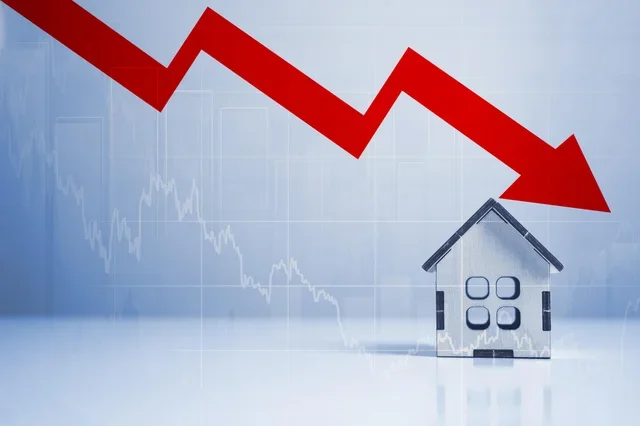
Interest rates are a fundamental lever in modern economies, influencing everything from personal finances to global markets. In the UK, the Bank of England sets the Bank Rate, which serves as the benchmark for other interest rates across the economy. When this rate drops, it signals a deliberate effort to stimulate activity, typically in response to slowing growth, rising unemployment, or the need to support recovery after periods of high inflation or economic shocks.
As of early 2026, the BoE Bank Rate stands at 3.75%, down from a peak of 5.25% in 2023. These reductions reflect a shift from fighting post-pandemic and energy-crisis inflation toward supporting growth amid uncertainties like geopolitical tensions. This article explores the multifaceted impacts of falling interest rates, with a particular focus on the UK context, particularly in regions like Yorkshire, while covering economic theory, historical precedents, sectoral effects, risks, and practical implications for households and businesses.
Table of Contents
Understanding Interest Rates and the Mechanism of Rate Cuts
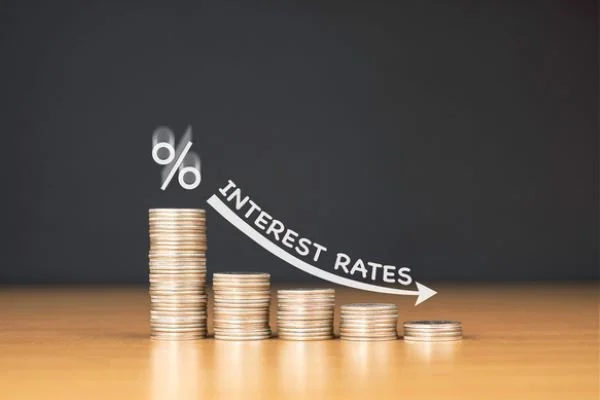
Interest rates represent the cost of borrowing money or the reward for saving it. The BoE’s Monetary Policy Committee (MPC) adjusts the Bank Rate to meet the 2% inflation target while supporting employment and growth. Lowering the rate influences the wider economy through several channels:
Transmission to banks and lenders: Banks’ cost of funds decreases, leading them to lower rates on loans, mortgages, and overdrafts.
Borrowing and spending: Cheaper credit encourages households and firms to take on more debt and spend more.
Asset prices: Lower yields on safe assets like bonds make riskier assets (stocks, property) more attractive.
Exchange rates: Lower rates can weaken the currency, boosting exports but raising import costs.
Expectations: Rate cuts signal confidence in managing downside risks and influence business and consumer sentiment.
The effects are not instantaneous. Fixed-rate mortgages, which dominate the UK market (around 87% of borrowers), respond with a lag as deals are refinanced. Variable and tracker mortgages adjust more quickly.
Macroeconomic Impacts: Stimulating Growth and Managing Inflation
The primary goal of rate cuts is to boost aggregate demand (AD). When borrowing costs fall:
Consumer spending rises: Lower mortgage payments increase disposable income. For example, a 1% drop in mortgage rates can significantly ease budgets for families with large loans. Consumers are more likely to finance big-ticket items like cars, home improvements, or holidays. This “wealth effect” from rising asset prices further supports spending.
Business investment expands: Companies face lower financing costs for expansion, equipment, R&D, or hiring. In an uncertain environment, this can shift projects from “maybe” to “go,” supporting job creation and productivity.
Employment effects: Increased activity typically reduces unemployment over time. However, if cuts respond to an already weakening labour market, benefits may lag.
Inflation dynamics: Lower rates are inflationary in the medium term as demand rises. Central banks must balance this against the risk of undershooting the target during slowdowns. Recent UK experience shows energy shocks can complicate this, pushing inflation temporarily higher even as rates ease.
Currency and trade: A lower Bank Rate can depreciate the pound, making UK exports cheaper and imports more expensive. This helps manufacturers and tourism, but raises costs for importers and can feed into inflation.
Stock markets and investment: Equities often rally on rate cuts due to cheaper capital, higher expected profits, and a shift from bonds. However, prolonged low rates can distort valuations and encourage risk-taking.
Overall, rate cuts aim to create a virtuous cycle of growth, but effectiveness depends on the economic context, whether the economy suffers from weak demand or structural issues like supply constraints.
The Housing and Property Market: A Particularly Sensitive Sector
Property is one of the most interest-rate-sensitive sectors due to the long-term, leveraged nature of mortgages. In the UK, where homeownership is culturally significant and household wealth is heavily tied to housing, rate drops have pronounced effects.
Increased affordability and demand:
Mortgage rates fall, improving borrowing capacity. A buyer previously stretched at higher rates can afford a larger loan or better property.
First-time buyers enter the market more easily, while existing owners can move up the ladder or refinance.
In regions like Bradford and Leeds, where average prices are more accessible than in southern England, this can broaden the buyer pool significantly. Lower rates amplify demand in areas with strong fundamentals like employment in finance, education, manufacturing, and logistics.
House price effects:
Higher demand against relatively inelastic supply typically pushes prices upward. Historical patterns show price growth accelerating after rate cuts, though regional variations exist. Yorkshire markets have shown resilience, with prices sometimes growing faster than the UK average amid improving affordability.
Sentiment plays a key role: Anticipation of cuts can bring buyers forward, creating momentum even before rates fully adjust.
Mortgage market dynamics:
Variable-rate borrowers see immediate relief on repayments.
New fixed deals become more attractive, encouraging activity.
Remortgaging surges as people lock in lower rates, freeing up income.
Supply-side responses:
Developers gain confidence to build more, especially if sales rates improve. However, planning constraints, labour shortages, and material costs can limit quick supply responses.
Buy-to-let investors find improved yields or easier financing, though tax and regulatory changes moderate this.
Regional nuances in Northern England:
Markets in Bradford and Leeds differ from those in London. They often benefit from lower entry prices (Leeds offering notable discounts compared to the capital) and diverse economies. Rate cuts can support regeneration, investment in infrastructure, and appeal to families and professionals priced out of the South. However, they may also exacerbate affordability challenges if prices rise faster than wages.
Rental market links:
Lower owner-occupier rates can reduce pressure on rentals as more people buy, but investor activity might sustain supply in the private rented sector.
Impacts on Other Key Sectors
Banking and finance: Net interest margins may compress initially, but higher lending volumes and economic activity can offset this. Banks become more willing to lend.
Construction and related industries: A pickup in housing transactions and new builds boosts employment in trades, materials, and professional services like surveying and conveyancing.
Retail and consumer services: Increased spending power supports high-street and online retail, hospitality, and leisure vital for city centres in Leeds and Bradford.
Manufacturing and exports: A weaker pound aids competitiveness, particularly for Yorkshire’s engineering and textiles sectors, though global conditions matter more.
Public finances: Government borrowing costs fall, easing debt servicing and potentially allowing more fiscal space for infrastructure or public services. Local impacts could include better funding for regional projects.
Pensions and insurance: Lower rates challenge defined-benefit schemes and annuity rates, affecting retirement planning. Insurers adjust product offerings.
Historical Lessons from UK Rate Cuts
Post-2008 Global Financial Crisis: Rates fell to 0.5% (later 0.1%). This supported recovery but contributed to house price growth, quantitative easing (QE), and challenges for savers. The UK avoided a deep double-dip but faced slow productivity growth.
COVID-19 response (2020): Rates hit 0.1% with massive QE. This prevented a collapse in the housing market and supported a rapid rebound in transactions once lockdowns eased, though it fuelled later inflation when combined with supply shocks.
Recent cycle (2024-2025): Cuts from 5.25% toward 3.75% have coincided with stabilising prices and gradual market recovery, illustrating how rate easing works in a high-debt environment.
Potential Downsides and Risks

While beneficial overall, rate cuts are not without costs:
Savers and retirees suffer: Deposit rates fall, reducing income for those reliant on savings. This can exacerbate inequality between asset owners and those without.
Debt accumulation: Cheap credit encourages higher household and corporate leverage, raising vulnerability to future shocks.
Asset bubbles: Rapid price rises in property or stocks can detach from fundamentals, creating correction risks.
Inflation resurgence: If demand outstrips supply, especially with external shocks (e.g., energy prices), inflation can reaccelerate, forcing policy reversals.
Bank profitability and lending standards: Very low rates can squeeze margins, potentially leading to tighter credit for riskier borrowers.
Currency weakness: Persistent depreciation can import inflation and erode purchasing power.
In the UK context, high levels of mortgage debt mean many households remain sensitive even after cuts. Regional disparities can widen if southern hotspots overheat while northern areas lag in supply response.
Implications for Different Stakeholders
Homebuyers: Lower rates expand options. First-time buyers benefit most from affordability gains. Timing matters; entering during the early stages of a cutting cycle can secure better deals. Budget for potential future rate normalisation.
Homeowners: Refinancing opportunities arise. Those on variable rates gain immediate relief; fixed-rate holders should monitor when their deals end. Equity release or home improvements become more viable.
Sellers: Improved demand can lead to firmer prices and faster sales, but overpricing in anticipation of a boom risks prolonged marketing periods. Presentation and realistic valuations remain key.
Investors and landlords: Lower financing costs improve cash flow on geared properties. However, regulatory changes, tax relief limitations, and tenant demand dynamics require careful analysis. Yield compression may occur if prices rise faster than rents.
Businesses: Access to cheaper capital supports growth plans, but competition intensifies.
Broader society: Rate cuts can support social mobility through easier homeownership but risk inflating wealth gaps if asset prices surge.
What Should Individuals and Businesses Do?
Review finances: Assess debt and savings. Consider refinancing or fixing rates strategically.
Monitor indicators: Track BoE announcements, inflation data, and housing metrics from sources like Nationwide or Halifax.
Stress-test: Model scenarios with rates rising again. Affordability calculations should include buffers.
Seek advice: Professional financial and property advice tailored to personal circumstances is essential.
Long-term perspective: Property remains a long-term asset. Local factors jobs, infrastructure (e.g., Leeds transport links), amenities—often matter more than short-term rate moves.
Global Context and Future Outlook
UK rate decisions do not occur in isolation. The Federal Reserve, European Central Bank, and other major central banks all influence global capital flows, investor sentiment, and currency markets. When policies are synchronised, such as coordinated rate cuts during periods of economic slowdown, the impact is often amplified across housing markets, borrowing costs, and business investment conditions. Conversely, when monetary policy diverges between regions, it can trigger currency volatility, shift cross-border investment patterns, and create uneven financial conditions that ripple into mortgage pricing and inflation expectations.
Looking ahead, central banks face a particularly delicate balancing act shaped by ageing populations, persistently high public debt levels, geopolitical uncertainty, and rapid technological change. These forces are likely to keep long-term interest rates lower than the historical averages seen in previous decades, as structural growth and inflation dynamics evolve. However, despite this broader trend, the cycle of rate hikes and cuts is expected to remain a core feature of monetary policy, responding to short- and medium-term economic fluctuations.
In Yorkshire, these global and national shifts interact with local fundamentals in a meaningful way. The region’s structural strengths in education, advanced manufacturing, healthcare, and the expanding digital economy position it well to benefit from periods of sustained lower borrowing costs. Improved affordability can help stimulate both residential demand and business expansion. However, the extent of these benefits will depend heavily on whether housing supply, infrastructure development, and planning efficiency are able to keep pace with rising demand, ensuring that growth remains balanced and sustainable over the long term.
Conclusion
When interest rates drop, the economy receives a stimulus injection: borrowing becomes cheaper, confidence often rises, and activity picks up across consumption, investment, and asset markets. For the property sector, the effects are particularly direct and powerful, typically supporting transactions, prices, and development trends observable in UK regions from Bradford to Leeds.
Yet rate cuts are a tool, not a panacea. Their success depends on timing, magnitude, accompanying policies, and external environment. Benefits for borrowers and the economy as a whole must be weighed against costs to savers, risks of excess, and distributional impacts. Understanding these dynamics empowers better decision-making, whether buying a first home, managing investments, running a business, or planning for retirement.
In an ever-evolving economic landscape, staying informed remains the most reliable strategy. Rate environments shift, but the principles of affordability, sustainability, and local market knowledge endure. A lower-rate world offers opportunities; seizing them prudently is key to long-term financial resilience.
Want to understand how falling rates affect buyers, sellers, and mortgages? Speak to Armaani Estates today.
FAQs
How quickly do mortgage rates and house prices respond to a Bank of England rate cut?
Mortgage rates often begin adjusting even before an official Bank of England rate cut, as lenders price in expected changes. Variable and tracker rates can move within days or weeks, while fixed-rate deals tend to reprice almost immediately. House prices respond more slowly, typically with a lag of around 3 to 9 months as improved affordability feeds into buyer demand and transaction volumes.
Will house prices definitely rise when interest rates drop?
No, lower interest rates do not guarantee rising house prices. While they generally support demand by improving affordability, price movements also depend on housing supply, wage growth, consumer confidence, and local market conditions. In more affordable regions such as Bradford and Leeds, growth tends to be steadier rather than sharply inflationary.
What should first-time buyers do when interest rates are falling?
First-time buyers should secure an Agreement in Principle early to understand their borrowing capacity and act quickly when suitable properties become available. It is also important to budget conservatively, factoring in potential future rate changes and additional purchase costs. Local market knowledge can help identify the best value opportunities.
How are savers and retirees affected by lower interest rates?
Lower interest rates typically reduce returns on savings accounts and fixed-income products, which can significantly impact retirees who rely on interest for income. As a result, some individuals shift part of their savings into higher-return assets such as equities or property, although this introduces additional risk.
What is the impact on the rental market when interest rates fall?
Falling interest rates can encourage more renters to become buyers, which may slightly reduce rental demand. At the same time, lower borrowing costs can support landlords and help maintain rental supply. Overall rental levels still depend heavily on local employment conditions and housing availability, particularly in cities like Bradford and Leeds.
Should I remortgage or fix my mortgage rate now, or wait for further cuts?
This depends on your current mortgage terms, timeline, and risk tolerance. Fixing now provides certainty over monthly payments, while waiting could result in slightly lower rates but carries the risk of rates increasing again. A mortgage broker can provide tailored advice based on your financial situation.
How do falling interest rates affect regions like Bradford and Leeds?
Lower rates generally improve affordability and stimulate buyer demand in more accessible northern markets. This can increase transaction volumes, support regeneration activity, and strengthen local economic performance. However, sustained growth still depends on housing supply and broader economic conditions.
Need clarity on what lower interest rates mean for buyers and sellers? Contact Armaani Estates now.
