
What Makes a Property Difficult to Mortgage?
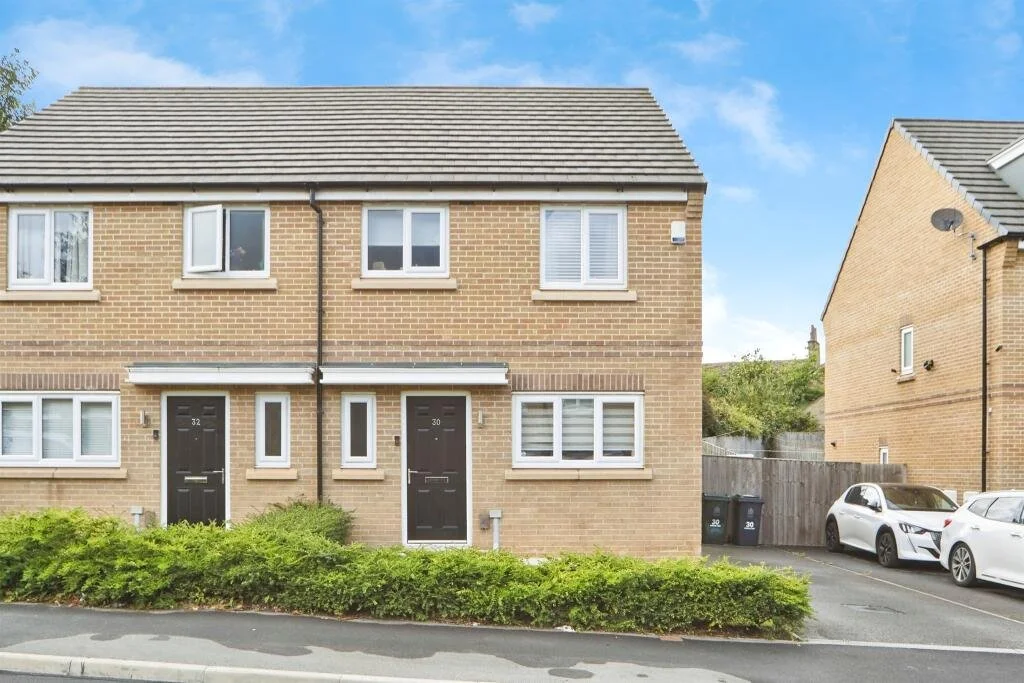
Buying a home usually involves two separate questions: can you afford the mortgage, and will the lender accept the property as security for the loan? Buyers often focus heavily on their income, deposit and credit history, but the property itself can create just as many complications. A house may look perfectly suitable during a viewing and still be difficult to mortgage because of its construction, condition, lease terms, planning history, location or potential resale value. Mortgage lenders are lending against an asset, so they need confidence that the property is structurally suitable, insurable and likely to remain reasonably saleable. GOV.UK explains that a mortgage lender carries out a mortgage valuation to decide whether it is comfortable lending against the property, while this valuation is separate from a detailed home survey.
Table of Contents
Why Some Properties Are Harder to Mortgage
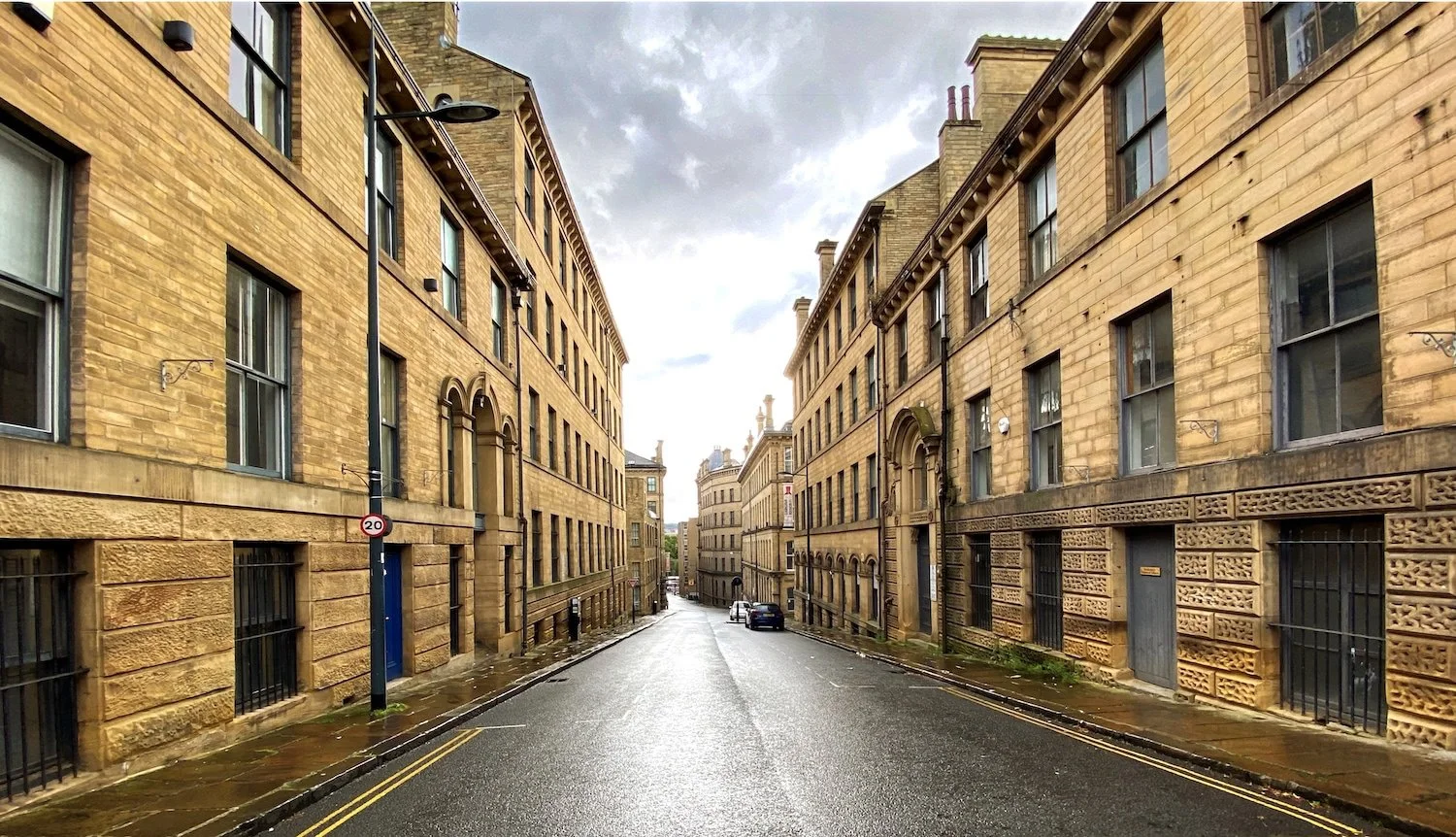
A property is generally easier to mortgage when it is a conventional residential home, structurally sound, readily saleable, adequately insured and supported by straightforward legal documentation. Problems tend to arise when a property falls outside what a particular mortgage lender considers normal or acceptable security. Importantly, there is no single universal list of “unmortgageable” properties because lender criteria vary. One lender may decline a particular property while another may consider it after additional evidence, specialist reports or a different loan-to-value position.
Halifax’s current intermediary criteria, for example, state that properties are assessed on their individual merits and that surveyors consider construction, property type, location, use and environmental issues. Its criteria also require the property to be habitable, readily saleable, structurally sound and capable of being insured.
Non-Standard Construction Can Create Problems
Traditional brick or stone construction is generally familiar to mortgage lenders and surveyors, while non-standard construction can require more investigation. Properties built with unusual systems or materials may not fit standard lending criteria because the lender needs greater certainty about their durability, structural performance, maintenance requirements and future saleability.
Examples can include certain concrete systems, steel-framed buildings, timber-framed properties, prefabricated structures and other construction methods. However, non-standard does not automatically mean unmortgageable. Halifax, for instance, states that non-traditionally constructed properties can be considered subject to inspection and design, while certain defective precast reinforced concrete properties may not be accepted unless appropriate repairs and certification have been completed.
The important distinction is between an unusual construction method and a construction defect. A property may have been designed and maintained successfully for decades but still require a specialist valuation before a lender is comfortable proceeding.
Buyers searching for a mortgage property should ask the estate agent how the property was constructed and whether previous mortgage buyers have experienced difficulties. A surveyor may also be able to identify construction characteristics that are not obvious during an ordinary viewing. If a lender requires a specialist report, the buyer should understand what evidence is needed before assuming the mortgage will proceed.
Structural Defects Can Affect Mortgage Approval
Serious structural problems can make a property difficult to mortgage because the lender is relying on the property as security. Issues such as significant subsidence, major movement, severe roof failure, extensive dry rot, serious damp, defective masonry or unsafe structural alterations can affect both condition and value. The presence of a defect does not automatically prevent lending, but the extent and cause can change the lender's assessment.
RICS guidance recognises that mortgage valuation inspections consider matters that may affect value and specifically identifies issues including flooding, mining settlement, subsidence, woodworm, invasive vegetation and other location-specific risks.
A buyer should therefore avoid relying on appearance alone. Cosmetic improvements may conceal previous repairs or ongoing problems, and a mortgage valuation is not designed to provide the same level of detail as a full building survey. GOV.UK states that a mortgage valuation checks whether the lender is prepared to lend against the property and does not replace a survey of the property's condition.
If a survey identifies a serious defect, the lender may require further information, reconsider the valuation or place conditions on lending. In some situations, essential repairs may need to be completed before the mortgage can proceed. Halifax's criteria expressly state that lending may be wholly or partially retained pending works needed to bring a property to an acceptable condition.
Short Leases and Leasehold Issues
Leasehold properties can become difficult to mortgage when the lease term becomes too short or when the lease contains financial or legal arrangements that a lender considers unsuitable. GOV.UK states that many lenders are reluctant to lend where fewer than 80 years remain, and the remaining term can affect both property value and the cost of extending the lease. The problem becomes particularly important for buyers purchasing flats or older leasehold houses. A property advertised at an attractive price may look affordable, but if only a limited number of years remain on the lease, the buyer may have difficulty obtaining a mortgage or finding another buyer in the future. Extending a lease can also involve significant expense.
Ground rent and service charges may matter as well. The government recommends checking the current ground rent, how it changes, service charge history, planned major works, insurance arrangements and restrictions before buying a leasehold home. Buyers should obtain the lease details before committing to the purchase and discuss them with a conveyancer. This is particularly important when comparing cheap flats with apparently similar properties nearby. The lower asking price may reflect lease length, service charges, building expenditure or other factors.
Flats Above Shops and Mixed Use Properties
Properties above shops or close to commercial premises can be more complicated to mortgage because lenders may consider how the surrounding use affects the property's residential character and saleability. A flat above a quiet office may present a different lending profile from one directly above a late-night venue, takeaway or workshop. Noise, smells, access arrangements, fire safety, operating hours and shared services can all become relevant. Mortgage lenders do not necessarily reject every flat above a commercial property. Halifax's criteria state that residential properties above shops can be assessed, but the residential unit needs suitable access and must generally be self-contained with its own private facilities and separate services. The lender also considers whether commercial activity could reduce saleability. This means buyers should look beyond the interior. Ask whether access is independent, whether the flat shares utilities with the commercial unit and whether the property has a separate title. A mortgage lender may request additional information if the arrangement is unusual.
The same principle applies to mixed-use buildings, live/work units and properties with business activity attached to the accommodation. Some lenders have specific restrictions on commercial or business use. Halifax, for example, says its mainstream residential lending is intended for owner-occupied residential property and applies particular conditions to limited business use and live/work properties. A specialist mortgage broker can establish whether a particular property fits available lender criteria before the buyer progresses too far.
Flood Risk, Subsidence and Environmental Concerns
Location-related risks can influence whether a mortgage lender accepts a property and the conditions attached to lending. Flood risk is one example. Government flood guidance explains that buyers can check long-term risks from rivers, the sea, surface water, reservoirs and groundwater, although the online service does not determine the exact likelihood of an individual property flooding. Flooding can have wider implications because insurance availability, future repair costs and property values may all be affected. Government guidance published in 2025 noted that flood risk is an increasing consideration for mortgage lenders and linked flooding with potential effects on property values and insurance.
Subsidence and mining-related movement can also create concerns, particularly in areas where historic mining activity or particular soil conditions are present. Buyers should not assume that a postcode automatically makes a property unmortgageable. The assessment depends on the property, evidence available, insurance and lender criteria. Environmental issues can also include Japanese knotweed and other invasive vegetation. RICS has specific professional standards covering Japanese knotweed valuation because its presence can influence risk, remediation requirements and market value.For buyers in Bradford and West Yorkshire, appropriate local searches can be particularly useful where there may be historic mining, flooding or other location-specific considerations. GOV.UK notes that conveyancers can advise on specialist searches, including flood risk and mining reports.
Unusual Property Types and Small Homes
Some homes are difficult to mortgage simply because they are unusual. Mortgage lenders need to be confident that they can recover the loan if the borrower fails to repay and the property has to be sold. A property with very limited demand, unusual use or limited comparable sales can therefore receive greater scrutiny. Examples may include very small homes, unusual conversions, park homes, houseboats, mobile homes, agricultural properties and some live/work arrangements. Halifax lists houseboats, mobile homes, certain agricultural properties, timeshares and specific flats over commercial premises among property types that its residential lending does not accept.
Size alone is not necessarily the problem. Halifax says it does not impose a specific general minimum property size, but the property must still be habitable, readily saleable and structurally sound. A surveyor may consider whether the size of an individual property restricts future marketability. This is why two homes with similar prices can have completely different mortgage outcomes. A conventional two-bedroom terrace might be straightforward, while a converted commercial building with a highly unusual layout could require specialist assessment. Buyers looking at property for sale in Bradford, Leeds or other competitive markets should ask early whether the home is considered standard residential security. This can prevent a situation where an offer is accepted only for the mortgage lender to raise concerns later.
Planning Permission and Missing Building Regulations
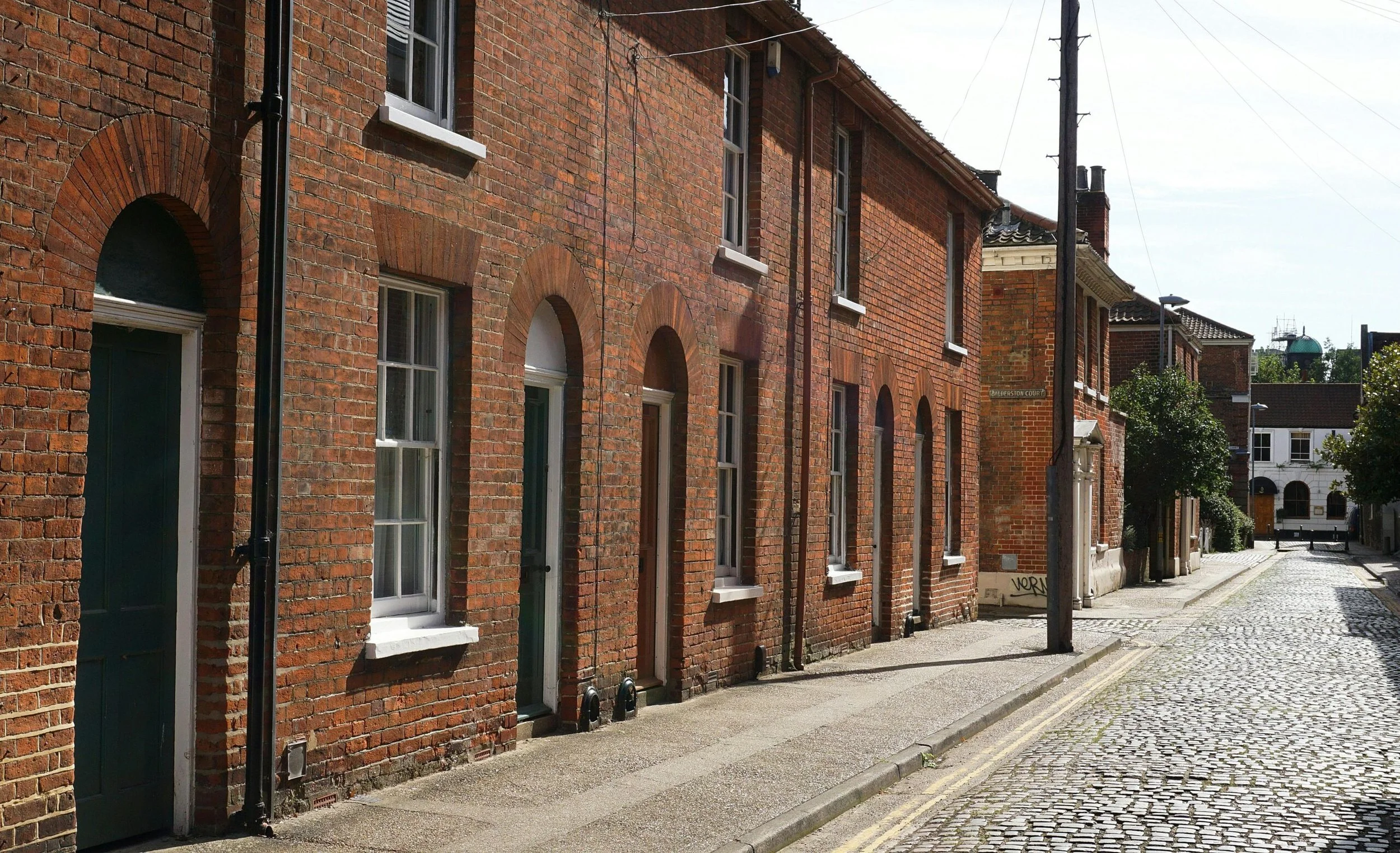
A property can be difficult to mortgage when its physical form does not match its legal or planning history. Extensions, loft conversions, garage conversions, removed walls, new bathrooms and other alterations may require approvals or certificates depending on the work undertaken. Missing documentation can create uncertainty for both the buyer and lender. GOV.UK explains that building regulations apply to many types of construction and alteration work and that building regulations approval is different from planning permission. It also warns that missing approval can create problems when selling a property because certificates of compliance may be needed.
A conveyancer should investigate legal documentation, while an appropriate surveyor can consider the physical quality of the alteration.
Buildings Insurance and Future Saleability
Mortgage lenders are concerned not only with today's condition but also with whether the property remains suitable security throughout the mortgage. Buildings insurance is therefore important. If a property cannot be insured on acceptable terms, this can create a serious obstacle to lending. Halifax states that its property criteria require a home to be capable of having buildings insurance arranged and identifies structurally unsound or uninsurable properties as unacceptable security. Insurance problems may arise from several sources, including severe flood exposure, significant structural defects, unusual construction, certain high-risk materials or other property characteristics. A buyer should therefore avoid treating insurance as an administrative issue that can be considered only after making an offer.
Saleability is another recurring factor. Lenders need confidence that the property would have a reasonable market if they ever had to recover their money through a sale. This is one reason unusual construction, tiny accommodation, complex ownership structures and commercial elements can receive additional scrutiny. For example, a property might be perfectly suitable for an individual buyer but have limited appeal to the wider market because of access restrictions or a highly unusual layout. A lender may take that into account during valuation.
A good estate agent Bradford buyers work with should be able to provide available property information, but mortgage approval ultimately rests with the lender and its valuation process. Buyers should therefore consider asking about previous transactions, tenure, construction and known property restrictions early.
When the Mortgage Valuation Comes in Lower
Another common reason a property becomes difficult to mortgage is not a defect at all: the lender's valuation may come in below the agreed purchase price. The buyer and seller may agree that a house is worth £250,000, but if the lender's valuation supports only £235,000, the mortgage may be based on the lender's assessment rather than the buyer's agreed price. MoneyHelper explains that a mortgage valuation checks whether the property is worth the price being paid or at least the amount being borrowed. It is designed for the lender rather than as a detailed condition survey.
Suppose a buyer has agreed to pay £250,000 and planned to borrow £225,000 with a £25,000 deposit. If the lender values the property at £235,000 and is prepared to lend a maximum of 90% of that valuation, the maximum loan could be £211,500. The buyer would then need to find additional funds, renegotiate the purchase price or explore another mortgage option, depending on the circumstances. A lower valuation does not necessarily mean the seller has deliberately overpriced the property. Valuers assess evidence available to them, including comparable properties and market conditions.
For buyers, the important point is that the agreed price and mortgage valuation are separate. An estate agent UK buyer uses to negotiate the purchase cannot guarantee the lender's valuation, so budgeting should allow for potential valuation differences.
How Buyers Can Reduce Mortgage Problems
The easiest way to deal with property mortgageability is to investigate potential issues before reaching the point where the transaction has become expensive. Buyers should tell their mortgage adviser the exact property type, tenure and any unusual characteristics as early as possible. A lender selected on the basis of the buyer's income and deposit may not necessarily be suitable for the property itself. At the property stage, ask about construction, lease length, service charges, alterations, planning approvals, commercial activity, previous structural problems and insurance. Where the property is unusual, a broker may be able to check lender criteria before a full application is submitted.
A survey is also valuable. GOV.UK makes clear that a mortgage valuation and a home survey serve different purposes, with a survey providing a more detailed inspection of the physical condition. Buyers should also consider appropriate searches. Depending on the location and property, these may include mining, flood, environmental or other specialist searches. GOV.UK notes that conveyancers can advise on additional searches that may be appropriate. Most importantly, do not assume that a low price means a property is a mortgage bargain. A discounted home may reflect a short lease, unusual construction, structural concern or restricted market. The cheaper purchase price may therefore come with additional finance, legal or repair complications.
Found a property you love but worried it may be difficult to finance? Get practical property insight and understand potential mortgage concerns before moving forward. Get in touch with Armaani Estates today.
FAQs
Can you get a mortgage on a non-standard construction property?
Yes, in some cases. Non-standard construction is not automatically unmortgageable. Some lenders assess these properties individually and may require a suitable valuation or specialist report. Halifax, for example, accepts some non-traditional construction subject to inspection and design, while certain defective construction types are excluded or require recognised repairs and certification.
Can I mortgage a flat above a shop?
Possibly. The type of commercial activity, access, construction, ownership and saleability can all affect lender decisions. Some lenders will consider flats above commercial premises, whereas others may restrict particular uses or arrangements. The exact property should be assessed against the lender's current criteria.
Will subsidence stop me getting a mortgage?
Not necessarily, but significant or unexplained subsidence can make a property more difficult to finance. A lender may require a specialist structural report, evidence of completed remedial work, insurance information or other documentation before deciding whether the property is acceptable security.
Can a property with Japanese knotweed be mortgaged?
It can be, depending on the circumstances. RICS has specific guidance for valuers dealing with Japanese knotweed because the level of infestation, management requirements, impact on use and effect on market value can vary. Some lenders may require treatment documentation, professional reports or other evidence before advancing funds.
Does a low mortgage valuation mean the property cannot be bought?
No. A lower valuation can create a funding gap, but it does not automatically end the transaction. Depending on the circumstances, the buyer and seller may renegotiate, the buyer may provide additional funds, or the buyer may investigate another lender. Any alternative mortgage remains subject to that lender's own assessment.
Can an estate agent tell me whether a property is mortgageable?
An estate agent can provide information about the property and disclose known details, but the lender makes the final mortgage decision. For unusual homes, buyers should speak to a mortgage adviser and arrange appropriate legal and survey checks rather than relying on the asking price or previous sales alone.
