
What makes Little Germany different from other neighbourhoods

Little Germany is one of the most distinctive areas of Bradford city centre. Unlike many Bradford neighbourhoods that developed mainly around residential streets, modern retail areas or later industrial expansion, Little Germany grew as a specialist Victorian merchant quarter. Its identity is closely connected with Bradford's textile economy, European merchants and the substantial warehouses built during the city's nineteenth century commercial expansion.
The area remains particularly recognisable because so much of its historic character survives. Bradford Council identifies Little Germany as a conservation area, while heritage sources record a concentrated collection of listed buildings within a relatively compact part of the city.
Table of Contents
Little Germany Has a Remarkable Industrial and Merchant History
Little Germany developed during one of the most important periods in Bradford's history. Much of the area was formerly church land before development accelerated during the nineteenth century. As Bradford became a major centre for wool and worsted production, merchants required substantial premises where finished goods could be stored, displayed, managed and prepared for export. Many of the buildings that define Little Germany today were created for this commercial purpose. The neighbourhood's name reflects its historical links with German and other European merchants who settled in Bradford and became involved in the textile trade. Jewish German merchants also played an important role in the area's commercial and social history. Rather than being designed as a residential suburb, Little Germany was therefore shaped by business, international trade and the ambitions of successful nineteenth-century entrepreneurs. Bradford Council's conservation appraisal notes that most of the area's buildings were constructed within a relatively narrow period, particularly between 1850 and 1870, making the neighbourhood a concentrated record of Bradford's industrial prosperity.
This history separates Little Germany from many other Bradford neighbourhoods. Areas such as Manningham, Great Horton, Eccleshill or Idle developed with different combinations of housing, industry, community facilities and transport infrastructure. Little Germany instead retains the physical evidence of a commercial district created during Bradford's Victorian trading boom. Walking through the area can therefore feel less like entering a conventional residential neighbourhood and more like entering a preserved chapter of the city's economic history. The historic connection also extends beyond warehouses. Religious buildings, merchant residences, offices and other structures form part of the wider story. The neighbourhood sits close to Bradford Cathedral and the Cathedral Precinct, creating an additional connection between commercial and religious heritage. This mixture of commerce, architecture, migration and civic development gives Little Germany a layered identity that continues to influence how the area is used and perceived today.
The Architecture Gives Little Germany Its Distinctive Character
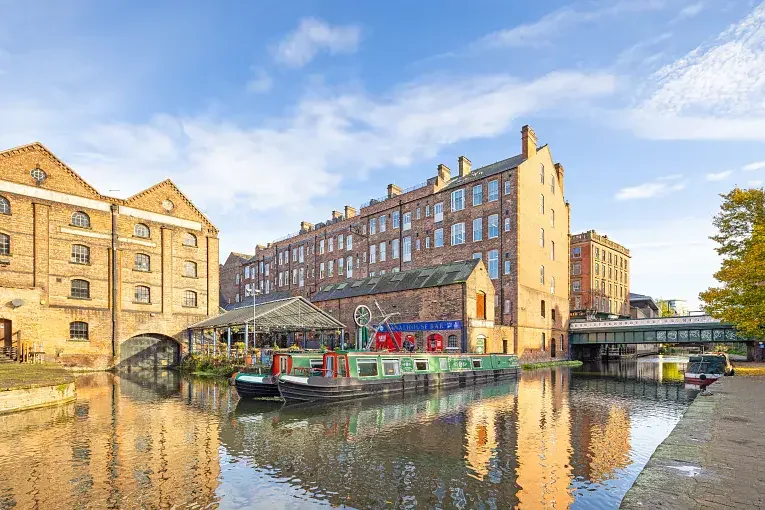
Architecture is probably the most visible difference between Little Germany and other Bradford neighbourhoods. The area contains an unusually concentrated collection of substantial nineteenth-century buildings, many constructed from local stone and influenced by Italianate architectural traditions. Instead of detached houses or rows of conventional terraces dominating the streetscape, visitors encounter large warehouses with decorative façades, tall windows, stone detailing and carefully designed entrances.
Bradford Council's conservation appraisal describes the architectural quality of Little Germany as exceptionally high and records 55 listed buildings among the 85 buildings within the conservation area at the time of the appraisal. The area's heritage significance comes not simply from individual buildings but from the relationship between them, the street layout and the wider townscape.
The architectural character also affects modern property use. Former commercial buildings can provide unusually large floorplates, high ceilings, substantial windows and impressive original features. Some historic properties have been adapted for offices, apartments, hospitality, creative uses and other modern purposes. This means people looking at property for sale in Little Germany may encounter buildings that are fundamentally different from the conventional housing stock found elsewhere in Bradford.
The conservation setting is also important. A listed building is not simply an attractive old property. Its special architectural or historic interest can affect how alterations are considered, particularly where proposed work could affect the building or its setting. Bradford Council explains that changes to listed buildings need to respect their particular character and interest. Buyers considering historic property should therefore understand the planning and maintenance implications before committing to a purchase.
Its City Centre Location Creates a Different Lifestyle
Little Germany is positioned immediately alongside central Bradford, which gives it a different relationship with the city compared with many outer neighbourhoods. Residents can be close to shops, employment areas, restaurants, cultural attractions, civic buildings and transport facilities without living in a conventional suburban environment. The area is also connected to the wider Cathedral Quarter and other parts of Bradford city centre. This location can appeal to people who value walkability and access to urban facilities. Instead of relying entirely on a car for everyday activities, residents can reach many central destinations on foot or combine walking with public transport. The area's position near Bradford Forster Square is also significant for commuters and people travelling beyond the city. The station underwent a major gateway redevelopment completed in 2024, including accessibility improvements, cycle parking, passenger facilities and other upgrades.
Little Germany's central position also creates an interesting contrast. The neighbourhood is close to busy commercial streets, yet many of its internal streets have a more enclosed historic character. The dense arrangement of buildings, sloping topography and architectural scale create a sense of separation from some of the more modern parts of Bradford city centre. For buyers comparing an estate agent in Bradford with different local property options, this distinction can be important. A person searching for a large garden and quiet suburban street may have different priorities from someone looking for a character apartment close to employment, transport and city centre amenities. Little Germany is therefore best understood through the type of lifestyle it provides rather than simply comparing it with Bradford neighbourhoods on property size or price alone.
Property in Little Germany Has a Distinctive Character
The property market in Little Germany is unusual because the historic built environment strongly influences the type of accommodation available. Converted warehouses and commercial buildings can provide apartments and workspaces with features rarely found in standard Bradford housing. Exposed stonework, tall ceilings, large windows, substantial proportions and historic façades can create a strong sense of character.
At the same time, buyers should recognise that historic property is not automatically straightforward property. A converted building may have service charges, leasehold considerations, maintenance responsibilities or restrictions connected with its heritage status. Some buildings may also have communal areas or specialist maintenance requirements that differ considerably from a typical terrace or semi detached house. These issues need to be examined alongside the asking price rather than considered after an offer has been made.
For landlords and property investors, the area's character may create opportunities within the apartment and professional rental market, but performance depends on the individual property. Purchase price, service charges, management costs, condition, achievable rent and future maintenance all need to be considered. An attractive historic building can have very different financial characteristics from a standard buy to let property elsewhere in Bradford.
This is why working with a Bradford estate agent who understands different property types can be useful when assessing a purchase or sale. Historic apartments should not simply be compared with ordinary houses on a price per square foot basis. The building's condition, conversion history, lease arrangements, location and architectural qualities can all influence buyer interest.
Culture, Heritage and Community Add Another Layer
Little Germany is not simply an architectural collection of old warehouses. Its cultural history is an important part of the neighbourhood's identity. Heritage organisations highlight the area's links with German merchants, Jewish communities, Bradford's textile trade and important figures connected with the city. The story of composer Frederick Delius, whose family had German connections with Bradford, is one example of how commercial history and cultural history overlap in the area. The neighbourhood also contains connections with different religious traditions. Historic and current places of worship around Little Germany and its surrounding streets demonstrate how the area changed as Bradford's population and communities developed. The presence of heritage plaques, historic buildings and architectural details means that the area can be experienced through more than its property market.
Little Germany also has a growing relationship with visitors, heritage activities and creative uses. Its unusual streetscape makes it suitable for photography, walking routes and cultural events, while historic buildings can provide distinctive settings for businesses and creative organisations. The heritage organisation behind Little Germany describes the area as having 55 listed buildings and highlights a range of points of interest for visitors. For residents, this cultural identity can create a different atmosphere from neighbourhoods where the dominant character is purely residential. There is a strong sense that the buildings themselves form part of the local experience. Someone buying a property in Little Germany is therefore not simply purchasing an apartment in central Bradford; they may also be choosing to live within a historically significant urban environment.
Regeneration Is Changing How Little Germany Is Used
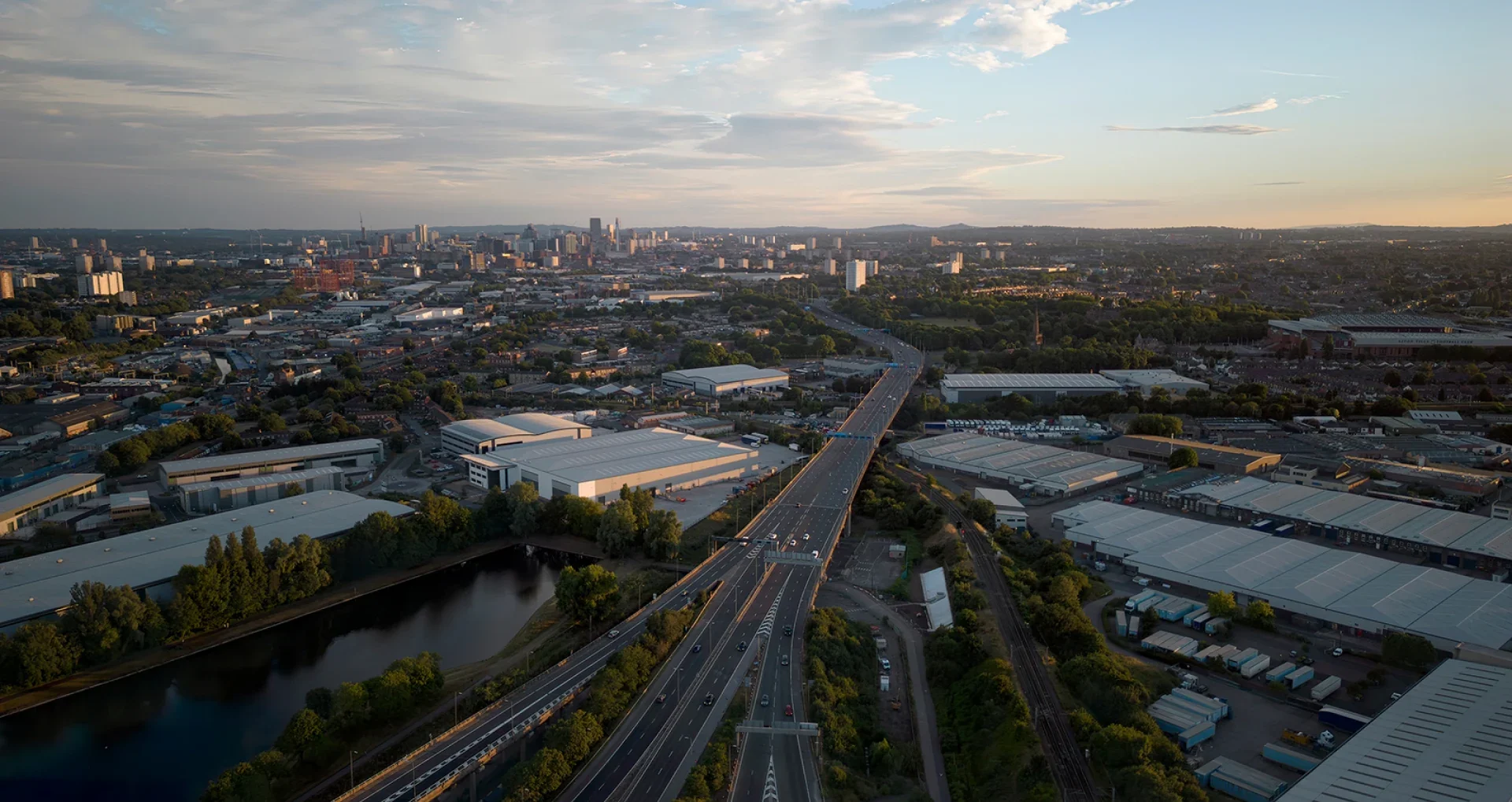
Little Germany's future is closely connected with wider Bradford city centre regeneration. Planning documents identify the Forster Square, Little Germany and Cathedral Quarter area as an important location for housing, business activity, public realm improvements and better connections. The Bradford District Local Plan also identifies the need for new housing to be integrated sensitively with the existing historic built form. This creates an interesting balance between preservation and change. The challenge is not simply to keep historic buildings looking old. A successful heritage neighbourhood needs buildings that remain useful, occupied and economically viable. Conversions, new residential development, improved streets, pedestrian connections and public spaces can help introduce new activity while retaining important parts of the historic environment.
Why Buyers, Sellers and Landlords Should Look Closely at Little Germany
Little Germany can appeal to several types of property buyers, but the reasons for choosing the area are different from those associated with a conventional Bradford suburb. Owner-occupiers may be attracted by character, central location and converted historic buildings. Young professionals may value proximity to employment and transport. Landlords may consider apartments for tenants seeking central accommodation, while businesses may value distinctive commercial premises.
Sellers also need to recognise that Little Germany's identity can influence the audience for a property. Marketing a character apartment is different from marketing a standard family house. Photography, descriptions, floor plans and accurate information about original features can help buyers understand what makes a property distinctive. At the same time, practical information such as parking, service charges, lease length, heating, storage and access should not be overlooked.
For anyone considering property for sale in Bradford, the comparison should therefore go beyond headline price. Little Germany offers a particular combination of heritage, centrality and architectural character. Its properties can be highly individual, meaning that condition and building-specific factors can have a significant effect on value and buyer demand.
Whether buying, selling or renting, it is sensible to look at the immediate street as well as the wider Bradford market. Two properties only a short distance apart can have different characteristics depending on their building, conversion, outlook, tenure and intended use. This is one reason local knowledge remains valuable when assessing property in a distinctive conservation area.
Looking at property in Little Germany? Understand the character, location, property types and unique features that make this historic Bradford neighbourhood different. Contact Armaani Estates now.
FAQs
Why is Little Germany in Bradford called Little Germany?
The name is associated with the German and wider European merchants who settled in Bradford and became involved in the city's textile trade. Their businesses helped shape the merchant quarter and contributed to the area's distinctive commercial architecture.
Is Little Germany a conservation area?
Yes. Little Germany is officially designated as a conservation area by Bradford Council. Its historic buildings, street pattern and architectural character are important parts of the designation.
What type of properties are found in Little Germany?
The area includes converted historic commercial buildings, apartments, offices and other uses alongside surrounding residential property. Former warehouses are particularly important to its architectural identity.
Is Little Germany suitable for property investment?
It can offer opportunities for landlords and investors, particularly where character apartments or centrally located properties meet suitable tenant demand. However, investors should assess purchase price, rent, service charges, maintenance, lease terms and building condition individually.
What makes Little Germany different from other Bradford neighbourhoods?
Its combination of Victorian merchant history, concentrated listed buildings, conservation status, distinctive architecture, central location and connection with Bradford's international textile trade makes it unusually different from more conventional residential neighbourhoods.
Is Little Germany good for people who want city centre living?
Its location can suit people who want close access to central Bradford, transport links, employment and cultural facilities while living within a historic built environment. The suitability ultimately depends on individual preferences, property type and practical requirements.
