
What Makes One Street More Valuable Than the Next?
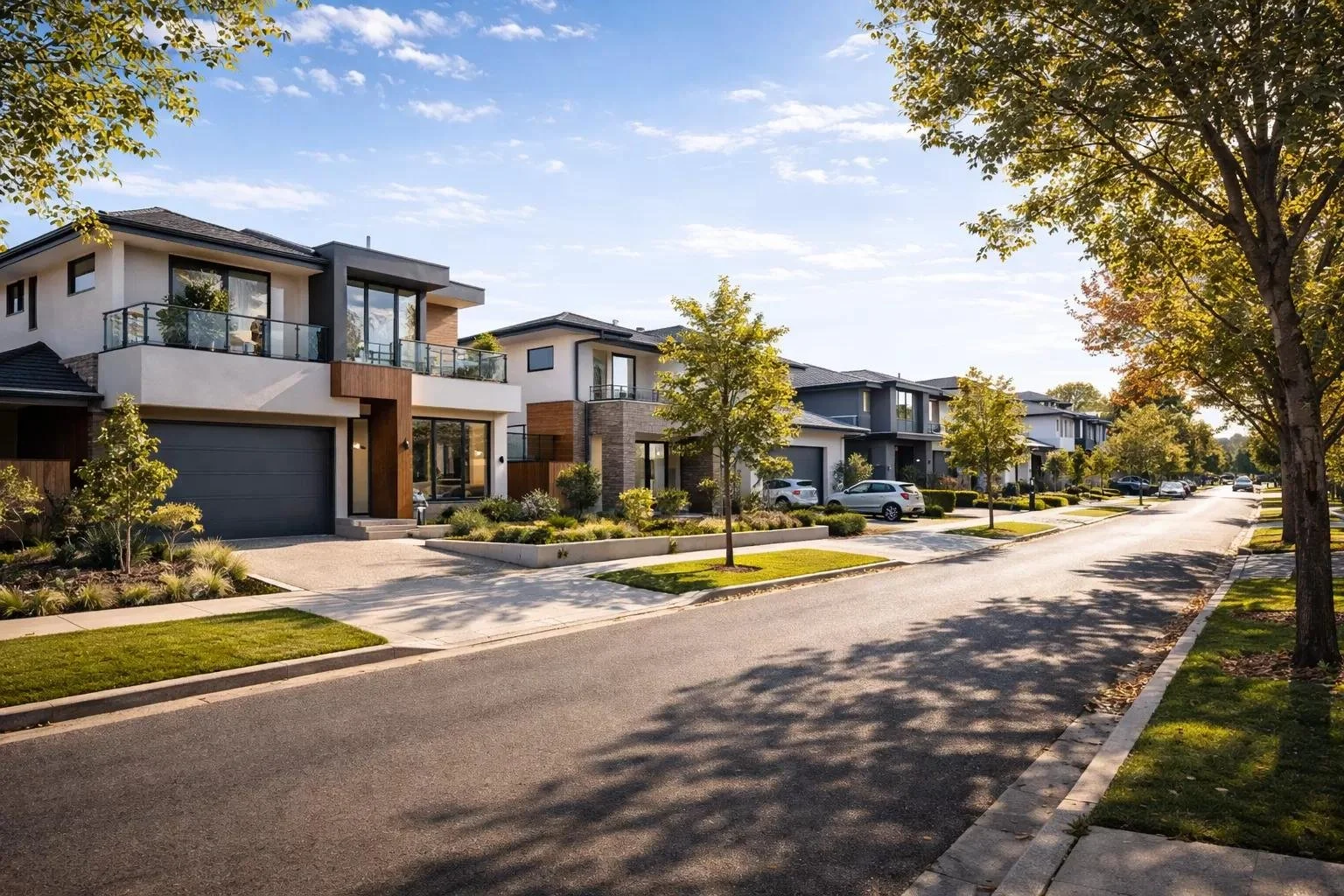
When it comes to real estate, not all streets are equal even within the same neighborhood. Two similar homes can have very different values simply due to their street location. This often surprises buyers searching for “why house prices vary on the same road” or “what affects property value UK.” Street-level differences are influenced by factors such as accessibility, safety, nearby amenities, and overall reputation, all of which shape buyer demand. In competitive markets, even small differences can create noticeable price gaps.
For investors and homebuyers, understanding these variations is essential for making smarter decisions and spotting undervalued opportunities. Streets with strong appeal tend to see steady growth, while less desirable ones may fall behind. Ultimately, property value is not just about the home itself, but the environment around it, making street choice a key factor in long-term value.
Table of Contents
Location Within a Neighborhood Matters More Than You Think
Even within a single area, micro-location plays a critical role in determining property value. Buyers often search for “best streets in [area name]” because they understand that proximity to key features can make a difference. Streets closer to parks, schools, or transport links tend to attract more demand and higher prices.
For example, a house located near a well-rated school or within walking distance of a train station may command a premium compared to one just a few streets away. Similarly, properties on quieter residential roads are often valued higher than those on busy main streets.
This variation is driven by buyer preferences. Families prioritize safety and access to schools, while professionals look for convenience and connectivity. As a result, certain streets become more desirable over time.
Understanding micro-location trends can help buyers identify areas with growth potential. A slightly less popular street today may become highly sought-after in the future if infrastructure or amenities improve nearby.
Transport Links and Accessibility
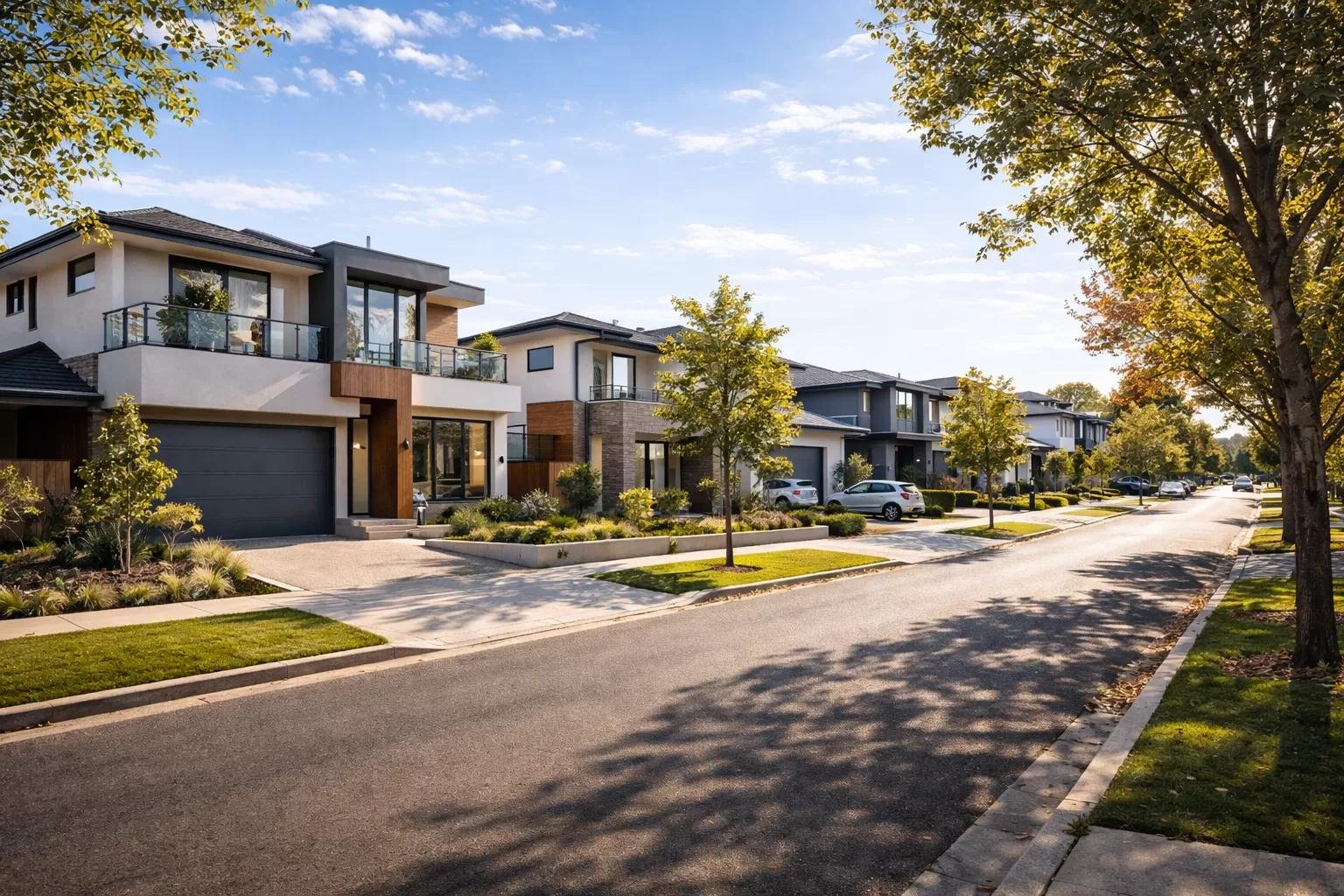
One of the most influential factors affecting street value is accessibility. Streets with easy access to public transport, major roads, and city centres consistently rank higher in property value. Searches like “homes near train station benefits” and “commuter-friendly streets UK” highlight the importance of connectivity.
Properties located within walking distance of a train station or major bus route often attract professionals who commute daily. This convenience increases demand, which in turn drives up prices. On the other hand, streets with poor transport links may struggle to maintain similar value levels.
However, there is a balance to consider. While proximity to transport is beneficial, being too close to busy roads or railway lines can reduce appeal due to noise and traffic. The most valuable streets are those that offer easy access without the associated drawbacks.
As urban areas continue to grow, transport infrastructure improvements can significantly boost street value. Buyers who anticipate these changes can benefit from early investments.
School Catchment Areas and Family Demand
School catchment areas are one of the strongest drivers of property value at the street level. Buyers frequently search for “homes near top schools” or “best school catchment areas UK” because access to quality education is a top priority for families.
Streets located within the catchment of highly rated schools often see increased demand, leading to higher house prices. In some cases, properties just outside the catchment boundary can be significantly cheaper, even if they are only a short distance away.
This demand is driven by long-term planning. Families are willing to pay a premium to secure a place in a desirable school, which creates competition for homes on certain streets. Over time, this demand sustains property value growth.
Investors also recognize this trend, as properties in strong catchment areas tend to retain value and attract stable tenants. As a result, school proximity remains a key factor in determining why one street is more valuable than another.
Safety, Crime Rates, and Perception
Safety is a major consideration for buyers, and it plays a crucial role in determining street value. Even within the same neighborhood, streets with lower crime rates or a better reputation can command higher prices. Searches like “safe neighborhoods UK” and “how crime affects property prices” reflect this concern.
Perception is just as important as reality. A street known for being quiet and family-friendly will attract more buyers than one perceived as less secure. Lighting, visibility, and overall upkeep also contribute to this perception.
Local crime statistics can influence buyer decisions, but so can word-of-mouth and online reviews. Streets with active community involvement and neighborhood watch programs often feel safer, increasing their appeal.
For investors, understanding these dynamics is essential. Properties in safer areas tend to have higher demand, lower vacancy rates, and better long-term value. Safety is not just a lifestyle factor it’s a key driver of property pricing.
Street Appearance and Curb Appeal
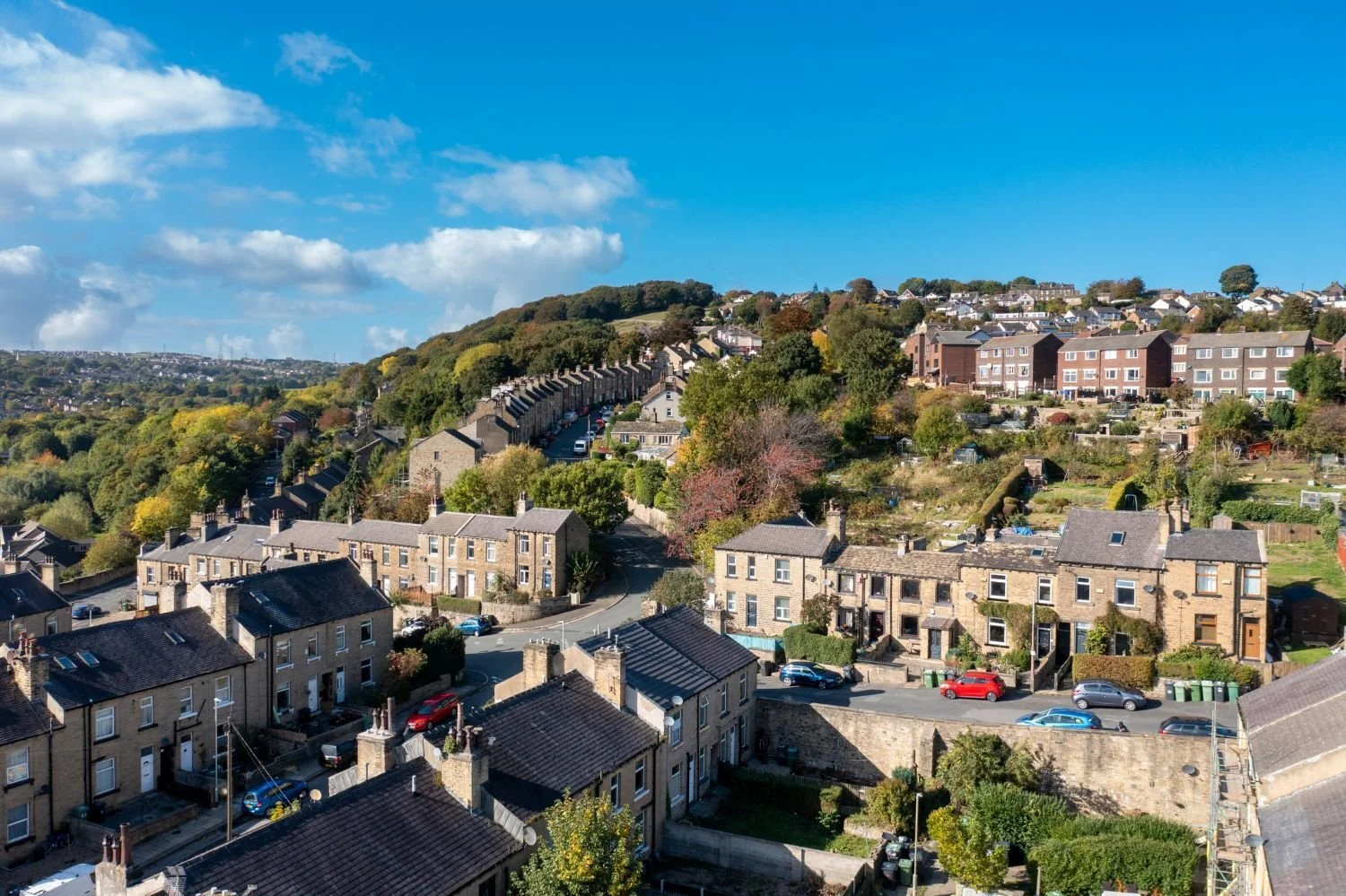
First impressions matter in real estate, and the visual appeal of a street can significantly influence property values. Well-maintained streets with clean pavements, greenery, and attractive homes tend to command higher prices. Buyers often search for “curb appeal impact on home value” when evaluating properties. Streets with uniform architectural styles, landscaped gardens, and minimal clutter create a sense of order and desirability. In contrast, poorly maintained streets with visible neglect can deter potential buyers, even if the properties themselves are similar.
Local councils and community initiatives can play a role in maintaining street appearance. Regular maintenance, waste management, and public space improvements contribute to overall appeal. Investors and homeowners can also enhance value by maintaining their properties and contributing to the street’s appearance. Over time, these efforts can lead to increased demand and higher property prices.
Noise Levels and Environmental Factors
Noise and environmental conditions are often overlooked but can have a significant impact on street value. Streets located near busy roads, industrial areas, or nightlife hubs may experience lower demand due to higher noise levels. Searches like “quiet residential streets benefits” highlight buyer preferences for peaceful environments.
Air quality is another important factor. Streets with lower pollution levels, access to green spaces, and better environmental conditions are generally more desirable. Buyers are increasingly prioritizing health and well-being, which influences their choices.
Conversely, streets near parks, rivers, or open spaces often command higher prices due to their natural appeal. These features enhance quality of life and attract a wide range of buyers.
Understanding environmental factors can help buyers make informed decisions and identify streets with long-term value potential.
Local Amenities and Lifestyle Appeal
Access to amenities is a key factor that differentiates street values. Streets located near shops, restaurants, parks, and healthcare facilities tend to be more desirable. Buyers often search for “homes near amenities” or “walkable neighborhoods UK” when choosing a location.
Convenience plays a major role in this demand. Being able to walk to essential services saves time and enhances daily living. Streets with vibrant local communities and social opportunities also attract more interest.
However, balance is important. While proximity to amenities is beneficial, being too close to busy commercial areas can reduce appeal due to noise and congestion.
Streets that offer easy access to amenities while maintaining a residential feel are often the most valuable. This combination creates strong demand and supports long-term property growth.
Property Types and Housing Mix
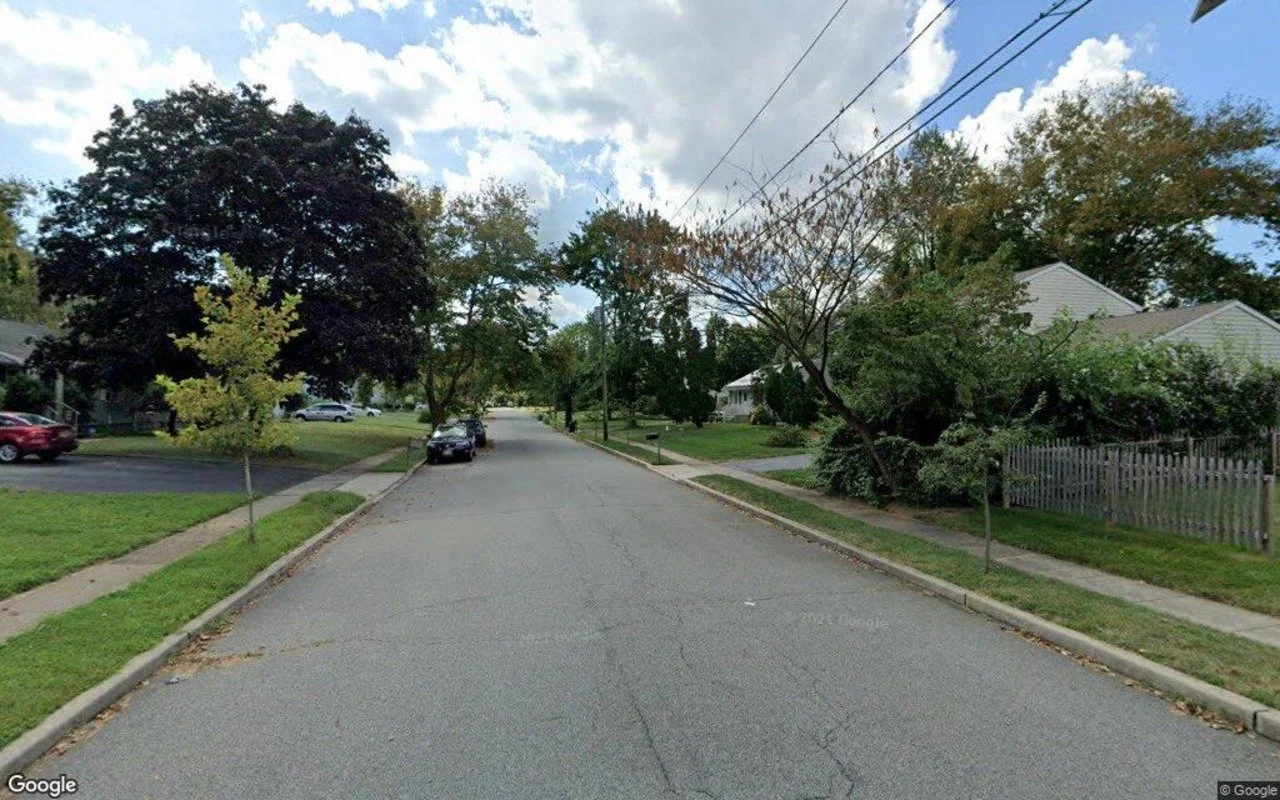
The type and mix of properties on a street can significantly influence its value. Streets with larger homes, modern developments, or well-maintained properties tend to attract higher prices. Searches like “best property types for investment UK” often highlight the importance of housing quality.
A consistent housing style can create a sense of cohesion, which appeals to buyers. In contrast, streets with a mix of poorly maintained and high-quality properties may see uneven pricing.
New developments can also boost street value by attracting buyers looking for modern features and energy efficiency. However, an oversupply of similar properties can impact demand.
Understanding the housing mix helps buyers and investors assess potential value. Streets with high-quality, well-maintained properties are more likely to experience steady growth.
Market Demand and Buyer Competition
Demand is one of the most powerful drivers of street value. Streets that attract more buyers naturally see higher prices due to competition. Keywords like “high demand property areas UK” and “competitive housing markets” reflect this trend.
Factors such as location, amenities, and reputation contribute to demand. When multiple buyers compete for properties on the same street, prices can rise quickly. This is especially common in desirable areas with limited supply.
Seasonal trends and economic conditions can also influence demand. For example, interest rates and employment opportunities can impact buyer activity.
Understanding market demand helps buyers identify opportunities and avoid overpaying. Streets with growing demand often offer strong investment potential and long-term value.
Key Factors Affecting Property Value
Future Trends: What Will Shape Street Values Next?
The factors influencing street value are constantly evolving. In the future, sustainability, smart infrastructure, and remote work trends are expected to play a larger role. Searches like “future property trends UK” and “what increases house value long term” reflect this shift.
Green spaces, energy-efficient homes, and access to digital infrastructure are becoming increasingly important. Buyers are also prioritizing lifestyle factors, such as walkability and community engagement.
As cities expand, suburban and commuter areas may see increased demand, influencing street values. Infrastructure projects and urban planning decisions will also shape future trends.
Understanding these changes can help buyers and investors stay ahead of the market. Streets that adapt to evolving preferences are likely to experience stronger growth.
Unlock the secrets behind high-value streets and choose the right property opportunity. Speak to Armaani Estates today.
FAQs
Why do house prices vary between streets?
House prices can vary significantly between streets, even within the same neighbourhood, due to differences in location, demand, transport links, nearby amenities, safety, school catchment areas, and overall street appeal. A well-connected and attractive street often commands higher prices because buyers are willing to pay more for convenience, lifestyle benefits, and long-term investment potential.
Do school catchment areas really affect property value?
Yes, school catchment areas can have a strong influence on property values. Homes located near well-regarded schools often attract greater demand from families, which can increase competition among buyers and drive prices higher. Properties in desirable catchment areas also tend to maintain their value more consistently over time.
Is a quiet street more valuable?
Generally, yes. Streets with lower traffic, reduced noise, and a peaceful environment are often more appealing to buyers. A quieter location can improve quality of life and create stronger demand, which may result in higher property values compared with homes located on busy roads.
How important are transport links for property value?
Transport links are a major factor in determining property value. Easy access to train stations, bus routes, major roads, and commuter connections can make an area more attractive to buyers and increase demand. Locations with improving transport infrastructure often experience stronger long-term growth.
Can street appearance impact property value?
Yes, the appearance and condition of a street can have a noticeable effect on property prices. Well-maintained homes, clean streets, attractive gardens, good lighting, and a positive neighbourhood image create stronger first impressions and can make properties more desirable to buyers.
Are amenities important for property value?
Yes, nearby amenities play an important role in property desirability. Easy access to shops, parks, restaurants, healthcare facilities, schools, and other local services improves convenience and attracts more buyers. Streets close to useful amenities often benefit from stronger demand and better value retention.
Do new developments increase street value?
New developments can increase street and neighbourhood values by improving housing quality, upgrading infrastructure, and attracting new residents. However, the impact depends on factors such as the quality of the development, its location, and whether it adds positive improvements to the surrounding area.
What is the biggest factor affecting street value?
Location and buyer demand are usually the biggest factors affecting street value. A street with strong demand, good transport connections, desirable amenities, safety, attractive surroundings, and future growth potential is more likely to achieve higher property prices and stronger long-term appreciation.
