
Bradford Rent Increases Explained Under the New 2026 Law
The rental market in Bradford is undergoing a noticeable transformation in 2026, driven by the introduction of new regulations under the Renters' Rights Act. These changes are reshaping how rent increases are applied, bringing in clearer rules and stronger protections for tenants while also placing greater responsibilities on landlords. For anyone currently renting, renewing a tenancy, or planning to move to Bradford, understanding how these new rules work is becoming increasingly important.
Demand for flats and houses to rent across Bradford continues to rise, fuelled by the city’s relative affordability compared to nearby areas like Leeds, as well as ongoing regeneration and strong tenant demand. However, this growing demand, combined with a limited housing supply and wider cost-of-living pressures, has steadily pushed rental prices upward over recent years. As a result, many tenants have faced uncertainty around rising rents and short-notice increases.
The 2026 legislation aims to address these challenges by introducing a more structured and transparent system. Rent increases are now more tightly regulated, helping to prevent sudden or excessive price hikes while ensuring landlords can still adjust rents in line with genuine market conditions. This creates a more balanced environment where both parties have clearer expectations and greater stability.
Table of Contents
How Often Can Rent Be Increased?
Under the 2026 rental reforms, underpinned by the Renters' Rights Act, landlords are now limited to increasing rent once every 12 months for most tenancies. This applies to both flats and houses to rent in Bradford, protecting tenants from the frequent or unpredictable price changes that were previously possible, particularly at tenancy renewals. The previous system allowed some landlords to increase rent multiple times within a short period by issuing new agreements. The new rules remove this loophole with a clear annual limit. For example, if you are renting a property in Bradford at £750 per month, your landlord cannot propose another increase until at least 12 months have passed since the previous one took effect.

Notice Periods Explained
Landlords are now required to provide at least two months' written notice before any rent increase comes into effect. This applies across all residential tenancies in Bradford, whether you are renting a flat in the city centre or exploring houses for rent. The written notice must clearly state the new rent amount and the date it will take effect. Informal communication, such as a text message or verbal conversation, is not legally sufficient under the new rules. This extended notice period gives tenants meaningful time to assess their options, whether that is accepting the increase, negotiating with the landlord, or beginning a search for alternative accommodation if the new rent is not manageable.
How Rent Increases Are Calculated
Rent increases must now reflect fair market value rather than arbitrary decisions. Landlords are expected to base increases on local rental data and comparable properties.
Key factors include:
Location within Bradford
Property size and condition
Demand for similar flats to rent
Current market trends
This means a landlord cannot significantly increase rent beyond what similar houses to rent in Bradford are charging. If they do, tenants have the right to challenge the increase.
Real Bradford Rent Examples
To illustrate how the new law works in practice, here are some realistic scenarios from the Bradford rental market:
One-bedroom flat, Bradford city centre: An increase from £600 to £630 per month would generally be considered reasonable, in line with the gradual market growth of around 5%.
Two-bedroom house, suburban Bradford: A rise from £750 to £790 reflects steady demand and is likely to be accepted without challenge.
Two-bedroom house, same area: A sudden jump from £750 to £950 — a 27% increase would almost certainly face a tribunal challenge unless the landlord can demonstrate major property improvements or exceptional local market evidence.
These examples underline the importance of fair, evidence-based pricing under the new legislation, especially when comparing properties for rent in Bradford across similar areas.
Tenant Rights Under the New Law
The 2026 reforms significantly strengthen tenant protections. Anyone renting in Bradford now benefits from:
A guaranteed minimum of two months' notice before any rent increase
The right to only one increase per 12-month period
A legal pathway to challenge increases that exceed fair market value
Protection from retaliatory eviction when exercising these rights
Together, these measures create a more balanced relationship between landlords and tenants, reducing the risk of disputes and providing long-term stability for those renting in Bradford.
How to Challenge a Rent Increase
If you believe a proposed rent increase is unfair, you have the legal right to refer the matter to the First-tier Tribunal (Property Chamber). The process involves submitting evidence that the proposed rent exceeds market value, for example, current listings of comparable flats or houses to rent in Bradford at lower prices.
The tribunal will assess whether the proposed increase is reasonable given local market conditions. If it is found to be excessive, the rent will be set at a level the tribunal considers fair. Importantly, you should apply to the tribunal before the new rent takes effect, as the tribunal's decision will apply from the date of the application. It is worth noting that challenging an increase does not automatically mean it will be reduced if the market genuinely supports the new figure, the tribunal may uphold it.
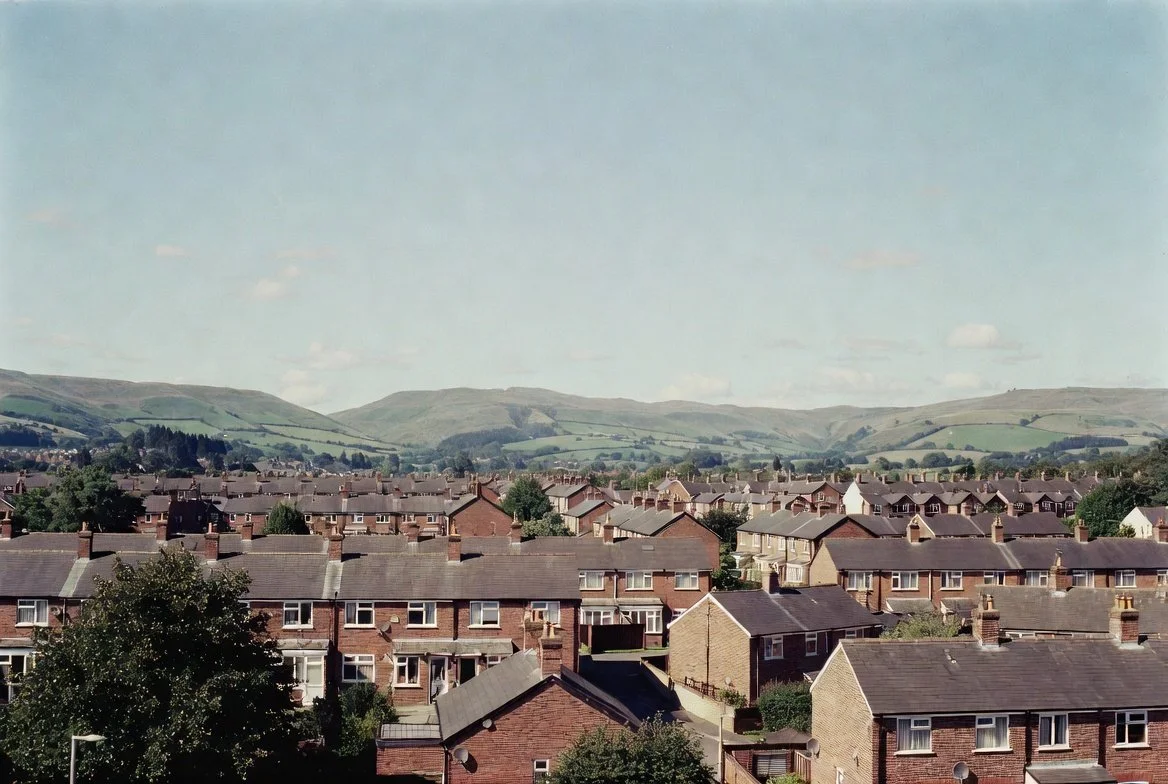
Impact on Flats to Rent in Bradford
For tenants in Bradford's flat market, which includes a significant number of young professionals and single-person households, the new rules bring meaningful stability. Annual increase limits and structured notice requirements mean fewer financial shocks and more predictable monthly outgoings. From a landlord's perspective, the reforms encourage more accurate initial pricing. Since frequent small increases are no longer possible, many landlords are setting rents that better reflect genuine market value from the outset. This is gradually improving transparency and trust across Bradford's flat rental market. Demand for well-maintained, fairly priced flats in central Bradford remains strong, particularly near transport links and the university. Tenants exploring property for rent in Bradford in this segment are generally well-placed to benefit from the new protections.
Impact on Houses to Rent in Bradford
Families and longer-term renters looking for houses in Bradford stand to gain the most from these changes. The certainty of knowing rent can only rise once a year with two months' notice, making it considerably easier to plan household finances and commit to a property long-term.
Demand for family sized homes to rent in Bradford's outer suburbs and surrounding districts such as Shipley, Bingley, and Eccleshill remains robust. Under the new framework, landlords in these areas must ensure their increases are proportionate, reducing the risk of families being priced out of established neighbourhoods they rely on for schools and community connections. For those searching for houses to rent in Bradford, the changes also mean it is worth negotiating initial rents carefully, as the first agreed figure becomes the baseline for all future increases.
Landlord Responsibilities in 2026
Landlords operating in Bradford now face a stricter compliance environment. Key obligations include:
Limiting rent increases to once every 12 months
Providing at least two months' written notice with a clear statement of the new rent and effective date
Ensuring proposed increases are justifiable against local market evidence
Using the prescribed Section 13 notice process (or equivalent under the new legislation) to formally communicate increases
Failure to follow these steps can result in rent increases being unenforceable, tribunal proceedings, and reputational damage. Many Bradford landlords are now working with professional letting agents to manage compliance, particularly when managing multiple properties. Getting the paperwork and timing right from the start avoids costly disputes further down the line.
What These 2026 Rent Changes Mean for You
The 2026 rental reforms mark a major shift in how Bradford’s rental market operates, bringing clearer rules, stronger protections for tenants, and a more structured framework for landlords. With rent increases now limited to once per year and more tightly regulated, tenants can expect greater stability, improved transparency, and fewer unexpected financial pressures.
At the same time, landlords who adapt early to these changes and ensure rents are set fairly in line with market conditions are likely to benefit from more consistent tenancies, improved tenant relationships, and reduced disputes. Over time, this helps create a more balanced and professional rental environment across Bradford. As the market continues to evolve, staying informed remains essential. Whether you are currently renting, reviewing a rent increase, or searching for a property for rent in Bradford, understanding these new rules will help you make more confident, secure, and well-informed decisions moving forward.
Unsure how Bradford rent increases under the 2026 law affect you? Contact Armaani Estates today.
FAQs
How often can rent be increased in Bradford under the 2026 law?
Under the new 2026 rental regulations, rent in Bradford can generally only be increased once every 12 months. This rule applies to most residential tenancies and is designed to give tenants greater stability and predictability in their housing costs.
How much notice must a landlord give before increasing rent?
Landlords must provide at least two months’ written notice before any rent increase takes effect. The notice must clearly state the new rent amount and the date it will begin. Informal communication is not legally valid.
Can a landlord increase rent above market value?
No, rent increases must be justified based on fair market value. This means the new rent should align with similar properties in Bradford. If a tenant believes the increase is too high, they can challenge it through a tribunal.
What can I do if I think my rent increase is unfair?
If you believe a rent increase is unreasonable, you can refer the case to the First-tier Tribunal (Property Chamber). The tribunal will compare your rent with similar properties in Bradford and decide whether the increase is fair.
Do the new rent increase rules apply to all properties?
The rules apply to most residential tenancies, including both flats and houses to rent in Bradford. However, some specific or exempt tenancy types may follow different regulations depending on the agreement.
How do the 2026 rules affect new tenants?
New tenants are not affected by previous rent levels, as landlords can set initial rent based on current market conditions. However, any future increases must follow the 2026 regulations once the tenancy begins.
What is the main benefit of the 2026 rent laws for tenants in Bradford?
The main benefit is increased protection and stability. Tenants now have clearer rules, fewer sudden rent increases, and the ability to challenge unfair pricing, making the rental market more predictable and balanced.
