
Your Rights as a Tenant (2026 Legal Guide)

Renting a property in Bradford in 2026 is shaped by a clear legal framework that defines the responsibilities of landlords and the protections available to tenants. These regulations are in place to ensure rental properties remain safe, fairly managed, and fully compliant with UK housing law, while also giving tenants greater security and confidence throughout their tenancy.
For tenants, understanding tenant rights is essential before signing or continuing any rental agreement. These rights cover important areas such as property condition, health and safety standards, fair treatment, and the correct legal process for issues like rent increases or ending a tenancy. Knowing these protections helps tenants identify unlawful practices and ensures they are treated fairly in every stage of the rental process. A key legal requirement for landlords is the obligation to check tenants’ right to rent before a tenancy begins. This process confirms that all occupants have the legal permission to rent property in the UK, helping ensure compliance with immigration and housing regulations. It is a crucial step in the letting process and forms part of a landlord’s broader legal responsibilities. Being aware of these rights and checks allows tenants in Bradford to rent with greater clarity, avoid potential disputes, and make informed housing decisions in an evolving rental market.
Table of Contents
Legal Status as a Tenant
In Bradford, most renters are on Assured Shorthold Tenancies (ASTs), which define the legal relationship between landlord and tenant. This agreement sets out key details such as rent amount, payment dates, responsibilities for repairs, notice periods, and other tenancy conditions, but it cannot override your statutory legal rights under UK housing law.
Even if something is written into your contract, it may not be enforceable if it conflicts with legislation or fails to meet legal standards. This is why understanding your tenants’ rights is so important, as it helps you identify when a clause or request is unfair, misleading, or unlawful. In practice, it also gives tenants more confidence when dealing with rent reviews, maintenance issues, or disputes. Landlords are also legally required to carry out a “right to rent” check before a tenancy begins, ensuring that all occupants have the legal status to reside in the UK. This process is a mandatory part of compliance and must be completed correctly to avoid penalties. Knowing your legal position from the outset creates a strong and secure foundation for your tenancy and helps ensure a fair renting experience for both tenants and landlords.
Right to Rent Checks
The obligation to check tenants’ right to rent is a legal requirement across England. Before renting a property, landlords must verify that tenants have the legal right to live in the UK, usually by checking documents such as passports or immigration records. In 2026, many of these checks can be completed digitally through the Home Office online service, making the process quicker and more efficient for both landlords and applicants. Landlords are required to carry out these checks fairly and consistently, and they cannot discriminate against applicants based on nationality, ethnicity, or appearance at any stage of the process. These rules are in place to ensure equal access to housing and to prevent unfair treatment during the application process.
Preparing your documents in advance can help avoid unnecessary delays when securing a rental property, particularly in competitive areas such as Bradford, where demand may be high. Having the correct identification and supporting paperwork ready can speed up the verification process and improve your chances of securing a tenancy quickly. If you experience unfair treatment or believe you have been discriminated against during a right to rent check, you may have grounds to make a formal complaint. Reputable letting agents and landlords follow legal guidelines to ensure all checks are conducted correctly and transparently, and understanding how the process works can help tenants stay informed, prepared, and confident when navigating the rental market.
Property Safety Standards
Tenants have the right to live in a safe and well-maintained property that is fit for human habitation.
Landlords are responsible for:
Annual gas safety checks (with a valid Gas Safe certificate)
Electrical safety inspections (EICR every five years)
Installing smoke alarms on every floor
Providing carbon monoxide detectors where required
In Bradford, most renters are on Assured Shorthold Tenancies (ASTs), which define the legal relationship between landlord and tenant. This agreement outlines rent, responsibilities, and conditions, but it cannot override your legal rights.
Even if something is written into your contract, it may not be enforceable if it breaches UK housing law. This is why understanding your tenants’ rights is so important. It helps you recognise when something is unfair or unlawful and gives you more confidence in handling everyday tenancy issues. Landlords are also required to check tenants’ right to rent before allowing tenants to move in. This ensures that all tenants have legal status to reside in the UK. Knowing your legal position from the start creates a strong foundation for your tenancy.
Rent and Increases
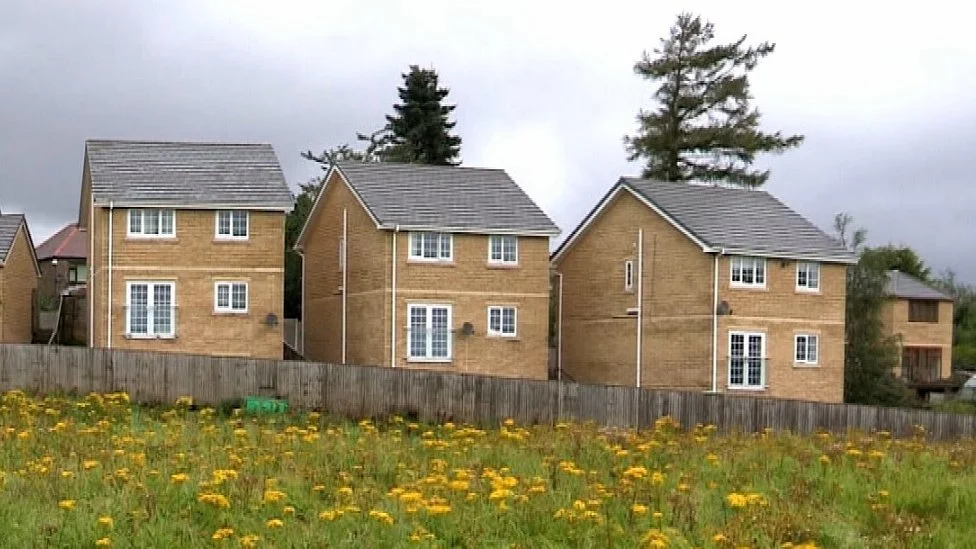
Rent must always be clearly agreed before a tenancy begins and clearly stated in your tenancy agreement. This is a fundamental part of your tenants rights, ensuring transparency from the start of your rental. Landlords cannot increase rent arbitrarily, and any changes must follow legal procedures. From 1 May 2026, landlords can generally only increase rent once per year and must provide at least two months’ written notice using the correct legal method. For fixed-term tenancies, rent can only be increased if the contract includes a specific clause allowing it, while periodic tenancies require proper notice to be served. If a rent increase seems excessive, tenants have the right to challenge it through the First-tier Tribunal, which will assess whether the proposed amount reflects the market rate. Additional protections now mean bidding wars where tenants are asked to offer more than the advertised rent are banned, and landlords can usually only request one month’s rent in advance. These rules strengthen renter tenant rights, helping tenants in Bradford budget more effectively and avoid unfair financial pressure
Deposits Protection

Any deposit you pay must be protected in one of the three government-approved tenancy deposit schemes (DPS, TDS, or myDeposits) within 30 days of receiving it. Your landlord must also provide you with the Prescribed Information about the scheme used, including details on how your deposit is safeguarded and how it can be reclaimed.
This protection ensures your deposit is returned fairly at the end of the tenancy, minus any agreed and justified deductions such as unpaid rent or property damage. If there is any disagreement between tenant and landlord, the relevant scheme offers a free, independent dispute resolution service to help reach a fair outcome. Failure to protect the deposit correctly or provide the required information on time can result in financial penalties for the landlord and may strengthen the tenant’s legal position in a claim.
Eviction Rules
From 1 May 2026, Section 21 “no-fault” evictions are abolished, meaning landlords can no longer evict tenants without providing a valid legal reason.
Instead, landlords must use a Section 8 notice and clearly prove one of the legally defined grounds for possession. These can include situations such as serious rent arrears, proven anti-social behaviour, or where the landlord intends to sell the property or move in themselves, subject to certain restrictions during the early stages of a tenancy.
Illegal eviction practices, including harassment, pressure tactics, or changing locks without a court order, remain criminal offences and can lead to serious penalties for landlords. Importantly, tenants cannot be forced to leave their homes without the correct legal process being followed through the courts.
This reform significantly strengthens tenant protection and provides greater security of tenure, ensuring renters have more stability and confidence in their housing situation.
Discrimination Rights
The law protects tenants from discrimination in the housing process. Landlords must treat all applicants fairly and equally, including during checks such as the right to rent and referencing procedures.
Refusing tenants based on protected characteristics such as race, gender, disability, religion, or family status is illegal under UK equality laws. This also applies to indirect discrimination, where policies or requirements unfairly disadvantage certain groups without a valid reason.Tenants who believe they have been discriminated against can raise a formal complaint, seek advice, or take legal action through the appropriate channels. Fair and equal access to housing is a fundamental right, ensuring that everyone has the opportunity to secure accommodation without unjust treatment or bias.
Repairs and Maintenance Responsibilities
Landlords are legally responsible for ensuring that the property is kept in a safe and habitable condition. This includes maintaining the structure of the building, as well as essential services such as heating, plumbing, gas, electricity, and water systems.Tenants also have a responsibility to report any issues as soon as they arise and to allow reasonable access for inspections or repairs. Keeping written records of reported problems is strongly recommended, as it helps avoid disputes later.
If a landlord fails to carry out necessary repairs within a reasonable timeframe, tenants can escalate the issue to the local council, which has the authority to enforce action. In serious cases, tenants may also have legal routes available to seek resolution.These responsibilities work together to ensure that rental properties in Bradford remain safe, well-maintained, and fully suitable for living throughout the tenancy.
Tenant Support & Agents
Tenants have the legal right to “quiet enjoyment” of their home, which means they should be able to live without unnecessary disturbance or interference. This includes strong protections around privacy and personal space. Landlords are required to provide reasonable notice before entering a property, typically at least 24 hours in advance, except in genuine emergencies such as urgent repairs or safety risks. In all other situations, landlord entry must be agreed in advance with the tenant.
Unannounced visits are not permitted under normal circumstances and are considered a breach of tenant rights. These rules are designed to ensure that tenants feel secure in their homes and are not subjected to unexpected or intrusive access.Overall, these protections reinforce the principle that housing is a fundamental right, ensuring respect, privacy, and security throughout the tenancy.
Complaints & Support
If problems arise during a tenancy, tenants are encouraged to first communicate directly with their landlord or letting agent. Clear and written communication is important, as it helps maintain accurate records of any issues reported and responses received. If concerns remain unresolved, tenants can escalate matters to the local council or housing organisations, which have the authority to investigate and provide support where necessary. These bodies can intervene in cases involving poor property conditions, delayed repairs, or breaches of tenancy regulations.
In many cases, working with a professional letting agent can help prevent issues from arising in the first place. Reputable agencies, such as Armaani Estates, ensure full legal compliance, including proper tenant referencing, right-to-rent checks, and adherence to safety regulations. Choosing a trusted and experienced agent not only improves compliance but also creates a smoother, more transparent renting experience, giving both tenants and landlords greater confidence throughout the tenancy.
Final Guidance for Tenants in Bradford
Renting in Bradford in 2026 comes with clearer rules, stronger protections, and a more transparent legal framework than ever before. From understanding your legal status and renter tenant rights to knowing how rent increases, deposits, and repairs are handled, being informed gives you a clear advantage throughout your tenancy.
These regulations are designed not only to protect tenants but also to create a fair and balanced rental market where both landlords and renters understand their responsibilities. Whether it’s ensuring your landlord has completed the check tenant right to rent process correctly, maintaining property safety standards, or following the correct procedures for complaints, every step plays a role in securing a stable renting experience. Ultimately, staying aware of your rights allows you to avoid disputes, recognise unfair practices, and make confident decisions when renting or moving within Bradford. As the market continues to evolve, informed tenants are better equipped to navigate challenges and secure a property that meets both their needs and legal standards.
Unsure how the 2026 rental law changes affect you Contact Armaani Estates now.
FAQs
Can my landlord increase my rent in 2026?
Yes, but only under certain conditions. In most cases, landlords can increase rent once per year and must provide proper written notice. If you’re on a fixed-term tenancy, the increase must be allowed within your contract. If you believe the increase is unfair, you can challenge it through a tribunal.
What is a Right to Rent check, and do I need one?
A Right to Rent check is a legal requirement in England. Your landlord must confirm that you have the legal right to live in the UK before renting to you. This usually involves checking your passport or immigration status, sometimes using the Home Office’s online system.
Can I be evicted without a reason in 2026?
Under expected rental reforms in 2026, landlords will no longer be able to evict tenants without a valid reason (often referred to as “no-fault” evictions). Instead, they must provide a legal ground, such as rent arrears or breach of tenancy, and follow the correct legal process.
What should I do if my landlord refuses to fix problems?
You should report the issue in writing and keep records. If your landlord does not respond or delays repairs, you can contact your local council, which has the authority to inspect the property and enforce necessary improvements.
Do I get my deposit back at the end of my tenancy?
Yes, your deposit must be returned at the end of your tenancy, as long as you meet the terms of your agreement. It must be protected in a government-approved scheme, and if there’s a dispute, the scheme offers a free resolution service.
