
Electrical Safety Rules for UK Rental Property
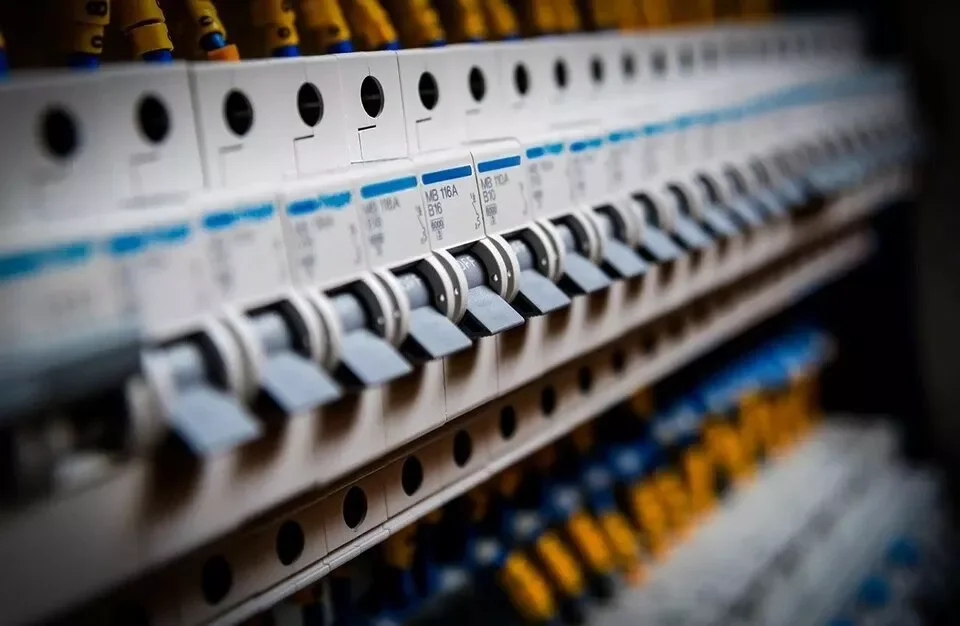
Electrical safety in UK rental properties is a legal requirement that plays a crucial role in protecting tenants, landlords, and properties from serious risks such as electric shocks, fires, and system failures. Over recent years, UK regulations have become significantly stricter, meaning landlords must now follow clearly defined electrical safety rules and ensure all electrical installations are properly inspected, tested, and maintained throughout the tenancy.
These requirements are enforced under housing legislation and apply to both new and existing tenancies across England. In particular, landlords are expected to ensure that fixed electrical installations such as wiring, sockets, fuse boards, and consumer units are safe at the start of a tenancy and remain in a safe condition throughout. Regular Electrical Installation Condition Reports (EICRs) are now a key part of compliance, helping identify potential hazards before they become serious issues. Failure to comply with electrical safety regulations can result in significant penalties, including financial fines, enforcement notices, or even restrictions on letting the property. In more serious cases, local authorities may step in to carry out urgent remedial work and recover costs from the landlord. As a result, electrical safety has become one of the most important compliance areas for landlords and letting agents in the UK rental market, requiring ongoing attention rather than a one-time check.
Table of Contents
Legal Requirements for Electrical Safety in UK Rentals
Landlords in the UK are legally required to ensure that all electrical installations in rental properties are safe at the beginning of a tenancy and remain safe throughout the entire duration of the rental agreement. This duty applies to all fixed electrical systems within the property, including wiring, fuse boards, consumer units, sockets, switches, light fittings, and any other permanently installed electrical components. The purpose of these requirements is to significantly reduce the risk of electrical hazards such as shocks, burns, system malfunctions, and electrical fires, all of which can cause serious harm to tenants and extensive damage to property. As a result, landlords are expected to take a proactive approach to electrical safety rather than relying on reactive maintenance after problems arise.
Under the Electrical Safety Standards in the Private Rented Sector (England) Regulations 2020, landlords must ensure that electrical installations are inspected, tested, and assessed for safety at least once every five years by a qualified and competent electrician. This process results in an Electrical Installation Condition Report (EICR), which identifies any defects, deterioration, or potential safety risks within the system. A copy of the EICR must be provided to tenants within the legally required timeframe and must also be made available to local authorities if requested. In addition, any remedial or further investigative work highlighted in the report must be completed within the specified deadlines to ensure continued compliance. Failure to meet these obligations can result in substantial penalties, including fines of up to £30,000, enforcement notices, or even restrictions on renting out the property, making strict adherence to these regulations essential for all landlords operating in the UK rental sector.
Electrical Installation Condition Report (EICR)
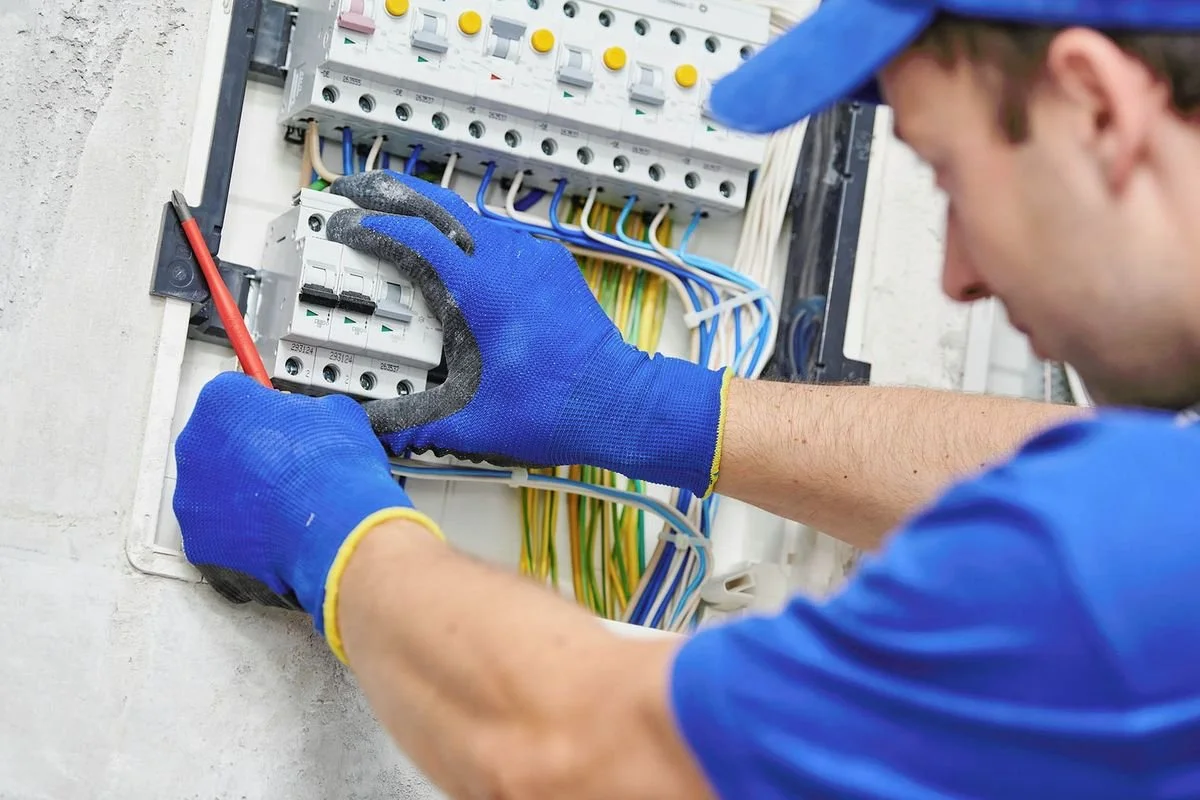
The Electrical Installation Condition Report (EICR) is the most important document in UK rental electrical compliance and serves as formal evidence that a property’s electrical systems have been professionally assessed. It is a detailed inspection carried out by a qualified and competent electrician to evaluate the overall safety, condition, and performance of the property’s fixed electrical installations, including wiring, sockets, fuse boards, and other permanent components. This report plays a crucial role in helping landlords meet their legal obligations while ensuring tenant safety is not compromised.
The EICR identifies any faults, signs of wear and tear, deterioration, or potential hazards within the electrical system and categorises them based on their level of severity, typically using specific coding to indicate urgency. Issues that pose immediate danger must be addressed without delay, while less critical observations still require attention within a reasonable timeframe. If serious issues are found, landlords are legally required to complete all necessary remedial or investigative work within the specified period outlined in the report. Once completed, confirmation of the repairs may also be required to demonstrate compliance. Maintaining a valid and satisfactory EICR is therefore essential for ensuring the property remains safe, legally compliant, and suitable for occupation throughout the tenancy.
Keeping an up-to-date EICR is not only a legal requirement but also an essential part of risk management for landlords.
Portable Appliance Testing (PAT) in Rental Properties
Although not always a strict legal requirement for domestic rental properties in the UK, Portable Appliance Testing (PAT) is strongly recommended, particularly for landlords who let furnished properties or provide electrical appliances as part of the tenancy. PAT testing involves the careful inspection and testing of movable electrical items such as kettles, microwaves, toasters, fridges, washing machines, televisions, and portable heaters to ensure they are safe to use and free from electrical defects. While UK legislation places greater emphasis on fixed electrical installations, landlords still have a broader duty of care under general health and safety laws to ensure that any appliances they supply are maintained in a safe condition and do not pose a risk to tenants at any point during the tenancy.
Regular PAT testing plays an important role in reducing the risk of electrical fires, electric shocks, and tenant injuries, particularly in properties where appliances may be older, heavily used, or subject to gradual wear and tear. It also provides a structured approach to identifying faults such as damaged cables, overheating components, or insulation issues before they escalate into serious hazards. Many professional letting agents include PAT testing as part of their comprehensive property management services, helping landlords maintain higher safety standards and demonstrate responsible property management. Although PAT testing is not always legally mandatory, it is widely regarded as industry best practice and can significantly strengthen a landlord’s compliance record, especially in the event of inspections, insurance claims, or disputes, while also providing added reassurance and peace of mind for tenants.
Smoke Alarms and Carbon Monoxide Safety Rules

UK rental properties must be fitted with working smoke alarms on every storey of the property where there is a room used as living accommodation, ensuring that tenants are alerted quickly in the event of a fire. In addition to this, carbon monoxide alarms are required in any room that contains a solid fuel-burning appliance, such as a wood-burning stove or coal fire, as these appliances can produce dangerous levels of carbon monoxide if not properly ventilated or maintained. These alarm requirements form a key part of property safety standards and are designed to significantly reduce the risk of injury or fatal incidents within rented homes.
Landlords are legally responsible for ensuring that all required alarms are correctly installed and fully operational at the start of each tenancy, including checking that batteries are working or that hardwired systems are functioning properly. While tenants are generally expected to carry out routine checks, such as testing alarms during the tenancy and replacing batteries where applicable, landlords remain responsible for ensuring compliance at the beginning of a tenancy and when preparing the property for new occupants. Failure to comply with these alarm regulations can result in enforcement notices, financial penalties, and intervention by local authorities, making it an essential area of safety compliance that landlords must not overlook.
Electrical Safety Responsibilities for Landlords
Landlords carry the primary legal responsibility for ensuring electrical safety in rental properties, making it one of the most critical aspects of property compliance in the UK. This responsibility goes beyond a one-time check and requires ongoing attention throughout the tenancy. It includes arranging regular inspections of all fixed electrical installations, ensuring systems are properly maintained, and monitoring the condition of wiring, sockets, consumer units, and other key components over time. If any faults, wear and tear, or safety risks are identified, landlords must ensure that repairs or remedial work are carried out promptly by qualified and competent electricians. Taking a proactive approach to electrical maintenance helps prevent serious hazards such as electrical fires, shocks, or system failures, while also ensuring that the property consistently meets legal safety standards.
In addition to maintaining the safety of the electrical system itself, landlords are also responsible for handling documentation and ensuring clear communication with tenants and relevant authorities. They must provide tenants with a copy of the Electrical Installation Condition Report (EICR) at the start of a tenancy and within 28 days of any new inspection or test being completed. This report must also be made available to local authorities if requested and shared with letting agents where the property is under professional management. Keeping accurate, up-to-date records not only demonstrates compliance but also provides important evidence in the event of disputes or inspections. Ultimately, ensuring ongoing electrical safety is not just about meeting legal requirements it is also a key way for landlords to reduce liability risks, avoid costly penalties, maintain their reputation, and protect both tenants and their long-term property investment.
Role of Letting Agents in Electrical Compliance
Letting agents play an important role in managing electrical safety compliance on behalf of landlords, particularly for those who prefer a more hands-off or fully managed approach to their rental properties. They typically arrange Electrical Installation Condition Report (EICR) inspections with qualified electricians, coordinate any remedial or investigative works identified in the report, and ensure that all safety documentation is properly recorded, stored, and updated in line with current legal requirements. Many agents also work with trusted contractors, which can help ensure that work is carried out efficiently, to a high standard, and within required timeframes. This level of structured management allows landlords to remain compliant without needing to oversee every technical or administrative detail themselves.
In addition to handling inspections and repairs, letting agents often take responsibility for monitoring compliance deadlines and ensuring that landlords remain within the legally required five-year inspection cycle. They may use dedicated property management systems, automated reminders, and compliance tracking tools to ensure that no deadlines are missed. By acting as a central point of contact between landlords, electricians, and tenants, letting agents streamline communication, arrange property access for inspections, and ensure that any issues are resolved quickly and professionally. This proactive approach not only reduces the risk of missed inspections, penalties, or enforcement action but also helps maintain consistent safety standards, protect tenant wellbeing, and preserve the long-term value and reputation of the rental property.
Penalties for Non-Compliance
Failure to comply with UK electrical safety regulations can result in serious financial and legal consequences for landlords, making it a high-risk area of property management. Local authorities have the power to take enforcement action where landlords fail to meet their obligations, including issuing fines of up to £30,000 per breach. This can apply if landlords do not provide a valid Electrical Installation Condition Report (EICR), fail to carry out inspections within the required timeframe, or neglect to complete necessary remedial or investigative work identified in the report. These penalties are designed to ensure that tenant safety is prioritised and that landlords take their legal responsibilities seriously.
In addition to financial penalties, non-compliant landlords may face restrictions on letting the property until all electrical safety issues have been fully resolved and verified. This can result in significant disruption, including loss of rental income, delays in securing tenants, and potential void periods that impact overall profitability. Furthermore, repeated or serious non-compliance can damage a landlord’s reputation within the property market, making it more difficult to attract tenants or work with reputable letting agents. In more severe cases, ongoing breaches may lead to further legal action, formal enforcement notices, or additional orders from housing authorities, reinforcing the importance of maintaining full and consistent compliance with electrical safety regulations.
Best Practices for Electrical Safety Complianc
Maintaining compliance with electrical safety rules requires a proactive approach rather than a reactive one, as landlords are expected to anticipate risks rather than respond only after problems occur. This means scheduling Electrical Installation Condition Report (EICR) inspections well in advance of expiry dates, ensuring there is sufficient time to arrange access, complete assessments, and carry out any required remedial work without delays. All identified issues should be addressed promptly by certified and competent professionals to ensure the property remains safe and fully compliant at all times, rather than leaving repairs until they become urgent or potentially hazardous.
Keeping detailed and well-organised records of all inspections, certificates, and completed repairs is essential for demonstrating compliance during audits, tenancy checks, or local authority inspections. These documents provide clear evidence that the landlord has met their legal obligations and taken appropriate steps to maintain electrical safety standards. Regular communication with tenants can also play an important role in early identification of potential electrical issues, such as tripping circuits, faulty sockets, or unusual appliance behaviour, helping to prevent minor problems from developing into serious faults. Working closely with experienced letting agents or professional property managers can further improve compliance efficiency, as they can coordinate inspections, track deadlines, and ensure that all legal responsibilities are consistently met without oversight or delay.
Importance of Electrical Safety in Tenant Protection

Electrical safety is a critical factor in protecting tenants from harm and ensuring safe living conditions in rental properties across the UK. Faulty wiring, outdated electrical systems, overloaded circuits, or poorly maintained appliances can all create serious risks, including electric shocks, equipment failure, and house fires. Because electrical issues often develop over time, regular inspections and proper maintenance are essential to identify hazards early and prevent them from becoming dangerous.
By enforcing strict electrical safety regulations, UK housing law aims to reduce these risks and ensure all rental properties meet minimum safety standards. These rules place responsibility on landlords to maintain safe installations and take corrective action where needed, helping to improve overall housing quality and tenant protection across the rental sector.
Safe, well-maintained properties are also more attractive to tenants, often leading to stronger demand, longer tenancies, and fewer disputes. When tenants feel confident that safety standards are being properly maintained, they are more likely to remain in the property for longer periods, benefiting both tenants and landlords.
Conclusion
Electrical safety rules in UK rental properties are an essential part of modern housing regulation, designed to protect tenants and ensure that all properties meet strict and consistent safety standards. These requirements cover key areas such as mandatory Electrical Installation Condition Report (EICR) inspections, smoke and carbon monoxide alarm installation, and the ongoing maintenance of all fixed electrical systems within the property. As a result, landlords are expected to take a structured, proactive, and well-documented approach to compliance rather than relying on reactive repairs when issues arise or complaints are made. This ongoing responsibility helps ensure that electrical risks are identified early and addressed before they develop into serious hazards.
Failure to meet these legal obligations can result in significant financial penalties, enforcement action from local authorities, restrictions on letting the property, and in more serious cases, potential legal proceedings. In addition to these consequences, non-compliance can also damage a landlord’s reputation and reduce trust within the rental market, making it more difficult to secure and retain tenants over time. However, landlords who remain fully compliant not only avoid these risks but also create safer, more reliable, and better-managed rental environments that benefit both tenants and long-term property investment performance, while also supporting smoother tenancy relationships and reducing the likelihood of disputes.
Want to stay compliant with electrical safety regulations as a landlord? Speak to Armaani Estates today.
FAQs
What electrical checks are required for UK rental properties?
Landlords must ensure that a valid Electrical Installation Condition Report (EICR) is carried out at least every five years by a qualified electrician. A copy of the report must be provided to tenants and, where required, to the local authority upon request.
Is an EICR mandatory for all rentals?
Yes, in England it is a legal requirement for privately rented properties. The EICR ensures that the electrical installation is safe and identifies any urgent or recommended remedial work needed to meet safety standards.
Who is responsible for electrical safety in a rental property?
The landlord holds full legal responsibility for ensuring that all electrical installations and systems in the property are safe, properly maintained, and compliant with current regulations throughout the tenancy.
Do landlords need PAT testing in rentals?
Portable Appliance Testing (PAT) is not a strict legal requirement in all cases, but it is strongly recommended—especially for furnished properties. It helps demonstrate due diligence and improves overall safety standards for tenants.
What happens if a landlord fails electrical safety checks?
Failure to comply can result in enforcement action from local authorities, financial penalties, and potential restrictions on renting the property. Landlords may also be required to carry out remedial work before the property can legally be let again.
