
Essential UK Gas Safety Regulations for Property Landlords

Gas safety regulations in the UK are a fundamental and legally enforceable part of rental property law, specifically designed to protect tenants from serious and potentially life-threatening risks such as gas leaks, fires, explosions, and carbon monoxide poisoning. For landlords, these regulations are not optional, advisory, or best practice guidelines they are strict legal duties that must be fully complied with before a tenancy begins and continuously maintained throughout the entire rental period.
Over time, UK gas safety laws have become increasingly structured, detailed, and enforcement-driven, with clearly defined responsibilities placed on landlords to ensure all gas appliances, pipework, chimneys, and flues are correctly installed, properly maintained, and regularly inspected by a qualified and registered Gas Safe engineer. Annual gas safety checks are a core requirement, and landlords must keep valid records and provide tenants with updated certificates. Non-compliance is taken extremely seriously by local authorities and can result in enforcement notices, significant financial penalties, invalidated insurance coverage, and in the most severe cases, criminal prosecution and imprisonment.
Table of Contents
Legal Gas Safety Requirements for UK Landlords
Landlords in the UK are legally required to ensure that all gas appliances, flues, fittings, and associated pipework in their rental properties are safe for use at the start of a tenancy and remain safe throughout the tenancy period. This responsibility applies to all gas installations within the property, including boilers, gas cookers, gas fires, and fixed gas heating systems, as well as any connected ventilation or flue systems that could affect safe operation.
Under the Gas Safety (Installation and Use) Regulations 1998, landlords must arrange annual gas safety inspections carried out by a qualified Gas Safe registered engineer. These inspections are designed to identify leaks, faulty connections, poor combustion, or ventilation issues that could pose serious risks to occupants. Once completed, a valid Gas Safety Certificate (CP12) must be issued and provided to tenants within 28 days of the inspection or at the start of a new tenancy. Landlords are also expected to retain records of previous certificates for compliance purposes and present them when required by authorities or managing agents.
Failure to comply with these legal requirements is considered a criminal offence and is taken very seriously by local housing authorities and enforcement bodies. It can result in substantial fines, enforcement notices requiring urgent remedial action, invalidation of landlord insurance policies, and potential prosecution depending on the severity of the breach and any resulting harm to tenants. In extreme cases where negligence leads to injury or loss of life, penalties can include unlimited fines and imprisonment, reflecting the critical importance placed on gas safety within UK housing law.
Gas Safety Certificate (CP12) Explained

The Gas Safety Certificate, commonly referred to as a CP12 certificate, is the official legal document issued after a Gas Safe registered engineer completes a full inspection of all gas appliances, flues, and associated gas systems within a rental property. It serves as formal proof that the property has undergone the required annual gas safety check and meets the minimum legal safety standards required under UK law.
This certificate confirms whether each appliance has passed safety checks or requires remedial work before it can be safely used. It includes detailed information such as the inspection date, the property address, the engineer’s name and Gas Safe registration number, a list of all appliances tested, their condition, and any identified faults, defects, or safety concerns that require attention. In some cases, it may also include recommendations for maintenance or urgent repairs to prevent future risks.
The CP12 certificate plays a crucial role in landlord compliance, as it must be issued every 12 months and provided to tenants within the legally required timeframe. It also acts as an important record for landlords, letting agents, and local authorities, demonstrating that gas safety obligations have been properly fulfilled and that appropriate steps have been taken to ensure tenant safety.
Maintaining an up-to-date CP12 certificate is essential not only for legal compliance but also for demonstrating that the property is safe for occupation, which helps reduce liability risks.
Annual Gas Safety Checks
Landlords are legally required to ensure that gas safety inspections are carried out every 12 months without exception, as part of their ongoing statutory duty to maintain a safe and habitable living environment for tenants. These inspections must be performed exclusively by a Gas Safe registered engineer, since only professionals listed on the official Gas Safe Register are legally authorised to install, service, maintain, or inspect gas appliances and systems in the UK.
The annual check involves a detailed and systematic inspection of all gas appliances, flues, chimneys, and associated pipework to ensure they are operating safely, efficiently, and in full compliance with current safety regulations. During the inspection process, engineers typically test for gas leaks, verify that ventilation is sufficient, assess combustion performance, check operating pressure levels, and confirm that all safety devices are functioning correctly. They also examine whether flues are properly sealed and effectively remove harmful combustion gases, including carbon monoxide, from the property. In addition, visible signs of corrosion, wear and tear, or unsafe installation are also assessed as part of the overall safety review.
If any faults, defects, or safety risks are identified, landlords are legally responsible for arranging prompt repairs, servicing, or full replacement of faulty components before the appliance or system can continue to be safely used. In more serious cases, engineers may immediately classify an appliance as “At Risk” or “Immediately Dangerous” and disconnect it from the gas supply to prevent harm. Delaying, ignoring, or failing to complete annual inspections is considered a serious breach of landlord obligations and can result in enforcement action by local authorities, substantial financial penalties, and possible legal proceedings. It may also invalidate landlord insurance policies, especially if an incident occurs and compliance with gas safety requirements cannot be clearly demonstrated.
Landlord Responsibilities for Gas Safety
Landlords hold full legal responsibility for ensuring that all gas systems in their rental properties remain safe, compliant, and properly maintained throughout the entire duration of a tenancy. This includes arranging annual safety inspections, ensuring all gas appliances are regularly serviced where required, and making certain that any identified faults, defects, or safety issues are addressed without delay by qualified Gas Safe registered professionals. The primary objective is to actively manage and reduce risk by keeping all gas installations in a safe, efficient, and fully operational condition at all times, rather than relying on reactive maintenance after problems occur. This responsibility covers every element of the gas system, including boilers, cookers, pipework, flues, and ventilation systems.
They must also ensure that tenants receive a copy of the Gas Safety Certificate (CP12) within the legally required timeframe and retain complete records of all inspections, certificates, and maintenance work as part of their legal compliance obligations. These documents are essential for demonstrating that the landlord has met their statutory duties and may be required by local authorities, letting agents, or insurance providers during compliance checks or investigations. Even when a property is managed by a letting agent, the ultimate legal responsibility for gas safety remains with the landlord, meaning they can still be held fully accountable for any breaches or failures.
These duties are continuous and apply throughout the entire tenancy period, not just at the start or during renewal, making ongoing monitoring, timely servicing, and strict adherence to inspection schedules a critical part of responsible property management. Landlords must treat gas safety as an ongoing legal obligation rather than a one-off requirement, ensuring systems are regularly reviewed and maintained to prevent risks from developing over time. Failure to comply can result in enforcement action, substantial fines, invalid insurance coverage, and significant legal liability in the event of injury, damage, or a gas-related incident.
Gas Safe Register and Engineer Requirements
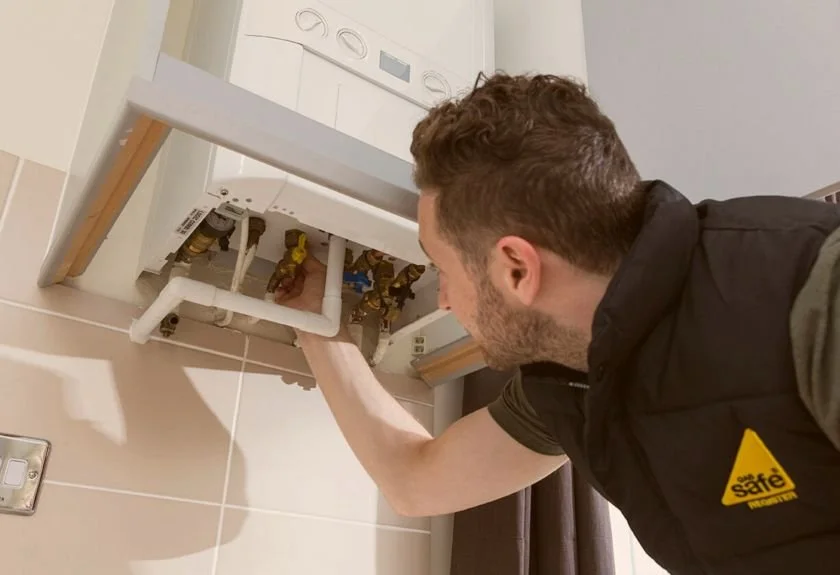
Landlords in the UK carry full legal responsibility for ensuring that all gas installations, appliances, flues, and pipework within their rental properties are maintained in a safe condition throughout the entire tenancy. This obligation is not optional and applies from the moment a tenancy begins and continues until it ends. It includes arranging an annual gas safety inspection carried out by a Gas Safe-registered engineer, ensuring any defects identified are repaired promptly, and keeping all gas systems in proper working order. Landlords must also make sure that tenants are not exposed to any risk of carbon monoxide leaks, gas escapes, or malfunctioning appliances, which means proactive maintenance is just as important as scheduled inspections. Failure to comply can lead to serious legal consequences, including heavy fines, invalidated insurance, and in severe cases, criminal prosecution.
In addition to carrying out inspections, landlords must provide tenants with a valid Gas Safety Certificate (CP12) within the required legal timeframe, typically before the tenant moves in or within 28 days of the annual check being completed. They are also required to retain copies of these certificates for their own records as proof of compliance. Even when a property is managed through a letting agent, the legal duty remains with the landlord, meaning ultimate accountability cannot be transferred. Proper record keeping, timely renewals, and ensuring only qualified professionals handle gas-related work are essential parts of compliance. By maintaining strict adherence to these regulations, landlords not only meet legal requirements but also protect tenant safety and reduce the risk of costly disputes or enforcement action.
Carbon Monoxide Risks and Safety Measures
Carbon monoxide is a highly dangerous and potentially fatal gas that cannot be detected by sight, smell, or taste, which makes it especially hazardous in domestic living environments where occupants may have no immediate warning of its presence. It commonly occurs when gas appliances, boilers, or heating systems are faulty, poorly maintained, improperly installed, or lack adequate ventilation for safe combustion. Even small amounts of exposure over time can cause serious health issues, while higher concentrations can quickly lead to unconsciousness or death. Because of these risks, carbon monoxide is often referred to as a “silent killer,” highlighting the importance of strict safety controls in rental properties where multiple occupants may rely on shared heating systems and appliances.
To significantly reduce these risks, landlords are legally required and strongly encouraged to ensure that all gas appliances and systems are regularly serviced, properly maintained, and inspected by qualified professionals. This includes scheduling annual safety checks and addressing any defects immediately without delay. In addition, carbon monoxide alarms must be installed in any room that contains a solid fuel-burning appliance, such as a wood burner or coal fire, in line with legal requirements. Beyond installation, these alarms should be tested regularly to ensure they are functioning correctly. Alongside these measures, maintaining proper ventilation throughout the property, ensuring flues are unobstructed, and responding promptly to any tenant-reported concerns are all essential steps in preventing exposure and ensuring a consistently safe and healthy living environment.
Penalties for Non-Compliance
Failure to comply with gas safety regulations is treated as a serious offence in the UK and can lead to significant legal, financial, and reputational consequences for landlords. The requirement to maintain valid Gas Safety Certificates and ensure annual inspections are carried out by a Gas Safe registered engineer is not optional, and breaches are actively enforced by local authorities and regulatory bodies. Where landlords fail to meet these obligations, they may face substantial fines, improvement notices, or enforcement orders, all of which can quickly become costly and disruptive. In addition to financial penalties, such breaches can also negatively affect a landlord’s standing and credibility within the property market, making it harder to manage or expand their rental portfolio in the future.
In more serious cases, enforcement action may escalate to restricting or prohibiting the letting of a property until full compliance is achieved, which can result in immediate loss of rental income and disruption for tenants. If negligence or repeated non-compliance leads to tenant harm or serious safety risks, criminal prosecution may also be pursued, potentially resulting in further penalties or even imprisonment in extreme cases. Additionally, failure to comply with gas safety laws can invalidate landlord insurance policies, leaving property owners financially exposed in the event of accidents, damages, or liability claims. This combination of legal action, financial loss, and reputational damage highlights why strict adherence to gas safety regulations is essential for every landlord operating in the UK.
Role of Letting Agents in Gas Safety Compliance
Letting agents play an important operational role in ensuring gas safety compliance for landlords, particularly those who do not manage their properties directly or live near the rental property. In many cases, they act as the central point of coordination for all gas safety obligations, including arranging annual Gas Safety Inspections with Gas Safe registered engineers, scheduling appointments, and ensuring that all appliances, flues, and pipework are checked in line with legal requirements. They also oversee the proper issuance of Gas Safety Certificates and make sure these documents are accurately recorded, securely stored, and shared with both landlords and tenants within the required timeframes. By handling these essential compliance tasks, letting agents help reduce the likelihood of administrative errors or missed legal deadlines that could otherwise result in serious penalties.
In addition to arranging inspections, letting agents also play a key role in monitoring ongoing compliance throughout the tenancy period. This includes tracking renewal dates for Gas Safety Certificates, sending timely reminders to landlords, and ensuring that no inspection deadline is overlooked. They frequently liaise directly with tenants to arrange property access for engineers, especially when landlords are unavailable or tenants have busy schedules, which helps prevent delays in completing mandatory checks. If any defects or safety issues are identified during inspections, letting agents often coordinate follow-up repairs by approved professionals and ensure that remedial work is completed promptly. This structured support system not only streamlines compliance but also significantly reduces the administrative burden on landlords while helping maintain consistently safe and legally compliant rental properties.
Best Practices for Gas Safety Compliance
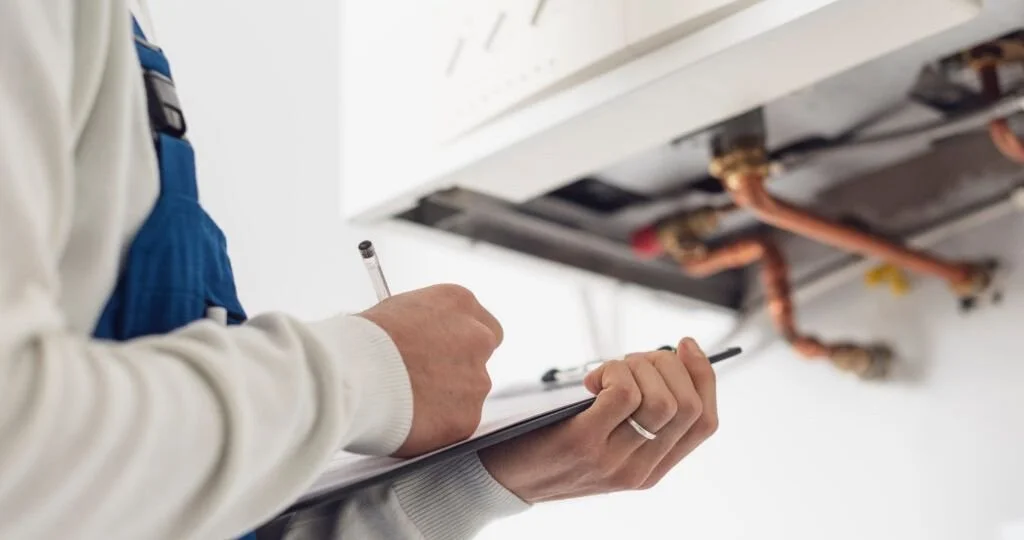
Maintaining strong gas safety compliance requires a proactive and highly organised approach rather than a reactive one that only addresses issues after they arise. Landlords should ensure that annual gas safety inspections are scheduled well in advance of expiry dates, avoiding any gaps in certification that could place tenants at risk or lead to legal breaches. Keeping accurate and up-to-date records of all Gas Safety Certificates, inspection reports, and maintenance work is equally important, as these documents serve as essential proof of compliance if required by local authorities or insurance providers. A structured system for tracking renewal dates and maintenance schedules helps landlords stay ahead of obligations and reduces the likelihood of missed deadlines or administrative errors.
In addition to formal inspections, landlords should carry out regular visual checks of gas appliances where appropriate, respond promptly to any tenant concerns, and ensure that routine servicing is completed between annual inspections to maintain safe operating conditions. Even minor issues such as unusual smells, irregular flame patterns, or reduced appliance efficiency should be investigated immediately by qualified professionals to prevent escalation. Working closely with Gas Safe-registered engineers and experienced letting agents further strengthens overall compliance by ensuring that all work is carried out to the required legal and safety standards. This combined approach of planning, monitoring, and professional oversight significantly reduces the risk of legal breaches, safety incidents, and costly remedial action over time.
Conclusion
Gas safety regulations for UK landlords are a fundamental and legally binding part of responsible property management, designed to ensure that all rental homes remain safe, habitable, and free from preventable gas-related hazards. These regulations cover a wide range of obligations, including mandatory annual gas safety inspections carried out by Gas Safe-registered engineers, the issuance of valid CP12 Gas Safety Certificates, and the ongoing maintenance of all gas appliances, pipework, flues, and ventilation systems. Landlords must treat these responsibilities as a continuous duty rather than a one-time requirement, ensuring that safety standards are consistently maintained throughout the entire tenancy period. This also involves timely repairs, proper installation practices, and ensuring that all gas systems remain compliant with current UK safety legislation and building standards.
Failure to comply with these regulations can lead to serious consequences, including significant financial penalties, enforcement action from local authorities, potential criminal liability, and an increased risk of harm to tenants. In addition to legal repercussions, non-compliance can also damage a landlord’s reputation, reduce tenant confidence, and make it more difficult to secure or retain reliable occupants in the future. Insurance complications may also arise, with policies potentially being invalidated if proper gas safety procedures have not been followed. Conversely, landlords who consistently follow gas safety requirements benefit from safer living environments, reduced risk of emergencies, improved tenant trust, and fewer long-term maintenance issues. Ultimately, strong gas safety compliance is not only a legal obligation but also a core component of ethical, professional, and sustainable property management within the UK rental sector.
Need help understanding your legal gas safety responsibilities as a landlord? Contact Armaani Estates now.
FAQs
What is a Gas Safety Certificate (CP12)?
A Gas Safety Certificate (CP12) is an official document issued by a Gas Safe registered engineer after inspecting a property’s gas appliances, pipework, and flues. It confirms that the gas installations are safe to use and compliant with current safety standards.
How often is a gas safety check required?
Landlords are legally required to arrange gas safety inspections every 12 months. A valid certificate must be kept up to date and provided to tenants within the required timeframe.
Who is allowed to carry out gas safety checks?
Only engineers who are registered with the Gas Safe Register are legally permitted to carry out gas safety inspections, servicing, and repairs in the UK. This ensures work is completed safely and to approved standards.
Is gas safety certification mandatory for all rental properties?
Yes, it is a legal requirement for all rental properties in the UK that have gas appliances installed. Landlords must ensure compliance at all times to protect tenant safety and meet legal obligations.
What are the consequences of not complying with gas safety rules?
Failure to comply can result in serious consequences, including financial penalties, prosecution, enforcement action from local authorities, invalidation of insurance, and significant legal liability if an incident occurs.
