
Fastest Growing Property Areas UK 2026
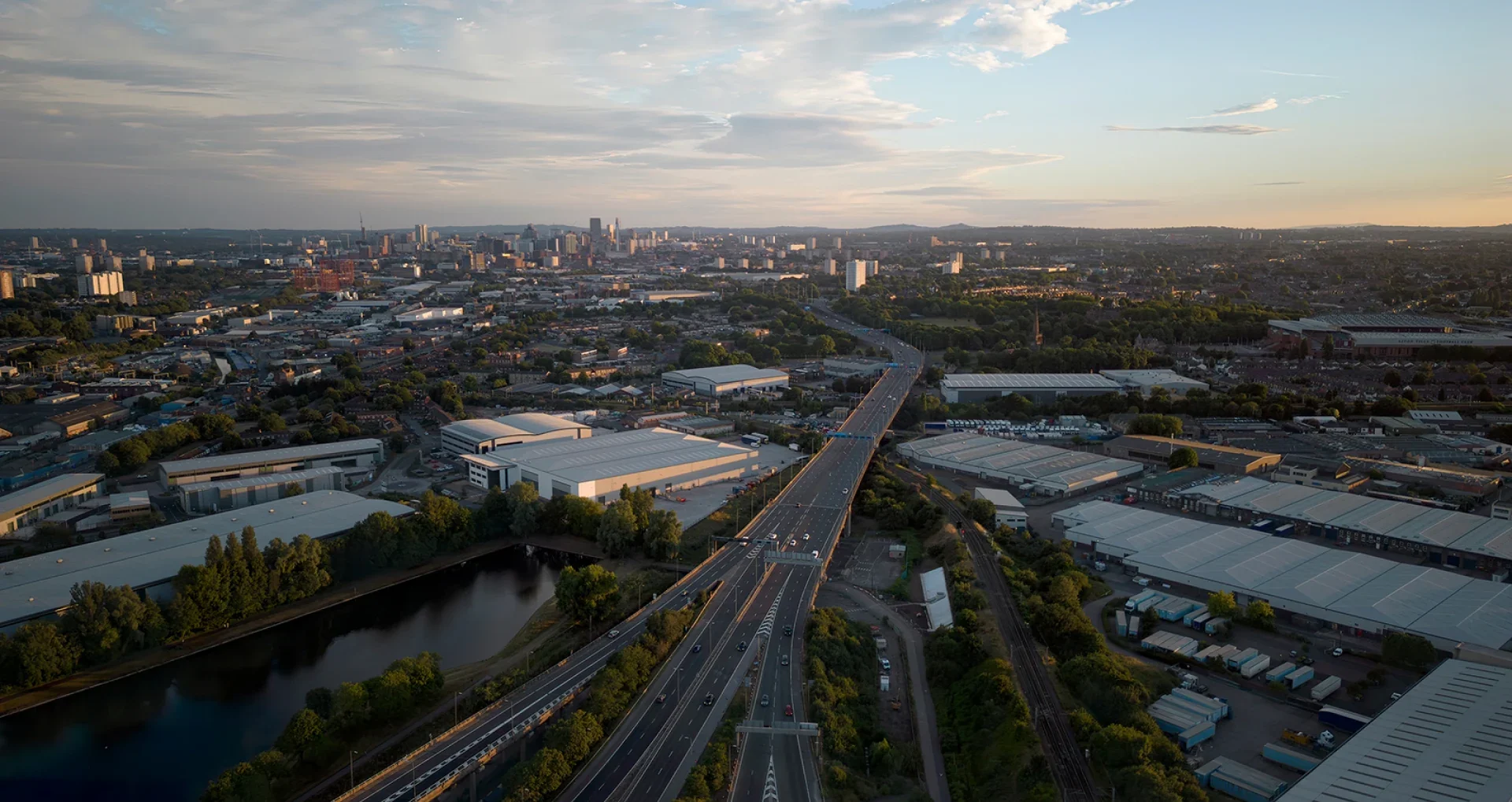
The UK property market in 2026 is showing a more balanced and measured pattern of growth compared to the sharp price increases seen in previous years. Rather than a broad nationwide boom, performance is becoming increasingly regional, with certain cities, towns, and local markets outperforming others. This variation is being driven by factors such as relative affordability, ongoing regeneration projects, improved transport infrastructure, and steady demand from both homebuyers and investors. As a result, the market is now far more segmented, with local conditions playing a much greater role in determining price movements than national trends alone.
While London continues to remain the most expensive housing market in the UK, it is no longer the fastest-growing region. Instead, stronger growth is increasingly being recorded in parts of the North of England, the Midlands, and selected commuter towns where buyers are prioritising value for money, space, and lifestyle quality. These areas are benefiting from shifting buyer behaviour, as affordability constraints in the South encourage more people to explore alternative locations. Over time, this trend is gradually reshaping the UK housing landscape, creating a more diversified market where growth is spread more evenly across different regions rather than concentrated in traditional hotspots.
Table of Contents
What Defines a Fast-Growing Property Area?
A fast-growing property area is typically defined by above-average house price growth compared to the national trend. However, price growth alone does not provide a complete picture of long-term performance. Sustainable growth is usually supported by a combination of economic strength, infrastructure investment, and consistent population movement, all of which help to maintain demand over time rather than create short-term spikes.
Areas that consistently perform well tend to benefit from improving job opportunities, new housing developments, large-scale regeneration projects, and strong rental demand. These factors work together to create steady upward pressure on property values, making growth more resilient and less dependent on short-term market sentiment. In many cases, improved transport links and better local amenities also play a key role in attracting both buyers and tenants, further supporting long-term stability.
In 2026, property growth is less about speculation and rapid price surges and more about affordability-driven demand and lifestyle changes. Buyers are increasingly prioritising value for money, space, and quality of life, which is encouraging growth in previously overlooked regions. This shift is creating a more balanced market where sustainable, fundamentals-based growth is becoming the dominant trend.
Mortgage rates are expected to settle in the 3.5–4.5% range for competitive fixed-rate deals. While global uncertainties and cost-of-living pressures remain, 2026 is widely regarded as a “normalising” year, favourable for prepared first-time buyers rather than speculative investors.
Key Drivers of Property Growth in 2026
Several important factors are influencing which UK areas are experiencing the fastest property growth in 2026, with affordability remaining one of the most significant drivers. As house prices in London and the South East continue to stay high, many buyers are being priced out of these regions and are instead relocating to more affordable parts of the country. This shift in demand is supporting stronger growth in areas where buyers can still access larger homes, better value for money, or take their first step onto the property ladder.
Infrastructure investment is another key factor shaping regional growth patterns. Improvements in transport links, including new rail services, upgraded stations, and motorway enhancements, are making commuter towns and regional cities far more attractive. These developments reduce travel times to major employment hubs, effectively expanding the number of viable places people can live while still working in larger cities. As accessibility improves, demand for housing in these connected areas tends to rise, which in turn supports property price growth.
Regeneration projects are also playing a major role in driving local market performance. Cities and towns undergoing large-scale redevelopment often benefit from improved public spaces, new housing, retail developments, and better amenities. These changes help to attract both residents and investors, increasing overall demand for property. Over time, this combination of investment, improved infrastructure, and rising demand contributes to sustained price growth in regeneration-focused areas.
Fastest Growing Property Regions in the UK (2026)
In 2026, several regions are standing out for stronger-than-average property growth. While exact figures vary depending on data sources and property types, the overall trend is consistent across multiple reports.
Northern cities such as Manchester, Liverpool, and Leeds continue to attract significant attention due to strong rental yields and relatively affordable entry prices. These cities benefit from large student populations, expanding job markets, and ongoing regeneration projects.
The Midlands is also performing strongly, particularly Birmingham and the surrounding areas. Birmingham’s continued development, including infrastructure upgrades and commercial investment, has supported steady price growth. Commuter towns around major cities are another standout category. Areas within commuting distance of Manchester, Birmingham, and even parts of London (where affordability allows) are seeing increased demand as buyers look for a balance between cost and convenience.
Northern England Growth Hotspots
Northern England remains one of the strongest-performing regions in terms of percentage property growth, with cities such as Manchester and Leeds continuing to lead the way. Their performance is supported by strong and diversified economies, significant regeneration projects, large student populations, and ongoing investment in infrastructure. These factors help sustain consistent demand for housing, both from buyers and renters, particularly in well-connected urban areas where employment opportunities are expanding across sectors such as finance, digital technology, and professional services.
Smaller towns surrounding these major cities are also benefiting from spillover demand, as buyers priced out of city centres look for more affordable alternatives within commuting distance. This has created a ripple effect of growth across wider regions rather than being limited to central locations. Liverpool also continues to stand out as a key performer, attracting both domestic buyers and investors due to its relatively affordable prices, improving infrastructure, and ongoing regeneration projects. Together, these trends highlight how Northern England is becoming an increasingly important driver of UK property market growth.
Midlands Property Growth Areas
The Midlands has emerged as a stable and steadily growing region in 2026, continuing to strengthen its position within the UK property market. Birmingham remains the central driver of growth, supported by large-scale regeneration projects, expanding commercial activity, and a broadening employment base across sectors such as business services, logistics, and manufacturing. These developments have helped sustain consistent demand for housing, particularly in areas close to the city centre where regeneration is most active.
Surrounding towns and commuter belts across the Midlands are also experiencing increased interest, especially from first-time buyers and young professionals seeking more affordable housing options compared to larger southern cities. Improved transport infrastructure, including rail upgrades and regional connectivity projects, has made commuting more practical and attractive, further supporting demand across the wider region. As a result, the Midlands continues to benefit from a balanced mix of affordability, accessibility, and steady economic growth, making it one of the more resilient property markets in 2026.
Southern Commuter Belt Growth

While London itself is experiencing slower growth in 2026 due to ongoing affordability constraints, many surrounding commuter towns continue to see steady levels of demand. London remains the UK’s primary economic and employment hub, but extremely high property prices, combined with elevated borrowing costs, have made it increasingly difficult for many buyers to enter or move within the market. As a result, demand has gradually shifted outward into nearby towns and suburban areas where housing is relatively more affordable, yet still offers reasonable access to central London for work and lifestyle purposes.
Commuter towns with strong rail connections, reliable transport infrastructure, and direct links into the capital continue to attract professionals who are prioritising space, value for money, and quality of life over central location. However, unlike the more widespread growth seen in parts of the North and Midlands, expansion in the South is more selective and uneven. Rising interest rates, higher living costs, and affordability pressures have all contributed to a more cautious market environment. As a result, price growth is now concentrated in specific high-demand pockets rather than being evenly spread across the wider southern region, reflecting a more targeted and demand-sensitive property market.
Why Some Areas Grow Faster Than Others
Property growth varies significantly across the UK due to differences in affordability, employment opportunities, infrastructure investment, and overall regional development. While the national market may show a general trend, local conditions often determine how quickly or slowly prices change in practice. As a result, some areas experience strong and sustained growth, while others see more gradual or limited movement depending on their economic and social strengths.
Areas with lower entry prices tend to attract a higher number of first-time buyers and investors, which naturally increases demand and contributes to upward pressure on property values over time. At the same time, regions with strong and diverse job markets tend to draw in more people seeking employment opportunities, supporting long-term housing demand and helping to sustain price growth even during periods of wider market slowdown. This combination of affordability and economic strength plays a key role in shaping regional performance.
Regeneration projects also have a significant impact on local property markets, as they often lead to improved infrastructure, upgraded public spaces, and increased business activity. These changes make previously underdeveloped or overlooked areas more attractive to both residents and investors, gradually increasing demand for housing. Over time, these combined factors result in sustained and location-specific property growth, rather than uniform price increases across the entire country.
What This Means for Buyers and Investors
For buyers, fast-growing areas often represent a valuable balance between affordability and future growth potential. Entering the market in these regions can provide access to lower purchase prices compared to traditional high-demand locations, while still offering the possibility of long-term capital appreciation. This makes them particularly attractive for first-time buyers or those looking to move further up the property ladder, as they may be able to secure larger or better-located homes without the premium associated with established hotspots.
For investors, these areas can also present stronger rental yields and capital growth opportunities compared to more expensive and slower-growing markets. However, not all fast-growing locations maintain their momentum indefinitely, which makes careful analysis essential before committing to a purchase. Understanding key local factors such as employment trends, population growth, regeneration plans, and transport infrastructure is crucial in identifying sustainable opportunities. In 2026, successful investment decisions are increasingly driven by detailed local research rather than broad national trends, ensuring that growth potential is both realistic and long-term.
Conclusion
The fastest-growing property areas in the UK in 2026 are no longer concentrated in traditional high-value markets like London. Instead, growth is increasingly driven by regional cities and commuter towns where affordability, infrastructure development, and ongoing economic expansion are creating stronger and more consistent demand. As affordability pressures continue in southern regions, more buyers are being priced out of traditional hotspots and are instead turning to alternative locations that offer better value for money, more space, and improved overall quality of life while still maintaining reasonable access to major employment centres.
Northern England, the Midlands, and selected commuter belts are leading this shift, reflecting a broader and more structural change in the UK housing market. These regions are benefiting from large-scale regeneration projects, improved transport connectivity, and rising job opportunities across key sectors, all of which help to support sustained and long-term property demand. In many cases, these areas are also attracting inward migration from more expensive southern regions, further strengthening local housing markets. For buyers and investors, this creates new opportunities outside the traditional high-priced markets, but it also requires careful and detailed analysis of local conditions, as growth is increasingly shaped by specific regional dynamics, infrastructure plans, and employment trends rather than national averages alone.
Looking to invest in the UK’s top growth hotspots this year? Speak to Armaani Estates today.
FAQs
Which UK region is growing fastest in 2026?
Northern England and parts of the Midlands are currently experiencing the strongest property price growth in 2026, supported by affordability and increased buyer demand.
Is London still a good property investment?
London remains a stable long-term investment, but growth is slower compared to many regional cities. It continues to attract buyers due to economic strength and global demand, though returns are often more modest.
Why are northern cities growing faster?
Northern cities are growing faster due to lower entry prices, ongoing regeneration projects, improved infrastructure, and strong rental demand, which together support higher percentage growth.
Are commuter towns still a good investment?
Yes, commuter towns can still offer good opportunities, but growth is now more selective. Success depends heavily on transport connections, affordability, and proximity to major employment hubs.
What is driving UK property growth in 2026?
Key drivers include affordability pressures in southern regions, continued infrastructure investment, regional regeneration projects, and sustained demand for housing across more affordable parts of the UK.
