
How Much Rent Should You Charge in the UK?
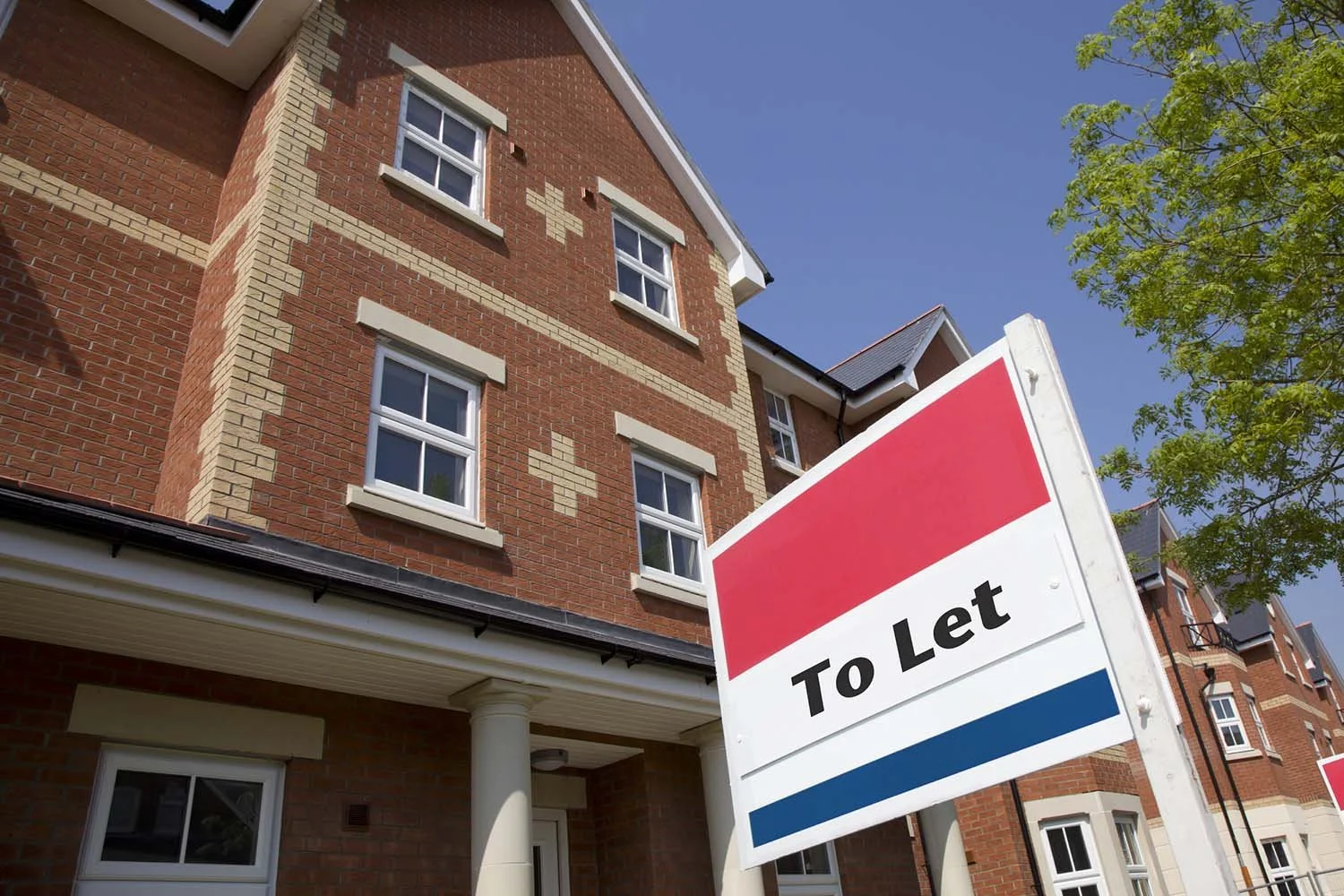
Setting the right rental price is one of the most important decisions any landlord can make. Charge too much, and your property may sit empty for weeks or even months without attracting suitable tenants. Charge too little, and you could lose significant income over the course of a tenancy. Finding the right balance requires a careful understanding of local market conditions, property features, tenant demand, and wider economic factors.
The UK rental market has experienced significant changes in recent years. Rising mortgage costs, increased landlord regulations, changing tenant expectations, and strong rental demand in many regions have all influenced rental pricing. As a result, landlords need to take a strategic approach when determining how much rent to charge.
Whether you are a first-time landlord or an experienced property investor, understanding the factors that influence rental value can help you maximise returns while maintaining consistent occupancy.
Table of Contents
Understanding Local Rental Market Conditions

Bradford offers a compelling mix of affordable property prices and consistent tenant demand. The city benefits from population growth, its location within the Leeds City Region, and improving transport links that make commuting to Leeds easy for many tenants. Demand comes from diverse groups including University of Bradford students, young professionals, families, healthcare workers, and key workers in logistics and manufacturing. Rents remain more affordable than in neighbouring cities, helping maintain high occupancy rates.
Current market highlights show one-bedroom properties renting around £540–£616 pcm, two-bedroom homes near £664–£825, and three-bedroom houses between £793 and £1,042 depending on quality and location. While suburban areas deliver more stable tenancies, central postcodes often produce the highest yields.
Factors That Influence Rental Value
Every property is unique, and several characteristics can significantly affect the amount of rent tenants are willing to pay.
Location remains one of the strongest influences on rental value. Properties close to train stations, business districts, schools, shopping facilities, and healthcare services generally attract stronger demand.
Property size also plays an important role. Larger homes with additional bedrooms, bathrooms, and living space typically command higher rents. However, rental value is not always determined solely by square footage. Layout and functionality can be equally important.
Condition and presentation can significantly impact rental income. Well-maintained properties with modern kitchens, updated bathrooms, fresh décor, and quality flooring often justify higher rents than comparable homes requiring maintenance.
Energy efficiency has become increasingly important as tenants become more conscious of utility costs. Homes with better insulation, double glazing, efficient heating systems, and stronger EPC ratings may attract greater demand and support higher rental pricing.
Additional features such as private gardens, parking spaces, garages, balconies, home office space, and high-speed broadband availability can also increase rental appeal.
The Importance of Tenant Expectations
Modern tenants often expect more than simply four walls and a roof. Many renters now prioritise convenience, comfort, energy efficiency, security, and flexible living arrangements.
Properties that meet these expectations often achieve stronger rental performance and attract longer-term tenants.
How to Calculate a Suitable Rental Price

Determining the correct rental price requires balancing market evidence with financial objectives.
Many landlords begin by comparing similar properties in the local area. This provides a realistic indication of what tenants are currently willing to pay.
Another common approach involves calculating rental yield. Rental yield measures annual rental income as a percentage of the property's value.
The following table illustrates how rental yield works:
While rental yield can help evaluate investment performance, it should not be the sole factor used when setting rent. Market demand remains the ultimate determinant of what tenants are willing to pay.
Considering Running Costs
Landlords should also consider ongoing expenses when assessing rental pricing.
Mortgage payments, insurance, maintenance costs, letting agent fees, licensing requirements, safety compliance obligations, and potential periods of vacancy all affect profitability.
Charging rent that only covers mortgage costs may not provide sufficient protection against unexpected expenses.
Avoiding Emotional Pricing
Some landlords make the mistake of setting rent based on personal financial requirements rather than market realities.
Tenants compare multiple properties before making decisions. If a property is priced significantly above comparable alternatives, demand may decline regardless of the landlord's financial expectations.
The Risks of Overpricing and Underpricing
Finding the correct balance is crucial because both overpricing and underpricing can create problems.
Overpriced properties often remain vacant for longer periods. Every week without a tenant represents lost income that can quickly exceed any potential gains from a higher advertised rent.
Long marketing periods may also create negative perceptions among prospective tenants. If a property remains available for an extended period, renters may assume there are hidden issues.
On the other hand, underpricing can reduce overall returns and make future rent increases more difficult. Tenants who move into a property at a significantly discounted rate may resist substantial increases later.
Understanding Void Period Costs
Many landlords focus exclusively on achieving the highest possible monthly rent. However, occupancy rates often have a greater impact on long-term profitability.
For example, a property advertised at £1,000 per month that remains vacant for two months generates less annual income than a property rented immediately at £950 per month.
Consistent occupancy frequently produces better financial outcomes than chasing the highest possible rent.
Setting Rent for Different Property Types
Different types of rental properties attract different tenant groups, and pricing strategies should reflect this.
Family Homes
Families often prioritise school catchment areas, garden space, parking availability, and neighbourhood safety. Long-term stability can be particularly attractive to this tenant group.
As a result, landlords may sometimes benefit from slightly lower rents if it helps secure reliable long-term tenants who remain in the property for several years.
Flats and Apartments
Flats often attract young professionals, couples, and first-time renters. Proximity to transport links, city centres, and employment opportunities can significantly influence pricing.
Modern developments with secure entry systems, concierge services, and gym facilities may justify premium rents.
Student Properties
Student accommodation operates differently from many traditional rental markets.
Demand is often linked to university calendars, and rents are frequently calculated on a per-room basis rather than for the entire property.
Houses in Multiple Occupation (HMOs)
HMOs can generate higher overall rental income because multiple tenants contribute separate rental payments.
However, they also involve additional management responsibilities, licensing requirements, maintenance obligations, and compliance standards.
When and How to Increase Rent
Rent reviews are an important aspect of long-term property management.
While landlords naturally want to maximise income, excessive or poorly timed increases can result in tenant dissatisfaction and increased turnover.
The best approach is often gradual, evidence-based rent adjustments that reflect market conditions.
Reviewing Local Market Trends
Before increasing rent, landlords should assess whether similar properties in the area are achieving higher rental values.
If local rents have increased substantially, a moderate adjustment may be justified.
Maintaining Good Tenant Relationships
Reliable tenants can provide considerable value through consistent payments, reduced void periods, and lower maintenance issues.
Many landlords find that retaining excellent tenants is often more beneficial than pursuing maximum rent increases and risking tenant turnover.
Legal Considerations
Landlords must follow the appropriate legal procedures when increasing rent. The process may vary depending on tenancy agreements, tenancy types, and whether fixed-term or periodic tenancies are involved.
Understanding legal obligations helps avoid disputes and ensures compliance with current regulations.
Common Mistakes Landlords Make When Setting Rent
One of the most common mistakes is failing to conduct adequate market research. Rental markets can change rapidly, and outdated assumptions may lead to unrealistic pricing.
Another frequent error is focusing solely on mortgage payments. While financing costs are important, tenants base decisions on market value rather than landlord expenses.
Some landlords ignore property presentation. Even small improvements can significantly influence rental appeal and justify stronger pricing.
Others fail to review rents regularly, resulting in properties being significantly underpriced compared to current market conditions.
A further mistake involves neglecting tenant quality. Selecting reliable tenants often contributes more to long-term profitability than securing slightly higher rent from less suitable applicants.
Successful landlords typically balance income goals with tenant demand, market evidence, property condition, and long-term occupancy considerations.
Conclusion
Determining how much rent to charge in the UK requires careful analysis rather than guesswork. The most successful landlords combine local market research, property assessment, financial planning, and tenant demand analysis to establish competitive rental pricing.
Location, property condition, energy efficiency, local amenities, and market demand all play major roles in determining rental value. While maximising income is important, setting a realistic rent often produces better long-term results by attracting quality tenants and reducing costly void periods.
Landlords who regularly review market conditions, maintain their properties well, and understand tenant expectations are generally in the strongest position to achieve sustainable rental income and long-term investment success.
Need expert guidance on pricing your rental property correctly? Contact Armaani Estates now.
FAQs
How do I know if my rent is too high?
If viewings are limited, enquiries are low, or the property remains vacant for an extended period compared to similar local properties, the rent may be above market expectations.
How often can landlords increase rent in the UK?
This depends on the tenancy agreement and tenancy type. Landlords must follow the appropriate legal procedures and provide any required notice.
Should I charge the highest rent possible?
Not necessarily. A slightly lower rent that attracts a reliable tenant quickly can often generate better long-term returns than a higher rent that results in extended vacancies.
Does EPC rating affect rental value?
Yes. Energy-efficient properties are increasingly attractive to tenants because they can help reduce utility bills and improve overall comfort.
Can I increase rent for existing tenants?
In many cases, yes, provided the correct legal process is followed and the increase reflects market conditions.
Are furnished properties worth more rent?
Furnished properties can sometimes achieve higher rents, particularly in city centres and areas popular with professionals or students. However, this varies by location and tenant demand.
What is a good rental yield in the UK?
Many landlords aim for gross rental yields between 4% and 8%, although acceptable yields vary depending on location, investment strategy, and risk tolerance.
Is it better to use a letting agent to set rent?
A good local letting agent can provide valuable market insight and help determine realistic rental values based on current demand and comparable properties.
