
How Much Is My House Worth in Bradford in 2026?
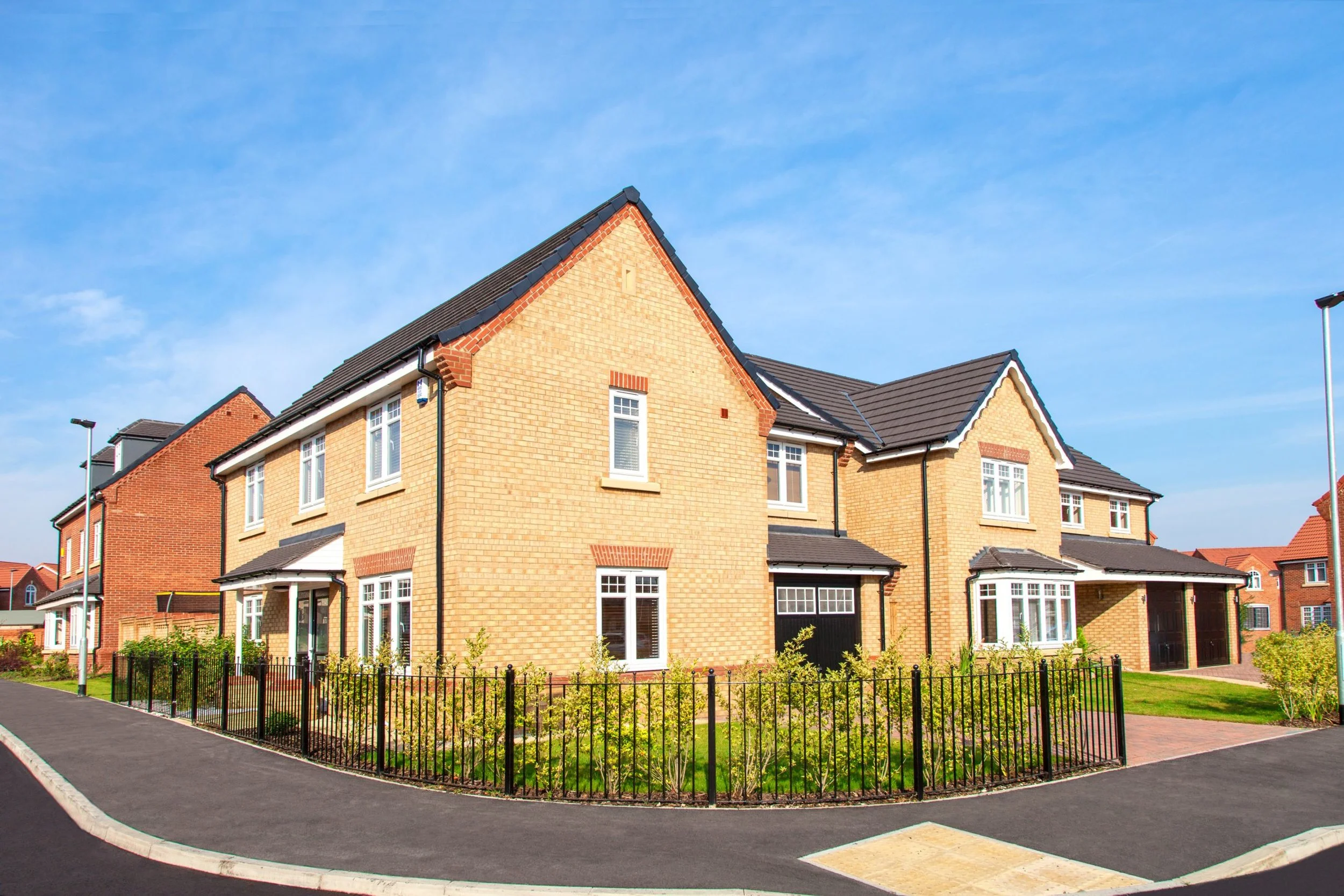
Determining the value of your house in Bradford in 2026 starts with understanding the current market trends. As of early 2026, the average house price in Bradford sits between £185,000 and £190,000, reflecting a modest growth of around 4% to 6% compared to the previous year. Bradford remains one of the more affordable areas in West Yorkshire, with prices notably lower than the regional average of roughly £240,000 and well below the national average in England.
Property values across Bradford are far from uniform. Some neighbourhoods are experiencing stronger demand and better price growth, while others remain more affordable. Several key factors, including postcode, buyer demand, property type, and condition, play a major role in determining exactly how much your house is worth in today’s market.
Table of Contents
Understanding Property Valuations in Bradford
Understanding property valuations in Bradford is essential whether you’re planning to sell, buy, or simply assess your home’s current worth. A property’s value is influenced by factors such as location, market demand, property condition, and recent sales in the area. In a dynamic market like Bradford, where prices and demand can vary significantly by postcode, even small differences in neighbourhood, transport links, and local amenities can impact value.
Valuations are typically carried out by estate agents or surveyors, using comparable sales data and local market insight to provide an accurate estimate. Understanding this process not only helps you set realistic expectations but also ensures you are better prepared when negotiating, refinancing, or making investment decisions in Bradford’s evolving property market.
The Bradford Property Market in 2026
The housing market in Bradford during 2026 reflects a period of steady but cautious activity. National forecasts suggest overall UK house price growth will be modest, between 1 and 3 percent for the year. Northern regions like Yorkshire and the Humber are expected to perform slightly better due to relative affordability and ongoing local investments.
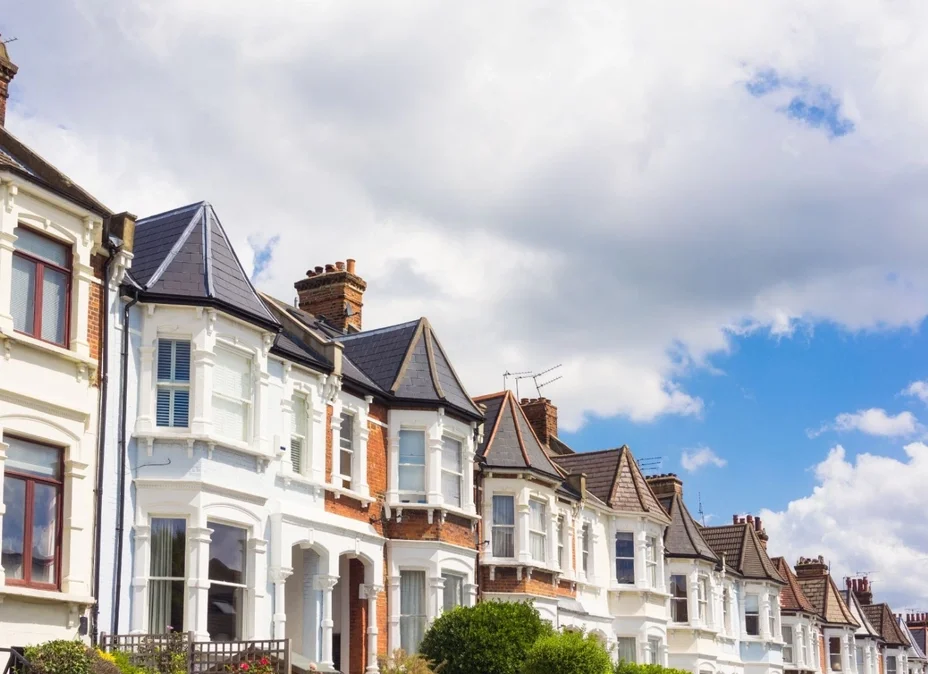
Bradford benefited from its recent City of Culture status, which brought attention to the city and supported some infrastructure improvements. Population growth is also adding underlying demand for housing. However, the market stays balanced. There is no rapid price surge. Buyers remain cautious due to economic conditions, while sellers need realistic expectations. Terraced houses continue to dominate sales, followed by semi-detached properties.
Key Factors Affecting House Prices in Bradford
Several important elements determine how much a house is worth in Bradford. These include location, demand levels, property type, and overall condition. Professional valuers always examine these factors carefully when assessing a property. Recent sales of similar homes in the same area provide the most reliable evidence for valuation.
Postcode and Location
Your postcode is one of the strongest influences on house value in Bradford. Different BD postcodes represent very different types of neighbourhoods.
Central postcodes such as BD1, BD3, and BD5 often have lower average prices due to higher housing density and urban character. These areas can attract strong rental demand from young professionals and families.
Outer postcodes like BD10, BD14, BD16, and BD17 tend to achieve higher values. These locations usually offer better access to green spaces, schools, and a more suburban feel.
Even within the same postcode, small differences matter. Properties on quieter streets or closer to good schools and parks often command higher prices. Transport links to Leeds or Manchester also support values in certain areas. Location factors such as school catchment areas, local amenities, and flood risk can all affect the final valuation of your house.
Demand and Market Conditions
Buyer demand in Bradford varies across different property types and neighbourhoods. In 2026, demand remains steady for affordable family homes, particularly three-bedroom terraced and semi-detached houses. First-time buyers form a significant part of the market because of Bradford’s relatively low entry prices. Rental demand also plays an important role. Areas with strong rental yields help support property values even during quieter sales periods.
Economic factors such as interest rates and local employment levels influence how many buyers are active. When mortgage rates ease, more people can afford to buy, which tends to support prices. Supply levels matter too. When fewer similar properties are for sale, well-presented homes can achieve stronger offers.
Property Type
The type of your property has a major impact on its value in Bradford.
Terraced houses make up the largest part of the market and usually have the lowest price point. These homes appeal to first-time buyers and families looking for affordable options.
Semi-detached properties generally achieve higher prices than terraces. They offer more privacy, larger gardens, and often off-street parking.
Detached houses sit at the upper end of the market. They attract buyers seeking more space and individuality, though they represent a smaller share of transactions in many parts of Bradford.
Flats and apartments vary widely in value. City centre flats may appeal to investors, while converted older buildings can have different levels of demand depending on their condition and lease terms.
Bungalows and non-standard properties often have more limited buyer pools, which can affect their market value.
Condition and Presentation
The condition of your house is one of the few factors you can directly influence. Well-maintained properties in good decorative order usually achieve higher sale prices. Buyers in Bradford are often price-sensitive and factor in the cost of any necessary repairs or updates. Important elements include the state of the roof, windows, boiler, and electrical system. Modern kitchens and bathrooms can add appeal, but very expensive upgrades may not always deliver full returns in this market.
Energy efficiency is becoming more important. Homes with better Energy Performance Certificate (EPC) ratings can stand out to buyers concerned about running costs. Structural issues, damp problems, or outdated features tend to reduce offers. On the other hand, sensible improvements such as loft conversions or better layouts can increase value when done appropriately. Kerb appeal, including the front garden and driveway, also affects how quickly a property sells and at what price.
Additional Factors That Influence Valuation
Beyond the main factors, several other aspects affect house prices in Bradford.The size and layout of the property matter greatly. A well-proportioned three-bedroom house can sometimes be worth more than a larger but awkwardly laid out property. Tenure is important. Freehold properties generally appeal to more buyers than leasehold, especially where leases are short.
Garden size and parking availability have gained importance in recent years. Many buyers now look for homes with private outdoor space. Proximity to shops, doctors, schools, and public transport can add convenience value. Noise from busy roads or other drawbacks may require price adjustments. Recent comparable sales in the same street or very nearby provide the strongest guide for accurate valuation
How to Get an Accurate Valuation
Online house price estimators can give a rough idea, but they often miss local nuances and recent changes to your property. The most reliable method is to contact local estate agents who know the Bradford market well. They can provide a free market appraisal based on current buyer demand and recent completed sales.
It is useful to get opinions from two or three different agents to compare their views. Ask them to explain which recent sales they have used as comparable. For formal purposes such as probate or divorce, a professional RICS valuation may be required. This is different from a standard market appraisal for selling. When preparing for a valuation, make sure the house is clean and tidy. Have your EPC certificate and details of any recent work ready to show.
Future Outlook for Bradford House Prices
Looking ahead in 2026, Bradford’s housing market is expected to see continued modest growth. The city’s affordability compared to Leeds and other nearby areas may continue to attract buyers priced out of more expensive locations. Regeneration projects and improving infrastructure could support further interest over time.
However, risks remain. Slower economic growth or changes in interest rates could affect demand. New housing supply in some areas may also ease price pressure. For individual homeowners, the key is to base expectations on realistic local evidence rather than hoping for large gains in a short period.
Practical Steps for Bradford Homeowners
If you want to find out how much your house is worth, start by gathering basic details about your property. Note the postcode, number of bedrooms, recent improvements, and current condition. Next, look at recently sold prices for similar homes in your area using official data sources. Focus on actual completed sales rather than asking prices.
Contact experienced local agents for professional valuations. Be honest about your property’s strengths and any issues that need attention. Consider your own goals. Are you thinking of selling soon, remortgaging, or simply checking your equity position? This will help you interpret the valuation figures. Remember that the true value of your house is what a willing buyer will pay under current market conditions.
Common Questions About House Valuations in Bradford
Many people ask whether 2026 is a good time to sell. The answer depends mainly on your specific property, its location, and condition. Others wonder how much value extensions or loft conversions add. While extra space can help, the return depends on whether the improvements match what local buyers want.
Questions about energy efficiency are also common. Homes with good EPC ratings can sometimes achieve slightly better offers because buyers consider future running costs. The difference between online estimates and agent valuations is another frequent topic. Local agents usually provide more accurate figures because they understand street-by-street differences and current buyer behaviour.
Conclusion
In 2026, the Bradford housing market offers a realistic environment for homeowners. Average prices around £185,000 to £190,000 make the city accessible while allowing for steady, measured growth. Your house value will depend on its postcode, the demand it attracts, its type, size, and especially its condition and presentation.
Taking time to understand these factors and seeking professional local advice will give you the clearest picture of what your property is worth in the current market. Regular reviews of your home’s value make sense if your circumstances or the wider market change.
Wondering how much your house is worth in Bradford in 2026? Talk to Armaani Estates now.
FAQs
How accurate are online house price estimators for Bradford?
Online estimators provide only a rough guide and should not be relied on for precise valuations. They often fail to account for street-level variations, recent upgrades, property condition, and current buyer demand. A local estate agent will usually offer a far more accurate and realistic valuation.
What is the average house price in Bradford in 2026?
As of early 2026, the average house price in Bradford typically sits between £185,000 and £190,000. However, values vary significantly depending on the area, property type, and overall condition.
Does postcode affect house value in Bradford?
Yes, postcode plays a major role in determining property value. Outer areas such as BD10, BD14, and BD16 often command higher prices, while more central postcodes like BD3, BD5, and BD8 tend to be more affordable.
How much does property condition affect value?
Property condition has a significant impact on value. Well-maintained and modernised homes tend to achieve higher prices, while properties requiring repairs or upgrades often attract lower offers from buyers.
Will a loft conversion or extension add value?
A well-executed loft conversion or extension can increase property value, especially if it aligns with local buyer demand. However, over-improving beyond the standard of the surrounding area may not always deliver a full return on investment.
Is 2026 a good time to sell in Bradford?
It depends on the property. Well-presented homes in desirable locations are selling steadily, while properties needing significant work may achieve lower offers or take longer to sell.
How important is energy efficiency?
Energy efficiency is becoming increasingly important. Properties with better EPC ratings are more attractive to buyers and can sometimes command higher prices due to lower running costs.
What is the difference between an agent appraisal and an RICS valuation?
An estate agent appraisal is usually free and provides an estimate based on current market conditions. A formal Royal Institution of Chartered Surveyors (RICS) valuation is a paid, regulated report often required for mortgage or legal purposes.
Do terraced houses or flats sell faster in Bradford?
Terraced houses generally sell faster due to their affordability and broader appeal. Flats tend to attract a smaller pool of buyers, particularly where leasehold terms, service charges, or building issues are factors.
