
How to Get the Best Price for Your House UK
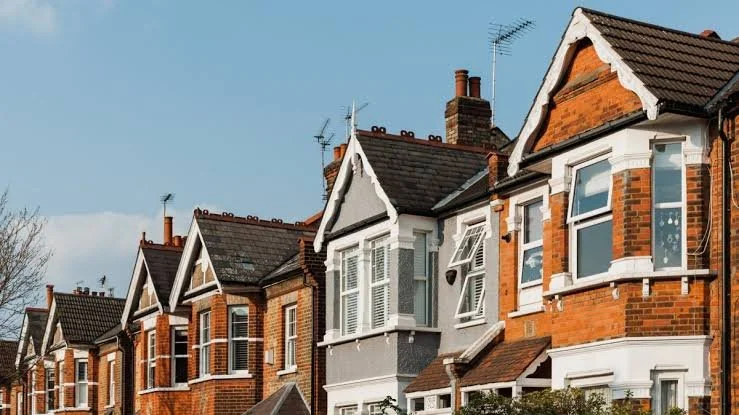
Before setting expectations for your sale price, you need a clear understanding of the current UK property market. House prices are influenced by factors such as interest rates, inflation, buyer demand, and regional trends. In a strong seller’s market, where demand exceeds supply, you may achieve offers above asking price. However, in slower markets, pricing and presentation become even more critical. Research recent sold prices in your local area rather than just looking at listings, as asking prices can be misleading. Pay attention to how long properties are taking to sell and whether price reductions are common. Seasonal trends also matter spring and early autumn are often the busiest periods. Understanding these conditions allows you to position your property competitively from the outset. Sellers who ignore market realities often overprice, which can lead to fewer viewings and ultimately a lower final sale price after reductions.
Table of Contents
Set the Right Asking Price from Day One
Setting the correct asking price is one of the most critical factors in achieving the best price for your home. Overpricing may seem like a good strategy to allow room for negotiation, but it often results in fewer viewings and a longer time on the market. When a property lingers without interest, it can become less attractive and may require price reductions later. The first few weeks are crucial, as this is when your listing receives the most attention. A well-priced property can generate strong interest, potentially leading to multiple offers and competitive bidding. To determine the right price, consider recent comparable sales, current demand, and professional valuations. Pricing slightly below key thresholds can also increase visibility in search results. A realistic and strategic pricing approach creates urgency among buyers and can ultimately result in a higher final sale price than starting too high and adjusting later.
Improve Kerb Appeal to Create a Strong First Impression
First impressions play a crucial role in shaping buyer perceptions, often within just a few moments of arriving at your property. The exterior, commonly referred to as kerb appeal, sets the tone for the entire viewing experience and can strongly influence a buyer’s initial expectations. A well-maintained and welcoming exterior immediately suggests that the property has been cared for, while a neglected or untidy appearance can raise doubts before buyers even step inside. Small, practical improvements such as repainting the front door, cleaning windows, mowing the lawn, and tidying the garden can have a surprisingly powerful impact. Addressing minor repairs like fixing fences, pathways, or exterior fixtures also helps create a sense of quality and attention to detail.
Enhancing the entrance further with thoughtful touches such as outdoor lighting, potted plants, or a clean and inviting pathway can make the property feel more appealing and memorable. Buyers often form quick emotional responses, and these early impressions can influence how they perceive the rest of the home. Investing a little time and effort into improving kerb appeal can increase interest, encourage more viewings, and even lead to stronger offers. In a competitive market, properties that stand out visually are more likely to attract serious buyers. Ultimately, creating a positive and lasting first impression can significantly improve your chances of achieving a successful and rewarding sale.
Declutter, Clean, and Stage Your Home Effectively
A well-presented home allows buyers to imagine themselves living in the space, which can directly influence both their level of interest and how much they are willing to pay. Decluttering is a key first step, as it helps rooms appear more spacious, brighter, and easier to navigate. Removing personal items, excess furniture, and unnecessary distractions allows the property’s best features to stand out. Creating a clean and neutral environment makes it easier for buyers to picture their own belongings in the space, which can strengthen their emotional connection during viewings. Even small changes, such as organising storage areas or clearing worktops, can contribute to a more open and appealing feel.
Deep cleaning every part of the home is equally important in creating a strong impression. Kitchens, bathrooms, and even less visible areas should be spotless to reflect a well-maintained property. Using neutral colours and simple décor can further enhance appeal by catering to a wider range of tastes and creating a move in ready atmosphere. Home staging does not need to involve significant expense, as small adjustments like rearranging furniture, adding fresh flowers, or improving lighting can make a noticeable difference. Properties that are clean, bright, and thoughtfully presented tend to photograph better, attract more attention online, and generate greater interest. This increased demand can lead to more viewings and potentially stronger offers, making presentation a key factor in achieving the best possible sale price.
Invest in Professional Photography and Marketing
In today’s property market, online listings are often the first point of contact between your home and potential buyers. High-quality photography is essential for making a strong impression and encouraging viewings. Professional images that showcase natural light, space, and key features can significantly increase interest in your property. In addition to photos, consider including floor plans, virtual tours, and video walkthroughs to provide a comprehensive view of the home. A well-written property description should highlight unique selling points, location benefits, and lifestyle appeal. Effective marketing ensures your property reaches a wide audience, increasing the chances of attracting serious buyers. Poor-quality images or incomplete listings can reduce visibility and limit interest. Investing in professional marketing can create more competition among buyers, which is one of the most effective ways to achieve a higher final sale price.
Choose the Right Estate Agent for Maximum Results
The estate agent you choose can have a significant impact on your final sale price. An experienced agent will provide accurate pricing advice, create an effective marketing strategy, and manage negotiations professionally. It is important to compare multiple agents, looking at their track record, local expertise, and approach to selling properties similar to yours. Be cautious of agents who offer overly optimistic valuations, as this can lead to pricing issues later. A good agent should be transparent, communicative, and proactive in generating interest. They should also have a clear plan for marketing your property and attracting the right buyers. Strong negotiation skills are essential, as they can make a substantial difference in the final price achieved. Choosing the right agent ensures your property is positioned correctly in the market and gives you the best chance of achieving a successful and profitable sale.
Time Your Sale to Take Advantage of Market Demand
Timing your property sale strategically can influence both the speed of the sale and the price you achieve. Certain times of the year tend to attract more buyers, particularly spring and early autumn when market activity is higher. During these periods, increased demand can lead to more viewings and stronger offers. However, timing also depends on broader economic conditions, such as interest rates and buyer confidence. Selling when demand is strong and supply is limited can give you a competitive edge. Avoid listing your property during quieter periods, such as major holidays, when fewer buyers are actively searching. It is also important to consider your own circumstances, as rushing to sell may reduce your negotiating power. By choosing the right time to list your property, you can create a more competitive environment, which often leads to higher offers and a better overall outcome.
Be Flexible and Maximise Viewing Opportunities
The more people who view your property, the greater your chances of receiving strong offers. Being flexible with viewing times is essential, as it allows a wider range of buyers to see your home. Evening and weekend viewings are particularly important for those with busy schedules. Ensure your property is always ready for viewings by keeping it clean, tidy, and well-lit. Small touches such as fresh air, natural light, and a welcoming atmosphere can leave a positive impression. Try to accommodate last-minute requests where possible, as serious buyers often act quickly. Limiting availability can reduce interest and delay your sale. Each viewing is an opportunity to showcase your property and create a connection with potential buyers. By maximising accessibility and maintaining a high standard of presentation, you can increase competition and improve your chances of achieving the best possible price.
Highlight Key Features and Unique Selling Points
Every property has features that make it attractive to buyers, and highlighting these effectively can increase its perceived value. Identify what sets your home apart, whether it is a modern kitchen, spacious layout, energy-efficient upgrades, or a desirable location. These features should be clearly communicated in your marketing materials and emphasised during viewings. Understanding your target buyer is also important, as different groups prioritise different aspects. Families may value space and proximity to schools, while professionals may focus on transport links and convenience. By tailoring your presentation to appeal to the right audience, you can generate more interest and stronger offers. Highlighting unique selling points helps buyers see the full potential of your property and justifies a higher price. When buyers feel that a property meets their needs and offers something special, they are often willing to pay more to secure it.
Negotiate Offers with Confidence and Strategy
Negotiation is a crucial stage in achieving the best price for your home. When offers are received, it is important to assess them carefully rather than simply accepting the highest bid. Consider the buyer’s financial position, whether they are part of a chain, and how quickly they can proceed. If there is strong interest, you may be able to encourage higher offers or invite buyers to submit their best and final bids. Avoid rushing into a decision, as taking time to evaluate your options can lead to a better outcome. A skilled estate agent can guide you through the negotiation process and help you secure the best deal. Clear communication and a strong understanding of your minimum acceptable price will give you confidence during discussions. Effective negotiation can significantly increase your final sale price and ensure a smoother transaction.
Prepare Legal Documents Early to Avoid Delays

Having all necessary legal documents ready before you accept an offer can help prevent delays and maintain buyer confidence. Important documents include title deeds, property information forms, energy performance certificates, and any warranties or guarantees for work carried out. If your property has been extended or altered, ensure you have the relevant planning permissions and building regulation approvals. Missing or incomplete documentation can slow down the conveyancing process and may lead to renegotiation or even a failed sale. Working with a solicitor early in the process allows you to organise everything in advance and address any potential issues. A smooth transaction reassures buyers and reduces the risk of complications. Being well-prepared demonstrates professionalism and reliability, which can strengthen your negotiating position and support a higher final sale price.
Stay Patient and Focused on Achieving the Best Outcome
Patience is essential when aiming to achieve the best price for your property. While it can be tempting to accept the first reasonable offer, waiting for the right buyer can often result in a better outcome. Allow time for your property to be properly marketed and viewed by a wide audience. This increases the likelihood of generating multiple offers and creating competition. It is also important to remain calm if the process takes longer than expected, as market conditions and buyer behaviour can vary. Avoid making decisions based on pressure or uncertainty. Trust your strategy, pricing, and chosen agent to guide the process. By staying patient and focused, you give yourself the best chance of securing a strong offer that reflects the true value of your home.
Conclusion
Achieving the best price for your house in the UK is not about luck it is the result of careful planning, smart decision-making, and a well-executed strategy. From understanding the market and setting the right asking price to presenting your home effectively and negotiating with confidence, every step plays a crucial role in maximizing your final sale value. Sellers who take the time to prepare their property, invest in strong marketing, and remain patient throughout the process are far more likely to secure higher offers. It is also important to stay realistic and adaptable, as market conditions can change and buyer behavior can vary. By combining practical improvements with a clear selling strategy, you can position your property to stand out in a competitive market. Ultimately, the key is to create demand, build buyer confidence, and maintain control throughout the sale, ensuring you achieve the strongest possible outcome.
Make every pound count when selling your property Contact Armaani Estates now.
FAQs
How can I increase the value of my house before selling?
You can boost your property’s value by making simple, cost-effective improvements such as repainting, decluttering, fixing minor issues, improving kerb appeal, and ensuring the home is clean and well-presented.
Is it better to price high and negotiate down?
No, overpricing usually reduces interest and can slow down your sale. A realistic, competitive price from the start tends to attract more buyers and can lead to stronger offers.
What is the best time of year to sell a house in the UK?
Spring and early autumn are generally the most active periods, with higher buyer demand. However, local market conditions and pricing remain key factors.
Do I need to renovate before selling my property?
Not necessarily. Small improvements can make a difference, but major renovations should only be done if they clearly add value and appeal to buyers.
How long does it usually take to sell a house in the UK?
It varies by location and market conditions, but typically it can take a few weeks to a few months to find a buyer, with additional time needed for the legal process.
Can I sell my house without an estate agent?
Yes, it is possible, but it can be more difficult. Estate agents offer expertise in pricing, marketing, and negotiation, which can help achieve a quicker and more successful sale.
