
How to Sell Your House Fast in the UK
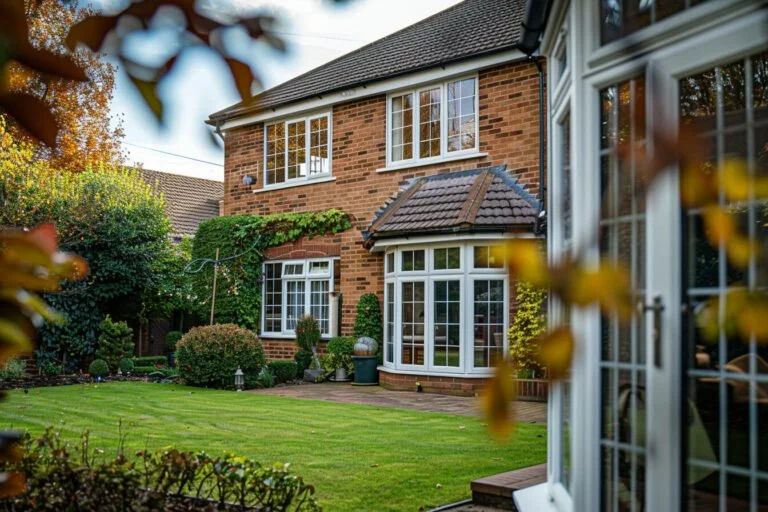
Selling a property quickly in the UK requires more than simply listing it online. In today’s competitive market, buyers are well-informed and selective, so success depends on pricing the property correctly, presenting it in the best possible condition, and using effective marketing strategies. Having legal paperwork prepared early can also prevent delays and help keep the process moving smoothly.
Many sellers aim for a fast sale due to reasons such as relocation, financial needs, or lifestyle changes. While speed is often a priority, it doesn’t mean accepting a lower price. Market conditions, location, and buyer demand all influence how quickly a property sells, so understanding buyer behaviour and setting a realistic price can significantly improve the chances of securing a quick and successful sale.
Table of Contents
Understanding the Local Property Market
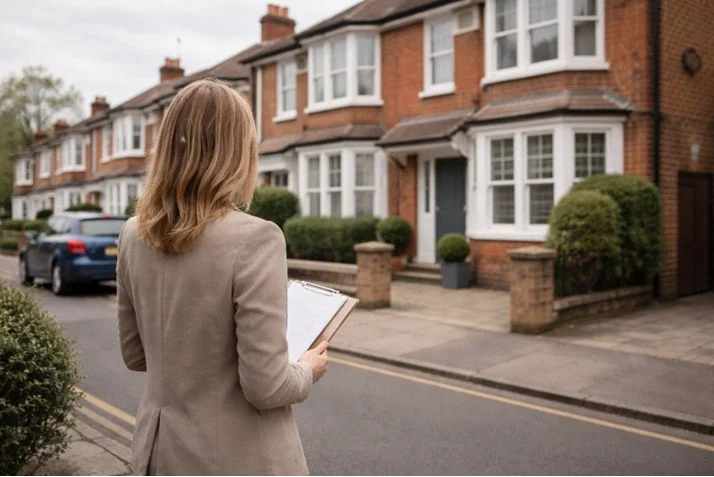
Before listing a property, it’s essential to understand the local housing market, as prices and buyer demand can vary significantly between areas even on neighboring streets. Setting a realistic asking price based on current market conditions helps sellers avoid overpricing, which is one of the most common reasons properties fail to attract early interest.
Homes that are priced too high often get overlooked, as buyers compare multiple listings and quickly dismiss those that seem poor value. Properties that sit on the market for too long can also develop a negative perception. Researching recently sold homes, rather than just active listings, and considering factors such as condition, size, location, and nearby amenities can provide a more accurate valuation and increase the chances of a faster, more successful sale.
Pricing the Property Correctly
Correct pricing is one of the most important factors in achieving a fast property sale. A competitively priced home often generates stronger interest, more viewings, and potentially multiple offers.
In some cases, pricing slightly below comparable market value can create urgency and increase competition among buyers. This strategy may even lead to offers exceeding expectations if multiple interested parties become involved.
Buyers are particularly cautious in uncertain economic conditions. Rising mortgage costs and affordability pressures mean many buyers now calculate long-term expenses carefully before making offers. A realistically priced home immediately appears more attractive and accessible.
Estate agents usually provide valuation estimates, but sellers should avoid relying solely on one opinion. Comparing several valuations helps create a more balanced understanding of realistic pricing.
First Impressions Matter
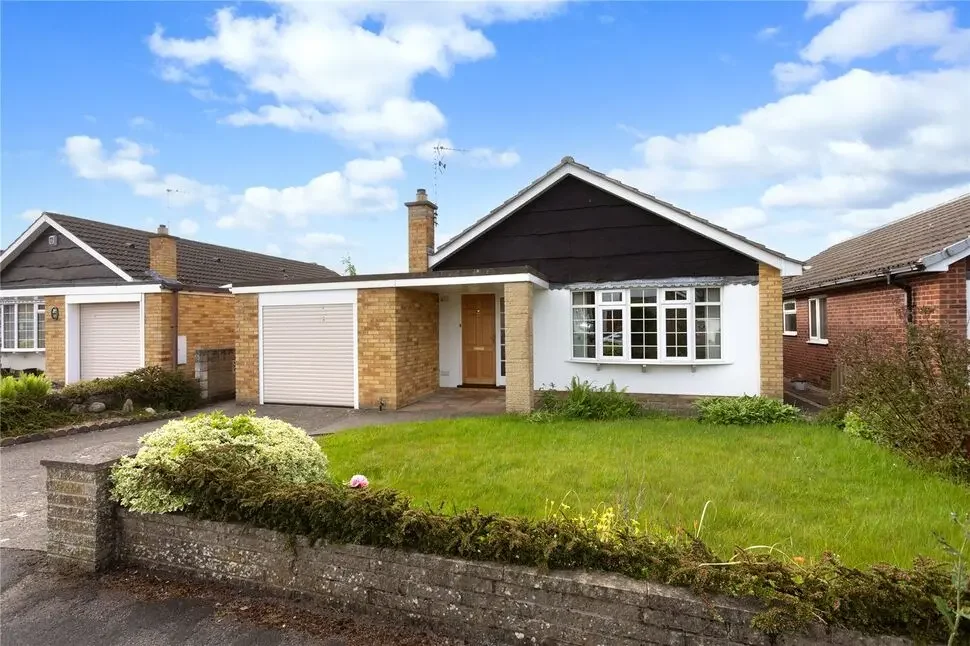
A property’s exterior plays a crucial role in attracting buyers, as first impressions are often formed before they even step inside. A clean, well-maintained appearance can instantly create a positive perception and encourage potential buyers to explore further, both online and during in-person viewings.
Simple improvements to curb appeal can have a strong impact without requiring major investment. Tasks such as cleaning driveways, tidying gardens, trimming hedges, repainting the front door, and repairing visible exterior damage can significantly enhance the overall look. Buyers often associate a well-kept exterior with a properly maintained interior, while a neglected outside can raise concerns about hidden issues. In addition, good lighting, clean windows, and a welcoming entrance can make the property feel more inviting and help it stand out in a competitive market.
Decluttering and Depersonalising the Interior
One of the fastest ways to improve a property’s presentation is by decluttering the interior. Buyers want to imagine themselves living in the home, and excessive personal belongings can make this more difficult.
Removing unnecessary furniture, excess decorations, and overcrowded storage areas helps rooms feel larger and brighter. Buyers are increasingly attracted to clean, organised, and functional living spaces.
Depersonalising also helps create broader appeal. Family photographs, highly personalised décor, bold colours, and unusual styling choices may distract buyers from focusing on the property itself.
Neutral interiors generally attract wider interest because they allow buyers to visualise their own furniture and lifestyle within the space.
Deep Cleaning the Property
Cleanliness has a major psychological impact during property viewings. Even attractive homes can lose buyer interest if they appear poorly maintained or untidy.
A thorough deep clean should include kitchens, bathrooms, carpets, windows, skirting boards, and storage areas. Particular attention should be paid to odours, as smells from pets, damp, smoke, or cooking can quickly discourage buyers.
Bathrooms and kitchens often influence purchasing decisions heavily because buyers recognise these rooms can be expensive to replace or renovate. Sparkling surfaces, fresh grout, clean appliances, and organised worktops help create a more positive impression.
Natural light also plays an important role. Opening curtains and blinds helps properties feel more spacious and inviting.
Carrying Out Minor Repairs
Small defects may appear insignificant to sellers, but buyers often interpret them as signs of wider maintenance problems. Simple repairs can therefore improve buyer confidence significantly.
Loose handles, dripping taps, cracked tiles, peeling paint, squeaking doors, damaged sealant, and faulty light fittings should ideally be fixed before marketing begins.
Many buyers prefer move-in ready homes because renovation and repair costs have increased considerably across the UK in recent years. Properties requiring less immediate work generally attract stronger interest and faster offers.
While major renovations are not always necessary, resolving visible maintenance issues helps reduce objections during viewings.
Professional Photography and Marketing
Most buyers begin their property search online, making high-quality photography extremely important. Poor photographs can dramatically reduce interest regardless of the property’s actual quality.
Professional images help showcase room sizes, lighting, layout, and key features far more effectively than basic phone pictures. Bright, wide-angle images generally perform best on property portals.
Well-written property descriptions are equally important. Buyers want clear, accurate information about the property, local area, transport links, schools, parking, outdoor space, and unique selling points.
Descriptions should focus on practical lifestyle benefits rather than exaggerated sales language. Buyers respond more positively to honest, informative marketing.
Floor plans are also highly valuable because buyers often use them to assess layout suitability before arranging viewings.
Choosing the Right Estate Agent
The estate agent plays a significant role in determining how quickly a property sells. An experienced local agent often understands buyer demand, pricing trends, and effective marketing strategies far better than national averages alone.
Sellers should compare agents carefully rather than automatically choosing the cheapest option. Important considerations include:
Local market knowledge
Marketing quality
Communication standards
Online visibility
Negotiation skills
Viewing management
Sales progression support
A proactive agent who communicates regularly and follows up with buyers efficiently can greatly improve sales momentum.
Online estate agents may offer lower fees, but traditional local agents sometimes provide stronger hands-on support and buyer relationships depending on the market.
Being Flexible With Viewings
Restrictive viewing availability can slow down a sale considerably. Buyers often work around busy schedules, and limited access may reduce opportunities.
Allowing evening and weekend viewings usually increases buyer activity. Keeping the property consistently clean and prepared for short-notice appointments can also improve flexibility.
During viewings, sellers should aim to create a calm and welcoming environment. Bright rooms, comfortable temperatures, and minimal noise distractions help buyers feel more relaxed.
Some buyers feel more comfortable viewing properties without the owner present because they can speak openly with the agent and inspect rooms more freely.
Preparing Legal Documents Early
One of the biggest causes of delays in UK property sales is incomplete legal preparation. Sellers who organise paperwork early often experience smoother and faster transactions.
Useful documents may include:
EPC certificate
Boiler service records
Building regulation approvals
Planning permission documents
Electrical certificates
Guarantees for building work
Leasehold information packs
Leasehold properties can take longer to sell because buyers and solicitors must review additional information relating to service charges, ground rent, management companies, and lease terms.
Preparing these documents in advance can reduce delays once a buyer is found
Understanding Buyer Psychology
Selling property is not purely financial. Buyer emotions often influence decisions heavily. Buyers want to feel confident, comfortable, and emotionally connected to a home.
Homes that feel bright, spacious, welcoming, and easy to maintain usually create stronger emotional responses.
Sellers should also recognise that buyers often look for reassurance. Signs of good maintenance, organised paperwork, and transparent communication help build trust throughout the process. Overly aggressive negotiation or unrealistic expectations can sometimes discourage otherwise serious buyers.
Considering Chain-Free Buyers
Property chains are one of the most common reasons UK property transactions experience delays or collapse entirely.
Cash buyers, first-time buyers, and chain-free purchasers are often highly attractive because their transactions typically involve fewer complications.
Although chain-free buyers may sometimes negotiate more firmly on price, the increased certainty and speed can be worthwhile for sellers prioritising a fast completion.
Buyers with mortgage agreements in principle and solicitors already instructed also tend to progress more quickly.
Selling to Property Buying Companies
Some sellers choose to use property buying companies for maximum speed. These companies often advertise the ability to purchase homes within days.
While this route may suit urgent situations, sellers should understand that offers are usually below full market value. Property buying companies typically prioritise speed and reduced risk over achieving the highest possible price.
This option may be suitable for sellers facing repossession, financial difficulties, inheritance complications, or urgent relocations.
However, sellers should research companies carefully and confirm there are no hidden fees or misleading valuation practices.
Negotiating Offers Effectively
Receiving an offer does not necessarily mean accepting immediately. Sellers should assess the overall strength of the buyer as well as the offered price.
Important factors include:
Chain position
Mortgage approval status
Deposit size
Flexibility on completion dates
Solicitor readiness
Financial reliability
Sometimes a slightly lower offer from a well-prepared buyer can lead to a smoother and faster completion than a higher but uncertain offer. Good communication during negotiations helps maintain momentum and reduce misunderstandings.
Avoiding Common Selling Mistakes
Several common mistakes can significantly delay property sales.
Overpricing is one of the most damaging issues because it reduces initial buyer interest. Poor presentation, weak photography, lack of flexibility with viewings, and slow responses to enquiries can also discourage buyers.
Some sellers ignore necessary repairs or become overly emotionally attached during negotiations. Others delay legal preparation, which can create complications later in the transaction.
Remaining realistic, organised, and responsive throughout the process generally improves the chances of securing a successful sale quickly.
The Importance of Communication
Strong communication between sellers, estate agents, solicitors, and buyers helps maintain progress throughout the transaction.
Delays often occur when paperwork, enquiries, or financial information are not handled promptly.
Responding quickly to requests, remaining accessible, and maintaining regular updates can reduce frustration and help keep buyers committed.
Buyers often become nervous during long periods of silence, particularly when chains or mortgage approvals are involved.
Final Thoughts
Selling a house quickly in the UK requires preparation, realistic pricing, effective marketing, and strong organisation throughout the entire process. Buyers today are highly informed and often compare multiple properties before making decisions, meaning presentation and value are more important than ever.
Properties that are clean, well-maintained, competitively priced, and legally prepared generally attract the strongest interest and progress more smoothly through the sales process. Flexibility, communication, and understanding buyer priorities also play major roles in securing faster transactions.
While every property market behaves differently depending on location and economic conditions, sellers who approach the process strategically usually place themselves in the strongest position to achieve both speed and value.
Curious about how your local housing market is performing? Speak to Armaani Estates today.
FAQs
How quickly can you sell a house in the UK?
Some properties sell within days, while others may take several months. Pricing, location, condition, and market demand all influence timescales.
What is the fastest way to sell a property?
Correct pricing, strong presentation, professional marketing, and accepting chain-free buyers often help achieve the fastest sales.
Should I renovate before selling?
Minor repairs and cosmetic improvements can help, but major renovations are not always necessary unless the property is in very poor condition.
Do clean houses sell faster?
Yes. Clean, organised, and well-presented homes usually create better first impressions and attract more buyer interest.
Can I sell my house without an estate agent?
Yes. Private sales are possible, although many sellers use estate agents for marketing, negotiations, and sales progression support.
Does EPC rating affect selling speed?
Yes. Buyers increasingly consider energy efficiency due to rising utility costs, making stronger EPC ratings more attractive.
