
Best Time to Sell Property in the UK

Selling a property is one of the most important financial decisions many homeowners make. Whether you are upsizing, downsizing, relocating for work, or selling an investment property, choosing the right time to put your home on the market can have a major impact on the final sale price and the speed of the transaction.
The UK property market changes throughout the year. Buyer demand fluctuates depending on seasonal trends, mortgage rates, economic confidence, school terms, and even weather conditions. While properties can sell at any time of year, some periods consistently perform better than others.
For homeowners in areas such as Bradford and Leeds, understanding these market patterns can help improve visibility, attract motivated buyers, and reduce the time a property spends on the market. Although there is no single “perfect” month that works for every seller, there are clear seasonal advantages that can make the selling process smoother and more profitable.
Table of Contents
Why Timing Matters When Selling Property
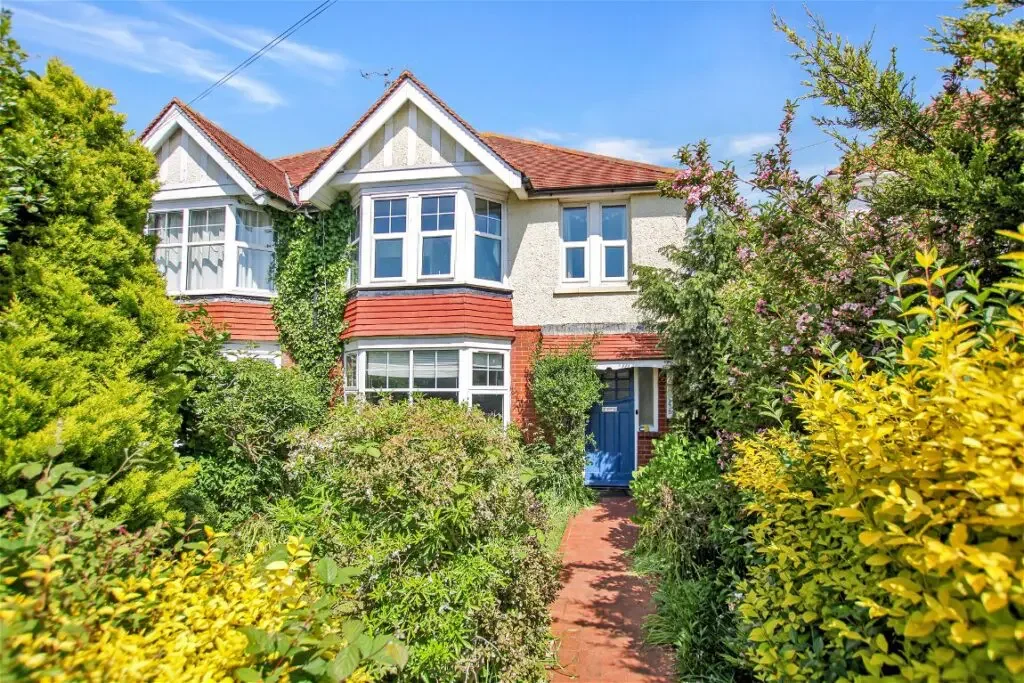
Timing plays a significant role in the success of a property sale. The housing market is influenced by buyer psychology, economic conditions, and lifestyle patterns, all of which change throughout the year.
Listing a property during a strong market period can lead to:
More property enquiries
Increased viewing requests
Faster offers
Greater competition between buyers
Higher selling prices
Reduced negotiation pressure
On the other hand, selling during a slower season may mean fewer viewings, longer waiting times, and more pressure to reduce the asking price. The timing of a sale can also influence the type of buyers who show interest. For example, families often search for homes before the school year begins, while investors may look for opportunities during quieter periods when competition is lower.
Many sellers focus only on property value, but understanding market timing can be equally important. A well-timed listing can create urgency among buyers and improve the overall selling experience.
Spring: The Strongest Season for Selling Property
Spring is widely regarded as the best time to sell property in the UK. Between March and May, the market typically experiences a surge in activity after the quieter winter period.
The combination of longer daylight hours, improving weather, and renewed buyer motivation makes spring highly attractive for sellers.
Increased Buyer Demand
One of the biggest advantages of spring is the increase in active buyers. Many people begin searching for new homes after the New Year, especially once financial planning and mortgage approvals are in place.
Buyers often feel more optimistic during spring, which can encourage quicker decision-making and stronger offers.
Homes Look More Attractive
Properties naturally appear more appealing during the spring months. Gardens begin to bloom, natural sunlight improves interior spaces, and outdoor areas become more inviting.
This is particularly important for family homes where outdoor space is a key selling feature.
Natural light also improves property photography, helping listings stand out on property websites and social media platforms.
Better Conditions for Viewings
Longer evenings give buyers more flexibility for property viewings after work hours. Good weather also encourages people to attend more viewings and explore neighbourhoods properly.
Because of these factors, spring often creates the ideal environment for successful property sales.
Summer Property Market Trends

Summer can still be a good time to sell, especially in June. However, Rightmove notes that activity often slows during the summer holidays, when buyers and sellers are away, so expect a steadier pace than in spring.
Families with children are especially active during the summer because they want to move before the new academic year begins in September.
Excellent Natural Lighting
Bright weather and longer days help homes feel more spacious and welcoming. Rooms filled with natural light tend to leave stronger impressions on buyers.
Outdoor Features Become Selling Points
Gardens, patios, balconies, conservatories, and outdoor entertaining spaces become highly desirable during warm weather. For properties in suburban areas of Bradford or Leeds, well-maintained gardens can significantly increase buyer interest during the summer months.
Buyers Have More Time
Many buyers take annual leave during the summer, giving them extra time to attend viewings, arrange surveys, and progress transactions.
Autumn: An Underrated Time to Sell
Autumn is often overlooked, but it can actually be one of the most effective periods for selling property in the UK.
Buyer activity usually picks up again from September through to early November, after the summer holiday season.Motivated Buyers Return to the Market
Many buyers who paused their property search during summer return in autumn with greater urgency. Some may have missed out on earlier purchases and are now determined to secure a home before winter.
This often creates a market filled with serious and motivated buyers.
Less Competition from Sellers
While many homeowners prefer listing in spring, autumn sometimes has fewer new properties entering the market. Reduced competition can help your property gain more visibility and attract stronger attention from buyers.
Comfortable Viewing Conditions
Autumn weather is generally mild enough for pleasant viewings, while natural light remains relatively good compared to winter months. Properties can also feel warm and cosy during autumn, helping buyers emotionally connect with the home.
Buyers Want to Complete Before Christmas
Some buyers hope to complete their move before the Christmas period. This can create urgency and encourage faster decision-making. For many sellers, autumn offers an excellent balance between buyer motivation and manageable market competition.
Winter: Challenges and Opportunities
Winter is traditionally considered the slowest season for property sales in the UK. Activity usually slows in November and December due to cold weather, shorter daylight hours and holiday distractions, and then picks up quickly after Christmas, with a surge in online property searches from Boxing Day. However, winter is not necessarily a bad time to sell.
Serious Buyers Remain Active
People searching for property during winter are often highly committed. These buyers may need to relocate quickly due to work, family, or financial reasons. Because of this, winter buyers are sometimes more decisive than casual spring browsers.
Lower Competition
Fewer properties are listed during winter, which can help a home stand out. If a property is presented well, it may attract stronger attention simply because buyers have fewer alternatives available.
Cosy Interior Atmosphere
Warm lighting, comfortable furnishings, fireplaces, and seasonal décor can make homes feel welcoming during winter viewings. Creating a cosy environment can help buyers emotionally connect with the property.
Best Months to Sell Property in the UK
Although every property market behaves differently depending on local demand, economic conditions, and buyer confidence, certain months of the year consistently show stronger activity levels across the UK housing market. Seasonal trends often influence when buyers begin searching for homes, arrange mortgage approvals, and schedule viewings, which directly impacts the speed and competitiveness of sales. Understanding these monthly patterns can help sellers choose a more favourable time to list their property and improve their chances of achieving a successful sale at the best possible price.
By recognising when demand typically rises or slows down, homeowners can better align their marketing strategy, presentation, and pricing approach with real buyer behaviour rather than guesswork.
What the Data Shows
Rightmove’s analysis of listings from 2014 to 2024 (excluding 2020) gives a useful guide to how timing affects the chance of finding a buyer:
Homes listed in February were the most likely to find a buyer (68.9%), closely followed by January and March (68.8%) and April (68.7%).
January listings found a buyer fastest, in 47 days on average, with February close behind at 48 days.
March is traditionally the busiest month for buyer activity.
October listings were the least likely to find a buyer, at 65.4%.
The gap between the best and worst months is only a few percentage points, so the right asking price and good presentation matter more than the month you choose.
March and April
These months are often considered the strongest for launching property listings. Buyer demand rises sharply after winter, and homes benefit from improved weather and lighting.
May and June
The market remains active, especially among families preparing for summer moves.
September and October
Autumn can be a good selling window, particularly for motivated buyers who want to move before the end of the year. However, Rightmove’s data shows October listings are slightly less likely to find a buyer than those listed early in the year (65.4% compared with 68.9% in February).
Quietest Months
November and December are usually the slowest months because of Christmas preparations and reduced market activity, and
Local Market Conditions Matter
National housing trends are important, but local property markets often behave differently.
In cities like Bradford and Leeds, factors such as employment growth, university populations, infrastructure investment, and transport links can significantly influence buyer demand.
Bradford Property Market Trends
Bradford continues attracting buyers seeking more affordable housing compared to larger UK cities. Family homes in well-connected neighbourhoods often perform strongly during spring and summer.
Leeds Property Market Trends
Leeds has a growing economy and strong rental demand, making it attractive to both homeowners and investors. Apartments and city-centre properties may experience more consistent year-round interest.
Understanding local demand patterns can help sellers choose the most effective listing period for their specific property type.
Economic Factors That Influence Selling Conditions

The property market is closely tied to the wider economy, and even small economic changes can have a noticeable impact on buyer behaviour, property prices, and the speed of sales. During periods of economic uncertainty, however, buyers may become more cautious, leading to slower market activity and increased price negotiations.
Understanding economic conditions is important for sellers because these factors can directly influence demand, mortgage affordability, and overall market confidence.
Is Now the Right Time to Sell?
For most homeowners, personal circumstances matter more than market timing. A new job, a growing family, a change in finances or the right onward property are usually better reasons to sell than trying to predict the market. Before deciding, work out what you would realistically receive after selling costs and what your next move will cost, including stamp duty if you are buying again.
As at early October 2026, the latest official figures show modest growth. Average prices rose 1.4% across the UK and 3.0% in Yorkshire and the Humber in the year to July 2026, while the average Bradford home rose 2.5% to about £183,000 (UK House Price Index, provisional). The Bank of England held Bank Rate at 3.75% on 17 September 2026, and Rightmove reports an average two-year fixed mortgage rate of 5.29%. Rightmove also reports that buyer demand is 9% lower than a year ago and the number of homes for sale is at a 12-year high, so buyers have plenty of choice.
In this kind of market, pricing realistically from the start matters most. Rightmove found that 74% of homes sold so far in 2026 were priced right first time and needed no reduction. Our guides on how to price your property correctly and how long it takes to sell a house in Bradford explain what to expect.
p>If you are unsure about selling, letting the property is an alternative, but the rules changed on 1 May 2026. Most private tenancies in England are now periodic, section 21 ‘no fault’ evictions have ended, and rent can only be increased once a year using the formal process. Rental income is taxable, and if the property stops being your main home you may have Capital Gains Tax to pay when you eventually sell.
Conclusion
The best time to sell property in the UK depends on seasonal demand, local market conditions, economic trends, and individual circumstances. Spring and early summer generally provide the strongest opportunities due to increased buyer activity, improved weather, and better property presentation conditions. Autumn also offers excellent selling potential, particularly for motivated buyers looking to move before the end of the year.
However, successful property sales are not determined by timing alone. Pricing strategy, professional marketing, presentation quality, and understanding buyer behaviour are equally important.
For homeowners in Bradford, Leeds, and across the UK, understanding how the property market changes throughout the year can help maximise both sale price and transaction speed. By preparing carefully and choosing the right time to list, sellers can improve their chances of attracting serious buyers and achieving a successful outcome.
Need expert advice on timing the UK property market? Contact Armaani Estates now.
FAQs
What is the best season to sell property in the UK?
Spring is generally considered the best season because buyer demand is highest and homes usually look more attractive.
Is autumn a good time to sell a house?
Yes. Autumn often attracts serious buyers who want to complete purchases before winter or Christmas.
Which month is usually the slowest for property sales?
November and December are typically the quietest months due to Christmas and reduced buyer activity, although activity picks up quickly after Christmas.
Does weather affect house sales?
Yes. Bright weather improves photography, viewing experiences, and overall buyer perception.
Should I renovate before selling?
Minor cosmetic improvements can help, but major renovations should be carefully evaluated based on potential return on investment.
How long does it usually take to sell a property?
Rightmove’s September 2026 figures show it takes around 64 days on average to find a buyer, and about seven months in total from listing to completion, although well-priced homes with no chain can move faster.
Do local property markets behave differently?
Yes. Buyer demand and seasonal trends vary between cities, neighbourhoods, and property types.
Is now a good time to sell my house?
It depends more on your circumstances than on the market. Prices are still rising modestly in Yorkshire and the Humber, but buyers have more choice than a year ago, so a realistic asking price and good presentation are essential.
Should I sell or rent out my property?
Letting can bring an income and keep you on the property ladder, but it comes with tax, legal duties and management costs. Since 1 May 2026 most tenancies in England are periodic and section 21 evictions have ended, so it is worth getting advice on both options before deciding.
