
Should You Renovate Before Selling Your House UK?
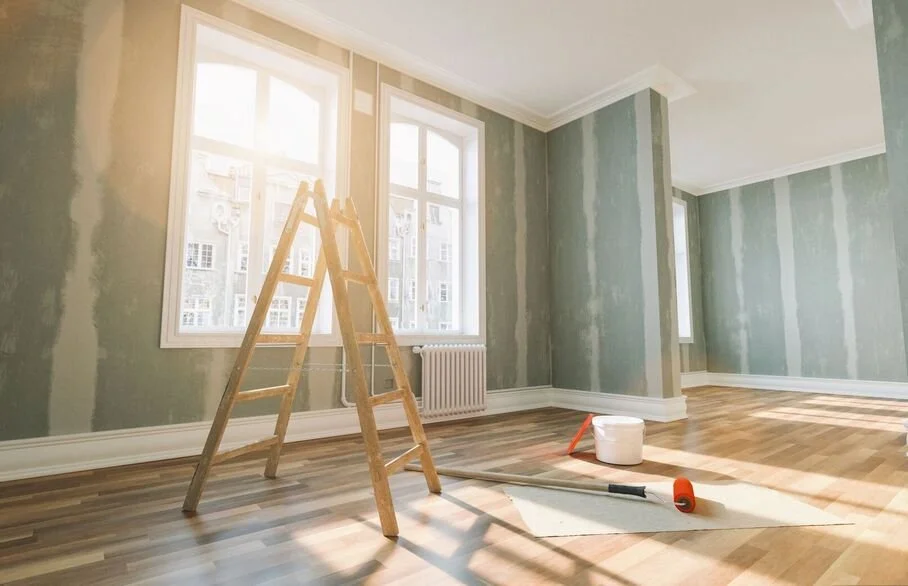
Selling a property is a major financial decision, and most homeowners aim to achieve the best possible price in the shortest time. A common question is whether to renovate before selling or list the property as it stands. In the UK market, the answer isn’t always simple, as it depends on factors such as location, property condition, buyer demand, local competition, and overall market trends.
Some renovations can significantly boost appeal and help a property sell faster, while others may cost more than the value they add. In some cases, major works can delay the sale or reduce overall profit, making it important to focus only on improvements that offer a clear return.
Modern buyers are increasingly focused on energy efficiency, practicality, and move-in ready homes. With rising labour and material costs, along with tighter affordability, sellers need to carefully assess whether renovations will genuinely improve the sale outcome or simply create additional expense and stress.
Table of Contents
Understanding Why Renovations Influence Buyers
First impressions play a major role in property sales. Buyers often form opinions within minutes of arriving at a property, and those initial impressions can strongly influence their willingness to make an offer. A home that appears modern, clean, bright, and well-maintained generally creates more buyer confidence than one showing visible signs of neglect or unfinished work.
Many buyers today prefer properties requiring little immediate work because renovation costs across the UK have increased substantially. Labour shortages, expensive building materials, and rising living costs have made buyers more cautious about taking on large projects after purchase. Even relatively small maintenance concerns can sometimes discourage buyers who are already stretching their budgets to secure mortgage approval.
However, this does not automatically mean every property requires expensive renovation before selling. In many cases, buyers simply want reassurance that the property has been looked after properly. Cleanliness, functionality, and presentation often matter more than luxury finishes or high-end upgrades.
Buyer Psychology Matters
Property buying is not purely financial. Emotional reactions influence purchasing decisions heavily. Buyers often imagine their future lifestyle while viewing homes, which means presentation can affect how emotionally connected they feel to a property.
Fresh paint, uncluttered rooms, natural lighting, and modern décor can help buyers visualise themselves living in the home more easily. On the other hand, outdated interiors, strong personal styling, or visible damage can make buyers focus more on future costs and inconvenience rather than the property’s positive features.
Market Expectations Differ by Area
Renovation expectations vary significantly depending on the location and property type. In highly competitive areas where buyers expect modern interiors, an outdated property may struggle unless priced accordingly. Meanwhile, in some areas buyers actively seek renovation opportunities because they hope to add value themselves after purchase.
Properties in premium neighbourhoods often benefit more from cosmetic improvements because buyers in higher price brackets usually expect stronger presentation standards. In contrast, first-time buyer markets are often driven more by affordability and practicality than luxury finishes.
Which Renovations Add the Most Value?
Not all renovations produce equal returns. Some improvements increase buyer appeal significantly, while others may never recover their full cost during resale. Sellers should therefore focus on renovations that improve presentation, functionality, and buyer confidence rather than overly personalized upgrades.
Kitchens and bathrooms are usually among the most influential rooms during property viewings. Buyers often pay close attention to these areas because they recognize renovation costs can be expensive. However, completely replacing kitchens or bathrooms before selling is not always necessary.
Minor upgrades such as repainting cabinets, replacing handles, improving lighting, repairing damaged tiles, or refreshing sealant can often improve presentation considerably without requiring a full renovation. Neutral colors and practical layouts generally appeal to the widest range of buyers.
Energy efficiency improvements are also becoming increasingly important across the UK housing market. Buyers are now far more conscious of utility bills due to rising energy costs. Double glazing, loft insulation, modern boilers, and strong EPC ratings can all positively influence buyer decisions.
Cosmetic Improvements Often Deliver Strong Returns
Cosmetic improvements are usually among the safest investments before selling because they improve presentation without excessive cost. Fresh paint, modern flooring, clean carpets, improved lighting, and tidy gardens can all make properties feel more attractive and move-in ready.
Simple improvements can also help properties photograph better online. Since most buyers begin searching online, attractive photographs play a huge role in generating viewing enquiries.
Major Structural Renovations Carry More Risk
Large-scale renovations such as extensions, loft conversions, or complete remodels involve much greater financial risk. While these projects may increase property value in some situations, they also require substantial time, planning, and investment.
If the local market does not fully support the added value, sellers may struggle to recover renovation costs completely. In slower markets, buyers may simply compare the renovated property against cheaper alternatives nearby rather than paying a significant premium.
For sellers aiming for speed rather than maximum long-term value, major renovations are often less practical before selling.
Renovation Costs vs Potential Return
One of the biggest mistakes sellers make is assuming that every pound spent on renovations automatically increases property value by the same amount. In reality, renovation returns vary significantly depending on buyer demand and market conditions.
The table below provides a general overview of how common renovations are often viewed by UK buyers.
Sellers should also consider whether renovation costs could instead be reflected through realistic pricing. Sometimes reducing the asking price slightly may attract more buyers than investing heavily in improvements that do not match buyer preferences.
Over-Improvement Can Be a Problem
Over-renovating for the local area can reduce financial returns. Buyers generally compare homes against nearby alternatives, which means excessively expensive upgrades may not be fully appreciated if surrounding properties are priced much lower.
For example, installing luxury designer kitchens in mid-range family areas may not generate enough additional value to justify the expense. Buyers may appreciate the upgrades but still remain limited by mortgage affordability and local pricing ceilings.
When Selling Without Renovating Makes More Sense
There are many situations where selling without major renovations is actually the better decision. Some properties naturally attract buyers seeking renovation opportunities, investors, landlords, or developers.
If a property requires extensive structural repairs, outdated wiring, damp treatment, or major refurbishment, sellers may struggle to complete renovations cost-effectively before selling. In such cases, pricing the property realistically may produce a faster and more practical outcome.
Older homeowners downsizing or families managing inherited properties may also prefer avoiding the stress, delays, and uncertainty associated with major building work.
Time Constraints Can Influence Decisions
Renovations often take longer than expected. Delays involving contractors, materials, planning permissions, or unexpected repair issues can postpone property listings significantly. Sellers needing a quick move may therefore benefit more from focusing on presentation rather than extensive upgrades.
In changing market conditions, delaying a sale for months while renovations are completed may also expose sellers to falling buyer demand or shifting mortgage rates.
Investors Often Prefer Unrenovated Properties
Some buyers actively seek homes requiring improvement because they want to renovate according to their own tastes or investment plans. These buyers may not value freshly completed renovations as highly as owner-occupiers because they intend to alter the property anyway.
Properties in high-demand development areas may therefore still attract strong interest even without upgrades.
The Importance of Presentation Over Perfection
One of the biggest misconceptions among sellers is believing a property must look perfect before listing it for sale. In reality, buyers generally understand that most lived-in homes will show signs of normal use.
What matters more is whether the property feels clean, functional, bright, and well cared for. Small presentation improvements often create far greater impact than expensive renovations.
Deep cleaning kitchens and bathrooms, decluttering rooms, organising storage areas, and improving lighting can dramatically improve how buyers perceive a property. Neutral styling also allows buyers to imagine their own furniture and lifestyle within the home.
Outdoor Areas Matter More Than Many Sellers Realise
Gardens, patios, and exterior spaces have become increasingly important to UK buyers, particularly since lifestyle priorities shifted towards home comfort and outdoor living.
Simple garden maintenance such as mowing lawns, trimming hedges, pressure washing patios, and removing clutter can improve buyer impressions significantly. Buyers often associate neglected outdoor areas with wider maintenance concerns throughout the property.
Storage and Space Perception Are Important
Modern buyers place strong emphasis on practical storage and usable space. Overcrowded rooms can make properties appear smaller than they actually are.
Removing unnecessary furniture and organising storage areas helps create a greater sense of space. Buyers are far more likely to respond positively to bright, open, functional environments.
How Renovations Affect Selling Speed
In many situations, moderate renovations can improve selling speed more than they improve final selling price. Move-in ready homes generally attract wider buyer interest because many buyers want to avoid additional costs after purchase.
Properties that feel modern, practical, and easy to maintain often generate more viewings and stronger offers compared to homes requiring obvious repairs.
However, sellers should balance this against renovation timescales. Delaying a property launch for months while completing upgrades may not always produce overall financial benefits, especially if market conditions weaken during that period.
Mortgage Buyers Can Be More Cautious
Mortgage lenders and surveyors may highlight serious defects during the buying process. Properties with obvious maintenance issues can therefore create problems during surveys, potentially leading to renegotiations or collapsed sales.
Addressing major visible issues beforehand can sometimes reduce these risks and help transactions progress more smoothly.
Competitive Markets Require Stronger Presentation
In slower or highly competitive markets, presentation becomes even more important because buyers have greater choice. Renovated or well-presented homes may therefore gain a clear advantage over competing listings.
Conversely, in extremely strong seller markets, even outdated properties may attract substantial interest quickly due to limited supply.
Should You Renovate Before Selling in 2026?
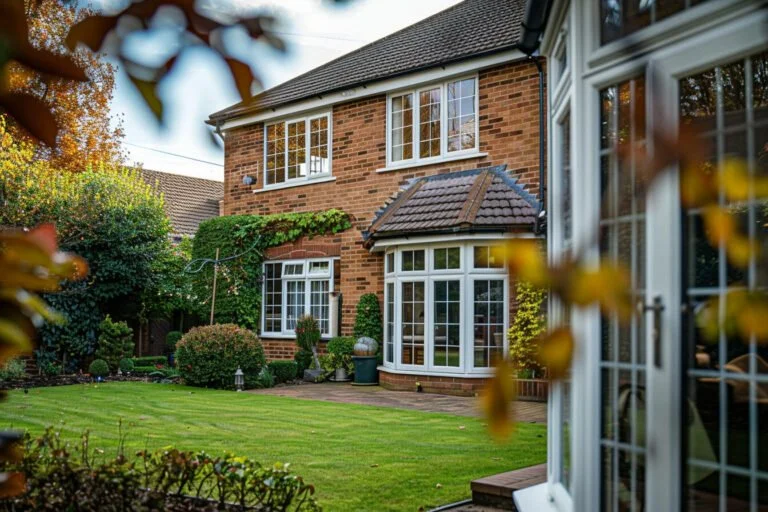
The answer ultimately depends on the condition of the property, local market expectations, budget, and selling priorities. In most cases, moderate cosmetic improvements and strong presentation offer the best balance between cost and return.
Expensive renovations should generally only be considered when there is strong evidence they will significantly improve buyer demand or sale value within that specific local market. Sellers should avoid making emotional renovation decisions without considering financial realities and buyer expectations.
Today’s UK buyers are increasingly practical. They care about energy efficiency, maintenance costs, functionality, and overall value rather than purely luxury finishes. Homes that feel clean, organised, bright, and well-maintained usually create the strongest impressions regardless of whether they are newly renovated.
For sellers prioritising speed, focusing on pricing, presentation, and organisation is often more effective than attempting major redevelopment projects before listing the property.
Conclusion

Deciding whether to renovate before selling a house in the UK requires careful consideration of costs, market conditions, buyer expectations, and overall selling goals. While certain improvements can increase buyer interest and potentially improve property value, not every renovation delivers a worthwhile financial return.
Cosmetic upgrades such as painting, decluttering, cleaning, and minor repairs are often the most effective ways to improve presentation without excessive expense. Kitchens, bathrooms, energy efficiency, and outdoor presentation also continue influencing buyer decisions strongly across the UK housing market.
However, major renovations can sometimes create unnecessary delays, financial pressure, and uncertainty, particularly if local market values do not fully support the investment. In many cases, realistic pricing combined with strong presentation produces better overall results than extensive building work.
Ultimately, sellers should focus on understanding what buyers in their local market truly value. A clean, well-maintained, practical, and competitively priced home will usually attract far stronger interest than a heavily renovated property that exceeds local buyer expectations or affordability levels.
Need expert guidance on which upgrades really boost your property price? Contact Armaani Estates now.
FAQs
Should I fully renovate my house before selling in the UK?
Not necessarily. Minor cosmetic improvements and repairs are often more cost-effective than major renovations, especially if the property is already structurally sound.
What adds the most value when selling a house?
Kitchens, bathrooms, energy efficiency improvements, fresh decoration, and strong curb appeal usually have the greatest influence on buyers.
Do buyers prefer move-in ready homes?
Yes. Many buyers prefer properties requiring minimal immediate work because renovation costs in the UK have increased significantly.
Is it worth repainting before selling?
Fresh neutral paint can improve brightness, presentation, and buyer appeal relatively cheaply, making it one of the most effective pre-sale improvements.
Can renovations help a house sell faster?
Well-presented homes often attract more viewings and stronger offers, which can improve selling speed depending on local market conditions.
Should I replace my kitchen before selling?
A full replacement is not always necessary. Smaller upgrades and cosmetic improvements can often provide better value for money.
Are old bathrooms a problem when selling?
Outdated bathrooms may reduce buyer appeal, but cleanliness, functionality, and good maintenance often matter more than luxury finishes.
Do I need planning permission documents when selling?
Yes, if major works or extensions were completed previously, buyers and solicitors will usually want to review planning approvals and building regulation certificates.
