
How to Value Your House in the UK Properly

Valuing your home isn’t just about picking a number, it’s about understanding the true position of your property within an ever-changing UK housing market. Whether you’re planning to sell, remortgage, invest, or simply want a clearer picture of your financial standing, an accurate valuation can have a significant impact on your decisions and long-term outcomes. Set the price too high, and you risk putting off serious buyers and prolonging your time on the market; price it too low, and you could lose out on thousands of pounds in potential value.
A property’s worth is shaped by multiple factors, including location, recent comparable sales, property condition, local demand, and broader economic conditions. Seasonal trends, buyer sentiment, and interest rates can all influence how much your home is truly worth at any given time. Without a clear understanding of these elements, it’s easy to misjudge your property’s value and make decisions that don’t fully maximise your position. Taking the time to assess your home properly ensures you stay competitive, attract the right level of interest, and protect the value of one of your most important assets.
Table of Contents
A Smart Approach to Valuing Your Home
Valuing your home accurately is a crucial first step in the selling process. Rather than relying on guesswork, a smart approach involves analysing local market trends, comparing similar properties, and understanding what today’s buyers are willing to pay. Setting the right price from the outset can attract more interest, reduce time on the market, and help you achieve a stronger final sale price.
It’s also important to balance objectivity with insight. While online estimates and recent sales data provide a useful starting point, factoring in your property’s unique features, condition, and location will give a more realistic valuation. Taking a well-informed, strategic approach ensures you position your home competitively in the market.
Why Accurate House Valuation Matters in the UK
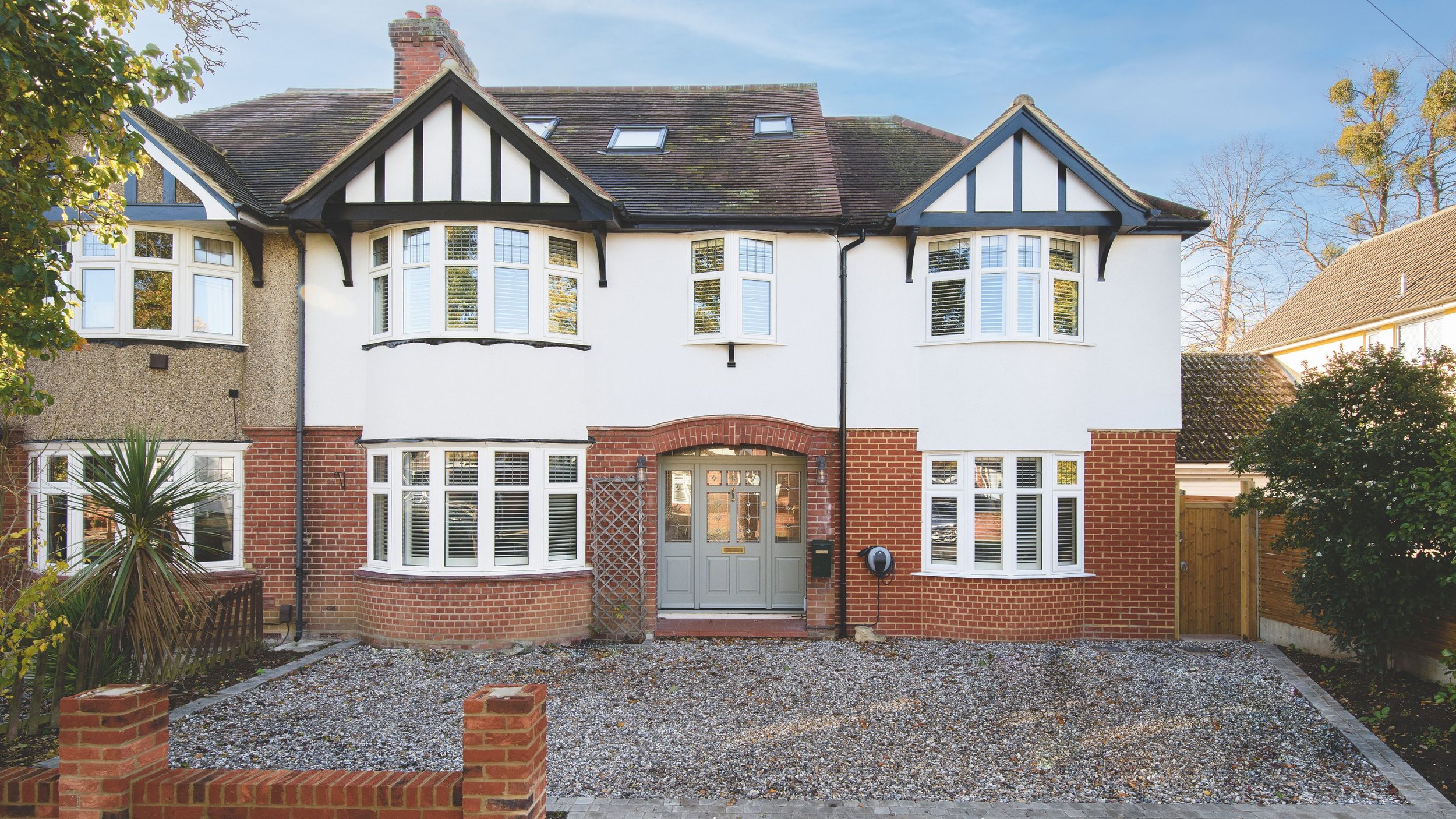
A property is typically the largest single investment most people ever make. In the UK, where transaction costs such as Stamp Duty Land Tax, legal fees, and moving expenses can run into thousands of pounds, overvaluing or undervaluing your home carries real risks.
Overvaluing can leave your property lingering on the market, becoming “stale” and eventually selling for less than it should. Undervaluing means leaving money on the table, potentially tens of thousands of pounds that could fund your next move, retirement, or family needs. Valuations also matter for other life events: equity release, divorce settlements, probate, insurance coverage, and securing mortgages.
The UK market is data-rich but fragmented. Tools like Rightmove and Zoopla provide useful starting points, yet they rely on algorithms that cannot fully account for a property’s unique condition, recent improvements, or subtle location nuances. Professional valuations follow rigorous standards, particularly those set by the Royal Institution of Chartered Surveyors (RICS), often called “Red Book” valuations for their formal compliance.
Key Risks of Incorrect Valuation
Incorrect property valuation can have a direct impact on both your sale outcome and overall financial return. Overpricing a property may initially seem beneficial, but it often leads to extended time on the market, reduced buyer interest, and eventual price drops sometimes below the property’s true value. This can also create a negative perception among buyers, making the property appear undesirable.
Conversely, undervaluing can generate quick interest and multiple offers, but at the cost of leaving substantial money on the table. In competitive markets, this could mean losing tens of thousands in potential profit.
There are also broader strategic risks. Inaccurate valuations based on poor data or unsuitable comparables can distort your pricing strategy, while listing at the wrong time in the market cycle can reduce demand and negotiating power. Altogether, an incorrect valuation doesn’t just affect price it can delay your sale, weaken your position, and ultimately cost you more than expected.
The Main Methods of Valuing a Property in the UK
Professional valuers and experienced estate agents primarily use several established approaches. The most suitable method depends on the property type and purpose of the valuation.
The Comparative Method (Sales Comparison Approach)
This is by far the most common and reliable method for residential properties in the UK. It involves analysing recent sales of similar properties (“comps”) in the same or very nearby areas, then adjusting for differences in size, condition, features, and location.
For example, if a three-bedroom semi-detached house on your street sold for £220,000 six months ago, your similar property might be valued close to that figure. Adjustments would then be made: +£10,000 for a modern kitchen, -£5,000 for needing a new roof, or +£15,000 for a larger garden or better school catchment.
Success depends on good local data. In Bradford, agents at Armaani Estates maintain detailed records of sales across areas like Heaton, Eccleshill, Shipley, and the city centre. We don’t just look at headline prices; we examine actual achieved sale prices from HM Land Registry, adjusted for current market conditions.
The Cost (Contractor’s) Method
This calculates what it would cost to rebuild the property from scratch (materials and labour) plus the land value, then deducts depreciation for age and wear. It is more common for unique or non-residential properties where few comparables exist, such as period buildings or new builds with limited sales history. In residential cases, it serves as a supporting check, especially after major extensions.
The Income Method
Primarily used for buy-to-let or investment properties, this values the home based on its rental income potential. Techniques include the Gross Rent Multiplier or capitalising net rental income at an appropriate yield rate. In Bradford’s strong rental market, supported by students, young professionals, and families, this method helps landlords understand both capital value and yield. Typical yields in parts of Bradford can be attractive compared to more expensive northern cities.
Automated Valuation Models (AVMs)
Online tools from Zoopla, Rightmove, and others use algorithms, Land Registry data, and broad trends to generate instant estimates. These are convenient starting points but often lack precision. They may not reflect recent renovations, internal layout quality, or micro-location differences (for instance, one side of a road versus another in Bradford). Professionals treat AVMs as a guide only, never a substitute for inspection and local knowledge.
Residual Method
Mainly for development sites, this subtracts development costs and profit margin from the expected sale value of the completed project to find the land or existing property’s value.
In practice, for most Bradford homeowners, the comparative method forms the core, supported by professional insight and, where needed, a formal RICS valuation.
Key Factors That Influence Your House Value
No two properties are identical, even on the same street. Valuers consider a wide range of elements:
Location
Often cited as the single biggest factor. In Bradford, values vary markedly between neighbourhoods. Areas with strong school catchments, good transport links to Leeds or Manchester, or regeneration investment (such as around the city centre or Saltaire) tend to command premiums. Proximity to parks, shops, and low crime rates adds value, while busy roads or industrial zones can detract.
Bradford benefits from ongoing regeneration, population growth, and relative affordability, which support steady demand. Properties near excellent transport hubs or in family-friendly suburbs like Heaton often outperform the city average.
Size and Layout
Square footage, number of bedrooms and bathrooms, and how well space flows matter enormously. A well-planned four-bedroom house usually outperforms a larger but awkwardly laid-out property. Garages, conservatories, and usable loft space add measurable value.
Age, Condition, and Maintenance
Newer properties or those recently updated with modern kitchens, bathrooms, and heating systems attract higher offers. Older Bradford terraces or semis with original features can appeal to buyers seeking character, but poor maintenance, damp, outdated wiring, or a leaking roof can significantly reduce value and deter buyers.
Property Type
Detached homes generally achieve the highest prices, followed by semis, terraces and flats.
Extensions, Renovations, and Improvements
High-quality additions like loft conversions or kitchen-diners can add value, but the return varies and may not cover the full cost. However, poorly executed work or non-compliant extensions (lacking building regulations) can harm value. Energy-efficiency upgrades, such as insulation, double glazing, or solar panels, are increasingly important due to buyers’ awareness of running costs and EPC requirements.
Energy Performance Certificate (EPC)
Most privately rented homes must currently have an EPC rating of at least E, and the government has confirmed plans to raise this to the equivalent of C by 1 October 2030. Together with growing buyer interest in lower bills, this is making better ratings more valuable. A poorly rated G home may need costly upgrades before sale.
Market Conditions and Timing
Broader factors include interest rates, economic confidence, inflation, and local supply and demand. In 2026, the UK market shows modest growth, with northern regions like Yorkshire and the Humber performing relatively well. In Bradford, annual price growth has ranged from about 2.5% to 6% during 2026 (UK House Price Index), supported by affordability.
Seasonality also plays a role; spring and early autumn often see stronger activity.
Legal and Tenure Factors
Freehold versus leasehold (and remaining lease length) matters, especially for flats. Any restrictions, disputes, or flood risk can affect value. Planning permissions for future development add potential upside.
Local Amenities and Infrastructure
Access to good schools, healthcare, retail, green spaces, and employment opportunities boosts demand. In Bradford, improvements in connectivity and cultural offerings enhance long-term value in certain pockets.
Macroeconomic Influences
Your Likely Buyer and Future Potential
It also helps to think about who is most likely to buy your home. A two-bedroom terrace near a station may appeal mainly to first-time buyers and investors, while a semi-detached house near popular schools is more likely to attract families. Knowing your likely buyer helps you choose the right comparables and the features to highlight. Location plays a big part in this, as our guide to how location impacts property value explains.
Future potential can add value too. Planning permission for an extension or loft conversion, or a plot with room to extend, may be worth more to some buyers. In England, planning permission usually has to be started within three years, so check the date on any permission, and keep copies of approved plans and building regulations completion certificates to show buyers. Once you have a figure in mind, our guide to pricing your property correctly explains how to set the asking price.
Practical Steps to Value Your House Yourself
While professional advice is recommended for final decisions, you can build a solid understanding:
Research Comparable Sales: Use the HM Land Registry or Rightmove’s sold prices tool. Filter for similar properties sold in the last 6-12 months within 0.5-1 mile. Note exact addresses, property types, and sale dates. Adjust mentally or on paper for differences.
Review Online Estimates: Get figures from Zoopla and Rightmove as a range, but treat them cautiously.
Assess Your Property Objectively: Walk through with a critical eye. Take measurements. Compare your EPC rating and condition to similar listings.
Consider Local Market Reports: Follow sources like the UK House Price Index and local agent insights.
Speak to Multiple Agents, Invite 2-3 reputable Bradford agents for free market appraisals. Armaani Estates provides detailed, honest feedback tailored to current buyer demand.
Document everything (photos, improvement receipts and utility bills) to strengthen your position when selling.
The Role of Professional Valuations and Estate Agents
For formal purposes such as probate, tax or legal disputes, a Red Book valuation by a RICS-registered valuer offers the highest credibility and defensibility. Fees vary with the property’s value and complexity, so ask for a written quote. A mortgage valuation is different: it is arranged by the buyer’s lender for its own purposes.
Estate agents like Armaani Estates provide market appraisals based on deep local knowledge. These are not formal valuations but are highly practical for sales. We combine comparable data, current buyer profiles, and negotiation trends to recommend realistic asking prices that attract offers without leaving value untapped.
In Bradford’s diverse market, our team understands nuances such as demand for family homes in quieter suburbs versus investment opportunities in central areas
Common Mistakes to Avoid

Relying solely on online tools or outdated sale prices.
Overestimating the value of personal improvements (emotional attachment bias).
Ignoring current buyer preferences, such as open-plan living or home offices.
Pricing too high initially, then repeatedly reducing.
Failing to prepare the property (curb appeal, decluttering) before valuation or viewing.
Not considering hidden costs or legal issues that buyers will uncover during surveys.
Bradford-Specific Insights for 2026
Bradford continues to offer strong value when compared with the wider UK property market, making it an increasingly attractive option for a wide range of buyers. With average property prices sitting well below national figures, the city appeals to first-time buyers looking to get onto the ladder, growing families seeking more space for their budget, and investors targeting solid rental yields. Ongoing regeneration projects, steady population growth, and consistent tenant demand all contribute to positive long-term fundamentals, helping to support both capital appreciation and rental income potential.
Within the city, location remains a key driver of value. Areas with reputable schools, convenient transport links, and access to local amenities tend to experience stronger demand and faster price growth. Proximity to commuter routes and nearby economic hubs also enhances appeal, particularly for professionals. New-build developments often command a premium due to modern layouts, energy efficiency, and lower maintenance requirements, while older character properties attract buyers who value period features and individuality, often offering opportunities for value uplift through renovation.
Overall, Bradford’s property market remains relatively balanced, without the extreme volatility seen in some larger UK cities. This creates a stable environment where realistically priced and well-presented homes are more likely to sell efficiently. Sellers who align their pricing with current market conditions and invest in presentation can still achieve competitive offers, while buyers benefit from a market that continues to provide affordability alongside strong future potential.
Additional Considerations: Valuations for Different Purposes
Selling: Focus on achievable market value and presentation.
Buying: Ensure you don’t overpay; negotiate based on survey findings.
Remortgaging/Equity: Lenders usually require their own valuation.
Probate/Inheritance Tax: HMRC needs the open market value at the date of death. A formal RICS valuation is not a legal requirement, but a professional valuation is often sensible, especially if Inheritance Tax may be due.
Insurance: Rebuild cost valuation (not market value) is key.
Investment: Combine income and capital growth potential.
Preparing Your Home to Maximise Value
Before carrying out a valuation or bringing your property to market, it’s essential to focus on high-impact, cost-effective improvements that can significantly enhance both appeal and perceived value. Simple updates such as fresh, neutral décor, decluttering, and deep cleaning can instantly make a home feel more modern, spacious, and well cared for. First impressions matter, so ensuring that gardens, driveways, and entrances are tidy and presentable can set a positive tone from the outset.
Where budget allows, targeted upgrades to key areas like kitchens and bathrooms can deliver strong returns, as these are often the spaces buyers scrutinise most closely. Even minor updates such as replacing cabinet handles, updating fixtures, or improving lighting can make a noticeable difference without requiring a full renovation. At the same time, addressing any visible repair issues, such as damp patches, cracked walls, or outdated electrics, helps build buyer confidence and reduces the likelihood of price negotiations later.
Energy efficiency improvements are also increasingly important in the UK market, with buyers paying closer attention to running costs and EPC ratings. Upgrades like improved insulation, double glazing, or a modern boiler can add both value and marketability. Finally, presentation plays a crucial role: professional staging or high-quality photography can elevate how your property is perceived online, attracting more interest and potentially stronger offers. Collectively, these relatively manageable steps can have a meaningful impact on your final sale price.
Conclusion: Partnering for Success in Bradford
Valuing your house properly combines data, local insight, and practical experience. While you can gather useful information independently, the nuances of the UK and Bradford markets make professional guidance invaluable. At Armaani Estates, we pride ourselves on transparent, knowledgeable service that puts your interests first. Our team delivers realistic valuations backed by extensive local sales data and a genuine commitment to achieving the best results for Bradford homeowners.
Whether you are curious about your current value, planning to sell, or making long-term financial decisions, contact Armaani Estates today. We offer complimentary market appraisals and expert advice tailored to your property and goals. In a market full of variables, our local expertise provides the clarity and confidence you need.
Not sure how to value your house accurately in the UK? Talk to Armaani Estates now.
FAQs
How do I find out how much my house is worth in the UK?
You can estimate your home’s value using online valuation tools, checking recent sold prices of similar properties in your area, or requesting a free valuation from a local estate agent, while a professional surveyor provides the most accurate figure.
What factors affect house valuation in the UK?
Key factors include location, property size, condition, comparable sales, local demand, and wider market conditions, along with interest rates and seasonal trends.
Are online property valuations accurate in the UK?
Online tools offer a useful starting point but rely on automated data, so they may not reflect your property’s unique features or current condition and should be treated as a guide only.
Should I get multiple estate agent valuations?
Yes, getting two or three valuations helps you compare opinions, avoid overpricing or underpricing, and gain a realistic understanding of your property’s value.
How much does a professional house valuation cost in the UK?
Estate agent market appraisals are usually free. A RICS valuation is charged by the valuer, and the fee depends on the property and the purpose, so ask for a written quote before you instruct anyone.
Does renovating increase house value in the UK?
Improvements such as modern kitchens, bathrooms, and energy-efficient upgrades can add value, although the return depends on the type and quality of the work.
When is the best time to value or sell a house in the UK?
Spring and early autumn tend to see higher buyer activity, but local demand and market conditions are just as important as the time of year.
