
Leasehold vs Freehold UK Explained Simply
Understanding property ownership in the UK can often feel confusing and overwhelming at first, particularly when terms like leasehold and freehold appear repeatedly in property listings, legal paperwork, mortgage documents, and conversations with estate agents or solicitors. These terms are not just technical labels; they define the very nature of what you are buying and what rights you actually have over a property.
In simple terms, they determine how long you own the property, whether you own the land it sits on, and the level of control you have over the building itself.
The distinction between leasehold and freehold goes far beyond ownership duration. It directly affects your day-to-day responsibilities as a homeowner, the financial commitments you may need to meet over time, and the degree of flexibility you have when it comes to making changes or improvements to your home. It can influence everything from renovation permissions and maintenance obligations to service charges, ground rent, and even the future resale value of the property.
Table of Contents
Leasehold and Freehold
When exploring property ownership, the terms leasehold and freehold are commonly encountered, yet they represent very different types of ownership. Freehold ownership gives you complete control over the property and the land it sits on, with no time limit attached. Leasehold, however, means you own the property for a set number of years, while the land remains owned by another party. This distinction can affect everything from costs and maintenance responsibilities to long-term value, making it important for buyers to clearly understand how each option works before committing.
What Does Property Ownership Mean in the UK?
In the UK property system, ownership is not always as straightforward as simply owning both the land and the building together. Instead, property rights are divided into two main legal categories: freehold and leasehold, each with its own structure, rules, and long-term implications for the homeowner.
Freehold Ownership
Freehold means you own the building and the land it stands on outright and indefinitely, giving you full ownership and control over the property. This type of ownership places the property entirely in your name without any time limit attached, meaning you are not bound by a lease that eventually expires. As a result, freehold ownership is often seen as the most complete and straightforward form of property ownership in the UK.
Leasehold Ownership
Leasehold, on the other hand, means you own the property for a fixed number of years under a lease agreement, but the land itself remains owned by the freeholder, sometimes referred to as the landlord. This means your rights to the property are time-limited, and once the lease term ends, ownership can revert back to the freeholder unless it is extended or renewed through legal processes.
What Is Freehold Property?
Freehold is the simplest and most complete form of property ownership available in the UK. When you purchase a freehold property, you are effectively buying full ownership of both the building and the land it sits on. There is no time limit attached to this ownership, meaning it continues indefinitely and can be passed down through generations or sold whenever you choose.
One of the key advantages of freehold ownership is the level of control it offers. As a freeholder, you are generally free to manage, maintain, and modify your property within the boundaries of local planning regulations. There is no landlord overseeing the property, and you are not required to pay ground rent or deal with lease restrictions.
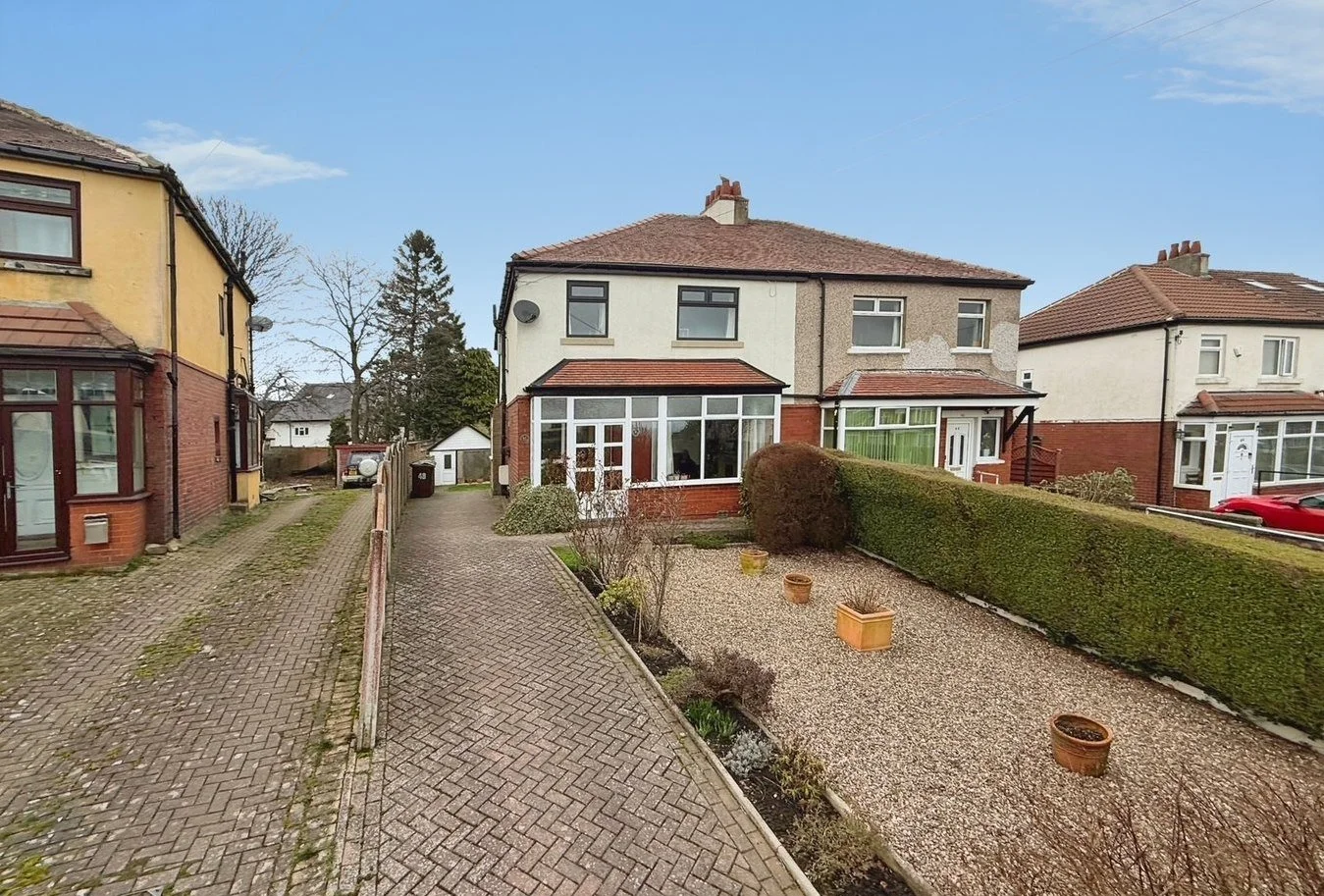
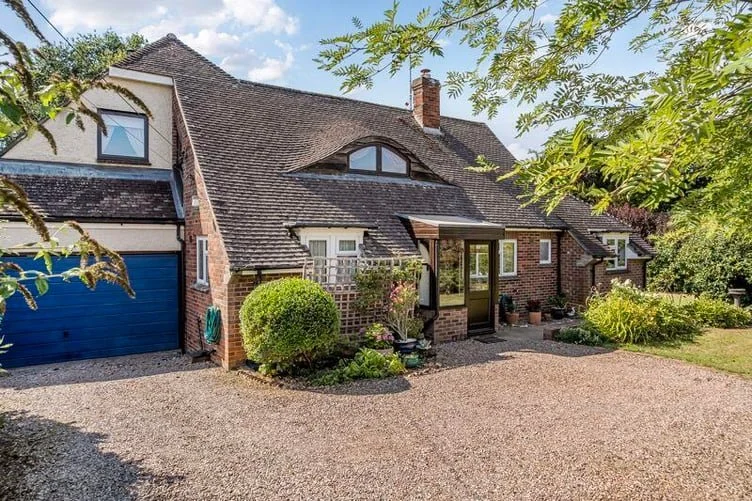
Freehold properties are most commonly found in houses such as detached, semi-detached, and many terraced homes, where a single owner controls the entire building and land.
What Is Leasehold Property?
Leasehold ownership operates on a different legal basis. Instead of owning the land outright, you purchase the right to live in a property for a fixed period of time, which is known as the lease term. These leases are usually long-term, often ranging from 99 to 250 years, although the exact length varies depending on the property.
In a leasehold arrangement, the legal ownership of the land and building remains with the freeholder, sometimes referred to as the landlord. The leaseholder essentially has the right to occupy and use the property for the duration of the lease, but this ownership is temporary rather than permanent.
Leasehold properties are especially common in flats and apartments, where multiple residents share a single building. In such cases, communal areas like hallways, lifts, and gardens are usually managed by a freeholder or management company, and costs are shared between leaseholders.
How to Check Whether a Property Is Leasehold or Freehold
The property listing should state the tenure, but always confirm it. HM Land Registry’s title register shows whether a property is freehold or leasehold, and you can download a copy online for £7 (an official copy costs £11). If the property is leasehold, ask for a copy of the lease and check how many years are left, the ground rent and how it can rise, the service charges and any restrictions, for example on pets, subletting or alterations.
Houses can be leasehold too, especially those bought through shared ownership, so do not assume a house is freehold. Your solicitor will check the title and lease in detail; our tips for choosing a solicitor explain what to look for.
Core Differences Between Leasehold and Freehold
When comparing leasehold and freehold ownership in the UK, it is important to understand that both structures offer very different experiences for homeowners. The differences are not limited to legal definitions alone; they also affect financial commitments, maintenance responsibilities, property control, and long-term value.
For many buyers, especially first-time homeowners, understanding these distinctions can make the property buying process much clearer and help avoid unexpected costs or complications in the future.
The table below highlights the key differences between the two forms of ownership in a simple and easy-to-understand format.
| Freehold | Leasehold |
|---|---|
| The owner has permanent ownership of both the property and the land it stands on | The owner has the right to occupy the property for a fixed-term lease |
| There is no lease expiry date | The lease term reduces over time |
| No ground rent is payable | Ground rent may apply depending on the lease terms |
| Full responsibility for maintenance and repairs | Communal maintenance handled via service charges |
| Typically houses (detached, semi-detached, terraced) | Commonly flats and apartment buildings |
| Property value tends to remain stable long-term | Short leases can reduce value and mortgage options |
| More attractive to mortgage lenders | Mortgage approval depends on remaining lease length |
Understanding Lease Length and Why It Matters
Lease length plays a critical role in determining the value and desirability of a leasehold property. As the remaining lease term decreases, the property can become less attractive to buyers and lenders, particularly if the lease falls below certain thresholds.
A lease that is still above 100 years is generally considered healthy and unlikely to cause concerns. However, once 80 years or fewer remain, buyers and lenders become more cautious, because the cost of extending the lease increases significantly.
The shorter the lease, the more lenders may decline to lend and the more the property’s value can be affected, so a short lease often needs extending before the property can be sold or remortgaged. Because of this, lease extension is often an important consideration for leaseholders who want to maintain property value and ensure long-term financial security.
Ground Rent Explained
Ground rent is a payment leaseholders make to the freeholder under a lease agreement, essentially for the right to occupy the land while owning the property for the lease term. It is usually paid annually, though some leases require six-monthly payments.
In older leases, ground rent is often a fixed, low amount, but some include clauses that allow it to increase over time, either at set intervals or in line with inflation. In certain cases, these increases can become significant and create financial concerns.
Since 30 June 2022, most new long residential leases in England and Wales can only charge a ‘peppercorn’ ground rent, which in practice means nothing, but many existing leases still include ground rent. Buyers should therefore check lease terms carefully, including how much is payable, how it may increase, and any review clauses, as ground rent can affect affordability, mortgage options, and resale value.
Service Charges in Leasehold Properties
Service charges are another key cost associated with leasehold ownership. These charges cover the upkeep and maintenance of shared or communal areas within a building or development. The exact amount varies depending on the property and the level of services provided.
Typically, service charges may include contributions towards cleaning communal hallways, maintaining lifts, gardening shared outdoor spaces, insuring the building, and carrying out repairs to structural elements such as roofs or external walls. These charges are usually collected by a management company or freeholder and shared among all leaseholders in the building.
Responsibilities of Freeholders and Leaseholders
Responsibilities differ significantly depending on the type of ownership. Understanding who is responsible for maintenance, repairs, and ongoing property costs is important for avoiding confusion and managing long-term expenses effectively.
While freehold ownership usually places most responsibilities directly on the homeowner, leasehold arrangements divide responsibilities between the leaseholder, freeholder, and sometimes a management company.
Responsibilities of a Freeholder
Freeholders are generally responsible for the overall structure and maintenance of their property. In the case of freehold houses, this means the owner must take care of everything from roof repairs and external walls to drainage systems, gardens, and general upkeep.
For leasehold buildings such as apartment blocks, the freeholder or appointed management company often takes responsibility for maintaining communal and structural areas. This can include corridors, staircases, lifts, roofing, exterior walls, and shared outdoor spaces.
Responsibilities of a Leaseholder
Leaseholders are usually responsible for maintaining the interior of their own property. This includes areas such as flooring, walls, plumbing inside the flat, internal decorations, and day-to-day repairs within the home itself.
Leaseholders are also expected to pay ongoing costs such as service charges and ground rent where applicable. These payments contribute towards the maintenance and management of shared parts of the building.
Lease Extensions and Why They Matter
A lease extension is a legal process that increases the remaining length of a lease, helping to preserve the property’s value and maintain mortgage eligibility. Without extension, a decreasing lease can lead to financial and practical difficulties when selling or refinancing a property.
Leaseholders can extend their lease either through informal negotiation with the freeholder or by using their statutory rights if they qualify. A statutory extension adds 90 years to the lease of a flat or 50 years to the lease of a house. Extending a lease effectively resets the timeline, making the property more attractive to future buyers and reducing long-term depreciation risks.
In some cases, leaseholders may have the opportunity to purchase the freehold of their property. This process, known as enfranchisement, allows leaseholders to gain greater control and remove the limitations associated with leasehold ownership.
Enfranchisement is particularly common in apartment blocks where multiple leaseholders collectively decide to purchase the freehold. This can lead to reduced long-term costs, improved control over building management, and elimination of ground rent obligations.
Your Rights as a Leaseholder
Leaseholders have important legal rights. You can ask for a summary showing how your service charge is worked out and what it is spent on, and you must be consulted before you are asked to pay more than £250 towards planned works or more than £100 a year under a long-term agreement. Leaseholders in a block can also join together to take over management of the building through the Right to Manage, without buying the freehold. The Leasehold Advisory Service (LEASE) publishes free guidance and a lease extension calculator for flats.
What Is Changing Under Leasehold Reform?
The Leasehold and Freehold Reform Act 2024 became law in May 2024, but most of its changes are not yet in force. The main change already in effect is that, since 31 January 2025, you no longer have to own a leasehold property for two years before you can claim a lease extension or buy the freehold.
Other changes, such as 990-year lease extensions and a new way of calculating the price, need further legislation before they can start. In January 2026 the government also published a draft Commonhold and Leasehold Reform Bill, which proposes capping existing ground rents at £250 a year and banning leasehold for most new flats. These are proposals, not law, so check the current position on GOV.UK before you rely on them. If you are weighing up a new-build home, our guide to new housing developments in Bradford covers the checks to make before you reserve.
Advantages and Disadvantages of Freehold and Leasehold Ownership
Choosing between freehold and leasehold ownership is one of the most important decisions when buying property in the UK. Both ownership types come with their own advantages, responsibilities, and long-term considerations. While freehold ownership is often associated with greater independence and long-term security, leasehold ownership can provide affordability and convenience, particularly in modern apartment developments and city-centre locations.
Understanding the strengths and weaknesses of each option can help buyers make a more informed decision based on their budget, lifestyle, and future property goals.
| Feature | Freehold Ownership | Leasehold Ownership |
|---|---|---|
| Ownership Rights | The homeowner owns both the property and the land permanently | The homeowner owns the property for a fixed lease term but not the land |
| Control Over Property | Greater freedom to renovate, extend, or modify without landlord permission | Permission may be required for structural changes, subletting, or usage |
| Lease and Property Value | No lease expiry or concerns about declining lease length | Lease length reduces over time, affecting value and mortgage eligibility |
| Additional Charges | Typically no ground rent or service charges | May include ground rent, service charges, and management fees |
| Maintenance Responsibility | Full responsibility for repairs, insurance, and upkeep | Communal maintenance managed collectively via service charges |
| Purchase Cost and Accessibility | Often more expensive, especially in high-demand areas | More affordable entry point, especially for flats and city living |
Common Misconceptions
Many people misunderstand how leasehold and freehold ownership work in the UK property market. One common misconception is that leasehold means you do not truly own the property, when in reality the leaseholder legally owns the property for the full length of the lease term, which can often last for many decades.
Another misunderstanding is that freehold ownership comes without ongoing costs, when in fact freeholders remain fully responsible for maintenance, repairs, insurance, and overall property upkeep.
It is also frequently assumed that leasehold properties are always poor investments, but this is not necessarily true. Many leasehold flats in desirable locations continue to perform strongly in terms of resale value and rental demand, particularly in city centres where apartments are highly sought after.
The suitability of either ownership type often depends more on the property’s location, condition, lease terms, and long-term affordability rather than simply whether it is leasehold or freehold.
Mortgage Considerations
Mortgage lenders assess leasehold and freehold properties differently. Freehold properties are generally considered lower risk because they do not have lease expiry concerns. Leasehold properties, however, are carefully assessed based on lease length, ground rent terms, and service charges.
A short lease can make it more difficult to secure financing, which is why maintaining a healthy lease length is important for leasehold owners.
Which Is Better?
There is no universal answer to whether leasehold or freehold ownership is better, as the right choice depends on the buyer’s budget, lifestyle, property type, location, and long-term goals. Freehold ownership is often preferred by buyers who want greater control, long-term security, and freedom to manage or modify their property without landlord restrictions. It is commonly viewed as the simpler and more straightforward form of ownership, particularly for houses and family homes.
On the other hand, leasehold ownership provides access to flats, apartments, and shared residential developments that may otherwise be unavailable or unaffordable in certain areas. For many buyers, especially those living in city centres or modern developments, leasehold properties can still offer convenience, attractive locations, and strong long-term value. Ultimately, the best option depends on individual priorities and the specific terms attached to the property.
Final Thoughts
Leasehold and freehold represent two fundamentally different approaches to property ownership in the UK, and each comes with its own advantages, responsibilities, costs, and long-term implications. Understanding the differences between these ownership structures is extremely important for anyone planning to buy a property, whether they are first-time buyers, investors, or homeowners looking to move.
The type of ownership can influence many aspects of property ownership, including maintenance responsibilities, ongoing charges, control over the property, mortgage availability, and future resale value. Freehold ownership generally offers greater independence and long-term security, while leasehold ownership is more commonly associated with flats and shared residential developments. Buyers who fully understand how both systems work are often better prepared to make informed decisions that suit their financial situation, lifestyle needs, and long-term property goals.
This article is general information, not legal advice. Check the current rules on GOV.UK or take professional advice for your situation.
Confused about leasehold vs freehold in the UK? Talk to Armaani Estates now.
FAQs
What is the main difference between leasehold and freehold?
Freehold means you own the property and land permanently, while leasehold means you own the property for a fixed period but not the land.
Can a leasehold property become freehold?
Yes, in certain cases leaseholders can purchase the freehold through a legal process known as enfranchisement.
Is leasehold bad for buying property?
Not necessarily. Leasehold properties, especially flats, are common and can be good investments depending on lease length and location.
What happens when a lease expires?
Ownership of the property returns to the freeholder unless the lease is extended or renewed. You do not automatically have to leave when a lease runs out, but you will have fewer rights and legal protections, so get advice well before it ends.
What is a safe lease length when buying?
There is no single safe figure. Lenders set their own minimum lease lengths, and the cost of extending rises once 80 years or fewer remain, so check your lender’s criteria with your broker or solicitor before you commit.
Who is responsible for repairs in leasehold property?
Leaseholders handle interior maintenance, while external and communal repairs are typically managed by the freeholder or management company.
Are freehold properties more expensive?
Often they are more expensive upfront, but they usually come with fewer ongoing costs and fewer restrictions.
