
UK Property Chains Explained for Buyers & Sellers

Buying or selling a property in the UK can be exciting, but it also comes with a level of complexity that many people do not fully understand until they are involved in the process themselves. One of the most important parts of the UK housing market is the property chain. Whether someone is purchasing their first home, selling an existing property, or moving to a larger house, the chain can have a major impact on timelines, stress levels, and the overall success of a transaction.
Property chains are a common feature of the UK market because many people rely on the money from selling one home in order to buy another. This creates a sequence of connected transactions where each move depends on another. If one part of the chain experiences delays or problems, every other person involved can be affected.
Table of Contents
What Is a Property Chain?
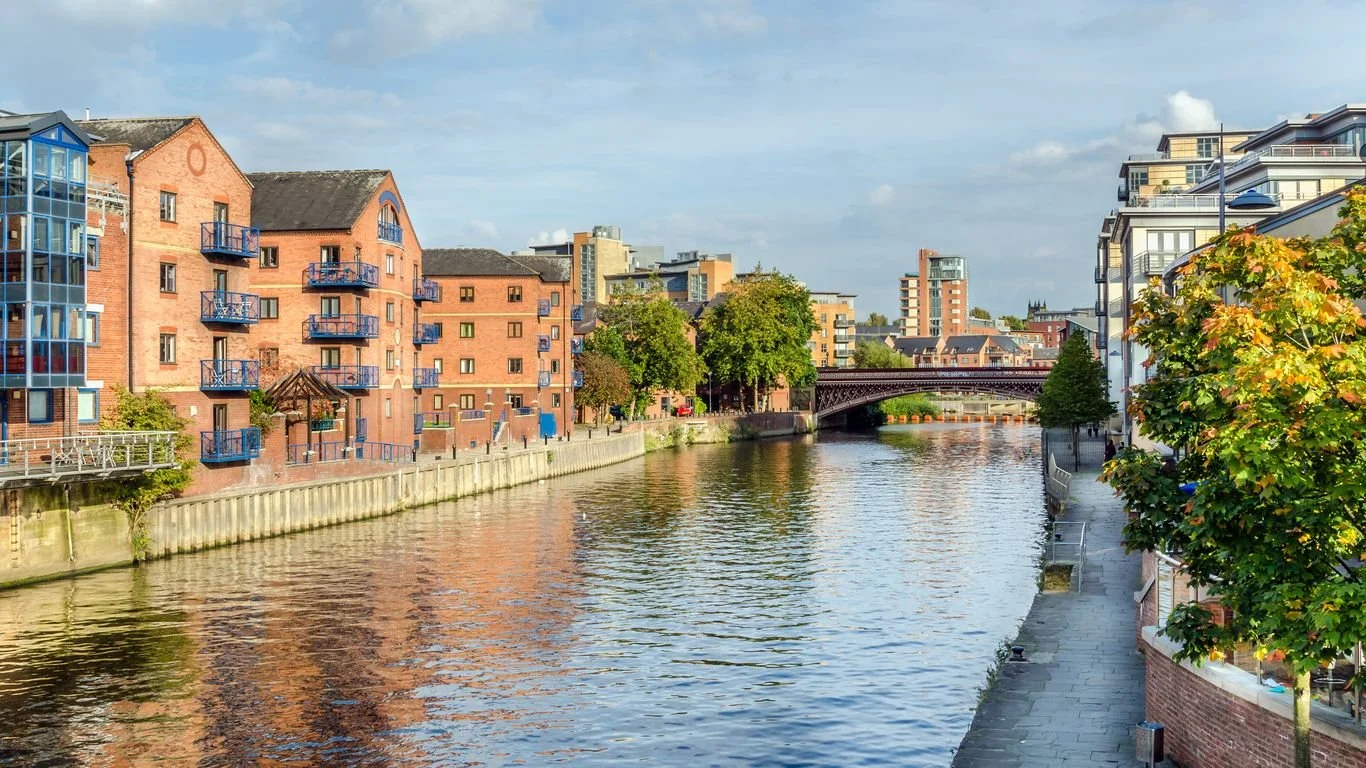
A property chain refers to a series of linked house purchases and sales where each transaction depends on another transaction being completed successfully. In simple terms, a buyer purchases a property from a seller, who is then using that money to buy another property from someone else. That person may also be buying another home, and so on.
The chain begins with a buyer who does not need to sell a property, such as a first-time buyer or a cash buyer. The chain ends with a seller who does not need to buy another property, perhaps because they are moving into rented accommodation, relocating abroad, or inheriting another home.
Between these two ends can be several connected buyers and sellers, all waiting for the transactions ahead of them to progress.
For example:
A first-time buyer purchases a flat from a couple.
That couple is buying a family house from another owner.
The owner of the family house is downsizing to a bungalow.
The bungalow owner is moving into care accommodation.
Why Property Chains Exist in the UK
Property chains are particularly common in the UK because of the way home purchases are structured. Most people need the money from selling their current home in order to fund the purchase of their next property. Without selling first, they may not have enough deposit or borrowing capacity to proceed.
Unlike some countries where temporary bridging solutions are more common, UK transactions are usually closely tied together financially and legally. Buyers and sellers therefore attempt to coordinate completion dates so that all linked transactions happen simultaneously.
The process is also influenced by mortgage approvals, surveys, legal work, and local authority searches. Since each property in the chain may involve separate lenders, solicitors, and timelines, coordination becomes increasingly complicated as the chain grows larger.
The Different Types of Buyers and Sellers in a Chain
Not everyone in the property market creates a chain. Some participants are chain-free, while others contribute to longer and more complex sequences.
First-Time Buyers
First-time buyers are often considered ideal because they are chain-free. Since they do not need to sell a property before buying, they can move more quickly and create fewer complications.
Sellers often prefer buyers in this position because there is less risk of delays caused by another sale collapsing.
Cash Buyers
Cash buyers are also chain-free because they do not depend on mortgage approval. These buyers can sometimes complete transactions faster, making them attractive to sellers who want certainty.
However, even cash buyers can become part of a chain if they are selling another property.
Homeowners Moving to Another Property
Most chains are formed by homeowners who need to sell their current property to buy their next home. These linked transactions create dependency between multiple parties.
Investors and Landlords
Property investors may buy homes without needing to sell another property, especially if they already have financing in place. This can reduce chain complexity.
Downsizers
Older homeowners moving to smaller properties may also create shorter chains if they decide to move into rented accommodation temporarily or buy outright using existing equity.
How Property Chains Work Step by Step
The process of a property chain develops gradually as transactions progress through different stages.
Offer Accepted
The chain usually begins once offers are accepted on properties. Buyers and sellers start arranging mortgages, instructing solicitors, and preparing documentation. At this stage, the chain is still fragile because no contracts have been exchanged.
Mortgage Applications and Surveys
Buyers apply for mortgages while lenders arrange property valuations. Additional surveys may also be carried out to identify structural problems or repair issues. Delays often happen during this stage, especially if lenders request additional information or surveys uncover defects.
Searches and Legal Checks
Solicitors conduct local authority searches, environmental checks, drainage reports, and title investigations. These checks ensure there are no legal issues affecting the property. If problems arise, such as disputes over boundaries or planning permissions, transactions can slow down significantly.
Exchange of Contracts
Once all parties are satisfied, contracts are exchanged. This is the point where transactions become legally binding. Completion dates are usually agreed for the entire chain so that everyone moves on the same day.
Completion
On completion day, funds are transferred between solicitors, and ownership officially changes hands. Buyers receive keys once payments are confirmed. In long chains, the process can take several hours because funds move sequentially from one transaction to another.
Common Problems That Affect Property Chains
Property chains are known for delays and uncertainty because there are many moving parts. Even a small issue can create problems for everyone involved.
What Happens When a Property Chain Breaks?
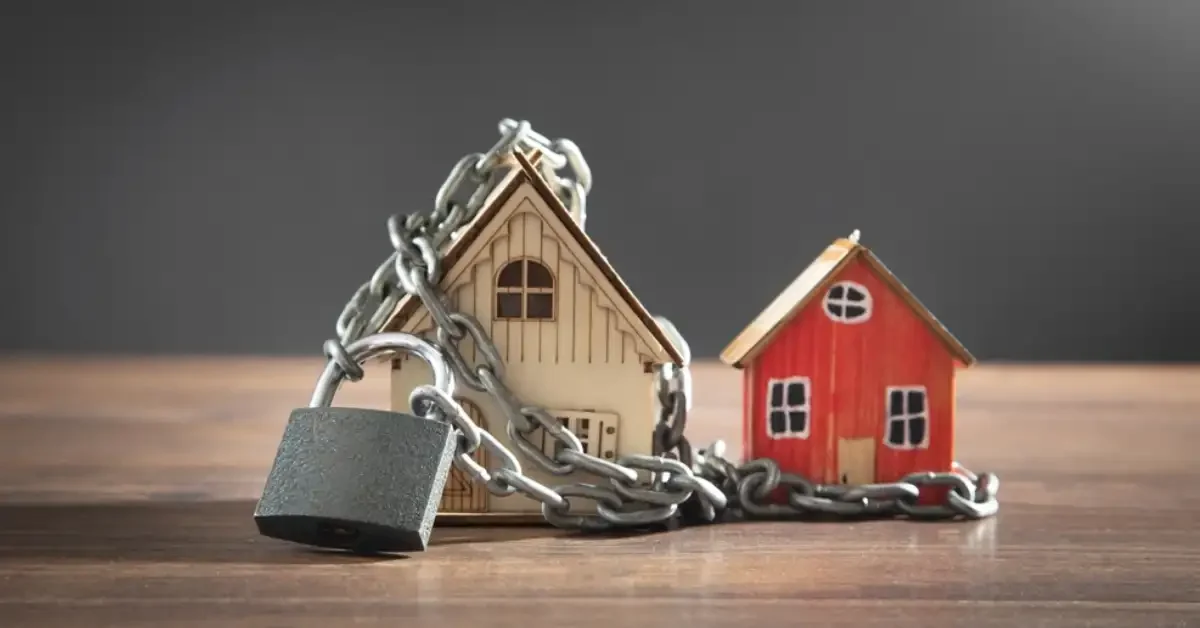
A broken property chain can be one of the most stressful situations for buyers and sellers in the UK housing market. Because every transaction within the chain is connected, the failure of just one sale or purchase can affect multiple people at the same time. In some cases, weeks or even months of progress can suddenly come to a halt.
When a chain breaks, uncertainty quickly spreads through the entire process. Buyers may lose mortgage offers, sellers may miss completion deadlines, and removal arrangements may need to be cancelled or rescheduled. This is particularly frustrating for families who have already made financial commitments or planned their move around agreed-upon completion dates.
The Emotional Impact of Property Chains
Property chains are not only financially stressful but emotionally demanding as well. Buyers and sellers often feel pressure because they are coordinating major life changes with uncertain timelines.
People may be trying to arrange removals, school admissions, mortgage deadlines, tenancy agreements, or work commitments while waiting for updates from solicitors and estate agents.
Long periods without communication can create anxiety, particularly when chains involve several parties. Frustration often increases if delays appear to come from another link in the chain.
This emotional pressure explains why clear communication and realistic expectations are so important during property transactions.
New Build Homes and Property Chains
New build homes can sometimes simplify the moving process because developers often sell chain-free properties. Buyers purchasing new builds may therefore avoid some traditional chain complications.
However, buyers still need to sell their own property if they already own a home. In these situations, developers may encourage quicker sales or set deadlines for the exchange of contracts.
Some developers offer part-exchange schemes where they purchase the buyer’s existing property directly, helping reduce chain risks.
Leasehold Properties and Additional Delays

Leasehold properties can add complexity to property chains because extra information is required from freeholders or management companies.
Solicitors often need documents relating to:
Service charges
Ground rent
Building insurance
Planned maintenance
Lease terms
Management company accounts
Obtaining this information can take time, especially if management companies respond slowly.
How Buyers Can Reduce Chain Risks
While buyers cannot control every aspect of a property chain, several practical steps can help reduce delays and improve the chances of a smoother transaction.
Get Mortgage Approval Early
Obtaining a mortgage agreement in principle before making an offer demonstrates to sellers that the buyer is financially prepared and serious about proceeding with the purchase. It can also help speed up the mortgage process once an offer is accepted.
Respond Quickly to Requests
Delays often occur when important paperwork or information is not provided promptly. Responding quickly to requests from solicitors, mortgage lenders, estate agents, or surveyors can help keep the transaction moving efficiently.
Arrange Surveys Early
Booking property surveys as early as possible allows potential issues to be identified sooner rather than later. Early surveys can help avoid unexpected delays further into the transaction process and provide more time to resolve any concerns.
Stay Flexible
Flexibility with completion and moving dates can sometimes help prevent chains from collapsing. If minor delays occur elsewhere in the chain, being willing to adjust timelines may help keep all parties committed to the transaction.
Maintain Communication
Regular communication with solicitors, estate agents, mortgage brokers, and other parties involved can help buyers stay informed about progress. Clear communication also makes it easier to identify potential problems early and address them before they become major issues.
How Sellers Can Reduce Chain Problems
Sellers also play a major role in helping property transactions progress more smoothly and reducing the risk of delays within a chain.
Prepare Documents in Advance
Gathering important paperwork early can help speed up the legal process once a buyer is found. Documents such as warranties, planning permissions, building regulation certificates, leasehold information, and guarantees for previous work are commonly requested during conveyancing.
Choose Reliable Buyers
Many sellers prefer financially prepared buyers who have a Mortgage in Principle, and are involved in shorter or less complicated chains.
Price Realistically
Setting a realistic asking price is important for attracting genuine buyers and avoiding problems later in the process. Overpriced properties may remain on the market for longer periods, increasing the chances of price reductions, renegotiations, or collapsed sales if surveys or valuations come back lower than expected.
Consider Temporary Accommodation
Some sellers choose to move into temporary rented accommodation or stay with family in order to break the property chain completely. Although this may involve additional short-term costs, it can significantly reduce transaction complexity and make the property more attractive to buyers looking for a faster and more secure purchase process.
Can You Avoid a Property Chain?
Completely avoiding a property chain is not always possible, but some people reduce chain risks through alternative arrangements.
Moving into Rented Accommodation
Some homeowners sell first and move into temporarily rented housing before buying another property.
Buying Before Selling
People with sufficient savings or access to bridging finance may purchase their next property before selling their existing one.
Purchasing Chain-Free Homes
Focusing on vacant or new build properties can reduce dependency on other transactions. Each option has financial implications, so buyers and sellers should consider costs carefully.
Conclusion
Property chains remain one of the most important and challenging aspects of the UK housing market. They connect buyers and sellers through a sequence of dependent transactions that require careful coordination, patience, and communication.
While chains can create delays and uncertainty, understanding how they work allows buyers and sellers to prepare more effectively. From mortgage approvals and legal checks to surveys and completion dates, every stage of the process influences the overall success of the transaction.
Whether someone is purchasing their first property, moving home, downsizing, or investing, awareness of property chains helps reduce surprises and improve decision-making throughout the buying and selling journey.
Confused about how property chains work in the UK? Talk to Armaani Estates now.
FAQs
What is a property chain in the UK?
A property chain is a sequence of linked property sales and purchases where each transaction depends on another transaction completing successfully.
How long does a property chain usually take?
The timeline varies depending on the complexity of the chain, mortgage approvals, surveys, and legal work. Some chains complete quickly, while others take several months.
What does chain-free mean?
Chain-free means a buyer or seller does not depend on another property transaction in order to proceed. First-time buyers and vacant properties are common examples.
Can a property chain collapse?
Yes. A chain can collapse if a buyer withdraws, mortgage finance is refused, survey problems arise, or delays become too severe.
Is it better to buy a chain-free property?
Chain-free properties are often attractive because they reduce the risk of delays and complications.
Who is responsible for managing the property chain?
Estate agents, solicitors, mortgage lenders, buyers, and sellers all contribute to managing the chain. Communication between all parties is extremely important.
Are property chains common in Bradford and Leeds?
Yes. Like many areas across the UK, Bradford and Leeds regularly experience property chains involving first-time buyers, families, landlords, and downsizers.
Can cash buyers avoid property chains?
Cash buyers can avoid mortgage-related delays, but they may still become part of a chain if they need to sell another property first.
