
The Biggest Turn-Offs for UK Property Buyers

Selling a home successfully in the UK requires more than just listing it online; it demands a deep understanding of what discourages buyers. While many sellers focus on upgrades and marketing, ignoring common turn-offs can seriously harm property values and delay the selling process. For people buying property, first impressions and perceived risks play a huge role in decision-making. Even small issues can create doubt and push buyers toward better-presented alternatives.
A skilled estate agent will always advise sellers to eliminate these negative factors before putting a property on the market. Buyers today are more informed, cautious, and selective, often comparing multiple options before making a choice. If a home raises concerns, whether aesthetic or structural, it may quickly be dismissed. Understanding these major turn offs allows sellers to position their property more effectively, attract serious interest, and secure better offers. Addressing these issues early can transform a difficult sale into a smooth and profitable transaction.
Table of Contents
Location Disadvantages and Surrounding Environment
One of the most significant turn offs for UK buyers is a property’s location. Even a well presented and attractively styled home can struggle to gain interest if it is situated near busy roads, industrial areas, or in locations that lack essential amenities. When buying property, buyers place strong emphasis on convenience, safety, and long term resale potential. Factors such as access to transport links, quality of local schools, nearby shops, and the overall neighbourhood environment all play an important role in shaping their decision.
Estate agents often point out that while location is one aspect that cannot be changed, its impact can be managed through realistic pricing and strong overall presentation. A less desirable setting may require a more competitive price to attract attention, as buyers will naturally compare it with better located alternatives. Poor location can therefore have a direct effect on property values, influencing both demand and final sale price. However, there are ways to offset these concerns. Highlighting positive aspects such as planned regeneration projects, proximity to key services, or improvements in local infrastructure can help shift perception and add appeal.
Despite these efforts, if the surrounding environment feels unappealing or inconvenient, many buyers may still choose to move on to other options. This makes it essential for sellers to understand how location influences buyer behaviour and to position their property strategically within the market to achieve the best possible outcome.
Energy Efficiency and Rising Utility Costs
With growing awareness of sustainability and rising energy costs, buyers are paying closer attention to a property’s energy efficiency. Poor insulation, outdated heating systems, and low EPC ratings can be major deterrents. When buying property, ongoing running costs are an important consideration alongside the purchase price, making energy performance a key factor in decision making.
Estate agents often recommend improving efficiency through upgrades such as better insulation, double glazing, and modern boilers. Even small changes like LED lighting or smart controls can enhance appeal. Poor energy performance can reduce property values, as buyers may adjust their offers to account for upgrade costs.
In contrast, energy efficient homes are more attractive in today’s market. Buyers favour properties that offer lower utility costs and long-term savings. By investing in efficiency, sellers can increase interest, remain competitive, and support stronger property values.
Noise Levels and Lack of Privacy
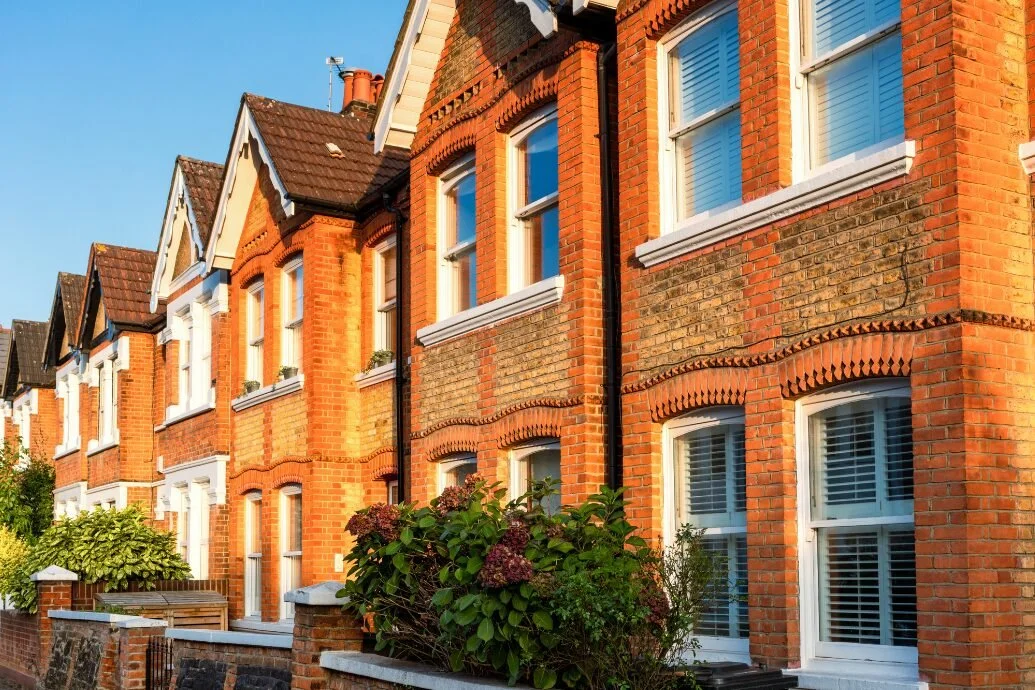
Noise pollution is another important factor that can discourage potential buyers. Properties located near busy roads, railway lines, or commercial areas may feel less peaceful and relaxing, which can negatively affect first impressions. When buying property, many buyers prioritise a quiet and comfortable living environment where they can unwind, making excessive noise a significant concern.
Estate agents often suggest addressing this issue where possible by adding soundproofing features such as double glazing, thicker curtains, or improved insulation. They may also recommend highlighting quieter aspects of the property, such as a private garden or rooms positioned away from the main source of noise. In addition, a lack of privacy, including overlooked gardens or closely spaced neighbouring properties, can further reduce appeal and make the home feel less comfortable.
These factors can have a direct impact on property values, as they influence the overall living experience and long term satisfaction of buyers. By taking steps to reduce noise and improve privacy, sellers can create a greater sense of calm, enhance buyer perception, and make the property more attractive in a competitive market.
Parking Issues and Accessibility Problems
Limited parking or difficult access can be a major inconvenience for buyers and is often a deciding factor when comparing properties. In many UK areas, particularly in busy urban locations, parking availability is a key consideration. When buying property, buyers look for convenience in their daily routines, and easy access to reliable parking can significantly influence their final decision. A lack of suitable parking may create concerns about practicality, especially for households with multiple vehicles or regular visitors.
Estate agents often advise sellers to clearly present all available parking options, whether this includes a private driveway, garage, allocated space, or access to local parking permits. Providing clear and accurate information helps set realistic expectations and can prevent hesitation during the decision making process. Poor accessibility or limited parking can reduce property values, as it narrows the pool of interested buyers and may require compromise.
However, highlighting nearby transport links, public parking facilities, or potential solutions can help offset these concerns. By addressing access and parking considerations early and transparently, sellers can improve buyer confidence, increase interest, and position the property more competitively in the market.
Storage Limitations and Practical Living Concerns
Modern buyers expect sufficient storage space to support comfortable and organised living. A lack of built in storage, small cupboards, or limited attic space can make a property feel less practical and more restrictive. When buying property, functionality is just as important as appearance, and buyers often look for homes that can easily accommodate their belongings without feeling cluttered.
Estate agents recommend showcasing any available storage in a clear and creative way, ensuring that cupboards, wardrobes, and hidden spaces are tidy and well presented. They may also suggest practical solutions such as fitted shelving or multi functional furniture to demonstrate how space can be used more efficiently. Limited storage can affect property values, as buyers may view the home as less suitable for long term living or requiring additional investment.
By highlighting organisation possibilities and making the most of existing space, sellers can improve the overall perception of practicality. Thoughtful presentation can help buyers see the property’s potential, increase its appeal, and reduce concerns, ultimately supporting stronger interest and better outcomes in the market.
Outdated Technology and Lack of Modern Features
In 2026, buyers increasingly expect properties to include modern features such as smart home systems, fast broadband connectivity, and updated electrical infrastructure. Homes that lack these elements can feel outdated and less suited to contemporary lifestyles. For those buying property, technology now plays an important role in everyday living, from remote working and entertainment to energy management and security.
Estate agents often recommend simple yet effective upgrades, such as installing smart thermostats, improving internet connectivity, or updating electrical systems to meet current standards. These enhancements can make a property feel more functional, efficient, and future ready. Outdated technology can reduce property values, as buyers may favour homes that already meet their expectations rather than those requiring additional investment.
By keeping up with technological trends and making targeted improvements, sellers can increase a property’s appeal and attract a wider range of buyers. Meeting modern expectations not only improves convenience and comfort but also helps position the property more competitively in the market.
Safety Concerns and Security Issues

Safety is a top priority for most buyers and plays a major role in their decision making process. Properties located in areas with higher crime rates or those lacking visible security features can quickly deter interest. When buying property, buyers look for reassurance that their home will provide a safe and secure environment for themselves and their families. A strong sense of safety not only improves comfort but also builds confidence in the long term suitability of the property.
Estate agents often recommend installing basic yet effective security measures such as alarm systems, secure door and window locks, motion sensor lighting, and well lit entrances. These features can significantly enhance the perception of safety and make a property feel more protected. Safety concerns can have a direct impact on property values, as they influence buyer confidence and willingness to proceed with a purchase. Homes that appear secure and well maintained are generally more attractive to a wider range of buyers.
Highlighting existing safety features, along with any improvements in the local area, can help build trust and create a more positive impression. By addressing security concerns and presenting the property as a safe place to live, sellers can increase interest, strengthen appeal, and support stronger property values in a competitive market.
Market Conditions and Economic Uncertainty
External factors such as market trends and wider economic conditions can significantly influence buyer behaviour. During periods of uncertainty, including changes in interest rates, inflation, or employment stability, buyers often become more cautious and selective in their decisions. When buying property, affordability, long term value, and financial security become key considerations, with many buyers taking extra time to evaluate their options before committing.
Estate agents play an important role in guiding sellers through these changing conditions by providing up to date market insights and setting realistic expectations. They may advise adjusting pricing strategies, improving presentation, or being flexible during negotiations to align with current demand. Market uncertainty can have a direct impact on property values, as shifts in buyer confidence and activity levels can influence both demand and final sale prices.
By understanding current trends and responding strategically, sellers can position their property more effectively within the market. Pricing competitively and presenting the home well can help maintain buyer interest, even in challenging conditions, ultimately increasing the likelihood of achieving a successful and timely sale.
Emotional Disconnect and Lack of Appeal
Beyond physical features, emotional connection plays a major role in property decisions and can strongly influence how buyers respond to a home. If a property feels cold, uninviting, or overly impersonal, buyers may struggle to form a connection, even if it meets their practical needs. When buying property, emotional response often works alongside logic, shaping final decisions and determining whether a buyer feels motivated to make an offer.
Estate agents frequently recommend staging a property in a way that creates warmth, comfort, and a sense of character. Simple touches such as well placed lighting, thoughtful arrangement of furniture, and neutral yet inviting décor can make a noticeable difference in how a space is perceived. These elements help create a balanced environment that feels both appealing and easy to personalise. Emotional disconnect can reduce property values, as buyers may feel less engaged and therefore less willing to make strong or competitive offers.
By creating a welcoming and comfortable atmosphere, sellers can encourage buyers to imagine themselves living in the space. This sense of connection can increase interest, strengthen engagement, and ultimately contribute to a more successful sale outcome.
First Impressions Inside the Home
Many buyers form a view within minutes of walking through the door. Strong smells from pets, cooking, smoke or damp can put people off straight away, partly because they make buyers wonder what is being hidden. Open the windows before viewings, deal with the cause of any damp or mould rather than masking it, and keep the home clean and fresh.
Clutter and dark rooms have a similar effect. Crowded rooms look smaller and make it hard for buyers to picture their own furniture, while poor lighting makes spaces feel cramped and unwelcoming. Clear surfaces, open the curtains, clean the windows and replace any dull or missing bulbs before viewings.
Visible defects, such as cracks, damp patches, peeling paint or dripping taps, make buyers think about the cost of repairs, and they may lower their offer or walk away. Fixing small problems before you list helps avoid giving buyers a reason to negotiate. If you are not sure what your home is worth as it stands, see how to value your house properly.
Conclusion
Understanding the full range of buyer concerns, from practical considerations to emotional influences, is essential for achieving a successful property sale. By carefully addressing these aspects, sellers can enhance overall appeal, attract greater interest, and protect property values. Attention to detail, including presentation, maintenance, functionality, and overall comfort, helps create a well-rounded and appealing offering that stands out in a competitive market. For those buying property, these improvements provide reassurance, build confidence, and contribute to a smoother and more positive purchasing experience.
Working with an experienced estate agent ensures that potential issues are identified early and managed effectively. Their market knowledge and professional insight allow sellers to refine presentation, adjust pricing strategies, and highlight the most attractive features of the property. They can also advise on targeted improvements that align with current buyer expectations. By focusing on key elements such as location presentation, efficient use of space, and modern living requirements, sellers can position their property more competitively within the UK market.
This strategic and well-planned approach not only increases the likelihood of attracting serious buyers but also encourages stronger offers and faster decisions. Ultimately, by combining practical improvements with expert guidance, sellers can maximise interest, strengthen property values, and achieve a more successful and rewarding sale outcome.
Stop buyers walking away and start turning interest into real offers: fix the issues that matter most. Speak to Armaani Estates today.
FAQs
What is the most important factor for UK property buyers?
Location is usually the top priority for buyers in the UK. Proximity to transport links, schools, workplaces, and amenities plays a major role in decision-making. After location, buyers focus on price and the overall condition of the property.
Do energy ratings affect property sales?
Yes, energy efficiency is becoming increasingly important. Properties with poor energy ratings can be less attractive due to higher running costs, which may lead to lower offers or longer time on the market. Energy-efficient homes are often seen as more future-proof and cost-effective.
How can I improve my property’s appeal?
Improving appeal comes down to presentation and practicality. Keeping the property clean, well-maintained, and clutter-free makes a strong impression. Small upgrades like modern lighting, fresh paint, and updated fixtures can also make the home feel more attractive and move-in ready.
Does noise impact property value?
Yes, noise can significantly affect buyer perception. Properties near busy roads, nightlife areas, or industrial zones may be less desirable, which can impact both value and demand. Quiet surroundings are often a key selling point.
Can an estate agent help overcome these issues?
Yes, estate agents can provide valuable guidance on how to address potential drawbacks. They can suggest improvements, recommend realistic pricing strategies, and highlight the property’s strengths to attract the right buyers despite any challenges.
Can the asking price put buyers off?
Yes. If a home is priced well above similar properties nearby, many buyers will not book a viewing at all. Rightmove found that 74% of homes sold so far in 2026 were priced right first time and needed no reduction. Our guide to pricing your property correctly explains how to set a realistic price.
