
UK Property Market 2026: Full Outlook & Predictions

The UK property market in 2026 is entering a period of stabilisation after several years of economic uncertainty, high inflation, and fluctuating interest rates. Following the post-pandemic adjustment and cost-of-living pressures, the market is now showing cautious signs of recovery across many regions. Growth is more measured and sustainable, with modest increases in property values replacing the rapid rises of previous years. Transaction volumes are gradually improving, supported by stabilising mortgage conditions and renewed buyer confidence. At the same time, supply and demand are becoming more balanced, helping to create a less competitive and more predictable market environment.
Although regional differences remain, overall conditions are improving, offering clearer opportunities for both buyers and sellers. This guide explores the key trends shaping the UK property market in 2026, providing valuable insights for buyers, sellers, investors, landlords, and tenants.
Table of Contents
Economic Factors Shaping the Property Market
The broader UK economy sets the tone for housing activity. Inflation has moderated but remains sensitive to global events, while the Bank of England has implemented gradual base rate reductions. By mid-2026, the base rate sits around 3.75%, with expectations of further modest cuts potentially bringing it toward 3.25% by year-end, subject to economic data. Mortgage rates have eased from their peaks but are not returning to the ultra-low levels of the previous decade. Typical five-year fixed rates for many borrowers hover between 3.75% and 4.5%, depending on loan-to-value ratios and credit profiles. This environment improves affordability slightly compared to 2023-2024 peaks, especially as wage growth continues to outpace house price increases in many areas.
GDP growth remains modest, around 1-1.5% for the year, supported by resilient employment levels but constrained by household budget pressures from living costs. Consumer confidence is recovering slowly, encouraging more people to consider moving. However, geopolitical uncertainties continue to introduce occasional volatility into financial markets, affecting borrowing costs and buyer sentiment.
These factors create a functional rather than frothy property market. Supply has increased as more homeowners list properties, leading to greater choice for buyers and reducing the intense competition seen in previous years.
House Price Predictions and National Trends
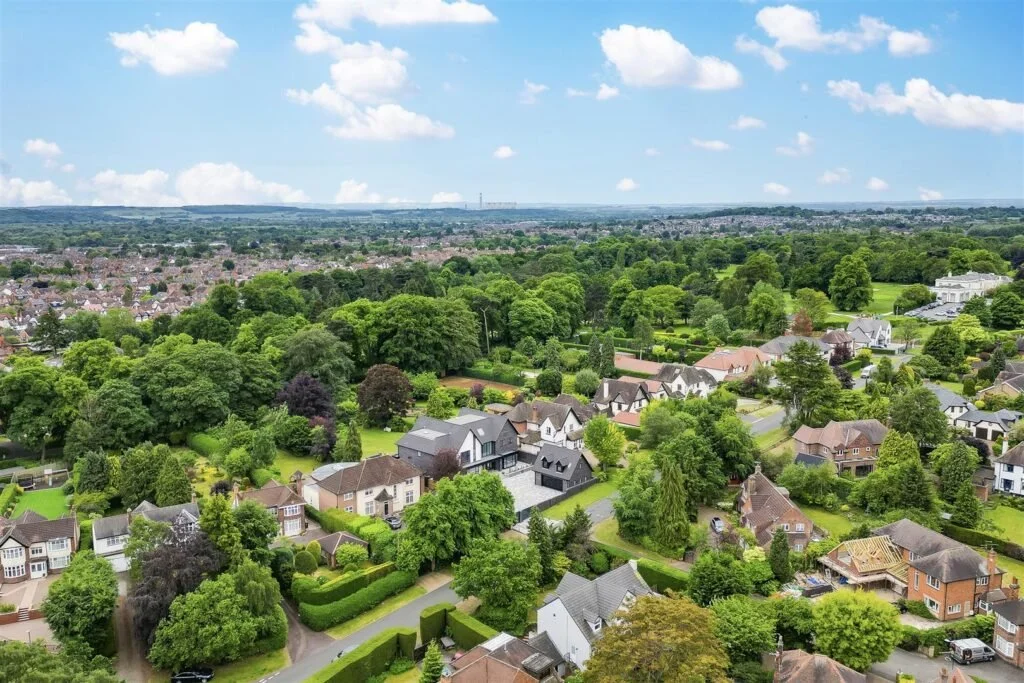
Forecasters broadly agree on modest national house price growth for 2026. Expectations range from 1.5% to 4%, with most settling around 2%. This reflects a balanced market where price rises are steady rather than dramatic.
Average UK house prices currently sit around £268,000 to £271,500, varying slightly by index. A 2% rise would add roughly £5,000-£5,500 to the typical property value. This growth is supported by improving affordability and steady demand, but tempered by higher borrowing costs compared to pre-2022 levels.
The market is not expected to deliver rapid appreciation. Instead, 2026 offers predictability, allowing buyers and sellers to plan with greater confidence. Transaction volumes are forecast to strengthen modestly as confidence builds, potentially returning closer to long-term averages.
Regional differences are pronounced. Northern and Midlands markets generally show stronger momentum due to more affordable entry points and economic regeneration. Southern regions, particularly London and the South East, face headwinds from higher prices and affordability constraints, leading to flatter performance in prime areas.
Regional Growth Opportunities
The UK property market is highly localised, with performance varying significantly by geography, economy, and infrastructure.
In Northern England, areas benefit from lower price points, job creation in key sectors, and investment in connectivity. Yorkshire and the Humber exemplify this trend, with steady growth outperforming the national average in recent periods.
Bradford has demonstrated notable resilience. Average prices reached approximately £187,000 in early 2026 data, with year-on-year increases around 6-7% in some metrics — well above national figures. This growth stems from strong affordability, population increases, legacy benefits from cultural initiatives, and ongoing regeneration projects. Family homes in suburbs, Victorian terraces, and emerging city centre developments appeal to first-time buyers and investors seeking value. Lower entry costs combined with improving amenities position Bradford favorably for continued catch-up growth throughout 2026 and beyond.
Leeds & Regional Economic Anchor
Nearby Leeds offers a complementary picture with higher average prices around £240,000-£244,000. The city's strong economy, driven by finance, technology, education, and professional services, supports robust demand. Regeneration zones such as South Bank, student populations, and family-friendly suburbs like Horsforth and Roundhay contribute to steady appreciation. Leeds acts as an economic anchor for the region, attracting inward investment and supporting surrounding areas.
West Yorkshire & Broader Regional Outlook
Other West Yorkshire locations, including Wakefield and parts of Kirklees, combine affordable housing with good transport links, making them attractive for commuters and families. These areas often deliver solid rental yields alongside potential capital growth.
In contrast, London and the South East experience more subdued conditions in prime segments due to high valuations and sensitivity to mortgage rates. The Midlands frequently offers a middle ground, balancing growth potential with accessibility. Scotland and Wales show their own dynamics, influenced by devolved policies and local economies.
Buyers exploring options often search for an estate agent near me to gain detailed knowledge of micro-markets, off-market opportunities, and neighbourhood specifics that national data cannot capture.
The Rental Market in 2026
The private rental sector remains strong, driven by individuals and families unable to buy due to deposit requirements or mortgage affordability. Average UK rents have risen, reaching around £1,374 per month nationally, with regional variations. Growth is expected to moderate to 2.5-3.5% for the year, though high-demand cities may see stronger increases.
In Bradford and Leeds, yields often remain attractive, frequently in the 6-8% range for well-managed properties, outperforming many southern markets. Demand for family homes, student accommodation, and professional lets supports occupancy levels. However, the sector faces regulatory evolution, including enhanced tenant rights and property standards, which landlords must navigate carefully to maintain returns.
Build-to-rent developments and institutional investment continue expanding, particularly in urban centres. Short-term and holiday lets perform variably depending on location and tourism trends. Overall, the rental market provides essential flexibility in the wider property market, acting as both a stepping stone for future buyers and a stable income source for investors.
Buyer Strategies for 2026
Prospective buyers benefit from increased property choice and slightly improved affordability. First-time buyers should focus on realistic budgeting, considering stress tests at higher rates. Government support schemes, where available, and new-build incentives can help bridge gaps.
Key advice includes:
Prioritising areas with strong fundamentals like employment, schools, and transport.
Conducting thorough surveys and due diligence.
Working with knowledgeable local professionals whether seeking an estate agent near me in other regions to understand true market values and negotiation potential.
Modelling different interest rate scenarios for long-term affordability.
Homes in good condition with energy-efficient features tend to attract more interest and achieve better terms. Buyers in northern markets like Bradford often find better value and potential for both lifestyle and financial upside.
Seller Strategies and Preparation
Sellers operate in a more balanced environment where realistic pricing is crucial. Properties priced appropriately, well-presented, and in desirable locations sell more efficiently. Overpricing can lead to longer market times and eventual reductions.
Tips for sellers:
Invest in presentation, minor repairs, and energy efficiency upgrades.
Highlight local amenities and transport links.
Time listings to coincide with periods of stronger buyer activity, typically spring and autumn.
Engage experienced agents familiar with local comparables for accurate valuations.
Homes near good schools, with gardens, or in commuter-friendly spots continue to perform well.
Investment Outlook
Property investment in 2026 shifts emphasis toward income generation alongside measured capital growth. Rental yields in regional markets provide solid returns, particularly where demand outstrips quality supply. Long-term structural factors housing shortages, population growth, and urbanisation — underpin the sector's resilience.
Investors should consider:
Diversification across locations and property types.
Compliance with evolving regulations on standards and taxation.
Focus on sustainability features that appeal to modern tenants and buyers.
Regeneration areas in West Yorkshire, where infrastructure improvements can drive value over time.
Buy to let remains viable in high-yield spots like Bradford, while commercial-to-residential conversions and later-living schemes attract institutional capital. Patience and thorough research remain essential for successful outcomes.
New Build Homes and Housing Supply
Housing delivery continues as a national priority, with government targets aiming to boost supply significantly over the parliament. New homes offer modern standards, warranties, and energy efficiency, appealing to buyers seeking low-maintenance properties.
Challenges persist around planning, labour shortages, and material costs, but starts and completions show some recovery. Incentives for brownfield sites and infrastructure-led developments in cities like Leeds and Bradford support additional delivery. Buyers of new builds should weigh incentives against potential service charges and consider location carefully for long-term desirability.
Government Policies and Regulatory Changes
Policy decisions influence market behaviour. Planning reforms seek to accelerate housing delivery, while changes to taxation, stamp duty, and tenant rights shape buyer and landlord decisions. Energy performance requirements are becoming more stringent, affecting both sales appeal and rental compliance.
The broader push for 1.5 million new homes over the parliamentary term creates long-term supply expectations, though delivery in any single year like 2026 faces practical hurdles. Buyers and investors should stay informed about fiscal announcements and local planning developments.
Challenges Facing the Market
Several risks could impact performance:
Interest rate volatility from global events.
Persistent affordability pressures, especially for younger buyers and larger deposits.
Economic uncertainties affecting consumer confidence.
Regional imbalances, with some areas thriving while others lag.
Supply constraints in high-demand locations despite overall increases.
A "higher for longer" rate scenario could flatten prices in premium segments.
Positive Drivers and Opportunities
Counterbalancing the challenges are several supportive factors:
Gradual rate easing and wage growth are improving buyer capacity.
Stronger performance in affordable northern regions.
Demographic trends, including household formation and migration.
Infrastructure investments enhancing connectivity and liveability.
Growing demand for sustainable, well-connected homes.
Areas like Bradford and Leeds illustrate how regeneration and affordability create genuine opportunities.
Practical Guidance for Market Participants
Navigating 2026 requires preparation and local insight. Those looking for an estate agent should seek professionals with deep market knowledge, strong negotiation skills, and access to comprehensive data.
General recommendations:
Review multiple mortgage options and seek independent advice.
Factor in all costs, including maintenance, council tax, and utilities.
Consider long-term needs rather than short-term speculation.
Use reliable indices and local comparables for valuation context.
Prepare documentation thoroughly to speed up transactions.
Long-Term UK Property Market Outlook Beyond 2026
While 2026 is largely defined by stabilisation and a return to more balanced market conditions, the longer-term outlook points toward a gradual strengthening of growth momentum from 2027 onwards. As interest rates continue to normalise and earlier supply constraints begin to ease through ongoing development, market confidence is expected to improve further.
A persistent structural housing shortage across the UK remains a key underlying factor supporting prices over the medium to long term. This imbalance between supply and demand is likely to keep the market fundamentally resilient, particularly in regional cities and towns that still offer relative affordability compared to major metropolitan areas.
Undervalued regional centres are expected to benefit the most, especially those with strong transport links, employment growth, and regeneration pipelines. At the same time, buyer priorities are shifting—factors such as energy efficiency, build quality, sustainability, and local amenities are becoming increasingly important in determining property value and long-term desirability.
Conclusion
The UK property market forecast 2026 describes a year of measured progress, modest growth, and increased balance. While challenges remain, opportunities exist for informed participants, particularly in dynamic regional centres like Bradford and Leeds. Success hinges on realistic expectations, thorough research, professional guidance, and a long-term perspective.
Whether buying, selling, renting, or investing, the market rewards preparation and patience. By understanding local nuances and broader trends, stakeholders can make confident decisions in this evolving landscape. The property market continues to reflect economic realities while providing essential homes and investment avenues for millions across the UK.
Curious about UK house price trends and predictions for 2026? Speak to Armaani Estates today.
FAQs
What is the expected house price growth in the UK for 2026?
Most forecasts suggest modest growth of around 2%, typically ranging between 1.5% and 4% depending on the region and economic conditions. Overall, the market is expected to remain stable with gradual, steady price increases rather than rapid growth.
Will mortgage rates fall significantly in 2026?
Mortgage rates are expected to ease slightly, but not fall dramatically. Average rates are likely to remain in the 3.75% to 4.5% range, with the most competitive deals potentially dipping closer to 3.5% in favourable conditions.
Is Bradford a good place to buy property in 2026?
Bradford is considered attractive due to its affordability and growth potential compared to many UK regions. Ongoing regeneration, strong rental demand, and relatively low entry prices make it appealing for both first-time buyers and investors.
How is the rental market performing?
The rental market continues to show strong demand, with rents rising at a more moderate pace than in previous years. High occupancy levels are maintaining healthy yields, particularly in northern cities such as Bradford and Leeds.
Should I buy or wait in 2026?
This depends on individual circumstances. Buyers who are financially ready may benefit from a stable market and good property availability. However, waiting could mean missing suitable opportunities in a competitive but balanced environment.
What areas are likely to outperform nationally?
Northern and Midlands regions, especially regeneration areas in Yorkshire such as Bradford and Leeds, are expected to outperform many parts of the UK due to affordability, investment activity, and strong local economic drivers.
