
UK Rental Market 2026: Full Overview for Landlords
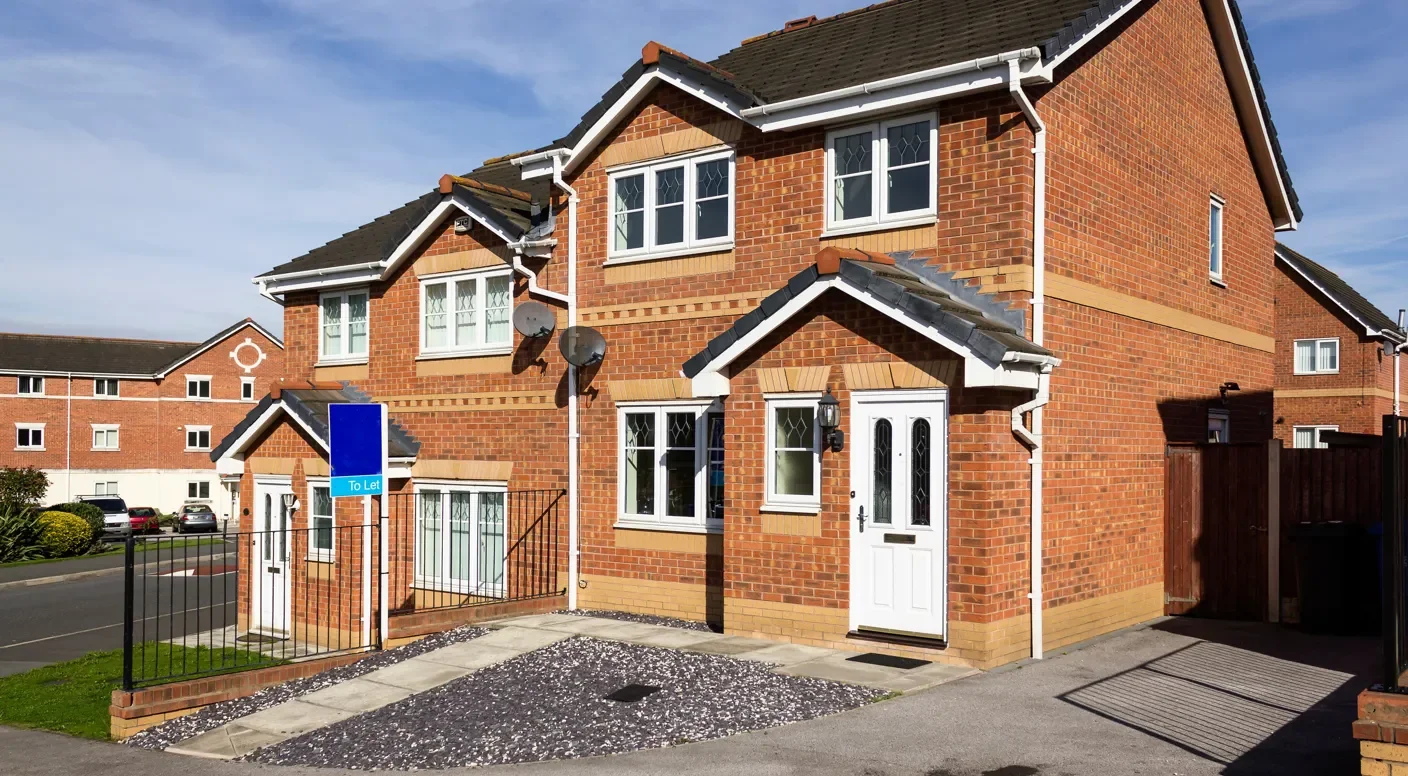
The UK rental market continues to evolve rapidly in 2026, shaped by changing legislation, economic pressures, shifting tenant expectations, and ongoing housing shortages. For landlords, understanding these developments is essential for making informed investment decisions, maintaining profitability, and ensuring compliance with increasingly complex regulations.
Over the past few years, the private rented sector has undergone significant transformation. Rising interest rates, higher maintenance costs, evolving energy efficiency standards, and proposed tenancy reforms have all influenced how landlords manage their properties. At the same time, strong tenant demand across many parts of the country has continued to support rental growth and occupancy levels.
Whether you own a single buy-to-let property or manage a larger portfolio, staying informed about market conditions can help you maximise returns while reducing potential risks. This overview examines the major trends, challenges, and opportunities affecting landlords across the UK rental market in 2026.
Table of Contents
Strong Tenant Demand Continues Across Much of the UK
One of the defining features of the UK rental market in 2026 remains the imbalance between supply and demand. Demand for rental accommodation continues to outpace the number of available properties in many regions, creating competitive conditions for tenants and generally favourable circumstances for landlords.
Several factors contribute to this ongoing demand. Rising house prices and mortgage affordability challenges have delayed homeownership for many first-time buyers. Higher deposit requirements and stricter lending criteria mean that many households remain in the rental sector for longer than originally planned.
Affordability Challenges for Buyers
Although mortgage rates have stabilised compared to previous years, affordability remains a concern for many prospective buyers. Increased living costs and stricter affordability assessments continue to limit purchasing power, particularly among younger households.
As a result, a significant proportion of people who may previously have entered the housing market are continuing to rent, supporting sustained demand across the private rented sector.
Population Growth and Household Formation
Population growth, immigration, and changing household structures continue to increase demand for rental accommodation. More people are choosing to live independently, while students, young professionals, and relocating workers remain key drivers of demand in many urban areas.
University cities and employment hubs continue to experience particularly strong demand, often resulting in low vacancy rates and competitive rental markets.
Regional Rental Market Performance

While national trends provide useful context, rental market conditions vary considerably between regions. Some areas continue to experience rapid rental growth, while others have seen more moderate increases.
Northern cities remain particularly attractive due to their combination of affordability, economic development, and growing populations. Meanwhile, London continues to offer strong rental demand despite affordability pressures.
Growth in Northern Cities
Cities such as Bradford, Leeds, Manchester, Liverpool, and Newcastle continue attracting both investors and tenants. Large student populations, ongoing regeneration projects, and relatively affordable property prices contribute to strong rental demand.
Landlords in these markets often benefit from attractive yields compared to many southern regions where property acquisition costs are significantly higher.
Suburban Areas Remain Popular
The growth of hybrid working has maintained interest in suburban locations. Many tenants now prioritise larger living spaces, gardens, and quieter neighbourhoods while commuting less frequently.
This trend has increased demand in commuter towns and suburban areas that offer a balance between affordability and accessibility.
Legislative and Regulatory Changes Affecting Landlords
Regulation remains one of the most important considerations for landlords in 2026. Governments across the UK continue implementing measures aimed at improving tenant protections and housing standards.
Understanding and complying with these changes is critical, as non-compliance can result in significant financial penalties and legal complications.
Tenancy Reform Developments
Proposed tenancy reforms continue to reshape landlord responsibilities. Many landlords are paying close attention to changes affecting tenancy agreements, possession procedures, and tenant rights.
The focus of many reforms remains on creating greater security for tenants while balancing the interests of responsible landlords.
Compliance Requirements
Landlords face increasing obligations relating to safety standards, documentation, and property maintenance.
Areas requiring ongoing attention include gas safety certification, electrical inspections, smoke alarms, carbon monoxide detectors, deposit protection requirements, and right-to-rent checks.
Failure to comply with these requirements can create legal risks and potentially affect a landlord's ability to regain possession of a property when necessary.
Energy Efficiency and Sustainability Expectations
Energy efficiency has become a major factor within the rental market. Rising utility costs have made tenants increasingly conscious of a property's energy performance.
Properties with strong energy efficiency credentials often attract greater tenant interest and may command higher rental values in some markets.
The Importance of EPC Ratings
Energy Performance Certificate (EPC) ratings continue to influence tenant decision-making. Prospective renters are increasingly comparing energy costs when choosing between properties.
Landlords with poorly performing properties may face pressure to invest in upgrades to remain competitive.
Common improvements include better insulation, modern heating systems, double glazing, smart thermostats, and energy-efficient lighting.
Sustainability as a Market Advantage
Environmental awareness continues to grow among tenants, particularly younger renters. Sustainable features not only reduce running costs but can also enhance a property's marketability.
Landlords who proactively invest in energy improvements may benefit from stronger tenant demand and improved long-term asset value.
Financial Pressures Facing Landlords
While rental demand remains strong, landlords continue to face increasing financial pressures.
Higher borrowing costs, maintenance expenses, insurance premiums, and regulatory compliance costs have affected profitability across the sector.
Mortgage Costs and Financing
Many landlords who previously benefited from historically low interest rates have experienced significant increases in mortgage costs over recent years.
Although interest rates have become more stable, financing remains a major consideration for buy-to-let investors when assessing profitability and future acquisitions.
Landlords with fixed-rate mortgage products approaching renewal are paying particular attention to refinancing opportunities and long-term financial planning.
Rising Maintenance and Repair Costs
Construction materials, contractor fees, and general maintenance expenses have increased considerably.
Routine repairs that were once relatively inexpensive now represent a more substantial operational cost. As a result, many landlords are placing greater emphasis on preventative maintenance to avoid larger future expenses.
Maintaining properties proactively often helps reduce tenant complaints, preserve asset value, and minimise costly emergency repairs.
Changing Tenant Expectations in 2026
Tenant expectations have evolved significantly over the past decade. Modern renters often expect higher standards of accommodation, better communication, and improved property features.
Landlords who understand these expectations are generally better positioned to attract and retain quality tenants.
Demand for Move-In Ready Homes
Many tenants prefer properties that require minimal effort before occupation. Clean, modern, and well-maintained homes tend to attract stronger interest than properties needing cosmetic improvements.
Contemporary kitchens, modern bathrooms, neutral décor, and reliable heating systems continue to rank highly among tenant priorities.
Flexible Living and Home Working
Remote and hybrid working remain important influences on tenant behaviour. Many renters now seek additional space that can function as a home office or flexible working area.
Properties offering reliable broadband connectivity and practical layouts often benefit from broader appeal.
Technology and Smart Home Features
Technology continues to influence rental decisions. Features such as smart thermostats, video doorbells, app-controlled heating systems, and enhanced security measures are becoming increasingly desirable.
While not always essential, these additions can help properties stand out in competitive markets.
Opportunities for Landlords in 2026
Despite ongoing challenges, the UK rental market continues to present opportunities for well-prepared landlords.
Strong tenant demand, limited housing supply, and continued affordability pressures within the owner-occupier market create favourable conditions in many regions.
Portfolio Optimisation
Many landlords are reviewing their portfolios to improve performance. This may involve upgrading existing properties, improving energy efficiency, or focusing on regions with stronger rental yields.
Strategic investment decisions can help maximise long-term returns while reducing exposure to underperforming assets.
Professional Property Management
Increasing regulation has encouraged many landlords to adopt more professional management practices.
Effective tenant screening, proactive maintenance, regular inspections, and clear communication can improve tenant retention and reduce costly disputes. Professional management also helps landlords remain compliant with changing legal requirements.
Conclusion

The UK rental market in 2026 remains dynamic, competitive, and full of both opportunities and challenges for landlords. Strong tenant demand continues to support occupancy levels across many regions, while affordability constraints in the housing market keep a large proportion of households within the rental sector.
At the same time, landlords must navigate increasing regulatory obligations, higher operating costs, evolving energy efficiency expectations, and changing tenant preferences. Success increasingly depends on professionalism, preparation, and a willingness to adapt to market developments.
Landlords who maintain high-quality properties, understand local market conditions, prioritise compliance, and respond to tenant expectations are generally best positioned to achieve long-term success. While the sector continues to evolve, the fundamental demand for rental accommodation remains strong, making residential property an important part of the UK housing landscape in 2026.
Need expert guidance to avoid costly buying mistakes? Contact Armaani Estates now.
FAQs
Is the UK rental market still strong in 2026?
Yes. Demand for rental properties remains high across many parts of the UK due to affordability challenges, housing shortages, and population growth.
Are rents still increasing in 2026?
In many regions, rental values continue to rise, although the rate of growth varies depending on local market conditions and affordability levels.
What is the biggest challenge facing landlords in 2026?
Rising costs, regulatory compliance requirements, and evolving legislation are among the biggest challenges currently affecting landlords.
Do tenants care about EPC ratings?
Yes. Energy efficiency has become increasingly important as tenants seek to reduce utility bills and living costs.
Are buy-to-let investments still worthwhile?
Many landlords continue to achieve strong returns, particularly in areas with high tenant demand and attractive rental yields. However, careful financial planning is more important than ever.
Which UK regions offer strong rental demand?
Northern cities, major university locations, commuter towns, and areas experiencing economic growth continue to attract significant tenant demand.
How can landlords attract better tenants?
Maintaining properties to a high standard, responding quickly to maintenance issues, offering fair tenancy terms, and communicating effectively can help attract and retain quality tenants.
Will regulations continue to increase for landlords?
The regulatory environment continues to evolve, so landlords should stay informed about legislative changes and ensure ongoing compliance with legal requirements.
