
How to Attract More Buyers UK Property
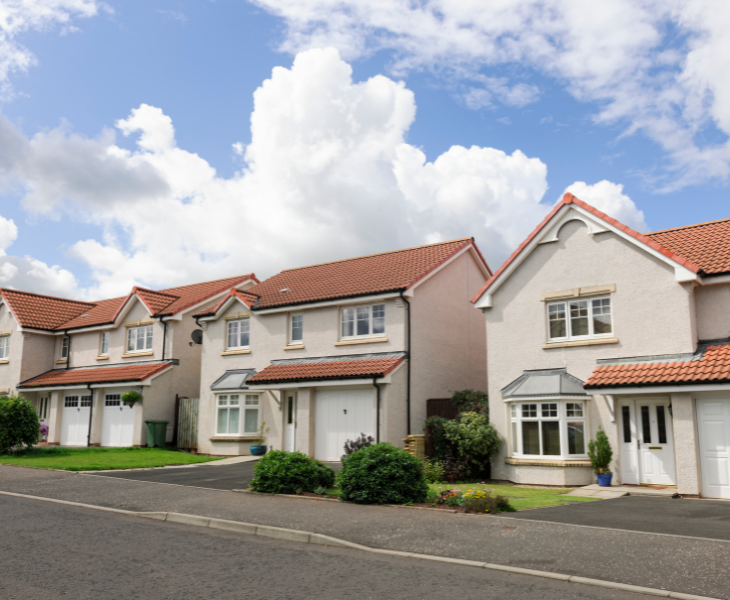
Attracting more buyers in the UK property market has become increasingly complex as economic conditions and buyer behaviour continue to shift. Gone are the days when simply listing a property on a portal would guarantee strong interest. In 2026, higher mortgage rates, tighter affordability checks, and changing lifestyle priorities have made buyers far more cautious and selective. Many are now focused on long-term value, energy efficiency, and location convenience, while also taking more time to research and compare properties before making any decisions. With the rise of digital platforms, buyers are exposed to a vast number of listings within minutes, meaning your property must immediately stand out to capture attention and generate enquiries.
For sellers, this means that attracting buyers requires a strategic and well-executed approach rather than relying on passive exposure. Every detail plays a role, from accurate pricing and high-quality presentation to effective marketing channels and well-timed listings. The goal is not just to attract a high volume of interest, but to engage serious, financially ready buyers who are more likely to proceed. A property that is marketed professionally and thoughtfully will benefit from greater visibility, increased viewings, and stronger competition among buyers, ultimately leading to faster sales and better offers. In today’s competitive market, the difference between an average listing and a well-positioned one can significantly impact both the speed and success of a sale.
Table of Contents
Understanding What UK Buyers Want in 2026

To attract more buyers, you first need to understand their mindset. UK buyers today are more cautious due to higher mortgage rates and ongoing cost-of-living pressures. This has made them more value-focused and selective in their decision-making.
Modern buyers are looking for properties that offer practicality, efficiency, and long-term suitability. Energy efficiency is now a major factor, with many buyers prioritising homes that are cheaper to run. Features such as double glazing, modern heating systems, and good insulation are increasingly important.
Lifestyle considerations also play a significant role. Buyers are paying more attention to space, layout, and flexibility. Properties that offer home office potential, outdoor areas, or adaptable living spaces are particularly attractive. Location remains critical, but buyers are often willing to compromise on location if they find better value elsewhere. Understanding these priorities allows you to position your property in a way that aligns with current demand, making it more appealing from the outset.
Pricing Your Property to Generate Maximum Interest
Pricing is arguably the most important factor in attracting buyers, as it shapes how your property is perceived from the very beginning and determines its competitiveness in the market. Before arranging a viewing, buyers will compare your property with similar homes and assess whether it offers genuine value. In today’s data-driven UK market, where buyers can easily access sold prices and local trends, an unrealistic asking price can quickly deter interest. Additionally, most buyers search within fixed price brackets, so even pricing slightly above common thresholds can limit your property’s visibility and prevent it from appearing in relevant searches.
A well-priced property generates immediate attention and builds early momentum, which is crucial in the first few weeks of marketing. When buyers see clear value, they are more likely to act quickly, book viewings, and submit offers before competition increases. This can create a sense of urgency and, in some cases, lead to multiple offers that strengthen your negotiating position and push the final sale price higher. Strong early demand also reinforces the perception that the property is desirable, encouraging more serious buyers to engage.
On the other hand, overpricing can significantly reduce interest and slow down the entire selling process. Properties that remain on the market for too long often become less appealing, as buyers may assume there are hidden issues or that the seller is unrealistic. This can lead to price reductions later on, which may weaken your position and result in lower offers than if the property had been priced correctly from the start. Setting the right price from day one is therefore essential for attracting the right buyers and achieving the best possible outcome.
Creating Strong First Impressions That Convert
First impressions play a decisive role in attracting buyers. In most cases, a buyer’s first interaction with your property will be through online images. Within seconds, they will decide whether to click on your listing or move on to another.
Kerb appeal is the first step in making a positive impression. The exterior of your property should look clean, well-maintained, and inviting. Simple improvements such as mowing the lawn, cleaning pathways, and repainting doors can make a significant difference.
Inside the property, the presentation should focus on creating a sense of space, light, and cleanliness. Decluttering is essential, as it allows buyers to focus on the property itself rather than personal belongings. Neutral décor helps appeal to a wider audience and makes it easier for buyers to imagine themselves living in the space.
A strong first impression not only attracts buyers but also sets the tone for the entire viewing experience.
Using Professional Photography to Capture Attention
In a digital-first property market, photography has become one of the most powerful tools for attracting buyers, as it is often the first interaction they have with your home. Before reading descriptions or checking details, buyers are drawn in or put off by the quality of the images they see online. High-quality visuals can dramatically increase click-through rates and enquiries, while poor or low-resolution images can cause potential buyers to scroll past without a second thought. In a highly competitive environment where hundreds of listings are viewed in minutes, strong photography is essential for making a lasting first impression.
Professional photographers bring a level of expertise that goes far beyond simply taking pictures. They understand how to use natural and artificial lighting, choose the most flattering angles, and compose shots that highlight space, flow, and key features. Well-executed images can make rooms appear brighter, larger, and more inviting, helping buyers to emotionally connect with the property before they even step inside. This improved perception can significantly influence whether a buyer decides to arrange a viewing, making professional photography a worthwhile investment rather than an optional extra.
In addition to still images, video tours and aerial photography are becoming increasingly important in modern property marketing. Video walkthroughs offer a more immersive and realistic experience, allowing buyers to understand the layout and flow of the home in a way that photos alone cannot achieve. Drone footage can further enhance a listing by showcasing the surrounding area, garden size, and overall setting, particularly for larger or uniquely located properties. By investing in high-quality visual content across multiple formats, sellers can create a more engaging and memorable listing that stands out, attracts serious interest, and ultimately leads to more viewings and stronger offers.
Writing Property Descriptions That Engage Buyers
A well-written property description is essential for converting initial interest into genuine enquiries, as it bridges the gap between attractive visuals and a buyer’s decision to take the next step. While photographs capture attention, it is the description that provides context, builds interest, and creates an emotional connection. Rather than simply listing features, an effective description tells a story about the property, helping potential buyers imagine what it would be like to live there. In a competitive market, this narrative approach can make a listing far more memorable and engaging.
The most effective descriptions focus on benefits rather than just basic specifications. Instead of stating “large living room,” it is far more impactful to describe it as a “bright and spacious living area ideal for relaxing evenings or entertaining guests.” This subtle shift in language allows buyers to visualise how the space fits into their lifestyle, making the property feel more relevant and desirable. Highlighting key selling points such as natural light, modern finishes, or convenient location features can further strengthen this appeal and differentiate the property from similar listings.
Clarity, structure, and tone are equally important in ensuring the description is easy to read and engaging. Key details should be presented logically, with important information easy to identify at a glance. Using simple, concise language helps maintain the reader’s attention, while avoiding overly technical jargon or excessive detail prevents the listing from feeling overwhelming. A strong, well-balanced description works in harmony with high-quality visuals to present a complete and appealing picture, ultimately encouraging more enquiries, more viewings, and a stronger level of buyer interest.
Maximising Exposure Through Online Portals
Online property portals are now the primary way buyers discover homes in the UK, making them one of the most important channels for attracting interest. The majority of buyers begin their search online, often browsing multiple listings in a short amount of time, which means your property needs to capture attention immediately. Ensuring your listing is fully optimised on these platforms is essential, as even small improvements in presentation can significantly increase visibility, click-through rates, and enquiries.
Optimisation starts with selecting the most compelling images for the main display, as this is the first element buyers will notice when scrolling through search results. A strong lead image should highlight the property’s best feature, whether that is a bright living space, modern kitchen, or attractive exterior. Alongside this, a clear and engaging headline can make a meaningful difference by summarising the property’s key selling points in a concise and appealing way. Providing complete, accurate, and well-structured information is equally important, as buyers are more likely to engage with listings that answer their key questions upfront and present details in an easy-to-read format.
In addition to basic optimisation, premium or featured listing options can further boost visibility, particularly in highly competitive areas. These placements ensure your property appears at the top of search results or is highlighted more prominently, increasing the chances of being seen by serious buyers. While they involve an additional cost, they can be highly effective in generating early momentum and attracting more enquiries. Ultimately, maximising exposure across property portals ensures your listing reaches the widest possible audience, increasing the likelihood of securing more viewings, stronger interest, and a successful sale.
Leveraging Social Media to Expand Reach

Social media has become an important part of property marketing, allowing homes to reach a wider audience beyond traditional property portals. While portals target active buyers, platforms like Instagram and Facebook help attract people who may not be actively searching but become interested after seeing engaging content. This added exposure increases overall visibility and can generate more enquiries in a competitive market.
These platforms are especially effective for sharing visual content such as photos, short videos, and property walkthroughs, which quickly capture attention and encourage interaction. Social media also supports organic sharing, meaning a property can be seen by a much larger audience through likes, comments, and reposts. By including social media in your marketing strategy, you can expand reach and improve your chances of attracting more potential buyers.
Offering Virtual Tours to Increase Accessibility
Virtual tours have become increasingly important in attracting buyers, particularly in a market where convenience and speed play a major role in decision-making. They allow potential buyers to explore a property in detail from anywhere in the world, removing the need for immediate physical attendance. This is especially valuable for out-of-area buyers, busy professionals, or those relocating, as it gives them a realistic sense of the space before committing to a viewing.
This added accessibility significantly increases the pool of potential buyers and improves the efficiency of the search process. Buyers who choose to proceed to in-person viewings after completing a virtual tour are often more serious, better informed, and further along in their decision-making journey. As a result, virtual tours can help reduce wasted viewings while improving the quality of enquiries received.
In addition to practicality, virtual tours also enhance the overall presentation of a listing by making it feel more modern, professional, and engaging. They demonstrate a higher level of marketing investment and help properties stand out in a crowded market. This improved presentation can leave a stronger impression on buyers and increase the likelihood of generating sustained interest.
Presenting Your Property Through Home Staging
Presentation is a key factor in attracting buyers, and home staging can significantly improve how a property is perceived both online and in person. The goal of staging is to create a clean, inviting, and neutral environment that allows potential buyers to easily imagine themselves living in the space. In today’s competitive UK market, where first impressions are often formed within seconds of viewing photos, a strong presentation can directly influence whether a buyer decides to book a viewing or move on to another listing.
Simple design choices such as neutral colours, decluttered rooms, and well-positioned furniture help create a sense of space, flow, and balance throughout the home. Good lighting is equally important, as bright rooms naturally feel larger and more welcoming. Even small improvements—such as adding mirrors, rearranging furniture, or enhancing lighting can noticeably elevate appeal. A well-presented property not only attracts more interest but can also lead to stronger offers from buyers who connect with the space more easily.
Targeting the Right Type of Buyer
Not every property appeals to every buyer, which is why identifying your target audience is essential for effective marketing. A one-size-fits-all approach often leads to weaker engagement, whereas a focused strategy ensures your property is presented in a way that resonates with the right group of buyers. Understanding who is most likely to be interested allows you to position the property more strategically from the outset, improving both visibility and conversion rates.
For example, a modern city apartment is more likely to appeal to young professionals who prioritise convenience, transport links, and lifestyle amenities, while larger suburban or family homes tend to attract buyers looking for space, good schools, and long-term stability. Similarly, property investors will focus on factors such as rental yield, demand in the area, and potential for capital growth rather than purely aesthetic features. Highlighting the aspects that matter most to each group ensures your marketing speaks directly to their priorities.
By tailoring your messaging, imagery, and key selling points to your intended audience, you significantly increase the chances of attracting serious and relevant enquiries. This targeted approach not only improves engagement but also reduces wasted viewings, helping you connect with motivated buyers who are more likely to proceed. In a competitive market, precision in targeting can make a noticeable difference to both the speed and success of a sale.
Working with the Right Estate Agent
An experienced estate agent plays a crucial role in attracting buyers by combining local market knowledge with proven marketing strategies. Their understanding of pricing trends, buyer demand, and area-specific conditions helps position a property correctly from the outset, ensuring it appeals to the right audience. In many cases, they also have access to an active database of pre-qualified buyers who are already searching for similar properties, which can generate early interest even before the listing reaches wider online exposure. This early momentum is often key to securing viewings quickly and maintaining strong buyer engagement.
A good estate agent does far more than simply upload a listing to property portals. They actively promote the property across multiple channels, advise on presentation and pricing strategy, and ensure the listing is optimised with strong visuals and compelling descriptions. They also manage enquiries, filter out less serious interest, and focus on connecting sellers with motivated buyers who are ready to proceed. Their negotiation skills further help maximise offers and protect the seller’s position throughout the process. This hands-on approach often results in higher-quality leads and a more efficient sales journey.
Ultimately, selecting the right estate agent can have a significant impact on both the speed of sale and the final price achieved. A proactive and experienced agent helps maintain consistent interest, reduces time on the market, and improves the likelihood of competitive offers. Their guidance throughout the entire process—from marketing to negotiation ensures the property is presented in the strongest possible light, making them a key factor in achieving a successful outcome in a competitive property market.
Timing Your Listing for Maximum Impact
Timing can have a significant influence on how many buyers your property attracts, as buyer activity in the UK market tends to fluctuate throughout the year. Traditionally, periods such as spring and early autumn are associated with higher levels of movement, as improved weather, longer daylight hours, and a general sense of renewed activity encourage more people to begin or continue their property search. During these peak seasons, there is often increased competition among buyers, which can result in more viewings and stronger engagement for well-presented properties.
However, timing is not determined by season alone and is also heavily influenced by broader market conditions. Factors such as interest rates, mortgage availability, inflation, and local supply and demand all play a crucial role in shaping buyer confidence and activity levels. Even outside of peak seasonal periods, a strong and active market can still generate substantial interest if conditions are favourable. Listing your property when buyer demand is high and competition between buyers is strong, can significantly improve visibility and increase the likelihood of receiving multiple enquiries.
Careful and strategic timing ensures that your property enters the market when it is best positioned to attract attention and perform well against competing listings. By aligning your launch with periods of strong buyer sentiment and favourable market conditions, you increase the chances of achieving quicker interest, more viewings, and potentially stronger offers. In a competitive property market, timing your launch effectively can be just as important as pricing and presentation in determining overall success.
Using Feedback and Data to Refine Your Strategy
Monitoring performance and responding to feedback is essential for maintaining strong buyer interest throughout the selling process. Tracking key indicators such as listing views, enquiry rates, and viewing feedback provides valuable insight into how your property is being received in the market. These metrics help identify whether the listing is generating sufficient attention and whether buyers are engaging with the property in the way expected. In a competitive UK property market, this ongoing analysis is crucial for understanding what is working and what may need improvement.
If interest is lower than anticipated, timely adjustments can make a significant difference to overall performance. This may involve refining the property presentation, updating or replacing photographs, improving the listing description, or reassessing the asking price to better align with market expectations. Even small changes can have a noticeable impact on visibility and buyer engagement. A flexible and responsive approach ensures that the marketing strategy remains effective and relevant, helping to maintain momentum and attract more serious enquiries throughout the entire sales process.
Avoiding Common Mistakes That Reduce Buyer Interest
Certain mistakes can significantly limit the number of buyers your property attracts, often reducing both interest and overall market performance. One of the most common issues is overpricing, which can immediately discourage potential buyers and reduce visibility on property portals. Since most buyers filter searches within strict price brackets, an unrealistic asking price may cause your property to be excluded from relevant results altogether, leading to fewer enquiries and slower progress.
Other factors such as poor presentation, low-quality photography, and weak online exposure, can also have a major negative impact. If a property does not appear visually appealing or fails to stand out in search results, buyers are far more likely to overlook it in favour of better-presented alternatives. In a highly competitive market, first impressions are critical, and even small weaknesses in presentation or marketing can significantly reduce engagement.
By avoiding these common mistakes and focusing on accurate pricing, strong presentation, and effective online visibility, you can position your property more competitively in the market. A well-presented and correctly marketed listing is far more likely to attract attention, generate consistent enquiries, and appeal to serious buyers. Ultimately, careful attention to these details ensures your property is seen as a desirable and competitive option rather than being lost among similar listings.
Combining Traditional and Digital Marketing Approaches
While digital marketing has become the dominant force in modern property sales, traditional methods still hold meaningful value in attracting buyers. “For Sale” boards remain a visible and effective tool, particularly for local buyers who may already be familiar with the area or actively searching within a specific neighbourhood. Local advertising, such as community boards or printed materials, can also help reach audiences who may not be actively browsing online portals but could still be interested in moving. In addition, word-of-mouth referrals continue to play a subtle but important role, as personal recommendations often carry strong trust and influence.
The most effective property marketing strategy combines both digital and traditional approaches to ensure maximum exposure. While online platforms provide broad reach and targeted visibility, traditional methods help reinforce local awareness and capture additional interest from nearby buyers. By using both channels together, sellers can significantly widen their audience, increase the chances of enquiries, and create multiple touchpoints for potential buyers. This integrated approach ensures that no opportunity is missed and that the property is positioned in front of as many relevant buyers as possible.
Conclusion
Attracting more buyers in the UK property market requires a structured and well-executed strategy that brings together pricing, presentation, and effective marketing. In today’s competitive environment, simply listing a property is no longer enough to guarantee interest. Buyers are more informed, selective, and cautious, meaning every stage of the selling process must work together to capture attention. From setting the right asking price to ensuring strong visual presentation and clear, engaging descriptions, each element plays a key role in generating enquiries and encouraging viewings.
In 2026, the properties that attract the most buyers are those that are competitively priced, well-presented, and marketed across multiple channels to maximise visibility. High-quality images, strong online exposure, and targeted promotion all contribute to creating early momentum and sustained interest. When combined with an understanding of buyer behaviour and current market conditions, these strategies help sellers reach the right audience more effectively. Ultimately, a consistent and well-planned approach leads to increased enquiries, stronger competition, and better overall results in a challenging property market.
Struggling to get enough interest in your home? Speak to Armaani Estates today.
FAQs
How can I attract more buyers quickly in the UK?
To attract buyers quickly, focus on competitive pricing, strong presentation, and maximum online exposure. Listings that are well-priced and visually appealing tend to generate the highest early interest.
Do virtual tours really make a difference?
Yes, virtual tours can significantly improve engagement. They help serious buyers explore the property remotely, which increases convenience and often leads to more qualified viewings.
Is social media necessary for selling property?
It is not essential, but it is highly beneficial. Social media platforms can expand reach beyond traditional portals and increase visibility through targeted content and sharing.
What is the biggest mistake sellers make?
Overpricing is the most common mistake. It reduces visibility, limits enquiries, and can cause a property to stagnate on the market.
Should I invest in home staging?
Yes, home staging is often worthwhile. It enhances presentation, improves first impressions, and helps buyers visualise the property as a future home.
How important is an estate agent?
A good estate agent is very important. They provide pricing expertise, marketing strategy, and negotiation support, which can improve both the speed and final sale price of a property.
