
Why Your Property Isn’t Getting Viewings UK
In a highly competitive UK property market, a lack of viewings is often a clear warning sign that something in your selling strategy is not performing as it should. With most buyers beginning their search online and comparing multiple properties within minutes, first impressions have become more important than ever. Even a well-located or high-quality home can struggle to attract attention if it is not presented or positioned correctly. In many cases, low viewing levels are not random; they usually point to specific issues that are limiting visibility, reducing appeal, or preventing buyers from taking the next step.
Understanding why your property isn’t generating viewings is the essential first step toward improving its performance and turning interest into action. Common factors such as unrealistic pricing, weak or outdated presentation, poor photography, or limited exposure across major property portals can all have a direct impact on buyer engagement. In today’s digital-first market, buyers expect accurate information, strong visuals, and clear value before they commit to a viewing. By identifying and addressing these barriers early, sellers can reposition their property more effectively, increase enquiries, and build the momentum needed to attract serious, motivated buyers.
Table of Contents
How Buyers Search for Property in 2026
Most UK buyers now begin their property search online using property portals and mobile apps, making digital visibility a critical factor in whether a home attracts interest or gets overlooked. These platforms allow users to apply detailed filters such as price range, location, property type, and specific features, which means listings must be accurately positioned to appear in relevant searches. If a property is slightly mispriced or incorrectly categorised, it may not show up in key search results at all, significantly reducing its exposure to potential buyers from the very beginning.
Once buyers do see a listing, their decision-making process is often extremely fast. Most will scroll through multiple properties within seconds, only pausing on those that immediately stand out in terms of price, presentation, or perceived value. This creates a highly competitive environment where strong visuals, clear information, and realistic pricing are essential to capturing attention. If a listing fails to make an immediate impact, it is very likely to be skipped in favour of more appealing alternatives.
In 2026, buyer behaviour is further shaped by ongoing affordability concerns, higher mortgage costs, and tighter lending criteria, all of which make buyers more cautious and selective. As a result, even small issues in pricing strategy or property presentation can significantly reduce engagement. Properties that are not aligned with current market expectations tend to receive fewer clicks, fewer enquiries, and ultimately fewer viewings, highlighting the importance of precise positioning in today’s market.
Overpricing Compared to Market Expectations
One of the most common reasons a property does not receive viewings is incorrect pricing, particularly when it is set above comparable homes in the local area. In today’s data-driven UK market, buyers have easy access to sold prices and current listings, allowing them to quickly assess whether a property represents good value. If a home appears overpriced compared to similar properties, it is often ignored entirely, regardless of its features or condition, simply because it does not align with buyer expectations.
Buyers are also highly price-sensitive and tend to compare multiple listings side by side before deciding which properties are worth viewing. Even a relatively small difference in asking price can push a property outside a buyer’s preferred search range or make it less competitive against similar options. Since most buyers use strict budget filters on property portals, pricing accuracy directly affects visibility as well as interest. If a property is not correctly positioned within these ranges, it risks being excluded from key search results altogether.
Overpricing can also create a negative psychological effect that becomes harder to reverse over time. When a property remains on the market without offers or viewings, buyers often begin to assume there may be underlying issues, even when none exist. This can lead to reduced confidence and further discourage interest. In contrast, correctly priced properties tend to generate immediate attention, stronger engagement, and a higher likelihood of early viewings, often resulting in more competitive offers and a faster sale process.
Poor First Impression in Online Listings
In most cases, the first impression of your property is formed online rather than in person, which makes digital presentation a critical factor in generating viewings. Buyers typically browse through dozens of listings in a short space of time, meaning your property only has a few seconds to capture attention before they move on. If the listing does not immediately stand out in terms of clarity, brightness, and overall appeal, it is very likely to be skipped in favour of more visually engaging alternatives.
One of the biggest reasons properties fail to generate viewings is the use of dark, low-quality, or poorly composed images that do not reflect the true potential of the space. Poor lighting, awkward angles, and rushed photography can make even well-maintained homes appear uninviting or smaller than they actually are. In addition, cluttered or untidy rooms can distract buyers and prevent them from visualising how the space could work for them, which significantly reduces emotional engagement with the property.
Even when a property is in good condition and well-located, weak visual presentation can severely limit interest and reduce the likelihood of buyers taking the next step. Strong, high-quality imagery is essential for creating a positive first impression, building trust, and encouraging viewers to explore the listing further. Without it, even competitively priced homes can struggle to achieve the level of attention they deserve in a highly competitive market.
Weak or Incomplete Property Descriptions
A property description plays a much bigger role than many sellers realise, as it often acts as the final push that convinces a buyer to arrange a viewing. While images create the first impression, the description provides context, clarity, and emotional appeal. If it is too short, overly generic, or missing key details, buyers may lose interest quickly or assume the property does not offer anything special compared to others in the same price range. Descriptions that simply list basic features without explaining their benefits often struggle to generate engagement. Buyers are not only looking for specifications such as room counts or dimensions, but they also want to understand how the property supports their lifestyle, comfort, and daily needs. When this connection is missing, the listing can feel flat and uninspiring, even if the property itself is of good quality and well-located.
As a result, a weak or poorly written description can make a strong property appear average when compared to more compelling listings. Competing properties that use engaging language, highlight lifestyle benefits, and present information clearly are far more likely to hold attention and encourage enquiries. In a competitive market, well-crafted descriptions can be the difference between a listing that is ignored and one that generates consistent viewing requests.
Lack of Online Visibility and Portal Optimisation
Even a well-priced and well-presented property can struggle to generate viewings if it lacks strong visibility in the market. In the UK, most buyers rely heavily on major property portals to discover homes, and these platforms are highly competitive, with hundreds of similar listings appearing in the same search results. If a property is not properly optimised, it can easily become buried beneath more engaging or better-structured listings, significantly reducing the chances of it being seen by serious buyers.
Poor listing structure, incomplete information, or weak and uninspiring headlines can all have a direct impact on how well a property performs online. Buyers tend to click on listings that are clear, informative, and immediately relevant to their search criteria, so anything that creates confusion or lacks detail can result in lost interest. In addition, properties that are not regularly updated or refreshed may gradually lose prominence within portal algorithms, meaning they appear lower in search results over time. Without strong and consistent visibility, even attractive properties can fail to reach their target audience, simply because too few buyers are seeing them in the first place. This reduced exposure directly translates into fewer clicks, fewer enquiries, and ultimately fewer viewings. In a competitive digital market, ensuring ongoing visibility is just as important as pricing and presentation when it comes to attracting genuine buyer interest.
Limited or No Social Media Exposure
Relying only on property portals can significantly limit your reach in today’s UK property market. While portals remain the main starting point for serious buyers, they are no longer the only effective way people discover homes. In 2026, social media plays a much larger role in shaping property interest, especially among younger buyers, first-time purchasers, and even investors who often engage with property content before actively searching. Without extending your marketing beyond portals, your property risks being seen by a narrower audience, reducing overall exposure and potential enquiries.
Platforms such as Facebook and Instagram now act as powerful discovery tools, where buyers engage with images, videos, and short walkthrough content in a more informal and visual way. Properties that are shared regularly on these platforms benefit from increased visibility, wider reach, and organic sharing across networks, which can generate additional interest outside traditional search behaviour. Without this social media presence, your property may miss out on motivated buyers who are not constantly browsing portals but are still active in the market, ultimately leading to fewer viewings and reduced engagement.
Poor Presentation During Viewings
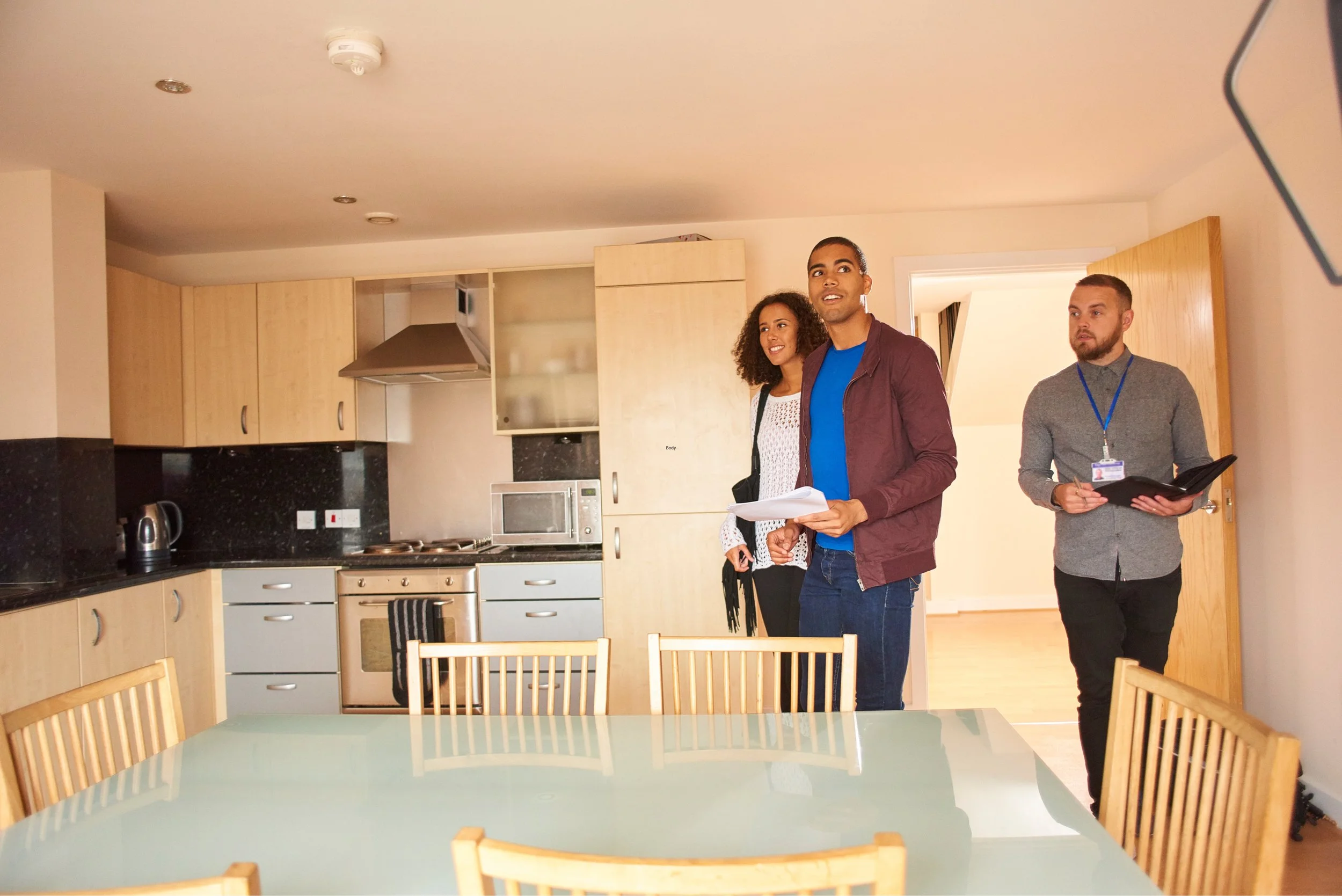
Even if buyers are initially willing to view your property, a poor in-person presentation can quickly reduce their interest and limit the chances of receiving offers. First impressions do not end online; once a buyer steps inside the property, their perception is shaped immediately by cleanliness, lighting, space, and overall atmosphere. A cluttered, dark, or poorly maintained home can create doubt in a buyer’s mind, even if the property is structurally sound or well-priced, ultimately discouraging them from progressing further.
Buyers also need to be able to imagine themselves living in the space, and this becomes difficult when personal items, excessive furniture, or disorganised rooms dominate the environment. If spaces feel cramped or overly personalised, it reduces emotional connection and makes it harder for buyers to visualise the property as their future home. This emotional disconnect is often one of the main reasons viewings do not convert into offers, even when initial online interest is strong.
However, small but focused improvements can make a significant difference to how a property is perceived during viewings. Simple actions such as deep cleaning, decluttering, rearranging furniture to improve flow, and enhancing lighting can instantly make rooms feel brighter, larger, and more inviting. When a property feels well cared for and easy to live in, buyers are more likely to stay engaged, form a positive impression, and take the next step towards making an offer.
Misalignment With Target Buyer Group
Sometimes a property is not attracting viewings simply because it is being marketed to the wrong audience. Every property has a clear ideal buyer profile based on factors such as price range, location, property type, and even lifestyle appeal. When the marketing does not align with this profile, the listing may fail to reach the people who are most likely to be interested, resulting in lower engagement even if the property itself is strong.
For example, a family home is typically best suited to buyers looking for space, good schools, and long-term stability, rather than investors focused purely on rental yield. Similarly, a city-centre apartment is more likely to appeal to young professionals or first-time buyers who prioritise convenience and transport links, rather than larger households. If the listing fails to highlight the features that matter most to these specific groups, it can easily attract the wrong type of attention or very little response at all.
This misalignment between marketing and buyer expectations can significantly reduce enquiries and viewings, even when the property is competitively priced and well-presented. When the messaging, imagery, and targeting are not tailored correctly, the listing becomes less relevant to its strongest potential audience. By refining the marketing approach to match the right buyer profile, sellers can improve engagement, increase serious enquiries, and generate more consistent viewing activity.
Lack of Professional Photography or Marketing Quality
In today’s highly competitive UK property market, low-quality photography is one of the quickest ways to lose potential buyer interest. Because most buyers begin their search online, the first impression of a property is almost entirely visual, and poorly lit, blurry, or smartphone images can immediately reduce its appeal. Even well-maintained or highly desirable homes can appear uninviting if they are not presented properly, leading buyers to scroll past without clicking, enquiring, or considering a viewing. In a market where hundreds of listings compete for attention, weak visuals can significantly limit visibility and engagement.
Professional photography helps ensure a property is showcased in the best possible way, highlighting space, natural light, proportions, and overall layout in a more accurate and appealing manner. High-quality images not only improve how the property is perceived but also create a stronger emotional connection with buyers, increasing the likelihood of clicks, enquiries, and viewings. However, marketing quality is not limited to photography alone. It also includes the structure of the listing, the clarity and effectiveness of the property description, headline quality, and the overall presentation across property portals. When these elements are weak, inconsistent, or poorly executed, even competitively priced properties can struggle to stand out against more professionally marketed homes.
Limited Engagement From Estate Agent

An estate agent plays a crucial role in generating viewings, and the level of effort they put into marketing can directly influence how much interest your property receives. When a property is not actively promoted, followed up, or adjusted based on performance, even strong listings can struggle to gain traction. Low viewing numbers are often linked less to the property itself and more to how effectively it is being presented and pushed into the market.
There is a clear difference between agents who simply upload a property to a portal and wait for enquiries, and those who take a proactive, targeted approach. Stronger agents actively market the property across multiple platforms, promote it to their buyer database, refresh listings to maintain visibility, and use feedback to refine the strategy where needed. This consistent effort helps keep the property in front of the right audience and increases the likelihood of generating quality viewings.
A review of the agent’s marketing approach can make a significant difference to overall performance. A more engaged and proactive strategy improves exposure, strengthens buyer interest, and ultimately leads to more viewings and better results in a competitive market.
Pricing Rigidity and Lack of Adjustment
A property that remains on the market for a long time without adjustments often starts to lose momentum, and buyer interest naturally declines. In many cases, buyers begin to assume that a long-listed property is overpriced, difficult to sell, or potentially has underlying issues, even when there is no real cause for concern. This perception alone can significantly reduce the number of viewings and weaken overall engagement, as newer listings tend to attract more attention and appear more desirable.
A lack of response from the market usually indicates that pricing, presentation, or marketing strategy is no longer aligned with current buyer expectations. When feedback is not acted upon or pricing is not reviewed in line with market conditions, visibility and appeal can gradually decrease. Even relatively small price adjustments can help reposition the property within search results, refresh interest, and bring it back into active consideration among potential buyers.
Maintaining flexibility is therefore essential in keeping a listing competitive and visible. Responding to market feedback, updating strategy where needed, and ensuring the property remains correctly positioned all contribute to sustained interest. This proactive approach helps prevent stagnation and improves the likelihood of attracting new buyers and securing viewings.
Conclusion
A lack of viewings is usually a sign that something in the marketing or positioning of the property is not aligned with buyer expectations. In 2026, buyers are highly selective, and even small issues in pricing, presentation, or visibility can significantly reduce interest.
The good news is that most of these problems can be corrected. By improving presentation, adjusting pricing strategy, increasing marketing exposure, and ensuring strong online visibility, you can significantly increase the number of viewings your property receives.
Understanding buyer behaviour and adapting to market conditions is key to turning a slow listing into an active one.
Need expert help to turn online interest into actual viewings? Contact Armaani Estates now.
FAQs
Why is my property not getting any viewings in the UK?
The most common reasons include overpricing, poor presentation, weak marketing, or low online visibility. In many cases, buyers are simply not finding the listing appealing enough to click or enquire.
Does overpricing really stop viewings?
Yes, even a small degree of overpricing can significantly reduce visibility. It can push your property out of key search brackets, meaning fewer buyers ever see the listing.
How important are photos in attracting viewings?
Photos are extremely important. Most buyers decide whether to arrange a viewing based primarily on images, so poor-quality photos can dramatically reduce interest.
Can estate agents affect the number of viewings?
Yes, a proactive estate agent can make a big difference. Strong marketing, regular follow-ups, and proper buyer targeting can all increase enquiries and viewing numbers.
Should I reduce the price if I’m not getting viewings?
In many cases, yes. If a property has been on the market for a while with little or no interest, a price adjustment can help reset buyer attention and improve visibility.
Do market conditions affect viewings?
Yes, factors such as interest rates, seasonal trends, and overall affordability levels all influence how active buyers are in the market at any given time.
