
New Housing Developments in Bradford Worth Considering
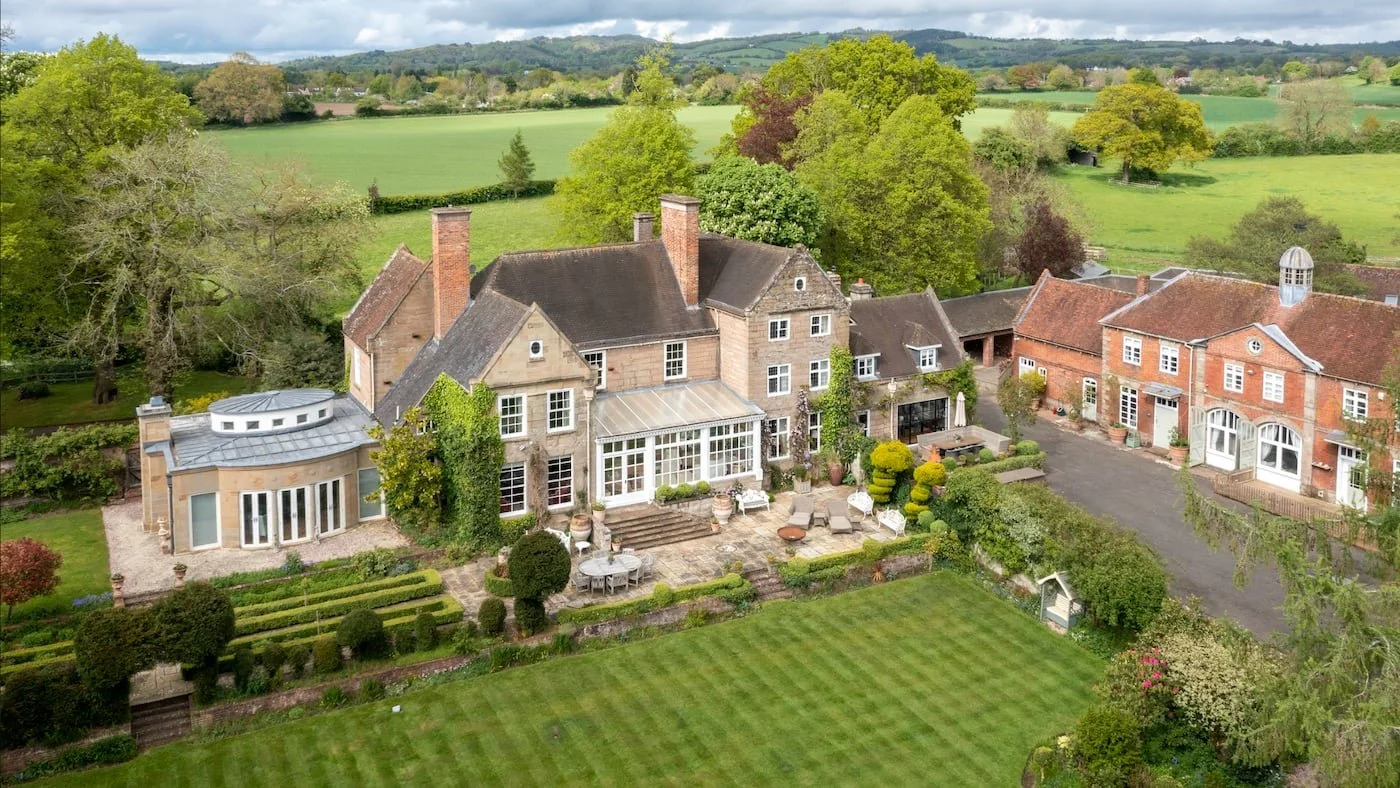
Bradford is seeing a growing range of new housing opportunities, from large regeneration schemes in the city centre to smaller developments of modern family homes across the wider district. For buyers, these projects can provide an alternative to older terraces and traditional housing stock, with newer layouts, improved energy efficiency and contemporary specifications. The choice is also becoming broader, with new homes appearing across locations such as Bradford city centre, Bingley, Baildon, Heaton, Frizinghall, Shipley and surrounding communities. Current property listings show dozens of new-build opportunities across Bradford and a much wider selection throughout the Bradford district.
For people buying a house in Bradford, understanding where development is taking place can be useful when comparing location, price, property type and future potential. Some schemes are designed primarily for owner-occupiers, while others include affordable housing, shared ownership or rental options. New development can also influence established neighbourhoods by improving infrastructure and increasing housing choice.
Table of Contents
Why Are New Homes Appealing?
New-build properties can appeal to buyers who want modern accommodation without immediately taking on the renovation requirements sometimes associated with older homes. Contemporary developments commonly feature open-plan kitchens, modern bathrooms, insulation improvements and newer heating systems. Buyers may also have the opportunity to choose finishes or upgrades when purchasing early enough in the construction process. For some households, this can make budgeting easier because there may be fewer immediate maintenance projects after moving in.
Energy efficiency is another consideration. Older Bradford housing stock can include properties that require improvements to insulation, windows, heating or roofing, whereas newer homes are generally constructed to modern building standards. This does not mean every new home will have identical running costs, so buyers should still examine the property's energy performance and specification carefully.
New homes can also offer different layouts from traditional Bradford terraces. Families may prefer detached or semi-detached houses with gardens and parking, while younger buyers may prioritise apartments or smaller townhouses. An estate agent can help buyers compare these options against existing properties. For anyone searching through an estate agent UK market or local UK estate agents, the important question is not simply whether a property is new, but whether its location, design and price suit the buyer's long-term needs.
What Is Happening In Bradford City Centre?
One of the most significant residential projects to watch is Bradford City Village, a major regeneration scheme planned for the city centre. The wider project is intended to create up to 1,000 homes around the Top of Town and Darley Street areas, alongside public spaces, community facilities and other uses. The first phase has received planning approval and is focused on 97 two- and three-bedroom townhouses across Chain Street and the northern Oastler site.
The development is particularly interesting because it represents more than simply adding houses. It is part of a wider attempt to transform an underused section of Bradford's commercial core into a neighbourhood where people can live, work and access city-centre amenities. The first phase is planned to include homes for sale as well as affordable and social rent, providing a mixture of housing opportunities.
Could City Village Change The Market?
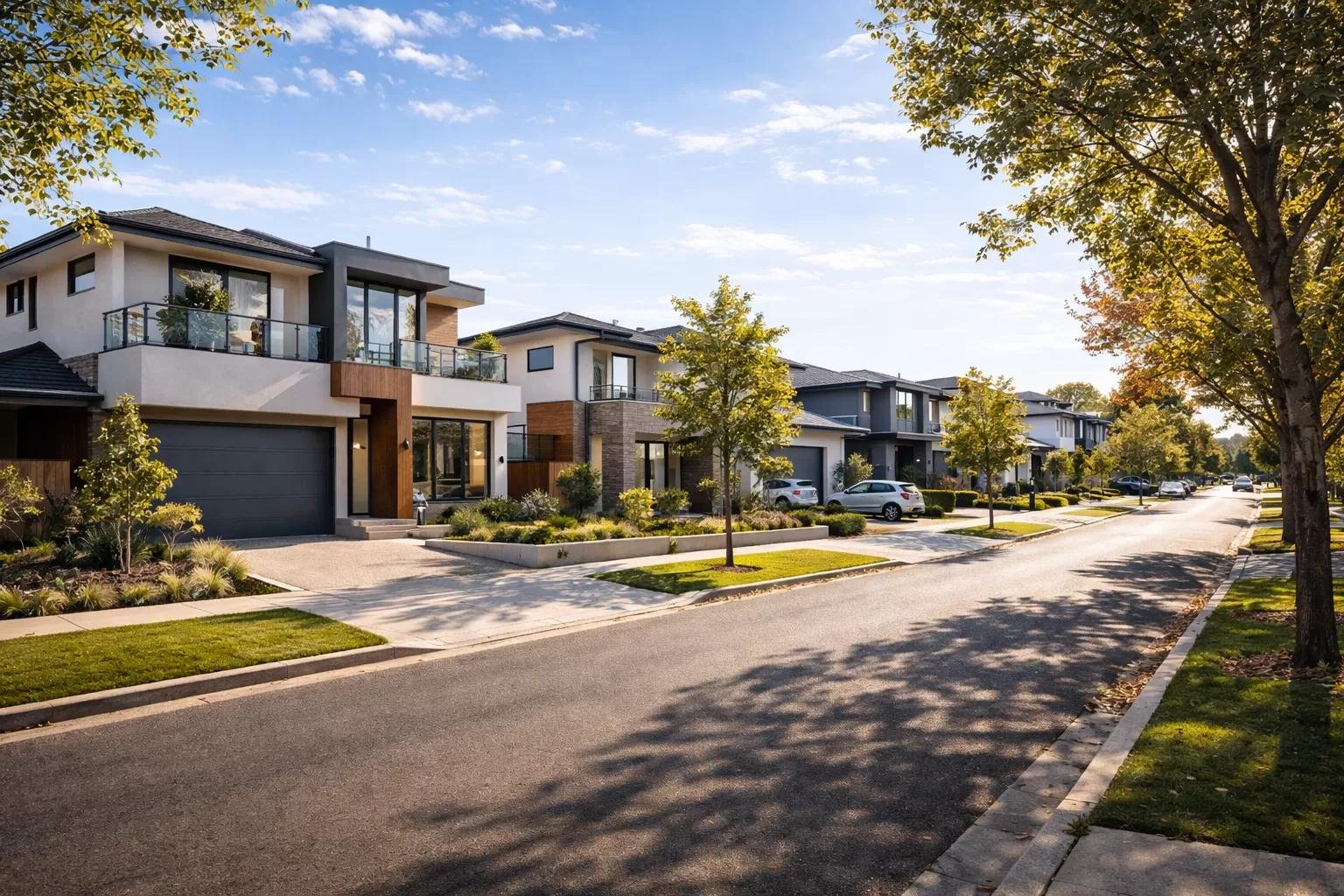
Large regeneration projects can influence a property market in several ways. New homes increase housing supply, while improvements to public spaces, transport connections, retail areas and community facilities can make a location more attractive to residents. City Village is therefore worth watching not only because of the number of planned homes but because of its potential effect on Bradford city centre as a whole. The first phase will include 33 townhouses on Chain Street and another 64 two- and three-bedroom townhouses on the northern Oastler site. Plans include designated parking, green spaces and routes designed to encourage walking and cycling. This combination could appeal to buyers who want access to central amenities while still looking for a neighbourhood-style environment.
For investors, the eventual rental demand will be important. City-centre apartments and townhouses can appeal to professionals, students, workers and households seeking convenient access to services. However, potential investors should assess actual rental evidence rather than assuming that regeneration automatically guarantees strong returns.
An estate agent Bradford buyers trust can provide useful local context when comparing established properties with new developments. Armaani Estates, for example, can offer insight into how buyer demand differs between city-centre homes and established Bradford neighbourhoods. The broader lesson is that regeneration creates potential, but location, property quality, pricing and demand still determine whether an individual purchase makes sense.
Which Areas Have New Homes?
New development is not restricted to Bradford city centre. Current listings show opportunities across several parts of the district, including Heaton, Frizinghall, Bingley, Baildon and the wider Bradford area. Rightmove and Zoopla listings currently show a sizeable selection of new homes and developments, although availability, pricing and completion dates can change quickly.
Heaton can be attractive to buyers seeking established neighbourhoods alongside newer housing opportunities. Current listings include newly built homes in the Heaton Village area, demonstrating how smaller developments can complement existing housing rather than being restricted to large masterplans.
Bingley is another area worth watching, particularly for buyers who want access to established amenities and surrounding countryside. Current listings include new four-bedroom homes around Keighley Road, providing an example of the larger family properties being introduced in the district.
Frizinghall and the surrounding BD9 area also have newer properties, including contemporary family homes. For buyers comparing neighbourhoods, it is useful to consider not only the development itself but schools, commuting routes, local shops, green spaces and the character of the surrounding area. A new house may be attractive, but the wider neighbourhood remains an important part of its long-term value.
Are Bingley And Baildon Worth Watching?
Bingley and Baildon can be particularly interesting for buyers who want newer housing without moving completely away from established West Yorkshire communities. These areas combine residential neighbourhoods with access to transport links, local amenities and attractive surrounding landscapes. Their position within the Bradford district also gives buyers another choice beyond the more urban city-centre environment.
Bingley currently has new-build opportunities, including family houses marketed with modern layouts, integrated appliances and features aimed at contemporary households. The presence of larger homes makes the area worth considering for families who need additional bedrooms, gardens and parking.
Baildon is also seeing housing activity. Bradford Council's planning records show an application for 29 affordable homes on land north of Richard Whiteley Drive, demonstrating that new housing is not limited to private premium developments.
For buyers, the distinction between private new-build and affordable housing is important because eligibility and purchasing arrangements can differ. Buyers should therefore establish exactly what type of property is being offered before making financial assumptions. Anyone Buying House in Bradford should also compare new homes with existing properties nearby. Sometimes an older property with renovation potential may offer more space or land, while a new build may provide lower immediate maintenance requirements.
What About Apartments And City Living?
Apartments form an important part of Bradford's developing housing market, particularly around the city centre. They can suit buyers who value convenience and do not necessarily need a garden or extensive private outdoor space. City-centre living can place residents closer to shops, restaurants, employment, public transport and entertainment, potentially reducing reliance on a car. One example currently listed is Conditioning House on Cape Street, a development involving the restoration of a building into 154 apartments. The scheme demonstrates how Bradford's housing growth includes conversion and regeneration as well as entirely new construction.
For first-time buyers, apartments can sometimes provide a more accessible entry point than larger houses, although service charges, lease terms and management arrangements must be considered carefully. Investors should also examine rental demand, service charges, ground rent arrangements where applicable and the potential for void periods.
New apartments can also change the character of city-centre neighbourhoods by bringing more residents into previously commercial areas. This may support local businesses and increase demand for services. However, buyers should avoid judging an apartment solely by its specification. The building's management, location, communal areas, lease arrangements and future development plans can be just as important. A knowledgeable estate agent can help buyers compare these factors with traditional houses elsewhere in Bradford.
Are New Homes Good For Families?

Families often have different priorities from investors or first-time buyers, making the choice of new development more complicated than simply finding the newest property. Space, bedrooms, gardens, parking, schools and access to everyday amenities can all influence whether a development is suitable. New-build family homes can be attractive because they often provide modern kitchens, multiple bathrooms, energy-efficient construction and allocated parking.
Current developments across the Bradford district demonstrate that larger properties remain available. For example, new four-bedroom homes are currently being marketed in areas such as Bingley and Heaton, while other developments around the wider district include detached and semi-detached houses.
Families should nevertheless look beyond the show home. The location of a development relative to schools, parks, GP services, supermarkets and commuting routes can have a major effect on everyday life. Buyers should also check whether roads, play areas and other facilities are already complete or will be delivered later.
What Should Buyers Check First?
Buying a new home requires many of the same considerations as purchasing an older property, but there are additional questions buyers should ask. The developer's track record, build quality, warranty, completion date, specifications, and included fixtures should all be understood before committing. Buyers should also establish whether the advertised price includes flooring, appliances, landscaping, parking or other features, because show homes can sometimes contain upgrades that are not included as standard.
The location of the development deserves equal attention. Buyers should investigate planned roads, schools, commercial facilities, public transport and future construction phases. A development may change considerably once later phases are completed. Planning documents can therefore provide useful information about what could eventually be built around a property.
Financial considerations are also essential. Buyers should calculate mortgage costs, deposit requirements, legal fees, service charges where applicable, and potential estate or maintenance costs. New-build incentives can sometimes make a property appear more affordable, but the underlying purchase price should still be compared with similar homes nearby.
For people buying a house in Bradford, an independent comparison with existing properties can be valuable. A local estate agent can help buyers understand whether a new-build premium appears reasonable for the location and specification. The newest house is not automatically the best value, so the wider market should always form part of the decision.
Could New Builds Suit Investors?
New developments can interest landlords because modern properties may require less immediate maintenance and can appeal to tenants looking for clean, contemporary accommodation. Energy efficiency can also be attractive because tenants increasingly consider household running costs when comparing rental properties. However, investors should not assume that every new-build development will automatically deliver strong rental returns.
The first step should be to establish realistic local rental evidence. Investors should compare similar properties rather than relying solely on developer projections. The number of competing rental properties within the same development can also influence achievable rents. If dozens of identical apartments become available simultaneously, landlords may face greater competition for tenants.
Service charges are another important consideration for apartment investors. A seemingly attractive purchase price can become less appealing if ongoing charges are substantial. Investors should also understand lease arrangements and any restrictions affecting letting.
Bradford's combination of relatively accessible property prices and established rental demand can make new housing worth investigating, but each development needs individual analysis. An estate agent can provide useful information about tenant preferences and comparable rents, while an investor should independently calculate expected yield, mortgage costs, maintenance, insurance, voids and other expenses. For landlords, the goal should be sustainable cash flow rather than simply buying the newest property available.
How Do New And Older Homes Compare?
New-build and older properties each have advantages, so buyers should compare them according to their priorities rather than assuming one category is universally better. A new home may offer modern construction, lower immediate maintenance requirements, contemporary layouts and a developer warranty. An older Bradford property may provide larger rooms, established gardens, mature neighbourhoods and potentially more flexibility for renovation.
Price comparisons can also be complicated. A new property may have a higher headline price because of its modern specification, while an older property might require several thousand pounds of improvements after purchase. Buyers should therefore estimate the total cost of ownership rather than comparing asking prices alone.
For selling a house in Bradford, understanding this comparison is also useful. Owners of older homes can highlight established gardens, larger rooms, character and mature locations when competing with new developments. A good estate agent can help position an existing property around its strongest advantages.
What Does This Mean For Bradford Buyers?
The growth of new housing developments gives Bradford buyers more choice, but it also means that careful comparison is becoming increasingly important. City-centre regeneration, smaller suburban developments, apartment conversions and larger family schemes each serve different parts of the market. City Village is likely to be one of the most significant projects to watch because of its scale and its potential to reshape part of central Bradford.
Meanwhile, current new-home listings demonstrate that opportunities already exist across locations including Bingley, Heaton, Frizinghall and other parts of the Bradford district. Buyers therefore do not necessarily need to wait for major regeneration schemes to become active before considering a new home.
The right choice ultimately depends on budget, lifestyle, property type and long-term plans. First-time buyers may prioritise affordability and running costs, families may focus on bedrooms and schools, while investors will pay closer attention to rental demand and yield. Those selling a house in Bradford should also monitor new developments because additional housing can influence buyer expectations and competition in particular neighbourhoods.
Whether you work with an estate agent in Bradford or buyers already know or compare several UK estate agents, the strongest approach is to assess each property on its own merits. New does not automatically mean better value, but Bradford's expanding development pipeline makes new housing an important part of the city's property market.
Conclusion
New housing developments are becoming an increasingly important part of the Bradford property market, offering buyers alternatives to traditional terraces, older semis and established apartments. From the large-scale City Village regeneration project to smaller developments in neighbourhoods such as Heaton, Frizinghall, Bingley and Baildon, the range of options continues to broaden.
For buyers, the key is to look beyond the word “new”. Location, price, construction quality, energy performance, property size, parking, outdoor space, local amenities and future development plans all matter. Investors should add rental demand, service charges and expected yield to that assessment, while families may place greater emphasis on schools, parks and commuting convenience.
The expanding supply also matters to the wider market. New homes can increase choice for people buying a house in Bradford, while regeneration can gradually change perceptions of particular areas. At the same time, homeowners selling a house in Bradford need to understand how nearby new developments could affect competition and buyer expectations.
Whether you are researching developments independently or speaking with an estate agent UK buyers use, local market knowledge remains valuable. Armaani Estates can be one source of local property insight when comparing homes across Bradford and surrounding areas. Ultimately, the strongest purchase is not necessarily the newest one—it is the property that offers the right combination of location, affordability, quality and long-term suitability.
Ready to explore Bradford’s newest homes and emerging property opportunities? Get local guidance on locations, property values and buying options before making your decision. Get in touch with Armaani Estates today.
FAQs
Are there new-build homes available in Bradford?
Yes. Current property listings show new homes and developments across Bradford and the wider district, including houses and apartments in several neighbourhoods. Availability and prices change regularly.
What is Bradford City Village?
Bradford City Village is a major regeneration project planned for the city centre. The wider scheme is expected to deliver up to 1,000 homes alongside public spaces and other uses. Its first phase includes 97 two- and three-bedroom townhouses.
Is Bradford a good place to buy a new-build home?
Bradford offers a wide range of housing locations and property types, making it worth considering for buyers who want modern accommodation. However, buyers should compare individual developments with nearby existing homes before making a decision.
Are new-build homes more energy efficient?
New homes are generally constructed to modern building standards and typically incorporate more recent insulation, heating and energy-efficiency measures. Buyers should still check the individual property's specification and energy performance.
Are new-build homes suitable for landlords?
They can be, particularly where tenant demand exists for modern homes. However, landlords should calculate realistic rental income, service charges, mortgage costs, maintenance and potential void periods before investing.
What should I check before buying a new-build?
Check the developer's reputation, specification, warranty, completion timetable, planning information, parking arrangements, service charges and the future plans for the surrounding development.
Can an estate agent help with new-build properties?
Yes. An estate agent can help buyers compare new homes with existing properties, understand local demand and assess how different locations fit their requirements. Buyers should still obtain independent legal and financial advice where appropriate.
